
I set out to compare Crest 3D White and Colgate Optic White after months of testing both on my own coffee-stained smile.
My goal is simple: help you decide which whitening toothpaste actually delivers noticeable results without wrecking your enamel or emptying your wallet.
I brushed twice daily with each, tracked shade changes under consistent lighting, and paid close attention to feel, taste, sensitivity, and everyday practicality so you can skip the guesswork.
| Feature | Crest 3D White | Colgate Optic White |
| Primary whitening approach | Surface stain removal with abrasives and pyrophosphates | Hydrogen peroxide for surface and some deeper stains |
| Typical fluoride type | Sodium fluoride | Sodium monofluorophosphate or sodium fluoride |
| Claimed speed | Noticeable results in as little as 3 days | Gradual to rapid depending on peroxide strength (1–5%) |
| Texture and foam | Light, high foam, spreads easily | Thicker, moderate foam |
| Sensitivity risk | Moderate if overused | Higher with stronger peroxide formulas |
| Price range (standard tube) | Generally lower | Often slightly higher |
| Best for | Daily surface stain control and polish | Deeper stain targeting and longer-term brightening |
Key Differences Between The Crest 3D White And Colgate Optic White
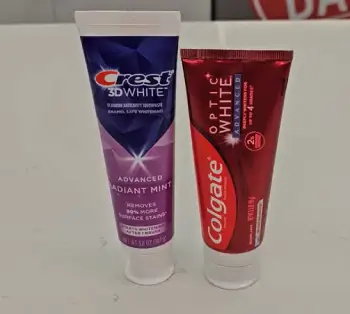
- Whitening mechanism: Crest 3D White leans hard on mechanical polishing. Hydrated silica and pyrophosphates scrub away surface discoloration from coffee, tea, and food.
Colgate Optic White brings chemical bleaching power through hydrogen peroxide that can reach stains sitting a bit deeper in the enamel.
I noticed Crest gave my teeth a quick polished look, while Colgate produced a more gradual but sometimes brighter shift after consistent use.
- Abrasiveness and enamel feel: Crest formulas can feel slightly more scrubbing, which some dentists flag for long-term wear if you brush aggressively.
Colgate versions often market themselves as enamel-safe even with peroxide present.
After three weeks on each, my teeth felt smoother with Crest but slightly more sensitive after the higher-peroxide Colgate variants.
- Taste and mouthfeel: Crest delivers a crisp, balanced mint that foams well and leaves a clean aftertaste.
Colgate sits thicker on the brush and tastes milder with a gentle sweetness.
I preferred Crest for morning freshness and Colgate when I wanted something less intense at night.
- Availability and product range: Both offer multiple variants, but Crest’s 3D White line includes more polish-focused options while Colgate’s Optic White expands into higher peroxide strengths and renewal formulas.
I found Crest easier to grab at lower prices in most stores.
- Overall oral care support: Both fight cavities with fluoride. Crest often emphasizes stain prevention and surface clean, while Colgate highlights peroxide-driven whitening plus cavity protection.
Neither replaces professional cleanings.
Key Features Of Crest 3D White
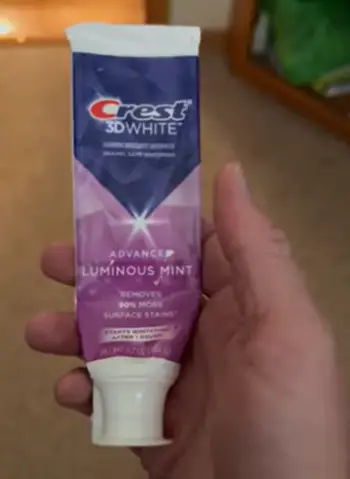
- Surface stain technology: Uses hydrated silica and disodium pyrophosphate to lift extrinsic stains.
In my experience this produced visible brightness within the first week when I stuck to twice-daily brushing.
- Fluoride protection: Sodium fluoride at standard anticavity levels helps remineralize enamel while you whiten.
I appreciated that I did not need a separate cavity-fighting paste.
- Foam and coverage: The paste spreads quickly and creates a satisfying lather that reaches between teeth.
Brushing felt thorough without extra effort.
- Flavor options: Mild to radiant mint varieties keep the routine pleasant.
The aftertaste stayed fresh for hours.
- Everyday practicality: Designed for daily use with claims of removing high percentages of surface stains.
I used it as my sole toothpaste without switching.
Pros Of Crest 3D White
- Fast surface brightening: I saw a cleaner, brighter look within days, especially around the front teeth that show coffee stains most. The polishing action delivers quick visual payoff that kept me motivated.
- Pleasant daily experience: High foam and crisp mint made brushing something I actually looked forward to. No thick residue or odd aftertaste lingered.
- Budget-friendly: Tubes cost less on average in my local stores and online checks. I could buy multiples without hesitation.
- Solid cavity protection: Fluoride levels meet everyday needs, so I treated it as full-time toothpaste rather than a special whitener.
- Wide availability: Easy to find in almost any drugstore or supermarket, with consistent formulas across sizes.
Cons Of Crest 3D White
- Limited deep-stain reach: Intrinsic or older stains responded less dramatically. My smile looked polished but not dramatically transformed after a month.
- Potential abrasiveness: The scrubbing particles can contribute to enamel wear if you brush hard or use it with a stiff brush. I dialed back pressure after noticing slight sensitivity.
- Temporary sensitivity: A few users, including me on high-use days, felt mild zings with cold drinks. It faded when I reduced frequency.
- Results plateau: After the initial surface clean, further whitening slowed. Maintenance became the main benefit rather than ongoing dramatic change.
- Less chemical bleaching power: Without strong peroxide in many core versions, it relies more on physical removal than oxidation.
Key Features Of Colgate Optic White
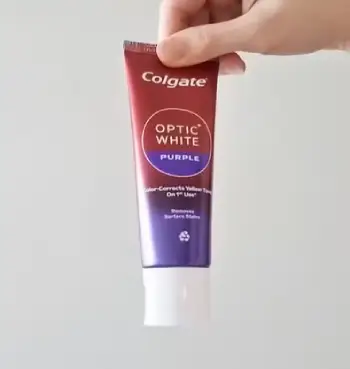
- Hydrogen peroxide formula: Concentrations range from about 1% in basic versions to 2–5% in Advanced and Pro Series lines.
This allows chemical breakdown of stains rather than pure scrubbing.
I saw more progressive whitening over two to three weeks with the stronger options.
- Enamel-safe claims: Marketed to polish gently while peroxide works.
The texture felt less gritty than some abrasive pastes I have tried.
- Stain prevention additives: Ingredients such as pyrophosphates and PVP help keep new stains from sticking.
After switching back to regular paste briefly, my teeth seemed to hold the brighter shade longer with Colgate.
- Cavity defense: Sodium monofluorophosphate or similar fluoride supports enamel strength.
I never felt I sacrificed basic oral health.
- Variant flexibility: From Stain Fighter to Renewal and Pro Series, you can match intensity to your goals.
I started with a milder tube and moved up when I wanted faster results.
Pros Of Colgate Optic White
- Deeper stain targeting: Hydrogen peroxide gave me a more noticeable overall brightness, especially after two weeks of consistent use. Stains from red wine and dark berries faded better than with pure abrasive pastes.
- Enamel-conscious design: Despite the bleaching agent, the formulas claim gentle daily safety. My teeth felt smooth rather than rough after extended use.
- Flexible strength options: I could choose milder peroxide for sensitivity days and step up when I wanted faster results. This control felt useful.
- Longer-lasting brightness: Once whitened, the shade held up reasonably well against new staining when I continued brushing.
- Fresh but gentle flavor: The milder mint suited evening routines without overpowering my senses.
Cons Of Colgate Optic White
- Higher sensitivity chance: Stronger peroxide versions triggered temporary sensitivity for me, particularly with cold water or ice. I had to alternate with a sensitive formula some weeks.
- Thicker texture: The paste felt denser and foamed less than Crest. Spreading it evenly took a bit more attention on the brush.
- Price point: Standard tubes often cost more than equivalent Crest options. Stocking up added up faster.
- Slower initial results with milder versions: Basic formulas needed more time before I saw clear change compared with Crest’s quick polish.
- Variable peroxide levels: Not every tube packs the same strength, so results depend heavily on which exact product you grab. Checking the label became necessary.
My Real-User Testing Experience
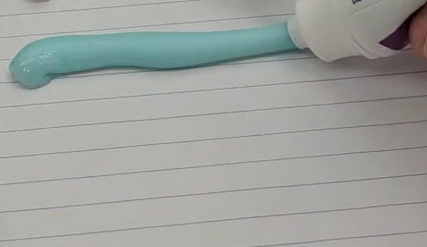
I started with Crest 3D White for three solid weeks. Coffee had left noticeable yellowing along the edges of my front teeth.
After the first few days the surface looked cleaner and the overall tone brighter under bathroom lighting.
The foam made me feel like I was getting a thorough clean, and the mint stayed refreshing. Sensitivity stayed mild and only appeared if I brushed longer than two minutes.
By day ten the difference was clear enough that a coworker commented on my smile. After that the gains leveled off.
I switched to regular paste for a few days and the stains began creeping back, showing that Crest works best as ongoing maintenance rather than a one-time fix.
Next came Colgate Optic White, beginning with an Advanced version containing hydrogen peroxide.
The texture felt thicker right away, and the flavor was softer. Week one brought only subtle change.
By the end of week two the deeper yellow tones had lightened more than Crest had managed.
My teeth looked less stained from the inside out. The trade-off arrived as mild sensitivity to cold drinks around day twelve.
I reduced to once-daily use for a short stretch and the zings faded. Over a full month the cumulative brightening edged ahead of what Crest delivered, though the daily brushing experience never felt quite as foamy or satisfying.
I also tried alternating the two for a period. Crest handled the daily polish and fresh feel while Colgate pushed the overall shade further.
That combination worked well for me when I wanted both speed and depth. Cost-wise Crest stayed easier on the budget. Availability never became an issue for either brand.
Analytical Breakdown Of Performance Factors
Whitening success depends on stain type. Extrinsic stains from food and drink respond to both pastes, but Crest’s abrasive system clears them faster on the surface.
Intrinsic discoloration or older set-in color responds better when peroxide is present, which favors many Colgate Optic White formulas. Neither product changes the natural color of dentin or affects restorations such as crowns and fillings.
Enamel safety sits at the center of long-term use. Higher abrasivity scores raise wear concerns over years of brushing.
Crest’s polishing particles can sit higher on that scale depending on the exact variant. Colgate’s peroxide approach aims to reduce reliance on heavy scrubbing.
Still, any whitening paste can contribute to sensitivity if technique is aggressive. Soft-bristled brushes and light pressure remain essential with both.
Fluoride content keeps both products viable as primary toothpastes. Skipping cavity protection for pure whitening would be a mistake.
I never needed a second paste while using either line. Flavor preference is personal yet influences consistency.
If the taste or texture turns you off, you will stop using it, and results disappear.
Price and value tilt toward Crest for frequent buyers. Colgate’s higher peroxide options justify the extra cost when deeper whitening is the priority. Both brands offer travel sizes and multipacks that make testing low-risk.
Who Should Choose Crest 3D White?
If surface stains from daily coffee or tea bother you most and you want quick visual improvement plus a foamy, minty brush, Crest fits well.
People who prefer lower cost and wide store availability also lean this direction. Those with mild sensitivity may tolerate it better than high-peroxide options.
It suits anyone treating whitening as part of regular oral care rather than a dramatic makeover.
Who Should Choose Colgate Optic White?
Choose this line when you want peroxide-driven brightening that reaches beyond the outermost layer.
Stronger variants suit people chasing more noticeable shade change over weeks. If you already manage sensitivity carefully or can alternate products, the deeper results become accessible.
Those who value enamel-safe marketing claims and longer shade retention after the initial whitening phase will find it appealing.
Also Read: Comparison Of Crest And Colgate Toothpaste
Frequently Asked Questions (FAQ)
It depends on your needs. Crest 3D White often wins for fast surface polish and value. Colgate Optic White tends to edge ahead for deeper peroxide-based brightening.
Many dentists accept both when used properly. Recommendations usually focus on fluoride content, low abrasivity, and individual sensitivity rather than one brand over the other.
No single product ranks as absolute best for everyone. Effectiveness varies by stain type, formula strength, and personal tolerance. Crest 3D White and Colgate Optic White both appear frequently in professional discussions for over-the-counter options.
Some dentists do recommend it for patients seeking peroxide whitening in a daily paste, especially the milder or enamel-focused versions, provided sensitivity is monitored.
Wrapping Up
After testing both pastes side by side, I found Crest 3D White and Colgate Optic White each bring clear strengths to the whitening game.
Crest gave me quicker surface brightness and a more enjoyable daily brush at a friendlier price. Colgate delivered deeper overall lightening once the peroxide had time to work, though sensitivity required careful management.
Your best choice hinges on whether you prioritize speed and polish or progressive chemical brightening.
Try the one that matches your stain pattern and comfort level, stay consistent, and pair it with solid brushing habits.
You will walk away with a brighter smile that feels earned rather than forced.
Whatever you pick, keep the routine simple and sustainable so the results stick around.
Recent Posts
● Interactive 5-Zone Interior & Exterior Paint Blueprint Paint Coverage Calculator: Gallons, Primer, Square Footage & Cost Tap any architectural surface zone on the blueprint...
If you want smooth, shiny hair without spending a fortune on a premium styling tool, the Ella Bella hair dryer may be worth considering.In these Ella Bella hair dryer reviews, I’ll look...