
If you’re looking for a compact, beginner-friendly machine that makes custom hats look professionally finished, I think the Cricut Hat Press is worth considering.
After spending time using it on different cap styles and materials, I found that it simplifies a task that used to feel intimidating.
While it isn’t perfect for every project, it delivers reliable heat, consistent results, and an enjoyable crafting experience that makes it a worthwhile investment for hobbyists and small business owners alike.
My First Experience With The Cricut Hat Press
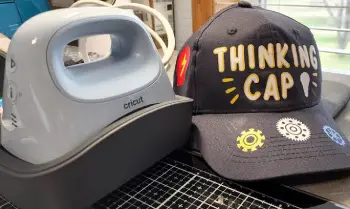
When I first unpacked the Cricut Hat Press, I wasn’t entirely sure whether such a small machine could produce professional-looking results.
I’ve used traditional heat presses before, and pressing curved surfaces like hats always felt tricky.
Uneven pressure often led to peeling designs, faded transfers, or unwanted wrinkles.
After using the Cricut Hat Press for several weeks, I realized it approaches the problem differently.
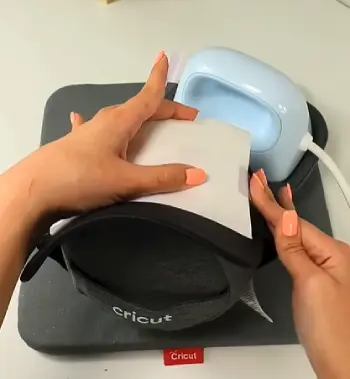
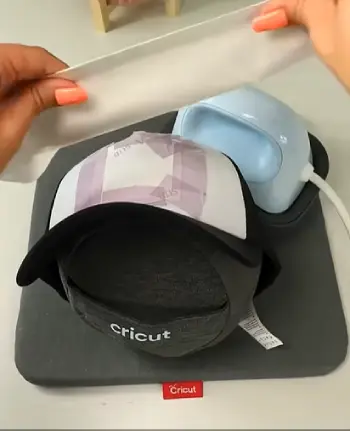
Instead of trying to flatten the hat, the curved heating plate naturally follows the contour of the cap. That alone made positioning much easier than I expected.
I started with a few inexpensive cotton baseball caps before moving on to structured trucker hats and performance hats.
Setting everything up took very little time. Pairing the press with the Cricut Heat app felt surprisingly straightforward.
The app recommended the correct temperature and pressing time based on the transfer material and fabric type, which removed much of the guesswork.
The first project wasn’t absolutely perfect because I positioned my design slightly off-center. Fortunately, that mistake had nothing to do with the press itself.
After adjusting my placement technique, every project became more consistent.
One thing I appreciated immediately was how evenly the machine heated across its curved surface. I never noticed cold spots that could leave portions of a design partially adhered.
The heat remained stable throughout multiple projects, allowing me to press several hats in one crafting session without worrying about inconsistent results.
Comfort also surprised me. Since the machine is lightweight, my hand never became tired even during longer crafting sessions. That may sound minor, but if you’re making multiple custom hats for gifts or customer orders, comfort matters more than you might expect.
I also liked how compact it is. Unlike bulky commercial presses that permanently occupy workspace, this one stores easily on a shelf when I’m finished.
Of course, I did discover a few limitations. Very large logos require careful placement because the heating plate isn’t designed to cover oversized graphics in one press. Extra attention is also needed when working with unusually thick seams.
Overall, my experience has been overwhelmingly positive. The Cricut Hat Press gave me confidence to personalize hats that actually look professionally made instead of homemade.
Pros Of The Cricut Hat Press
- Excellent Heat Consistency
The biggest advantage I noticed was how consistently the machine maintained its temperature.
Many inexpensive presses fluctuate during longer sessions, but the Cricut Hat Press remained steady from beginning to end.
That consistency translates directly into better-looking projects. My vinyl adhered evenly without lifting around the edges, and my Infusible Ink transfers produced vibrant, sharp colors that stayed bright after repeated use.
When you’re creating gifts or selling custom hats, consistency builds confidence because you know what kind of results to expect every time.
- Surprisingly Easy for Beginners
I genuinely believe this is one of the easiest specialty heat presses for beginners.
If you’ve never customized apparel before, the process can feel overwhelming. Temperature settings, pressing times, fabric compatibility, and placement all seem complicated initially.
The Cricut ecosystem simplifies much of that confusion.
Instead of searching online for recommended temperatures, the companion app guides you through the entire process. That guidance reduced mistakes during my first projects and helped me build confidence much faster than I expected.
Even if you’re completely new to heat pressing, you can begin producing attractive hats after only a few practice projects.
- Professional-Looking Results at Home
One reason I kept reaching for this machine is the quality of the finished product.
Friends who saw my completed hats assumed they had been professionally manufactured rather than handmade in my craft room.
The smooth adhesion, clean edges, and even transfer quality created a polished appearance that exceeded my expectations.
If your goal is creating personalized gifts, school spirit hats, sports team merchandise, or products for a small business, the Cricut Hat Press certainly helps achieve a more professional finish than many DIY alternatives.
- Lightweight Design Makes Longer Projects Comfortable
One of the first things I noticed after completing several hats in a single afternoon was how comfortable the machine felt to hold.
Some heat presses become tiring after repeated use because they’re bulky or awkwardly balanced. The Cricut Hat Press is surprisingly light, which made a noticeable difference during longer crafting sessions.
If you’re making one personalized hat, comfort isn’t a major concern. But if you’re preparing holiday gifts, creating merchandise for an event, or filling customer orders, you’ll appreciate a tool that doesn’t leave your wrist feeling strained.
I found myself focusing more on getting the design right instead of worrying about handling a heavy machine.
- Great for Small Business Owners
If you’re thinking about selling customized hats, this machine offers plenty of value. I wouldn’t describe it as an industrial production machine, but it’s more than capable of supporting a small home business.
The finished products looked polished enough that I felt comfortable giving them as gifts or offering them for sale. Since the machine consistently produced clean transfers, I spent less time fixing mistakes and more time actually creating products.
Another benefit is the relatively low maintenance. I didn’t have to spend extra time recalibrating temperatures or troubleshooting uneven heating between projects.
That reliability saves both time and materials, especially when every blank hat represents part of your business costs.
- Compatible with Multiple Hat Styles
Before buying it, I wondered whether it would only work well with standard baseball caps. Thankfully, I found it much more versatile than expected.
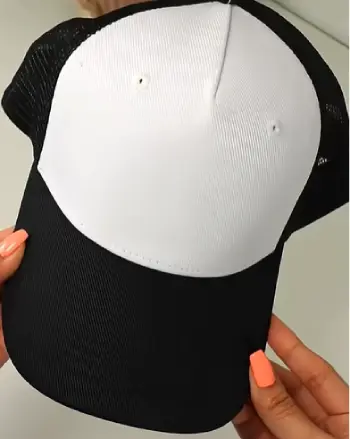
It handled cotton caps very well, but I also had success with polyester performance hats, trucker caps, adjustable baseball hats, and several unstructured designs. Naturally, every material behaves a little differently, but the curved heating plate adapted nicely across different shapes.
While certain oversized or unusually thick hats require extra care, the majority of everyday cap styles worked without significant issues.
- Excellent Build Quality
The overall construction feels solid.
Nothing about the machine feels cheaply assembled. The handle feels secure, the ceramic-coated heating surface remains smooth after repeated use, and every component appears designed to last through years of regular crafting.
While no machine lasts forever, the overall quality inspired confidence from the first day I used it.
- Compact Enough for Any Craft Room
Space matters more than many people realize.
Large clamshell heat presses often require permanent table space, making them inconvenient for hobbyists who share a workspace with other activities.
The Cricut Hat Press solves that problem beautifully.
When I’m finished crafting, I simply place it back on its safety base and store it away. It doesn’t dominate my workspace or require rearranging my craft room every time I want to personalize a hat.
That convenience encouraged me to use it more often than larger presses I’ve owned in the past.
Cons Of The Cricut Hat Press
- Premium Price Compared to Basic Hat Presses
The first drawback most people notice is the price.
Compared to generic hat presses available online, the Cricut Hat Press costs more. If you’re only planning to decorate a handful of hats each year, the investment may seem difficult to justify.
I personally felt the higher quality and ease of use helped balance the cost, but budget-conscious buyers should still consider how frequently they’ll actually use it before making a purchase.
- Not Designed for High-Volume Commercial Production
Although it’s an excellent machine for hobbyists and small businesses, I wouldn’t recommend it for large-scale commercial production.
If you’re pressing dozens or even hundreds of hats every day, a larger industrial press will likely increase efficiency. Commercial machines often offer higher pressure systems and allow faster production speeds for bulk orders.
For occasional and moderate use, however, the Cricut Hat Press performs extremely well.
- Smaller Heating Surface
Because it’s designed specifically for hats, the heating plate is relatively compact.
That means larger logos sometimes require careful positioning or multiple presses to ensure complete coverage. I didn’t find this overly frustrating, but it does require patience when working with oversized graphics.
For standard front-panel designs, this limitation rarely becomes an issue.
- Companion App Dependency
While I liked using the Cricut Heat app, some people may prefer a completely independent machine.
The app provides recommended temperatures and timing, but users who dislike connecting devices through Bluetooth might see this as an inconvenience rather than a benefit.
Fortunately, after you’ve become familiar with common settings, you’ll naturally remember many of them without checking the app every single time.
- Thick Seams Require Extra Attention
One challenge I encountered involved hats with especially thick front seams.
Raised stitching can occasionally prevent completely even contact across the entire design area. Fortunately, careful positioning and pressing techniques usually solve the issue, but it’s something worth remembering before starting your project.
- Limited to Hat Projects
Unlike larger flat heat presses, this machine serves one primary purpose.
If your crafting goals include T-shirts, tote bags, pillowcases, sweatshirts, and mugs, you’ll still need additional equipment. The Cricut Hat Press excels at decorating hats, but it isn’t intended to replace a full-size heat press for other applications.
Maintenance Tips For The Cricut Hat Press
- Keep the Heating Plate Clean
The heating plate is the heart of the machine, so I make it a habit to inspect it after every crafting session. Occasionally, a small amount of adhesive or transfer residue can remain on the ceramic-coated surface.
I always allow the press to cool completely before cleaning it. Once it’s cool, I gently wipe the surface with a soft, lint-free cloth. If I notice stubborn residue, I slightly dampen the cloth with water instead of using harsh cleaning products.
Keeping the heating plate clean prevents residue from transferring onto future projects and helps maintain even heat distribution.
- Always Let the Machine Cool Before Storing
One mistake many beginners make is putting the press away immediately after finishing a project.
I always leave mine on its safety base until it has cooled completely. This simple habit protects both the machine and the surrounding workspace. Storing a hot press inside a cabinet or drawer can trap heat unnecessarily and increase the risk of damaging nearby materials.
Waiting a little longer before storage has become part of my normal crafting routine.
- Store It in a Dry, Dust-Free Area
Although the Cricut Hat Press feels sturdy, I still treat it like any other precision crafting tool.
I keep mine in a cabinet where it stays clean and protected from dust. Excessive dust can eventually settle on the heating plate or ventilation areas, so storing it in a clean environment helps preserve its condition.
I also avoid placing heavy objects on top of the machine because unnecessary pressure could eventually affect its exterior.
- Protect the Cord
The power cord often gets overlooked, but it’s one of the easiest parts to damage.
Instead of wrapping the cord tightly around the machine, I loosely coil it before storage. Sharp bends can weaken internal wiring over time, so keeping the cord relaxed helps extend its lifespan.
Before every project, I also take a quick look to make sure there aren’t any visible cuts or signs of wear.
- Use the Correct Heat Settings
One of the easiest ways to extend the life of both your machine and your projects is by avoiding excessive temperatures.
I always use the recommended settings for the specific material I’m working with instead of assuming hotter is better.
Applying more heat than necessary doesn’t improve the transfer. In some cases, it can actually damage vinyl, fabric, or the hat itself.
Following the proper temperature recommendations has consistently given me better-looking results while reducing unnecessary stress on the machine.
- Avoid Excessive Pressure
One thing I learned fairly quickly is that pressing harder doesn’t necessarily produce better results.
The Cricut Hat Press is designed to work with firm, even pressure rather than excessive force. Pushing down aggressively doesn’t improve adhesion and may actually distort certain hats.
I simply allow the machine to do its job while maintaining steady contact throughout the recommended pressing time.
- Inspect Your Hats Before Pressing
I’ve developed a habit of examining every blank hat before applying a design.
Loose threads, wrinkles, moisture, or debris can all affect the finished result. Taking a minute to inspect the surface helps avoid problems that might otherwise appear after pressing.
This small step has saved me from wasting several blank hats.
- Test New Materials First
Whenever I buy a new brand of heat transfer vinyl or experiment with unfamiliar hats, I avoid using expensive blanks immediately.
Instead, I perform a small test project first.
Testing allows me to confirm that the material responds well to the recommended settings before committing to a larger batch of hats. That extra bit of patience has prevented several costly mistakes.
Comparison Of Cricut Hat Press With Other Brands
- Cricut Hat Press vs. HTVRONT Hat Press
After trying both, I found the biggest difference is the overall user experience.
The Cricut Hat Press feels more refined and beginner-friendly, especially when paired with the Cricut Heat app.
The guided settings remove much of the guesswork, making it easier to achieve consistent results.
The HTVRONT Hat Press is often a more budget-friendly option and offers solid performance for casual users.
However, I noticed that Cricut’s heat consistency and overall build quality inspired a bit more confidence during longer crafting sessions.
If you’re already part of the Cricut ecosystem, the Cricut Hat Press integrates seamlessly into your workflow.
- Cricut Hat Press vs. VEVOR Hat Press
VEVOR machines are generally aimed at users who need higher production capacity.
Many of their models are larger, heavier, and better suited for dedicated workspaces where frequent hat pressing is part of daily operations.
The Cricut Hat Press, on the other hand, shines in home craft rooms. Its compact size, lightweight design, and ease of storage make it much more practical for hobbyists and small business owners who don’t have room for bulky commercial equipment.
- Cricut Hat Press vs. Hotronix Hat Press
Hotronix is well known for commercial-grade equipment. Its hat presses are built for businesses producing large volumes of customized hats every day.
They offer advanced pressure systems and are designed to withstand constant use in professional environments.
While Hotronix machines provide exceptional durability and speed, they also come with a much higher price tag and require considerably more workspace.
For someone like me who enjoys crafting at home or fulfills occasional customer orders, the Cricut Hat Press offers a better balance between affordability, convenience, and performance.
- Cricut Hat Press vs. Generic Budget Hat Presses
Generic hat presses available online can certainly save money upfront, but my experience with them has been mixed.
Heat distribution is often less consistent, build quality varies significantly, and customer support may be limited.
The Cricut Hat Press costs more, yet I found that the dependable heating, thoughtful design, and user-friendly features justified the additional investment.
Instead of wondering whether each transfer would turn out correctly, I could focus on creating attractive custom hats with confidence.
Frequently Asked Questions (FAQ)
Yes. It delivers consistent heat, is easy to use, and produces professional-looking results on a wide variety of hats.
The best choice depends on your needs. The Cricut Hat Press is excellent for home users and small businesses, while commercial users may prefer larger industrial presses.
It works with many common hat styles, including baseball caps, trucker hats, and performance hats. However, unusually thick or oversized hats may require extra care.
Yes. The Cricut Hat Press remains part of Cricut’s lineup and continues to be supported for compatible heat-transfer projects.
Final Verdict
After spending plenty of time creating custom hats with the Cricut Hat Press, I can confidently say it’s one of the most enjoyable specialty crafting tools I’ve used.
It combines consistent heat, thoughtful design, and beginner-friendly operation in a compact package that’s easy to store and comfortable to use.
While it isn’t intended for large-scale commercial production, it’s an excellent choice for hobbyists, gift makers, and small business owners who want professional-looking results without the complexity of industrial equipment.
Recent Posts
I tried Meltoway Hair Dissolving Cream because I wanted a quick way to deal with unwanted body hair without reaching for a razor every few days. If you are looking for a convenient at-home...
If you’re considering a saffron-based supplement to support mood, appetite control, and everyday wellness, Happy Saffron Plus is worth considering.I like that it takes a familiar botanical...