
I always want a drain opener to solve a clog quickly without creating a bigger headache, but my experience with crystal lye drain opener left me more cautious than impressed.
While lye-based products can be powerful against certain organic blockages, the concerns around harshness, handling, pipe compatibility, and disappointing customer feedback make me hesitant to recommend this one.
If you need a dependable drain cleaner, I would personally look at a better-reviewed alternative rather than buying crystal lye drain opener. For me, the possible benefits simply do not outweigh the drawbacks.
My First Experience With Crystal Lye Drain Opener
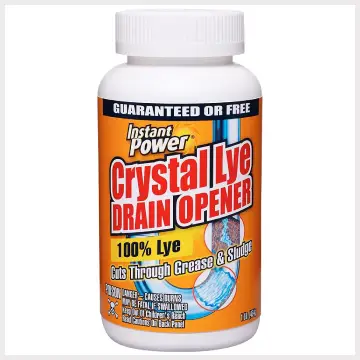
When I first looked at crystal lye drain opener, the basic idea seemed straightforward.
A clogged drain is annoying, especially when water starts moving slowly and every shower or sink use makes the problem more obvious.
Like most people, I want something that can deal with the blockage without requiring me to spend an entire afternoon taking apart plumbing.
Lye-based drain openers have an obvious appeal because lye, also known as sodium hydroxide, is a highly caustic substance that can break down certain organic materials.
Hair, grease, oils, and other organic debris can sometimes respond to this type of chemical treatment. That sounds promising when you’re staring at a sink that refuses to drain.
However, I quickly became more cautious about the overall experience. A product can be chemically powerful and still not be the best choice for a household drain.
That’s the distinction I think shoppers need to understand before purchasing crystal lye drain opener.
My biggest concern was not simply whether the product could affect a clog. It was whether I wanted to introduce such a harsh chemical into my plumbing system in the first place.
With any lye-based product, I have to think about splashes, fumes or irritating vapors, accidental contact, surrounding surfaces, and what happens if the blockage does not clear.
That last point matters more than it might seem.
If a chemical drain opener doesn’t solve the obstruction, the remaining material can create an additional complication for anyone who later needs to work on the drain.
A plumber may have to deal with chemically treated water or residue. That’s not the kind of situation I want to create just because I was trying to save time.
I also noticed why customer reviews matter so much with a product like this. Drain problems vary considerably. A light accumulation of grease is completely different from a solid hair obstruction, mineral buildup, a collapsed pipe, or an object physically lodged in the plumbing. A chemical product cannot solve every type of blockage.
That made some of the less favorable feedback surrounding crystal lye drain opener particularly important to me.
When shoppers repeatedly report that a product did not meet their expectations, I don’t think those experiences should simply be brushed aside.
One person’s disappointing result does not prove that the product never works, but it does tell me that the product may not provide the consistency I expect from something I’m purchasing specifically to solve a frustrating household problem.
I also wouldn’t confuse “strong” with “effective for every clog.” That’s an easy mistake to make. A stronger chemical does not automatically mean a better drain-opening solution.
If the obstruction is mechanical rather than organic, increasing the chemical strength may not solve the actual problem.
Another issue is convenience. I like products that make household maintenance easier, not products that make me nervous about every step of the process.
With lye crystals, careful storage and handling become important. I would want to keep the container securely away from children and pets, avoid contact with skin and eyes, and follow the manufacturer’s directions precisely.
I also wouldn’t mix a lye-based drain opener with other drain cleaners or household chemicals. Chemical combinations can create dangerous reactions, and I see no reason to take that risk when there are safer troubleshooting options.
Overall, my experience leaves me with a mixed impression. I can understand why someone might be attracted to crystal lye drain opener because of the reputation of lye as a powerful cleaning chemical.
But when I consider the unfavorable customer feedback, handling concerns, uncertainty about different plumbing materials, and the fact that chemical drain cleaners don’t address every kind of clog, I don’t feel comfortable recommending it as my first choice.
For me, a drain cleaner needs to offer more than raw chemical strength. I want predictable performance, clear instructions, reasonable safety considerations, and enough positive user experience to make me confident about purchasing it.
Crystal lye drain opener doesn’t give me enough confidence in those areas.
Pros Of Crystal Lye Drain Opener
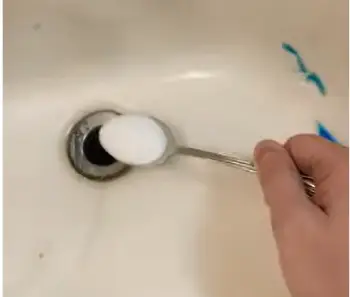
- Powerful Chemistry
The primary advantage is the chemical strength associated with lye. Sodium hydroxide is a powerful alkaline compound capable of reacting with certain organic materials.
That gives lye-based drain cleaners a legitimate place in drain maintenance. When the problem involves material that responds to a strong alkaline cleaner, the chemistry can be useful.
Still, I would not interpret this as proof that crystal lye drain opener will eliminate every clog.
- Can Target Certain Organic Blockages
Hair, grease, oils, and other organic debris are among the materials that can potentially respond to alkaline drain treatments.
This is one reason people continue to consider lye-based products when dealing with slow or clogged drains.
The key word is “certain.” If the blockage comes from a foreign object or a plumbing defect, chemical treatment may accomplish very little.
- Crystal Form Can Be Convenient to Store
A dry crystal product can be more compact than a large bottle of liquid drain cleaner. For someone who has limited storage space, that format may be convenient.
However, compact storage doesn’t eliminate the need for secure storage. I would still keep any lye-containing product in its original container and well away from children, pets, food, and other household products.
- Useful for Specific Drain Problems
I can see why some homeowners prefer chemical drain openers as a quick response to a developing clog.
When a blockage is relatively simple and caused by material that responds to the chemical action, a lye-based product may offer a convenient solution.
That said, the product’s usefulness depends heavily on the actual cause of the obstruction.
- No Need to Immediately Disassemble Plumbing
Another potential advantage is convenience. A chemical treatment doesn’t require you to immediately remove a trap or dismantle part of the drain.
For a minor blockage, that can make the process seem much easier.
But convenience should not override safety. If a clog persists, I would rather investigate the cause than repeatedly add chemical products.
Cons Of Crystal Lye Drain Opener
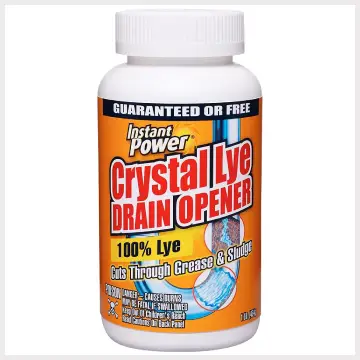
- Unfavorable Customer Feedback Concerns Me
The biggest issue for me is the negative customer feedback surrounding crystal lye drain opener.
When I see disappointing experiences associated with a product, I pay attention to recurring themes rather than assuming every complaint is meaningless.
Drain cleaners are particularly dependent on the type and location of the clog, so not every negative result proves a product is ineffective. Still, repeated dissatisfaction makes me question whether the product delivers consistent value.
That’s enough to make me cautious about purchasing it.
- Lye Requires Serious Handling
This is not a product I would treat casually.
Lye is caustic, and direct exposure can cause chemical burns. Accidental splashes are especially concerning because the eyes and skin are vulnerable to corrosive chemicals.
For me, that changes the entire convenience calculation. A drain cleaner should make household maintenance easier, but a product requiring substantial caution introduces another layer of responsibility.
- It May Not Solve Every Type of Clog
This is one of the most important limitations.
A chemical drain opener cannot magically remove a toy, piece of plastic, thick mineral obstruction, damaged pipe, or tree-root intrusion. Even organic clogs may be positioned in a way that prevents the chemical from reaching the blockage effectively.
So if your drain problem is caused by something other than chemically responsive buildup, you could end up with the same clog after using the product.
Potential Plumbing Compatibility Concerns
I would also be cautious with older plumbing or unfamiliar pipe materials.
Plumbing systems can contain different materials, and their condition varies widely. An older system may already have corrosion, weakened joints, or other vulnerabilities.
I would not assume that because a chemical drain opener is marketed for drains, every plumbing configuration is automatically suitable for it. The manufacturer’s compatibility information should be checked before use.
- Repeated Chemical Treatments Can Be a Bad Habit
One thing I dislike about chemical drain cleaners is the temptation to treat the symptom repeatedly.
If a drain keeps clogging, that tells me there may be an underlying problem. Continually adding chemicals may temporarily improve drainage without solving why the blockage keeps returning.
For that reason, I would rather identify the cause of recurring clogs than make chemical drain treatment part of a routine.
- It Isn’t My First Choice for Preventive Maintenance
I don’t think a strong chemical cleaner should become a routine maintenance product simply because it can attack buildup.
For everyday drain care, I prefer prevention. Keeping hair, food debris, grease, and other materials out of the plumbing in the first place can reduce the need for aggressive treatments.
Maintenance For Keeping Drains Clear
- Prevent Hair From Entering the Drain
If you have a shower or bathroom sink that frequently collects hair, I would start with prevention.
A simple drain screen can catch a surprising amount of hair before it travels farther into the plumbing. Cleaning that screen regularly is much easier than dealing with a serious blockage later.
I make this one of the first things I recommend because it addresses the problem before it becomes a problem.
- Keep Grease Out of Household Drains
Grease and cooking oils can create serious plumbing headaches.
Even if a drain appears to handle liquid grease initially, oils can accumulate as they cool and combine with other debris farther down the plumbing.
I prefer to dispose of cooking grease properly rather than washing it down the sink. That small habit can reduce buildup over time.
- Don’t Flush Solid Waste Into the Wrong Drain
Kitchen sinks and bathroom drains are not designed to handle everything.
Food scraps, coffee grounds, paper products, wipes, and other solid materials can contribute to blockages. Even products marketed as flushable may create plumbing problems under certain conditions.
I try to think of every drain as a pathway for a limited range of materials rather than a general-purpose disposal system.
- Clean Drain Screens Regularly
Drain screens work only when they are maintained.
I would rather spend a few minutes cleaning a screen than discover that water is suddenly pooling around my feet during a shower.
This is one of those tiny maintenance habits that doesn’t feel important until you have a clogged drain.
- Pay Attention to Slow Drainage
A completely blocked drain usually gets my attention, but a slow drain should also be treated as a warning.
If water consistently takes longer to disappear, I don’t automatically wait for a total blockage. I look for possible buildup and address the situation early.
Early attention can sometimes prevent a small maintenance issue from becoming a major plumbing problem.
- Avoid Mixing Drain Chemicals
This is extremely important.
I would never mix different drain cleaners or combine a drain opener with another household chemical unless the manufacturer specifically states that doing so is safe.
Different chemicals can react unpredictably, producing heat, hazardous gases, splashes, or other dangerous results.
If one product has already been used and the blockage remains, I would follow the manufacturer’s guidance before doing anything else.
- Store Lye Products Securely
If you keep a lye-based product at home, secure storage matters.
I would keep it in its original container, tightly closed, and inaccessible to children and pets. I would also keep it away from food, beverages, and incompatible household chemicals.
A container sitting casually under the kitchen sink is not something I would consider adequate if children or pets can reach the area.
- Know When to Stop Using Chemicals
This is perhaps my most important maintenance tip.
If the drain doesn’t improve, I wouldn’t keep adding more product simply because the blockage hasn’t disappeared.
A persistent clog can indicate a deeper problem. At that point, mechanical inspection or professional plumbing assistance may make more sense.
More chemical does not necessarily equal more effectiveness.
- Maintain the Whole Plumbing System
A drain problem can sometimes be a symptom of a larger plumbing issue.
If multiple fixtures begin draining slowly at the same time, I pay attention. If water backs up into another fixture, that’s another warning sign.
Rather than treating every drain separately with chemicals, I would investigate whether there is a larger obstruction somewhere in the system.
Comparison Of Crystal Lye Drain Opener With Other Drain Cleaner
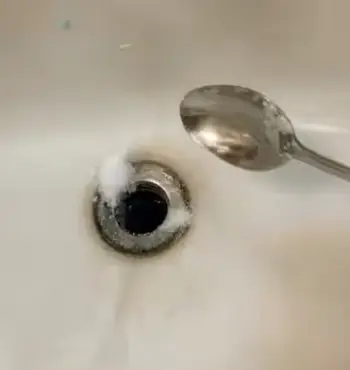
- Crystal Lye Drain Opener vs. Liquid Chemical Cleaners
Liquid drain cleaners can be easier to dispense because the product is already formulated as a liquid. Crystal products, by comparison, require more attention to handling and manufacturer instructions.
Both categories can contain strong chemicals, so I would not automatically consider one harmless simply because it comes in liquid form.
My decision would depend on the ingredients, directions, plumbing compatibility, user feedback, and the specific type of clog.
- Crystal Lye Drain Opener vs. Enzyme Drain Cleaners
Enzyme-based drain cleaners operate very differently.
Instead of relying on a highly caustic chemical reaction, enzyme products generally use biological or enzymatic activity to break down certain organic materials over time.
They’re usually associated more with gradual maintenance than emergency unclogging.
If I were dealing with a recurring organic buildup and wanted a gentler maintenance approach, I’d consider an enzyme-based option before automatically reaching for a strong lye product.
- Crystal Lye Drain Opener vs. Mechanical Drain Tools
This is where I see a major difference.
A plunger, drain snake, or other mechanical tool physically addresses the obstruction rather than chemically dissolving it.
For some blockages, mechanical removal makes more sense because the underlying material is physically extracted from the plumbing.
I also appreciate that mechanical tools don’t leave corrosive chemicals sitting inside the drain. Of course, they aren’t appropriate for every situation either, but they can be a valuable alternative when the blockage is accessible.
- Crystal Lye Drain Opener vs. Professional Drain Cleaning
Professional drain cleaning is obviously a different category altogether.
If I have a persistent blockage, multiple drains backing up, sewage odors, recurring slow drainage, or signs of a plumbing problem, I would rather have the cause investigated.
A professional can potentially identify whether the problem is a simple obstruction, damaged piping, roots, buildup, or another plumbing issue.
That can cost more than a bottle or container of drain cleaner, but sometimes the cheapest immediate solution isn’t the cheapest long-term solution.
Is Crystal Lye Drain Opener Worth Buying?
For me, the answer is no.
That doesn’t mean I believe lye-based drain cleaners can never work. The chemistry behind sodium hydroxide is legitimate, and these products can be effective against certain organic materials.
My concern is whether crystal lye drain opener gives me enough reason to choose it over alternatives.
The negative customer feedback makes me hesitate. The caustic nature of lye adds handling concerns. Different clogs require different approaches. Older or unfamiliar plumbing creates additional compatibility questions. And if a blockage is mechanical or structural, a chemical product may not address the actual cause.
When I put all of those factors together, I don’t see enough upside to make this a product I would confidently purchase.
I’d rather choose a drain solution with stronger customer satisfaction and a clear use case, or use a mechanical method when appropriate. For recurring plumbing problems, I would consider having the system inspected instead of repeatedly relying on chemical drain openers.
Also Read: Is Ailsion Drain Cleaner Worth It?
Frequently Asked Questions (FAQ)
It can work on certain organic blockages because lye can react with materials such as grease and other organic buildup. However, it won’t necessarily clear every type of clog. The result depends heavily on what is blocking the drain and where the obstruction is located.
There isn’t one product that is universally the strongest or most effective for every clog. Highly caustic chemical drain cleaners can be powerful, but strength does not guarantee success. The appropriate solution depends on whether the blockage consists of hair, grease, organic buildup, a foreign object, mineral deposits, roots, or a plumbing defect.
Lye crystals are used in some drain-opening products and can react with certain organic blockages. However, because lye is highly caustic, I would only consider using a product according to its manufacturer’s instructions and safety precautions. I would never mix it with another drain cleaner or household chemical.
I would not automatically assume that it is safe for every older plumbing system. Pipe materials, age, condition, previous damage, and the manufacturer’s compatibility instructions all matter. If you’re dealing with old or fragile plumbing, checking compatibility before using a caustic drain opener is especially important.
Final Verdict
After considering the strengths and weaknesses, I wouldn’t recommend crystal lye drain opener as my first choice.
Its lye-based formula may help with certain organic clogs, but the safety concerns, limitations, and unfavorable customer feedback make me hesitant.
If you need a drain opener, I’d personally choose a better-reviewed alternative that fits the specific type of blockage and your plumbing system.
For recurring or stubborn clogs, I would skip repeated chemical treatments and investigate the underlying problem instead.
Recent Posts
● Interactive 5-Zone Interior & Exterior Paint Blueprint Paint Coverage Calculator: Gallons, Primer, Square Footage & Cost Tap any architectural surface zone on the blueprint...
If you want smooth, shiny hair without spending a fortune on a premium styling tool, the Ella Bella hair dryer may be worth considering.In these Ella Bella hair dryer reviews, I’ll look...