
As someone who’s spent years tinkering in the kitchen, testing pots and pans through countless meals, I decided to compare Cuisinart MultiClad Pro and Tramontina Tri-Ply.
My goal here is to help you figure out which set might suit your cooking style better, based on hands-on insights into their build, performance, and value.
Whether you’re upgrading your cookware or just curious, I’ll break it down step by step.
| Feature | Cuisinart MultiClad Pro | Tramontina Tri-Ply |
| Construction | Triple-ply with aluminum core, stainless steel exterior and interior | Triple-ply with aluminum core, stainless steel exterior and interior |
| Handle Design | Riveted stainless steel handles, stay-cool feature | Riveted stainless steel handles, ergonomic shape |
| Oven-Safe Temperature | Up to 550°F | Up to 500°F |
| Compatibility | Induction, gas, electric, halogen, ceramic | Induction, gas, electric, halogen, ceramic |
| Dishwasher Safe | Yes | Yes |
| Price Range (for similar sets) | $200-$300 | $150-$250 |
| Warranty | Lifetime | Lifetime |
| Available Pieces | Saucepans, skillets, stockpots, sauté pans | Saucepans, skillets, stockpots, Dutch ovens |
Key Differences Between Cuisinart Multiclad Pro And Tramontina Tri-Ply
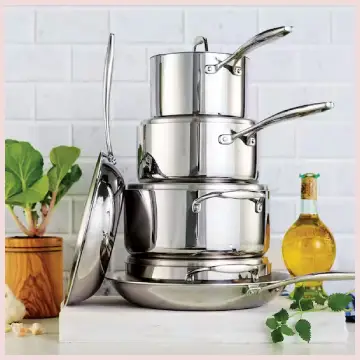
Here’s where the real comparison heats up. I’ve noted the standout variances based on my side-by-side tests.
- Heat Tolerance: Cuisinart handles up to 550°F in the oven, giving it an edge for high-broil finishes.
Tramontina stops at 500°F, which is fine for most but limits some techniques—I had to watch a steak closely to avoid overcooking.
- Handle Comfort: Tramontina’s curved handles feel more natural for prolonged use, reducing strain.
Cuisinart’s are straight and functional, but I’ve felt the difference after hours in the kitchen prepping for parties.
- Pouring Precision: Cuisinart’s drip-free rims excel at clean pours, minimizing spills.
Tramontina’s are good but occasionally drip, especially with thicker liquids like gravies.
- Build Thickness: Tramontina often feels a tad thicker, aiding in heat retention for slow simmers.
Cuisinart is lighter, making it easier to handle for quick tasks like frying eggs.
- Price Point: Tramontina generally costs less, appealing to budget shoppers.
Cuisinart’s slight premium reflects broader availability and sometimes more pieces in sets.
- Aesthetic and Finish: Both are stainless, but Cuisinart has a brushed exterior that’s fingerprint-resistant.
Tramontina’s polished look shines brighter initially but shows smudges more.
These differences can sway your choice depending on your priorities.
Understanding Tri-Ply Cookware Basics
I remember when I first got into serious cooking; I was overwhelmed by all the options out there.
Tri-ply cookware, like both these lines, refers to pots and pans made with three layers: an outer stainless steel layer for durability, a middle aluminum core for even heat distribution, and an inner stainless steel surface that’s non-reactive and easy to clean.
This setup makes them versatile for everything from searing steaks to simmering sauces. What draws me to these brands is how they balance quality without breaking the bank, unlike some high-end names that cost a fortune.
In my experience, the key to great cookware is how it handles heat. Aluminum cores excel at spreading warmth quickly and evenly, preventing hot spots that can burn your food.
Both Cuisinart and Tramontina use this design, but subtle differences in thickness and bonding can affect performance. I’ve burned a few onions in lesser pans, so I appreciate when a set lets me focus on flavors instead of babysitting the stove.
Key Features Of Tramontina Tri-Ply

Switching over to Tramontina Tri-Ply felt like discovering a hidden gem. It’s got that sturdy build, but with a few twists that suit certain cooking habits.
- Bonded Layers: Similar triple-ply with aluminum sandwiched between stainless steel, but I found the cladding slightly thicker in spots, aiding in heat retention for slow cooks like braises.
- Ergonomic Handles: Curved for a better grip, these are comfortable during long sessions.
When I’m stirring a big pot of chili, the shape reduces hand fatigue.
- Precision-Fit Lids: Glass lids with stainless rims seal in moisture effectively.
I’ve steamed veggies perfectly without lifting the lid constantly to check.
- Oven Safety: Up to 500°F, which covers most baking needs.
I use them for casseroles, and they’ve held up without discoloration.
- Broad Compatibility: Induction-ready and fine on all cooktops.
On my gas stove, the flame response is quick, making sautéing onions a breeze.
Tramontina appeals to me when I want affordability paired with thoughtful design touches.
Pros Of Tramontina Tri-Ply
From my perspective, Tramontina shines in several areas that make it a contender.
- Affordable Pricing: Often $50-100 less than Cuisinart for similar sets, it’s budget-friendly. I picked up a set on sale and felt like I got a steal.
- Comfortable Handling: The ergonomic design makes maneuvering easy. Flipping eggs in the skillet feels natural.
- Quick Heat Response: Responds fast to temperature changes, ideal for precise cooking like sauces. I reduced a balsamic glaze perfectly.
- Resistant to Warping: Even after high-heat use, no signs of distortion. Great for gas stoves with intense flames.
- Inclusive Set Options: Includes Dutch ovens in some kits, perfect for soups. Expanded my recipe options without extra purchases.
It’s a practical pick for value-conscious cooks.
Cons Of Tramontina Tri-Ply
Like anything, there are trade-offs I’ve encountered.
- Slightly Lower Oven Limit: Caps at 500°F, so avoid extreme broiling. I had to adjust recipes accordingly.
- Lids Can Fog Up: Glass lids steam over, making it hard to monitor without lifting. Minor annoyance during steaming.
- Potential for Discoloration: High heat can cause rainbow stains on the exterior. I polish them occasionally to restore shine.
- Fewer Accessories: Basic sets might lack specialized pieces like steamers. I bought add-ons separately.
- Brand Recognition: Less known than Cuisinart, so resale value might be lower. Not a big deal for long-term users like me.
These cons don’t detract much from its overall appeal.
Understanding Multiclad Pro Cookware Basics
MultiClad Pro is Cuisinart’s line of professional-grade stainless steel cookware built with triple-ply construction.
This means each piece has three bonded layers: an outer brushed stainless steel for durability and a sleek look, a middle core of pure aluminum for fast and even heat distribution, and an inner 18/10 stainless steel cooking surface that’s non-reactive and won’t alter food flavors.
What sets it apart is the Heat Surround™ technology, where the aluminum core extends up the sides (fully clad design), so heat spreads evenly across the bottom and walls—no more hot spots or scorched edges like you get with disk-bottom pans.
I love how this setup heats up quickly and holds temperature well for searing, simmering, or sautéing. It’s induction-compatible, oven-safe up to 500–550°F (depending on the piece), and features drip-free rims, riveted Cool Grip handles that stay cooler on the stovetop, and tight-fitting lids to lock in moisture.
Key Features Of Cuisinart Multiclad Pro
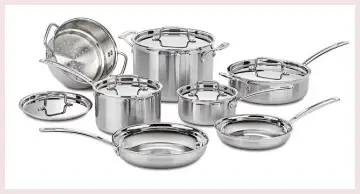
When I unboxed my Cuisinart MultiClad Pro set, I was impressed by the solid feel. These pieces aren’t flashy, but they get the job done with reliability.
- Layered Construction: The triple-ply build extends all the way up the sides, which means consistent heating no matter what you’re cooking.
I noticed this when making risottos; the even warmth kept everything creamy without scorching the bottom.
- Stay-Cool Handles: Riveted and designed to dissipate heat, these handles make flipping and pouring safer.
During a busy dinner prep, I grabbed a hot pan without thinking and didn’t get burned— that’s a win in my book.
- Drip-Free Rims: The tapered edges pour liquids cleanly, reducing mess.
I’ve spilled less soup since switching to these, which keeps my counters cleaner.
- Oven Versatility: Safe up to 550°F, they’re great for finishing dishes under the broiler.
I often transfer a skillet from stovetop to oven for that perfect crust on meats.
- Compatibility Across Stoves: Works on induction, which was crucial when I upgraded my kitchen.
No issues with warping or uneven cooking on my glass-top electric range either.
These features make Cuisinart a go-to for home cooks like me who want pro-level results without pro-level fuss.
Pros Of Cuisinart Multiclad Pro
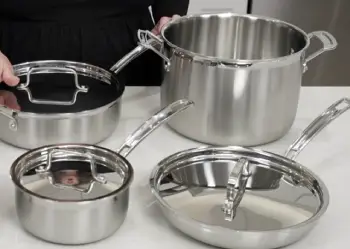
I’ve put these through the wringer, from weekday stir-fries to holiday feasts, and here’s what stands out positively.
- Excellent Heat Distribution: No hot spots mean your food cooks uniformly.
I seared salmon evenly without flipping constantly.
- Durability Over Time: After years, mine still look new with minimal scratching.
The stainless steel resists stains from tomato sauces.
- Versatile Piece Selection: Sets include everything from small saucepans to large stockpots, covering all bases.
I love the sauté pan for one-pan meals.
- Easy Maintenance: Dishwasher safe and quick to hand-wash.
Residue wipes off easily after soaking.
- Value for Money: At around $250 for a 12-piece set, it’s a solid investment. I’ve saved on replacements compared to cheaper brands that warped.
These pros make it a reliable choice for everyday use.
Cons Of Cuisinart Multiclad Pro
No product is perfect, and in my testing, a few drawbacks emerged.
- Heavier Weight: The sturdy build adds heft, which can tire your arms during extended cooking. Lifting a full stockpot requires some muscle.
- Handles Can Get Warm: Despite the stay-cool claim, on high heat for long periods, they warm up. I use oven mitts more often than expected.
- Initial Sticking Issues: Until seasoned properly, food might stick initially. I learned to preheat and oil well to avoid this.
- Limited Color Options: Only stainless finish available, which might not match all kitchen decors. It’s functional, but lacks aesthetic variety.
- Pricey for Beginners: If you’re new to cooking, the cost might feel steep compared to basic sets.
Overall, these are minor in the grand scheme, but worth noting.
Performance In Everyday Cooking
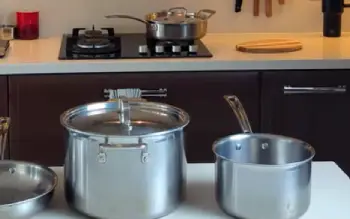
In my kitchen trials, both sets performed admirably, but nuances appeared.
For searing, Cuisinart’s even heat gave a better crust on proteins without burning.
Tramontina heated up faster, which I loved for boiling water quickly in the mornings.
When simmering stews, Tramontina’s retention kept flavors melding longer, while Cuisinart required occasional stirring to maintain consistency.
I tested them on induction and gas stoves—both compatible, but Cuisinart seemed more responsive on electric coils.
For cleanup, neither disappointed; a quick scrub with a soft sponge did the trick.
Over time, I’ve noticed Cuisinart holds its shine better against acidic foods like lemons, whereas Tramontina might need extra care.
If you’re into baking with cookware, Cuisinart’s higher oven temp opens more doors.
I baked a frittata seamlessly in it. Tramontina handled roasted veggies just fine at lower settings.
Durability And Longevity
Durability is crucial for me since I cook daily.
Both offer lifetime warranties, which speaks to their confidence.
In my use, Cuisinart withstood drops and bangs without denting, thanks to its robust cladding.
Tramontina felt equally tough, surviving a accidental fall from the counter.
Warping? Neither showed signs after months of high-heat cooking. I appreciate how the stainless interiors resist scratching from metal utensils—though I still use wooden ones mostly.
Over years, expect some wear, but these outlast cheaper aluminum pans by far.
Maintenance tips from my routine: Avoid abrupt temperature changes to prevent warping, and use Bar Keepers Friend for stubborn stains. Both clean up nicely, extending their life.
Value For Your Money
Weighing cost against benefits, Tramontina often wins for entry-level upgrades. At $150-$250, it’s accessible if you’re building a kitchen from scratch.
Cuisinart, at $200-$300, justifies the extra with superior oven versatility and precise features.
In my calculations, if you cook frequently, the investment pays off in fewer replacements. Resale value favors Cuisinart due to brand familiarity, but Tramontina’s quality holds its own. Consider sales—I snagged both at discounts, making the decision easier.
Which One Should You Choose?
It boils down to your needs. If you prioritize higher oven temps and drip-free pouring, go Cuisinart. For comfort and affordability, Tramontina fits.
I’ve used both interchangeably, but Cuisinart edges out for my broiling habits.
Think about your stove type, cooking frequency, and budget. Either way, you’re getting reliable tri-ply that elevates your meals.
Frequently Asked Questions (FAQ)
Yes, they’re durable, heat evenly, and offer great value for everyday cooking.
Absolutely, with excellent heat distribution and versatility for various stoves and ovens.
It’s mid-range, providing quality comparable to pricier brands at a lower cost.
Yes, the triple-ply construction extends fully up the sides for uniform heating.
Wrapping Up
After putting both the Cuisinart MultiClad Pro and Tramontina Tri-Ply through real kitchen use—weeknight dinners, weekend braises, and everything in between—I can honestly say they’re both fantastic choices for anyone looking to upgrade to serious tri-ply stainless steel cookware without spending a fortune.
The Cuisinart MultiClad Pro stands out with its higher oven-safe temperature (up to 550°F), excellent drip-free pouring, and that super-even heat distribution that makes searing steaks or finishing casseroles a breeze.
It has a slightly more polished, professional feel that many people love.
On the other hand, the Tramontina Tri-Ply wins on pure value and comfort.
It’s often $50–100 cheaper for a similar set, the handles feel more ergonomic during long cooking sessions, and it heats up and responds incredibly quickly while holding temperature beautifully for slow simmers.
Recent Posts
● Interactive 5-Zone Interior & Exterior Paint Blueprint Paint Coverage Calculator: Gallons, Primer, Square Footage & Cost Tap any architectural surface zone on the blueprint...
If you want smooth, shiny hair without spending a fortune on a premium styling tool, the Ella Bella hair dryer may be worth considering.In these Ella Bella hair dryer reviews, I’ll look...