
I’ve always believed that drinking water should taste clean, feel fresh, and give me confidence about what I’m putting into my body.
After using a Culligan reverse osmosis system, I found that it can be a practical upgrade when ordinary tap filtration simply isn’t enough. Culligan offers different RO configurations, so the right choice depends on your water quality, household needs, installation preferences, and budget.
If you want a professionally supported drinking-water system and are comfortable paying more for that service, I think a Culligan RO system is worth considering.
My First Experience With a Culligan RO System
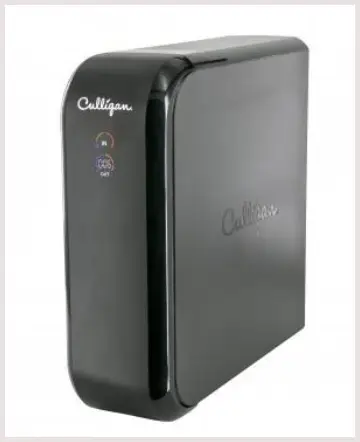
My first impression of a Culligan RO system was that it felt more like a complete water-treatment setup than a basic filter.
That distinction became important once I started using it regularly.
Before installing an RO system, I was used to the familiar taste of tap water. Even when the water was technically suitable for drinking, I could still notice differences in taste and odor depending on the source and plumbing.
With reverse osmosis, the water coming from the dedicated faucet tasted noticeably cleaner and lighter to me.
The biggest change was how often I reached for filtered water. I used it for drinking, making coffee, preparing meals, filling bottles, and even cooking rice.
Once clean-tasting water was always available at the kitchen sink, bottled water became much less appealing.
Culligan’s current RO systems can be configured with multiple filtration stages, and its Aquasential systems are offered with different filter options depending on water concerns.
The company says certain configurations are certified to reduce a broad range of contaminants.
What I particularly appreciated was having the filtration concentrated where I actually needed it. I didn’t necessarily need every drop of water in my house treated through reverse osmosis.
For drinking and cooking, having purified water at the kitchen sink made much more sense.
At the same time, I quickly realized that RO isn’t completely hands-off. Filters and membranes eventually need attention, and the system produces reject water during filtration. That is simply part of how reverse osmosis works.
The EPA explains that RO separates treated water from a concentrated reject stream and can reduce many different contaminants. However, conventional RO systems can also waste substantial amounts of water, which makes efficiency an important buying consideration.
So, my overall experience was positive, but I wouldn’t describe Culligan RO as a magic box that eliminates every water-related concern. For me, its biggest strength was providing a consistent source of highly filtered drinking water while giving me access to professional service.
What Is A Culligan RO System?
A Culligan reverse osmosis system is designed to treat drinking water using several filtration stages, including an RO membrane.
The basic concept is straightforward. Water is pushed under pressure through a semipermeable membrane. Certain dissolved substances and contaminants are rejected while treated water passes through.
That’s why RO can address a wider range of dissolved contaminants than a simple sediment or carbon filter. The EPA notes that RO can reduce various inorganic substances, dissolved solids, and synthetic organic chemicals.
Culligan’s current offerings are not limited to one universal configuration. Depending on the system and water conditions, filtration stages and options can vary.
I actually like that approach because your water isn’t necessarily the same as mine. A homeowner using municipal water may have very different concerns from someone using well water.
Pros Of Culligan RO Systems
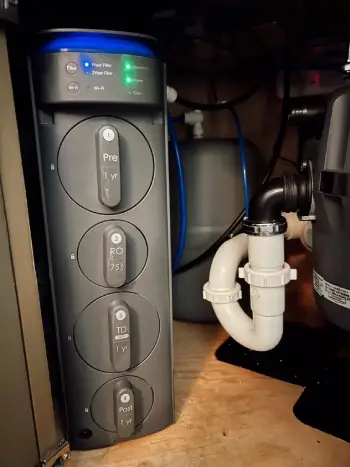
- Broad Filtration Capability
The biggest advantage I noticed with reverse osmosis is the breadth of filtration.
A regular carbon filter can be excellent for improving taste and reducing certain substances, but RO takes treatment further by using a membrane-based separation process.
According to the EPA, RO can potentially address contaminants such as lead, arsenic, certain PFAS, VOCs, bacteria, and viruses, although actual performance depends on the particular system and certification.
That’s important because I wouldn’t choose an RO system simply because someone says it “filters everything.” I’d look at the actual certification and contaminant-reduction claims for the exact model.
For me, that broader treatment capability is one of the strongest reasons to consider Culligan.
- Noticeably Cleaner-Tasting Water
Taste is one of those things you notice immediately.
When water has a chlorine-like smell, metallic taste, or unpleasant aftertaste, I tend to drink less of it. Once filtered water tastes cleaner, drinking enough throughout the day becomes much easier.
RO removes many dissolved substances that can influence water taste. The result can be a cleaner, more neutral profile that works particularly well for drinking and preparing beverages.
I also noticed that coffee and tea could taste different when made with heavily filtered water. If you’re particular about beverages, that alone can make an under-sink filtration system surprisingly useful.
- Professional Installation and Service
This is where Culligan differs from many inexpensive DIY filtration systems.
If you’re the kind of person who doesn’t want to spend Saturday afternoon crawling underneath the sink, figuring out tubing connections, checking fittings, and wondering whether a leak will appear overnight, professional service can be valuable.
Culligan operates through a dealer network and offers installation, maintenance, repairs, and water-treatment services.
I see that as a convenience feature rather than simply a technical feature.
You’re paying for more than a membrane and filters. You’re also paying for access to a service structure.
- Customizable Filtration
Another advantage is the ability to match filtration more closely to the water problem.
Culligan says its Aquasential RO systems can offer multiple stages and filter options depending on the desired treatment.
That flexibility matters because I don’t want to pay for treatment I don’t need.
If your water has a particular contaminant concern, getting the right configuration is much more sensible than buying the most complicated system available.
- Convenient Drinking Water at the Sink
I like the convenience of having a separate drinking-water faucet right where I prepare food.
There’s no need to fill a pitcher repeatedly. There’s no need to store several bottles in the refrigerator. And I don’t have to remember whether the refrigerator filter was changed months ago.
For a family that drinks a lot of water, this convenience can become one of the most valuable aspects of the system.
- Less Dependence on Bottled Water
If you’re regularly buying bottled water, an RO system can change your routine.
Instead of purchasing, transporting, storing, and disposing of bottles, you can produce treated drinking water directly at home.
Whether it saves money depends heavily on the system’s purchase or service cost, filter replacements, household water use, and how much bottled water you previously bought.
Still, from a convenience perspective, I prefer having treated water available whenever I need it.
Cons Of Culligan RO Systems
- Higher Initial Cost
The biggest drawback is straightforward: Culligan RO isn’t usually the budget option.
The company’s own current cost guidance says RO systems can range from a few hundred dollars to a few thousand dollars depending on filtration stages, certifications, installation, technology, and ongoing maintenance.
That’s a wide range, and it’s exactly why I wouldn’t judge a system based only on an advertised starting price.
Installation, configuration, service, filter replacements, and water conditions can all affect what you actually spend.
- Ongoing Filter and Membrane Replacement
An RO system needs maintenance.
Filters eventually become saturated or clogged, while the membrane has a finite service life. If you ignore replacements, performance can decline.
Culligan recommends routine filter replacement and periodic sanitization as part of maintaining an RO system.
I consider this a normal operating expense rather than a defect, but you absolutely need to budget for it.
- Water Waste
This is probably the most important environmental drawback.
RO produces a treated stream and a reject stream. Traditional point-of-use systems can send several gallons of water down the drain for every gallon produced, although efficiency varies substantially between systems.
If water conservation is a major priority for you, check the system’s actual efficiency before buying.
I wouldn’t ignore this specification.
- Removes Some Beneficial Minerals
RO doesn’t distinguish perfectly between substances you dislike and minerals you may want.
The EPA’s guidance notes that RO can remove beneficial minerals such as calcium along with contaminants.
That doesn’t automatically make RO water unhealthy. Most dietary minerals come from food rather than drinking water. Still, it’s worth understanding if you strongly prefer naturally mineral-rich water.
- Requires Space Under the Sink
This is easy to overlook.
Before purchasing an under-sink RO system, I would open the cabinet and measure the available space.
You need room for the filtration components, tubing, and storage tank where applicable. If the cabinet is already packed with cleaning supplies and kitchen equipment, installation can become frustrating.
- Water Pressure Can Affect Performance
RO depends on pressure.
If your home’s water pressure is poor, production can be slower. You may also notice that the storage tank takes longer to fill.
That’s another reason I wouldn’t purchase a system without considering the actual plumbing conditions in my home.
Maintenance For A Culligan RO System
- Replace Filters on Schedule
The easiest way to keep an RO system performing properly is to stay ahead of filter replacement.
I wouldn’t wait until the water tastes strange or the flow becomes painfully slow.
Instead, I would keep a simple replacement record. Write down when each filter was changed and follow the recommended replacement schedule for the specific system.
Culligan specifically emphasizes replacing filters and maintaining the system to help preserve performance.
- Pay Attention to Water Taste and Flow
Your senses can give you useful warning signs.
If the water suddenly tastes different, smells unusual, becomes cloudy, or flows much more slowly, I wouldn’t simply ignore it.
Those changes don’t necessarily mean something dangerous has happened, but they can indicate that the system needs attention.
A sudden performance change is a good reason to inspect the filters, connections, tank pressure, and membrane condition.
- Sanitize the System Regularly
Cleanliness matters because you’re producing drinking water.
Culligan recommends annual sanitization as a preventative maintenance measure.
If you have the system professionally serviced, ask what sanitization schedule they recommend for your particular installation.
I prefer treating sanitization as routine maintenance rather than waiting until there’s an obvious problem.
- Check Tubing and Connections
I make a habit of looking under the sink occasionally.
I’m checking for moisture, loose fittings, damaged tubing, or anything that looks unusual.
A tiny leak can become a much bigger headache if it goes unnoticed.
This takes only a minute, so there’s really no reason to skip it.
- Keep the Faucet Clean
The dedicated faucet is constantly exposed to hands, splashes, and kitchen debris.
I would clean the exterior regularly and pay attention to the faucet outlet.
Good water treatment doesn’t eliminate the need for basic hygiene around the point where you collect drinking water.
- Don’t Ignore the Storage Tank
If your system uses a storage tank, pay attention to changes in how quickly water becomes available.
If the system suddenly delivers very little water or the pressure feels different, don’t assume the membrane is automatically the culprit.
The issue could involve the tank, filters, incoming water pressure, or another component.
- Monitor Water Efficiency
I’d also pay attention to how much reject water the system produces.
RO efficiency varies considerably. EPA WaterSense standards are designed to identify point-of-use RO systems that waste no more than 2.3 gallons of water for every gallon of treated water produced.
Even if your system isn’t WaterSense labeled, understanding its recovery rate can help you make better decisions about water use.
If possible, you can reuse suitable reject water for tasks such as cleaning or watering appropriate plants, provided the water quality and local conditions make that practical.
Comparison Of Culligan RO With Other Brands
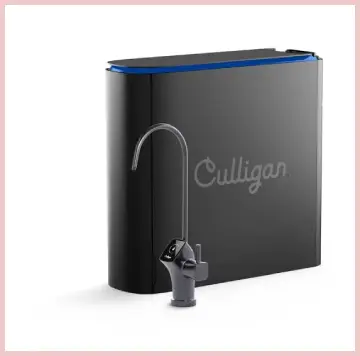
- Culligan vs iSpring
iSpring has become popular among homeowners looking for DIY-oriented RO systems.
The main difference I notice is the buying philosophy. A DIY-focused system can appeal to someone who wants to control installation and replacement costs personally.
Culligan, on the other hand, is more attractive to someone who values professional installation and ongoing service.
If I enjoy doing plumbing projects myself, I’d naturally look harder at a DIY system. If I want someone else to handle installation and maintenance, Culligan becomes more compelling.
- Culligan vs APEC
APEC is another name commonly associated with residential RO systems.
The comparison comes down largely to ownership style. APEC can appeal to homeowners who want a conventional under-sink system and are comfortable handling more of the maintenance themselves.
Culligan’s broader service model can be more appealing if you want water testing, installation, repairs, and other treatment services available through a dealer.
I’d therefore compare the total ownership experience rather than just the number printed on the price tag.
- Culligan vs Aquasana
Aquasana offers several residential filtration approaches, including systems designed around different water-treatment goals.
For me, the key question would be whether I specifically need reverse osmosis or simply want improved taste and filtration.
RO is a more comprehensive treatment method, but that doesn’t mean every household needs it.
If your primary complaint is chlorine taste, a simpler filtration system may be sufficient. If you’re concerned about dissolved contaminants that conventional carbon filtration doesn’t address as broadly, RO deserves closer consideration.
- Culligan vs Waterdrop
Waterdrop has gained attention for compact and modern-looking filtration systems.
The appeal is often convenience, compact design, and consumer-friendly features.
Culligan’s advantage for me is the service ecosystem and the ability to approach water treatment as a broader household need rather than simply buying a single under-sink appliance.
Again, I’d compare the exact model specifications rather than assuming one brand’s entire product range works the same way.
Who Should Buy A Culligan RO System?
I think Culligan makes the most sense for homeowners who take drinking-water quality seriously and want more comprehensive filtration than a basic pitcher or refrigerator filter can provide.
I’d especially consider it if you have a specific water-quality concern, dislike the taste of your current water, regularly purchase bottled water, or simply want treated drinking water available directly from the kitchen faucet.
The professional service option is another major reason to consider it.
If you’re someone who wants to install an inexpensive system yourself and replace every component independently, however, Culligan’s service-oriented approach may feel unnecessary.
Who Should Skip It?
I wouldn’t automatically recommend RO to someone who has excellent-quality water, no noticeable taste issues, no specific contaminant concerns, and little interest in maintaining a filtration system.
RO also isn’t ideal if water waste is a major concern and you aren’t willing to look for a highly efficient configuration.
The best approach is to understand your water first.
A water test can help identify whether you actually have a treatment problem that reverse osmosis is designed to address.
Is Culligan RO Water Healthy?
This is one of the questions I see most often, and the answer deserves some nuance.
RO can significantly reduce many contaminants, but it also removes minerals.
The EPA describes RO as an effective treatment technology capable of reducing a broad range of contaminants while noting drawbacks such as water waste, maintenance requirements, and mineral removal.
So I wouldn’t describe RO water as automatically “better” for everyone.
I’d describe it as highly treated water that can be particularly useful when you have a reason to reduce dissolved contaminants.
Frequently Asked Questions (FAQ)
They can be, especially if you want comprehensive filtration plus professional installation and service.
Costs vary widely, from hundreds to several thousand dollars depending on configuration, installation, features, and maintenance needs.
There isn’t one universal choice. Compare certifications, contaminant reduction, efficiency, filter costs, installation, and service.
RO removes some beneficial minerals and can produce reject water, but the health implications depend on the overall diet and water-quality context.
Final Verdict
After looking at the complete ownership picture, I see Culligan RO systems as a serious option for homeowners who want comprehensive drinking-water treatment and don’t mind paying more for professional support.
The filtration capability, customizable configurations, convenient drinking water, and service network are meaningful advantages. The higher cost, filter maintenance, space requirements, and reject-water issue are the trade-offs.
If your household has a genuine water-quality concern and you value convenience, I think it’s worth considering a Culligan RO system. If your needs are modest, a simpler filter may make more sense.
Recent Posts
No7 Pure Retinol Eye Cream Review: Does It Really Help Fine Lines?
If you want an eye cream that focuses on visible signs of aging without making your routine overly complicated, No7 Pure Retinol Eye Cream is worth considering.I like that it combines retinol...
Jerome Alexander AirBrush Foundation Review: Is It Worth Trying?
If you want a lightweight foundation that can make your complexion look smoother without feeling like you are wearing a heavy layer of makeup, I think Jerome Alexander AirBrush Foundation is worth...