
If you’re looking for a natural oil that may help reduce unwanted hair growth while also supporting smoother-looking skin, Cyperus rotundus oil is worth considering.
I was particularly interested in it because it is marketed as a plant-based option for people who want something gentler than frequent shaving or waxing.
After using it consistently, I found that expectations matter.
I’d recommend buying Cyperus rotundus oil if you’re willing to use it regularly and understand that results can vary considerably from person to person.
My First Experience With Cyperus Rotundus Oil
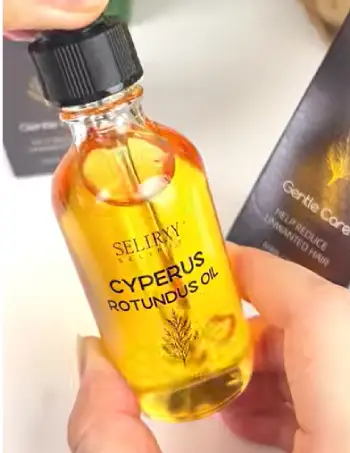
When I first heard about Cyperus rotundus oil, I was curious but also skeptical.
The idea sounded simple: apply an oil after removing unwanted hair and gradually make regrowth less noticeable.
I had already tried shaving, waxing, and other hair-removal methods, so I knew how frustrating it could be to deal with stubble returning again and again.
What caught my attention was the traditional use of Cyperus rotundus, commonly known as nut grass.
The oil is generally prepared from the plant’s underground parts, and it has become popular in personal-care routines focused on unwanted hair.
I decided that consistency would be the key. Rather than applying it once or twice and expecting an immediate transformation, I treated it like a regular grooming product.
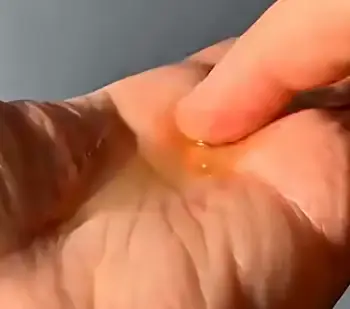
After hair removal, I cleaned the area and applied a small amount of oil. I massaged it gently into the skin instead of rubbing aggressively. The texture felt oily, naturally, but it wasn’t particularly difficult to work with when I used only a few drops.
One thing I noticed quickly was that this isn’t a product I would describe as an instant hair-removal solution. It doesn’t magically make existing hair disappear. Instead, the expectation is that repeated use may affect the appearance or rate of regrowth over time.
That distinction is important.
I also paid attention to how my skin reacted. When you’re putting any botanical oil on your face, underarms, legs, or other sensitive areas, you can’t assume that “natural” automatically means irritation-free. My approach was to start with a small area and see how my skin responded.
The biggest challenge was patience. I wanted visible results quickly, but hair-growth cycles don’t work that way. Different hairs are at different stages of growth, so changes can take time to become noticeable.
Overall, my experience made me see Cyperus rotundus oil as a gradual-care product rather than a replacement for conventional hair-removal methods. If you approach it with realistic expectations, the routine makes much more sense.
Pros Of Cyperus Rotundus Oil
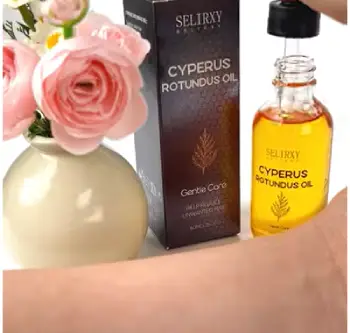
- May Help With Unwanted Hair Regrowth
The main reason people become interested in Cyperus rotundus oil is unwanted hair.
Some users report that regular application after hair removal makes regrowth appear slower, finer, or less noticeable. However, I wouldn’t treat this as a guaranteed permanent hair-removal solution.
For me, the appeal is that it offers another option between repeated conventional hair-removal sessions.
If you dislike the constant cycle of shaving today and seeing stubble again shortly afterward, a product intended to support slower-looking regrowth can sound appealing.
Still, results aren’t universal.
- Plant-Based Beauty Routine
I like the simplicity of incorporating botanical ingredients into a personal-care routine.
Cyperus rotundus comes from a plant, and that makes it attractive to people who prefer plant-derived beauty products.
But I always separate “plant-based” from “risk-free.” Plenty of natural ingredients can cause irritation or allergic reactions.
So I consider the botanical origin a benefit, but not a guarantee of suitability.
- Easy to Apply
One of the strongest practical advantages is convenience.
There’s no complicated equipment involved. You apply a small amount, massage it into the skin, and allow it to absorb.
That’s particularly convenient when you’re already following a hair-removal routine.
I don’t have to schedule a complicated treatment every time I want to use the oil.
- Can Fit Into Different Grooming Routines
Another advantage is flexibility.
You can potentially incorporate it into a routine for areas such as the legs, arms, underarms, or other suitable parts of the body.
However, I wouldn’t automatically assume that every formulation is appropriate for facial or intimate areas. The formulation and your skin sensitivity matter.
- May Leave Skin Feeling Softer
Because these products are oil-based, they can provide some moisturizing benefits.
After application, my skin felt more conditioned than it did after using a drying hair-removal product alone.
That can be useful if shaving or waxing tends to leave your skin feeling tight.
- Small Amount Can Go a Long Way
You generally don’t need to drench the skin.
A few drops can cover a surprisingly large area when massaged properly. That makes the product relatively easy to incorporate into a regular routine without using excessive amounts.
- Simple Storage
Most oil products don’t require complicated maintenance.
I prefer keeping the bottle tightly closed and stored somewhere cool and dry, away from direct sunlight.
That simple habit helps keep the product cleaner and easier to use.
Cons Of Cyperus Rotundus Oil
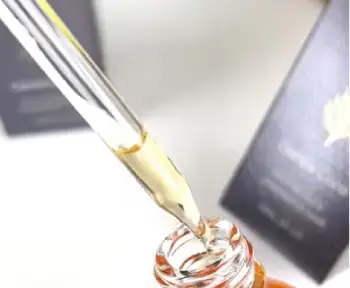
- Results Can Be Slow
This is probably the biggest drawback.
If you’re expecting dramatic changes within a few days, you may become disappointed.
Hair grows in cycles, and any product intended to influence regrowth may require consistent use over an extended period.
- Results Vary
What works for one person may not produce the same result for another.
Hormonal factors, genetics, hair thickness, skin type, and the area being treated can all affect the experience.
I wouldn’t buy it assuming that you’ll get permanent hair reduction simply because someone else reported impressive results.
- Not a Replacement for Immediate Hair Removal
The oil isn’t designed to remove existing hair instantly.
If you have visible hair right now, shaving, waxing, trimming, or another removal method may still be necessary.
The oil fits better into a longer-term routine.
- Can Feel Greasy
This is still an oil.
If you apply too much, you may end up with a shiny or greasy layer on the skin.
I found that using less was usually better.
- Possible Skin Irritation
Even botanical oils can cause redness, itching, burning, or irritation in sensitive individuals.
That’s why I strongly recommend patch testing before applying a new product over a large area.
Maintenance Tips For Cyperus Rotundus Oil
- Keep the Bottle Properly Closed
Whenever I use an oil, I make sure the cap goes back on tightly.
Leaving the container open unnecessarily can expose the product to air, dust, moisture, and other contaminants.
A tightly closed bottle is a basic habit, but it’s one worth following.
- Store It Away From Heat
I wouldn’t leave the bottle beside a sunny window or in a very hot bathroom.
Excessive heat can affect many cosmetic oils over time.
A cool, dry cabinet is generally a more sensible place to store it.
- Avoid Contaminating the Product
Don’t touch the bottle opening directly with dirty hands.
If the product comes with a dropper, keep the dropper clean and avoid allowing it to touch your skin repeatedly before returning it to the bottle.
Simple hygiene makes a difference.
- Patch Test Before Regular Use
This is one step I wouldn’t skip.
Apply a small amount to an inconspicuous area and monitor your skin.
If you notice significant burning, swelling, itching, or persistent redness, stop using it.
A patch test doesn’t guarantee that you’ll never experience a reaction, but it’s a sensible precaution.
- Don’t Apply to Damaged Skin
If you’ve just shaved and accidentally nicked yourself, don’t immediately put oil over the cut.
The same goes for irritated skin after aggressive waxing.
Give your skin time to recover.
- Use a Consistent Routine
If you’re testing whether Cyperus rotundus oil works for you, consistency matters.
Using it randomly makes it much harder to determine whether the product is helping.
I prefer keeping a simple schedule and observing changes over several hair-growth cycles.
- Don’t Use Excessive Amounts
More isn’t automatically better.
A thin layer is generally enough for an oil-based product.
Applying too much can make clothing uncomfortable, increase greasiness, and potentially make the skin feel congested.
- Keep Your Expectations Realistic
This may be the most important maintenance tip of all.
Don’t expect a botanical oil to transform your hair-growth pattern overnight.
Give yourself enough time to evaluate it properly.
- Cyperus Rotundus Oil for Facial Hair
Facial hair requires extra caution.
The skin on your face can be more sensitive than the skin on your legs or arms, and formulations that feel comfortable elsewhere may not work well around the face.
If you’re considering Cyperus rotundus oil for facial hair, I would start with a very small amount and patch test first.
Avoid the eyes, lips, broken skin, and areas showing irritation.
I also wouldn’t assume that facial use is automatically appropriate just because the product is marketed for hair reduction.
Check the product’s intended use and ingredient list before applying it.
- Cyperus Rotundus Oil for Body Hair
Body hair is where this type of product may fit most naturally into a grooming routine.
If you already shave or wax your legs or arms, adding an oil afterward can be relatively straightforward.
The potential advantage is convenience. You’re not necessarily adding an entirely new beauty treatment; you’re adding one step to something you’re already doing.
For me, that makes the concept more practical.
Comparison Of Cyperus Rotundus Oil With Other Brands
- Cyperus Rotundus Oil vs Shaving Products
Shaving is excellent when you want immediate visible hair removal.
I can shave an area and see the result almost immediately.
The downside is that shaving doesn’t fundamentally change the underlying hair-growth cycle. Stubble can return quickly, and frequent shaving can sometimes cause razor bumps or irritation.
Cyperus rotundus oil takes the opposite approach. It isn’t about immediate removal. Its appeal lies in potentially supporting slower or less noticeable regrowth with continued use.
So the two products can actually complement each other rather than being direct substitutes.
- Cyperus Rotundus Oil vs Waxing
Waxing removes hair from the root, which can provide a longer hair-free period compared with shaving.
However, waxing can be uncomfortable, and repeated appointments or home treatments aren’t everyone’s preference.
Cyperus rotundus oil is considerably less involved from a process standpoint.
I could see someone using waxing for removal and incorporating the oil afterward as part of their maintenance routine.
- Cyperus Rotundus Oil vs Depilatory Creams
Depilatory creams work by chemically breaking down hair at or near the skin’s surface.
They’re designed for relatively quick results, but some people find the ingredients irritating.
Cyperus rotundus oil takes a gentler, gradual approach in terms of its intended function.
However, “natural” doesn’t automatically mean less irritating, so I still recommend testing the oil before regular use.
- Cyperus Rotundus Oil vs Professional Hair-Reduction Treatments
Professional treatments can provide a very different level of intervention.
Depending on the method, they may target hair follicles using specialized equipment and require multiple sessions.
Cyperus rotundus oil is much simpler and less intensive.
For someone who wants a low-effort home routine, that simplicity can be attractive. For someone looking for a more substantial clinical approach, an ordinary cosmetic oil may not meet the same expectations.
What I Would Look For Before Buying?
Not every bottle labeled Cyperus rotundus oil is necessarily formulated the same way.
I would check the ingredient list, concentration information when available, intended application area, packaging, and directions.
I would also avoid choosing purely based on the strongest marketing claim.
If a product promises dramatic permanent results with almost no effort, I’d approach that claim cautiously.
A straightforward ingredient list and clear usage instructions would give me more confidence than exaggerated promises.
Also Read: Is Zinzino Balance Oil Worth It?
Frequently Asked Questions (FAQ)
It may help reduce or slow the appearance of regrowth for some people, but it shouldn’t be considered a guaranteed permanent hair-growth stopper.
Results can vary, but it generally requires consistent use over multiple hair-growth cycles rather than just a few applications.
Possible reactions include redness, itching, burning, dryness, or irritation, especially for sensitive skin.
Some people use it on facial areas, but facial skin is sensitive, so patch testing and careful application are especially important.
Final Verdict
After considering how Cyperus rotundus oil fits into a real grooming routine, I see it as a gradual option rather than a miracle hair-removal product.
If you want something simple, plant-based, and easy to apply after hair removal, I think it’s worth buying and testing with realistic expectations.
Just remember that results vary, and patience is essential. If you expect instant or permanent results, you may be disappointed. For gradual personal care and unwanted-hair maintenance, however, Cyperus rotundus oil can be a worthwhile addition to your routine.
Recent Posts
Mason Natural Vitamins Reviews: My Honest Experience and Buying Guide
After using and comparing different everyday vitamin options, I found Mason Natural vitamins interesting because the brand offers a broad range of formulas without making the whole experience...
Himalaya Complete Care Toothpaste Reviews: Is It Worth Buying?
I’ve always wanted a toothpaste that could handle everyday cleaning without making my mouth feel overly sensitive or stripped after brushing.After using Himalaya Complete Care Toothpaste, I...