
If you are tired of pulling weeds every few days, Preen Extended Control Weed Preventer may be worth considering.
I like the idea of preventing weeds before they become a problem, especially in flower beds, landscaped areas, and around established plants.
Its extended-control formula is designed to provide longer-lasting protection than standard Preen.
I would recommend it to gardeners who want less frequent weeding, provided they have suitable plants and follow the label instructions carefully.
My Personal Experience With Preen Extended Control Weed Preventer
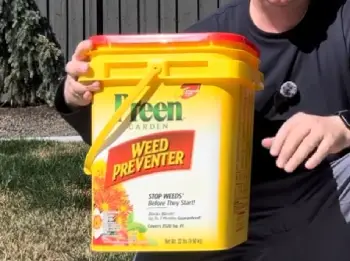
When I think about maintaining a garden, weeds are one of the most frustrating problems.
You spend time preparing flower beds, planting beautiful flowers, adding mulch, and keeping everything looking attractive.
Then, seemingly overnight, unwanted weeds start appearing. Before you know it, you are spending more time pulling weeds than enjoying your garden.
That is why a product like Preen Extended Control Weed Preventer caught my attention. Instead of waiting for weeds to grow and treating them afterward, this product focuses on preventing new weeds from developing.
One thing I find particularly appealing is its extended-control approach. Traditional weeding methods require repeated attention, but a pre-emergent weed preventer creates a treated layer in the soil that helps stop susceptible weed seeds from developing. This can make routine garden maintenance considerably easier.
I also appreciate that Preen Extended Control is designed for use around certain established ornamental plants, trees, and shrubs. That makes it potentially useful for people who maintain decorative landscapes rather than vegetable gardens alone.
However, I would not treat it as a universal weed solution. It is important to understand that pre-emergent products generally prevent new weeds from establishing rather than killing mature weeds that are already growing.
If your garden already contains large dandelions, crabgrass, or other established weeds, you will need a separate removal strategy.
Another thing I would pay attention to is application timing. Applying the product at the appropriate time and following the watering instructions can make a meaningful difference. Simply scattering granules around the garden without reading the label is not a reliable approach.
Overall, my impression is that Preen Extended Control is most appealing to gardeners who want to reduce recurring weed problems without constantly disturbing their flower beds.
Also Read: Is NightShift Grass Seed Worth It?
Pros Of Preen Extended Control Weed Preventer
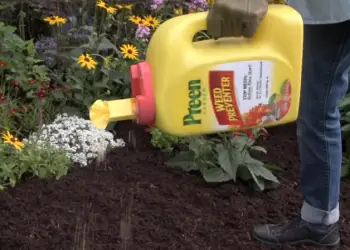
- Longer-Lasting Weed Prevention
The extended-control formula is one of its strongest selling points.
Many gardeners become frustrated when weeds return shortly after they finish cleaning their flower beds. Pulling weeds once does not necessarily prevent new seeds from germinating.
Preen Extended Control addresses this recurring problem by targeting susceptible weeds before they become established.
For me, this preventive approach makes sense because it reduces the need to react to every new weed that appears.
The longer-lasting formulation may also be useful for people who cannot spend several hours every week maintaining their outdoor spaces.
Of course, the actual protection period depends on the particular product and environmental conditions. I would always follow the label rather than assume the treatment will last for a specific number of months.
- Convenient Granular Application
Another advantage is its granular format.
You do not have to prepare a complicated mixture or measure a liquid concentrate before every application.
Instead, you distribute the granules over the approved area at the recommended rate.
This can make routine garden maintenance easier, especially if you have several smaller planting beds.
I would still recommend using a suitable spreader when appropriate because even distribution matters.
Applying too much product in one area or leaving large untreated spaces can reduce the consistency of weed prevention.
- Helps Maintain Attractive Flower Beds
Weeds can quickly make a well-maintained garden look neglected.
They compete for space and can make decorative plants appear crowded. Some aggressive weeds may also compete with desirable plants for water, nutrients, and sunlight.
By preventing susceptible weeds from emerging, Preen Extended Control can help preserve the appearance of established flower beds.
I particularly like this benefit for ornamental landscapes where appearance is just as important as plant health.
A cleaner planting area also means less time spent pulling unwanted vegetation between flowers and shrubs.
- Reduces Repeated Hand-Weeding
Hand-weeding is effective, but it can become exhausting when new weeds appear constantly.
If you have a large garden, removing every unwanted seedling before it spreads can feel like a never-ending responsibility.
Preen Extended Control offers a different approach by addressing weed development before visible growth begins.
This can reduce the number of weeds you need to remove manually.
I would not completely abandon hand-weeding, though. Some weeds will still appear, particularly if they are not controlled by the formulation.
- Useful for Established Landscaping
The product can be particularly helpful in approved ornamental landscape settings.
Established flower beds, shrubs, and certain landscape plantings may benefit from pre-emergent weed prevention.
Rather than disturbing the soil repeatedly to remove every new weed, you can use an appropriate preventive treatment as part of your maintenance schedule.
This is especially useful when you have decorative areas containing multiple established plants.
The important thing is to verify that every intended application area and plant type is permitted by the specific label.
- Supports a More Organized Garden Routine
I like products that help simplify recurring household and outdoor responsibilities.
Preen Extended Control can make garden maintenance more predictable because you are working to prevent weeds instead of constantly responding to them.
You can combine appropriate applications with mulching, occasional inspection, watering, and pruning.
That gives you a more organized maintenance routine.
It is not a substitute for healthy soil management, but it can be a useful addition.
- Helps Reduce Weed Competition
Young weeds can compete with desirable plants for available resources.
When susceptible weed seeds are prevented from establishing, your ornamental plants may experience less competition from those weeds.
This does not mean Preen directly improves plant growth or supplies nutrients.
Its benefit is indirect: reducing certain unwanted plants can make it easier to maintain a tidy planting environment.
Cons Of Preen Extended Control Weed Preventer
- Does Not Kill Existing Weeds
This is probably the biggest limitation.
Preen Extended Control is primarily a pre-emergent weed preventer. It is not designed to eliminate mature weeds that are already growing.
If your garden is full of established dandelions, crabgrass, or other unwanted vegetation, applying this product alone will not solve the problem.
You will need to remove existing weeds using an appropriate method before relying on prevention.
- Not Suitable for Every Planting Area
Another disadvantage is that you cannot apply it indiscriminately.
Some plants and growing areas may be excluded from the product label.
For example, you should not assume it is suitable for newly seeded lawns, vegetable gardens, edible crops, or areas where plants are still germinating.
Always check the exact application restrictions before use.
- Requires Proper Timing
Pre-emergent weed prevention works best when applied before susceptible weed seeds germinate.
If you wait until weeds have already emerged, the product may not provide the results you expect.
This means you need to understand the seasonal weed patterns in your area.
- Application Errors Can Affect Results
Applying too much product is not necessarily better.
Excessive application can increase the risk of undesirable effects and may violate the label directions.
Likewise, applying too little or spreading the granules unevenly can leave untreated areas.
Careful application is essential.
- Not a Complete Weed-Control Solution
Some weed species may not be controlled by the formulation.
Perennial weeds and plants spreading through established roots or underground structures may continue growing despite treatment.
You may still need hand-weeding, mulching, or other appropriate control methods.
- Requires Attention to Environmental Conditions
Rainfall, watering, soil conditions, and application timing can influence performance.
You should follow the label’s instructions about watering after application and avoid applying the product when weather conditions could cause unwanted movement or runoff.
I would also keep granules away from storm drains, waterways, and areas where runoff could carry them.
Also Read: Is Jonathan Green Black Beauty Ultra Grass Seed Worth It?
Maintenance For Getting Better Results With Preen Extended Control
- Remove Existing Weeds Before Application
Before applying the product, inspect your garden carefully.
Look for visible weeds, including small seedlings, mature broadleaf weeds, and unwanted grasses.
Remove existing weeds using an appropriate method.
For small flower beds, hand-pulling may be sufficient. For larger areas, you may need another suitable weed-control approach.
Remember that the purpose of Preen Extended Control is to prevent susceptible new weeds from developing, not to kill existing vegetation.
Starting with a relatively clean planting area makes it easier to evaluate how well the preventive
- Read the Product Label Carefully
I cannot emphasize this enough.
Different Preen formulations may have different application rates, approved plants, restrictions, and protection periods.
Never assume that instructions for standard Preen apply to Preen Extended Control.
Check the packaging for the correct amount per square foot and the approved application locations.
Pay particular attention to restrictions involving newly planted flowers, seeds, edible crops, and lawns.
If you are unsure whether a particular plant is compatible, do not apply the product around it until you confirm that the label permits it.
- Apply the Granules Evenly
Uniform distribution is important.
If you concentrate the granules in one location, you may create inconsistent coverage.
I would use the application method recommended on the packaging and work systematically across the approved area.
For larger flower beds, divide the space into smaller sections so you can monitor coverage.
Avoid applying more than the recommended quantity in an attempt to improve performance.
A correct application is more important than a heavy one.
- Follow the Watering Instructions
Many granular pre-emergent products require watering after application to activate or move the active ingredient into the appropriate soil zone.
However, the exact instructions depend on the formulation.
Follow the specific watering directions on the package.
Avoid excessive watering that could cause runoff or move the product beyond its intended location.
I would also avoid applying it immediately before heavy rainfall unless the label specifically permits those conditions.
- Maintain an Appropriate Mulch Layer
Mulching is another useful part of a weed-prevention routine.
Organic mulch can help reduce weed emergence by limiting the light available to certain seeds and creating a physical barrier.
It can also help conserve soil moisture and improve the appearance of flower beds.
Wood chips, shredded bark, and other appropriate mulches are commonly used in ornamental landscaping.
However, mulch should not be treated as a replacement for label-directed weed prevention.
You should also avoid piling mulch directly against plant stems or tree trunks.
- Inspect Your Garden Regularly
Even when using an extended-control weed preventer, I would inspect the garden every week or two.
Look for weeds emerging in untreated spaces, along borders, and around planting edges.
Removing small weeds early is usually easier than dealing with established plants later.
Regular inspection also helps you identify whether your prevention strategy is working.
If you notice repeated weed growth in a particular area, check whether the weed species is covered by the product label.
- Protect Newly Planted and Sensitive Vegetation
Newly planted flowers and young seedlings require extra attention.
Do not assume that a product suitable around established ornamental plants is automatically safe around newly planted vegetation.
Some pre-emergent herbicides can interfere with the establishment of desirable plants, depending on the species and application method.
Check the label before treating recently disturbed soil or areas containing new plantings.
treatment.
Comparison Of Preen Extended Control And Other Brands
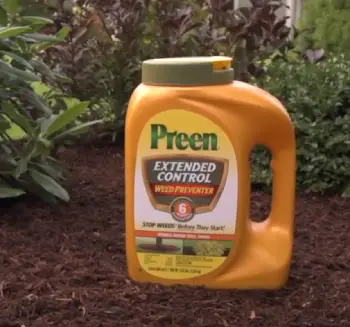
- Preen Extended Control vs. Standard Preen
Standard Preen and Preen Extended Control share the same general purpose: preventing certain weeds before they emerge.
The main distinction is the formulation and intended duration of control.
Standard Preen products are generally intended for routine pre-emergent weed prevention, while the extended-control version is designed to provide longer-lasting protection.
I would consider standard Preen if I wanted a more conventional maintenance schedule.
On the other hand, Preen Extended Control may be more appealing if I wanted fewer treatment intervals and the label supports the intended application.
The best choice depends on the weeds you are targeting and how frequently you want to maintain your garden.
- Preen Extended Control vs. Roundup
Roundup is commonly associated with post-emergent weed control, although the brand offers different formulations.
This distinction matters.
Preen Extended Control is designed to prevent susceptible weeds from establishing. Many Roundup weed-killer formulations are designed to kill existing vegetation after application.
If I already had mature weeds growing between garden plants, I would look for an appropriate removal method rather than expect Preen to eliminate them.
If my goal were to prevent new weeds from emerging in an approved ornamental bed, Preen Extended Control would be more relevant.
Neither product should automatically be considered safer in every situation. Their risks depend on their active ingredients, formulations, application methods, and exposure conditions.
- Preen Extended Control vs. Spectracide
Spectracide offers different weed-control products, including formulations designed to kill existing weeds.
I would compare the exact products rather than assume that every Spectracide product works the same way.
Some formulations are intended for visible weeds, while Preen Extended Control focuses on preventing certain weeds before they emerge.
If you want to maintain a decorative flower bed with fewer emerging weeds, Preen may be the more relevant category.
If you need to eliminate established weeds, an appropriate post-emergent product may be more suitable.
Always check plant compatibility and application restrictions.
- Preen Extended Control vs. Ortho WeedClear
Ortho WeedClear is generally associated with controlling existing broadleaf weeds in lawns, depending on the particular formulation.
That makes it different from Preen Extended Control.
Preen is a preventive option for approved planting areas, whereas many WeedClear products are designed to target visible weeds.
I would not use a lawn weed killer as a substitute for a flower-bed pre-emergent product without checking the label.
The intended application areas, target weeds, and plant-safety instructions can be very different.
- Preen Extended Control vs. Snapshot
Snapshot is another pre-emergent herbicide option used in ornamental landscape management.
Both products focus on preventing susceptible weeds rather than simply killing mature vegetation.
However, their active ingredients, application rates, approved locations, and weed-control spectrum can differ.
Snapshot may be more relevant to professional landscape maintenance, while Preen products are familiar options for residential gardeners.
I would compare the exact labels before choosing between them.
For a homeowner maintaining ordinary flower beds, ease of application and compatibility with existing plants are important considerations.
Also Read: Is Pearl’s Premium Grass Seed Worth It?
Frequently Asked Questions (FAQ)
Preen Extended Control is formulated to provide longer-lasting weed prevention than standard Preen, although exact performance depends on the product formulation and conditions.
Yes, it can be worthwhile for gardeners who want longer-lasting prevention of susceptible weeds in approved ornamental areas.
Avoid using it around plants or in growing areas excluded by the specific label, including certain newly seeded plants and edible crops.
Neither is universally safer. Safety depends on the active ingredients, formulation, exposure, and proper label-directed application.
Wrapping Up
I would recommend Preen Extended Control Weed Preventer to gardeners who want to reduce recurring weeds in established, approved ornamental areas.
Its extended-control approach, convenient granular application, and preventive benefits make it a practical garden-maintenance option. However, it will not eliminate mature weeds or control every weed species.
If you understand its limitations and follow the product label carefully, it can be a worthwhile addition to your regular landscaping routine.
Recent Posts
If you're looking for a patio door that combines attractive styling, dependable performance, and reasonable durability, the Andersen 200 Series deserves your attention. I consider it a...
Backyard Guardian Furniture Reviews: Is It Worth Buying For Your Outdoor Space?
If you want comfortable, attractive, and durable outdoor furniture without spending a fortune, Backyard Guardian furniture may be worth considering.I believe buyers should evaluate its material...