
If you’re considering a Davico catalytic converter, I recommend comparing it with better-reviewed alternatives before spending your money.
Although Davico offers replacement exhaust components for various vehicles, concerns about customer experiences, fitment, durability, and emissions performance make me cautious about recommending it without verifying the exact part.
In this review, I’ll explain what to consider, where the potential drawbacks lie, how Davico compares with other aftermarket brands, and which factors matter most when choosing a dependable catalytic converter.
My First Experience Evaluating Davico Catalytic Converters
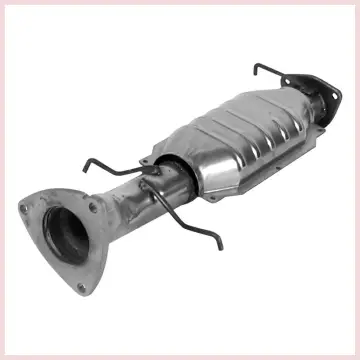
When I evaluate a catalytic converter, I look beyond the price tag. A replacement exhaust component needs to fit the vehicle correctly, help control harmful emissions, withstand high temperatures, and perform reliably over time.
Saving money at checkout means very little if the converter triggers a check-engine light, fails an emissions inspection, or needs replacing again after a relatively short period.
Davico is an aftermarket exhaust-component brand associated with replacement catalytic converters and other exhaust parts. Its products may appeal to drivers looking for alternatives to expensive original-equipment components.
However, I would not assume that every Davico converter offers the same results across different vehicles, model years, engine configurations, and emissions requirements.
My biggest concern when assessing a product with unfavorable customer feedback is separating an isolated complaint from a recurring problem.
One dissatisfied customer does not automatically establish that an entire brand is unreliable. At the same time, repeated complaints about fitment, premature failure, missing components, or emissions-related problems deserve serious consideration.
I would want to verify those patterns for the specific converter being considered rather than treating all customer reviews as equally representative.
Without verified, model-specific review data, I cannot responsibly claim that every Davico catalytic converter has a particular failure rate or that all the negative reports describe the same issue.
Pros Of Davico Catalytic Converters
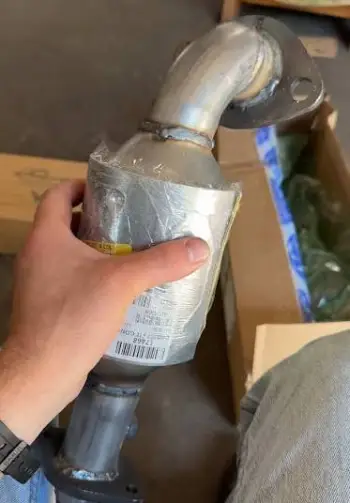
- Potentially Lower Purchase Cost
The most obvious attraction is the possibility of spending less than you would on an original-equipment replacement.
Catalytic converter replacement can be expensive because the component contains precious metals and may require substantial labor to remove and install. For an older vehicle with limited resale value, paying dealership prices may not make financial sense.
An aftermarket replacement can offer a practical way to repair the exhaust system without spending as much upfront. Davico may therefore attract budget-conscious drivers who want to keep an existing car on the road.
However, I would compare the complete repair cost rather than the price of the converter alone. If a less expensive part creates fitment difficulties or needs to be replaced prematurely, the initial savings can disappear quickly.
- Replacement Options for Different Vehicles
Davico offers catalytic converters for various automotive applications. Depending on the vehicle and part number, a buyer may find a replacement intended to connect with the existing exhaust system.
This can be useful when the original converter is damaged, clogged, or no longer functioning efficiently.
The key is verifying the exact application. I would never assume that two converters designed for similar vehicles are interchangeable simply because their engine sizes are identical.
Model year, engine configuration, emissions equipment, and exhaust layout can all influence compatibility. A part that fits one trim level may not fit another.
- Potentially Convenient Direct-Fit Designs
A direct-fit converter is intended to match the relevant factory connection points and installation layout. When the design is accurate, it can simplify installation compared with a universal converter that requires fabrication.
For a driver who wants to avoid unnecessary exhaust modifications, that is an important benefit.
However, the customer complaints about fitment discussed earlier show why the label alone is not enough. I would confirm the manufacturer’s application information and ask a qualified mechanic to inspect the component before installation.
A direct-fit design is an advantage only when the specific unit actually fits the vehicle correctly.
- Availability Through Automotive Parts Retailers
Davico products appear in automotive parts retail channels, making them an option that buyers may encounter while comparing replacement components.
Purchasing through a retailer can sometimes make it easier to review product specifications, check vehicle compatibility, and understand the seller’s return policy.
I would still distinguish between the manufacturer’s warranty and the retailer’s return policy. They are not necessarily identical, and the process for resolving a defective part may differ depending on where it was purchased.
Before ordering, I would save the listing details, confirm the part number, and obtain written clarification about return shipping and warranty coverage.
- A Possible Solution for Certain Older Vehicles
For an older vehicle that is no longer worth a major investment, a reasonably priced aftermarket converter may seem attractive.
I understand the reasoning. If the vehicle is used for short commutes or occasional errands, spending a large amount on a repair can be difficult to justify.
Even so, I would not automatically select the cheapest replacement. The converter must be suitable for the vehicle, comply with applicable emissions rules, and offer a reasonable prospect of lasting.
A slightly more expensive alternative with a better-documented application and stronger warranty may be the more economical choice over the life of the repair.
Cons Of Davico Catalytic Converters
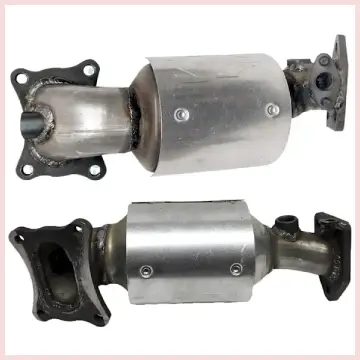
- Reported Fitment Problems
A converter that does not align properly can turn a routine repair into an expensive installation.
Pipe angles, flange positions, mounting brackets, and oxygen sensor bungs all need to match the intended application.
If they do not, a mechanic may have to spend additional time diagnosing the mismatch or correcting the installation.
I would be especially cautious if reviews for the exact part number repeatedly mention exhaust components hitting nearby vehicle parts or requiring substantial modifications.
- Questions About Long-Term Durability
Reports of internal substrate damage and premature failure are concerning because the converter is expected to tolerate substantial heat and exhaust flow.
A failed substrate may reduce exhaust flow, create rattling noises, or prevent the emissions system from operating correctly. The precise symptoms depend on the nature of the failure.
Not every reported problem proves a manufacturing defect, but I would want stronger evidence of durability before paying for a component that is expensive to install.
- Potentially Expensive Repeat Repairs
The price of a catalytic converter is only one part of the total repair bill.
You may also pay for diagnosis, removal of the original part, installation, replacement gaskets, hardware, and follow-up testing. If the new converter fails or proves incompatible, some of those costs may occur again.
That is why I would calculate the total expected cost rather than compare product prices in isolation.
- Uncertainty About Individual Part Quality
A brand-wide reputation does not tell me everything about an individual converter.
Different applications may use different designs, and reviews for one part number may not predict the experience with another. A converter that works well on one vehicle may not perform equally well on a different engine or emissions system.
This makes vehicle-specific reviews particularly important. If I found little credible information about the exact converter I needed, I would prefer an alternative with more clearly documented performance and compatibility.
- Warranty Limitations
A warranty can provide reassurance, but its conditions matter just as much as its duration.
Davico’s published US EPA catalytic-converter warranty form states that its covered converters are designed to meet applicable requirements for 25,000 miles. It also identifies exclusions involving physical damage, faulty engine management, and improper vehicle maintenance. Actual eligibility depends on the applicable warranty terms and circumstances.
That means I would read the current warranty carefully before buying. I would also confirm whether labor costs, diagnostic fees, and removal or reinstallation expenses are covered.
A warranty that covers only the component may provide less financial protection than a buyer expects.
- Emissions Compatibility Must Be Verified
A converter that physically fits the exhaust system is not necessarily legal or suitable for every vehicle and jurisdiction.
In the United States, certain states require specific California Air Resources Board (CARB)-compliant aftermarket converters. Federal or EPA-compliant options are not automatically acceptable in every location.
I would verify the applicable certification before ordering. This is especially important if the vehicle undergoes emissions inspections.
My conclusion on the drawbacks: Davico’s potential price advantage does not outweigh my concerns when fitment, durability, and warranty support are uncertain. I would compare better-documented alternatives before making a purchase.
Maintenance For Catalytic Converter
- Fix Engine Misfires Immediately
An engine misfire occurs when one or more cylinders fail to burn their air-fuel mixture properly.
Unburned fuel can enter the exhaust and ignite inside the catalytic converter, creating excessive heat. Repeated overheating can damage the converter’s internal substrate.
If your check-engine light flashes, the engine runs roughly, or acceleration suddenly deteriorates, avoid continuing to drive unnecessarily. A flashing check-engine light can indicate a serious misfire that risks damaging the emissions system.
Have a mechanic diagnose the cause before installing a replacement converter or continuing normal driving.
- Investigate Oil and Coolant Consumption
Oil or coolant entering the combustion chamber can contaminate the catalytic converter and interfere with its ability to process exhaust gases.
If your vehicle consumes unusual amounts of oil, produces persistent blue or white exhaust smoke, or repeatedly loses coolant, investigate the cause.
Replacing a converter without correcting the underlying engine problem can lead to another failure.
I would ask the mechanic to check for oil leaks, worn engine components, head-gasket problems, and other relevant faults before completing the repair.
- Use the Correct Fuel and Follow Engine-Service Recommendations
Use the fuel grade specified by the vehicle manufacturer and avoid unapproved additives that claim to repair every emissions problem.
Keep up with the recommended service schedule for spark plugs, ignition components, air filters, and other relevant systems. These components help the engine maintain proper combustion.
Maintenance requirements vary by vehicle, so I would follow the manufacturer’s instructions rather than adopt a universal replacement interval.
Good engine maintenance cannot guarantee that a catalytic converter will never fail, but it can reduce the risk of damage caused by preventable engine problems.
- Inspect the Exhaust System for Leaks
Exhaust leaks near the converter or oxygen sensors can interfere with emissions-system readings and complicate diagnosis.
Listen for unusual ticking, hissing, or exhaust noise, particularly during a cold start. Look for signs of corrosion, loose connections, damaged gaskets, or broken hangers.
Do not touch hot exhaust components or crawl under a vehicle supported only by a jack.
If you suspect a leak, have a qualified mechanic inspect the system. Correct installation and secure exhaust connections are important for both performance and safety.
- Avoid Striking the Converter Against Road Debris
Catalytic converters operate under the vehicle, where they can be exposed to road hazards.
A severe impact can damage the outer casing, internal substrate, or nearby exhaust connections. Repeated contact with speed bumps or rough road surfaces can also damage a poorly secured exhaust system.
Pay attention to new rattles, changes in ground clearance, or exhaust components that appear loose.
If you regularly drive on rough roads, ask your mechanic to inspect the exhaust hangers and mounting points. Do not assume that a rattle is harmless simply because the engine still runs.
- Address Check-Engine Codes Before Replacing Parts
A diagnostic trouble code indicating catalyst efficiency does not automatically prove that the converter itself is defective.
Problems with oxygen sensors, exhaust leaks, engine misfires, fuel mixture, and other components can contribute to emissions-related codes.
I would have the underlying fault diagnosed before buying another converter. A mechanic may need to inspect live sensor readings, check for exhaust leaks, and evaluate the engine’s operating condition.
This approach can prevent unnecessary purchases and reduce the chance of damaging a new part.
Comparison Of Davico Catalytic Converter With Other Brands
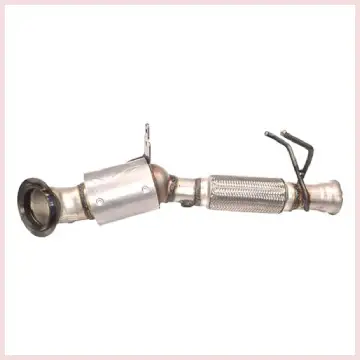
- Davico vs. Walker
Walker is a strong alternative to investigate if you want clearly differentiated replacement options.
Its product range includes Walker Ultra converters for applicable federal-emissions vehicles and Walker CalCat products designed for specified CARB requirements.
Compared with Davico, Walker is where I would start if I wanted to examine the available emissions specifications and vehicle application information before buying.
I would still verify the exact part number, since a well-known brand cannot guarantee that every converter is suitable for every vehicle. I would also compare warranty coverage and reviews for the particular application.
My preference: Walker would be one of my first alternatives to investigate when vehicle-specific compatibility and clearly identified emissions options are priorities.
- Davico vs. MagnaFlow
MagnaFlow is another established option worth comparing, particularly if you want detailed product-selection guidance and multiple converter grades for different applications. Its guidance distinguishes federal-emissions and CARB-related requirements.
I would consider MagnaFlow if the extra purchase cost is reasonable relative to the warranty, fitment information, and available evidence for the exact vehicle.
Some customer feedback for Davico specifically describes switching to MagnaFlow after problems with fitment or durability. Those are individual reports rather than independent laboratory comparisons, but they provide a reason to investigate the alternative.
I would not automatically assume that every MagnaFlow converter is superior or that it will last a particular number of years. Instead, I would compare the exact products and determine whether the additional cost buys meaningful benefits for my application.
My preference: MagnaFlow is worth considering when I want a well-documented alternative and am willing to pay more if the specifications and warranty justify it.
- Davico vs. Original-Equipment Replacement Parts
An original-equipment replacement from the vehicle manufacturer or an approved supplier may be an attractive choice when maintaining factory specifications is the priority.
The main drawback is cost. Depending on the vehicle, an original-equipment converter can be significantly more expensive than an aftermarket part.
However, I would not dismiss this option for a newer vehicle, a vehicle with a complicated emissions system, or one that must meet strict inspection requirements.
I would ask the dealer or parts supplier to confirm the exact application and warranty. I would then compare the complete installed cost with that of a compliant aftermarket converter.
My preference: Original-equipment replacement parts deserve serious consideration when precise compatibility is more important than minimizing the initial purchase price.
- Davico vs. Other Budget Aftermarket Converters
Other lower-priced aftermarket converters may look attractive when you are trying to reduce repair costs. But I would not assume a competing budget brand is automatically better simply because Davico has received negative feedback.
Instead, I would investigate each option independently.
Does the manufacturer provide clear application information? Is the emissions certification appropriate? Can I find reviews from owners of the same vehicle? Is the warranty understandable? Does the seller offer a reasonable return process?
If a cheaper alternative cannot answer those questions, I would not consider it a meaningful upgrade.
My preference: I would choose the budget converter with the strongest evidence for compatibility and durability, not the lowest price or most persuasive advertisement.
Frequently Asked Questions (FAQ)
Davico offers replacement catalytic converters, and some customers report satisfactory results. However, negative reviews raise concerns about fitment and durability. I would compare the specific part with better-documented alternatives before buying.
There is no single best brand for every vehicle. Walker and MagnaFlow are two options I would investigate, alongside original-equipment replacements. The best choice depends on vehicle compatibility, emissions certification, warranty coverage, and budget.
Some affordable aftermarket converters can work well when properly designed, certified, and matched to the vehicle. However, a low price alone does not establish quality. Check fitment, warranty terms, and model-specific customer feedback before purchasing.
How long will a cheap catalytic converter last?
There is no reliable lifespan that applies to every inexpensive converter. Longevity depends on construction quality, installation, engine condition, driving conditions, and maintenance. A properly selected converter may last for years, while a defective or overheated one may fail much sooner.
Final Verdict
I would not recommend Davico as my first choice without stronger evidence of dependable fitment and long-term durability for the exact vehicle.
Although some buyers report positive experiences, the negative reports about installation difficulties and premature failures make me cautious.
I would compare Walker, MagnaFlow, and suitable original-equipment replacements before deciding.
Paying more upfront can be worthwhile if it provides better compatibility, clear emissions compliance, and stronger warranty protection.
Recent Posts
Stanley AeroLight Transit Bottle Review: Is It Worth Buying?
If you want a lightweight, durable bottle that keeps your drinks cold without weighing down your bag, the Stanley AeroLight Transit Bottle deserves a closer look.I like the idea of combining...
Sumatra Slim Belly Reviews: Does It Really Help With Weight Loss?
After looking at the concerns surrounding Sumatra Slim Belly, I would not recommend buying it without strong evidence of its effectiveness, transparent ingredient information, and reliable customer...