
I would consider David’s Sensitive & Whitening Toothpaste if I wanted a toothpaste that helps manage tooth sensitivity while gradually removing surface stains.
Its fluoride-free formula, minty flavor, and focus on everyday oral care may appeal to people looking for an alternative to conventional toothpaste.
However, whitening results and sensitivity relief can vary, and protecting enamel should remain a priority.
If you prefer a naturally positioned toothpaste and understand its limitations, David’s is worth considering, but I would compare its ingredients carefully before making it my daily choice.
My First Experience With David’s Sensitive & Whitening Toothpaste
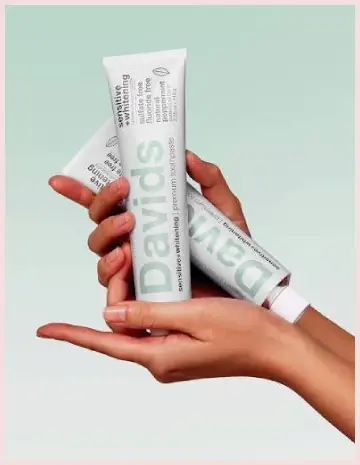
When I evaluate a toothpaste like David’s Sensitive & Whitening, I look beyond the packaging.
I want to know whether it feels comfortable on sensitive teeth, leaves my mouth fresh, helps keep stains under control, and fits easily into my morning and nighttime routines.
The first thing I would pay attention to is the brushing experience. A toothpaste designed for sensitive teeth should feel comfortable rather than leave me wincing when I brush near the gumline.
If cold water, sweet foods, or temperature changes regularly trigger discomfort, I would want a formula that addresses the cause of that sensitivity rather than simply providing a pleasant minty sensation.
David’s has built its identity around a more ingredient-conscious approach to oral care. That can be attractive if you prefer straightforward formulations and want to avoid certain ingredients found in conventional toothpaste.
Still, I would not automatically equate a naturally positioned product with better protection. The specific ingredients matter much more than the marketing language.
Whitening is another important consideration. I would expect a toothpaste to help remove some external stains caused by coffee, tea, and everyday eating habits.
However, I would not expect it to dramatically change the natural color of my teeth. Toothpaste generally works on surface discoloration, while deeper stains may require a different treatment.
I would also consider the taste and texture. A pleasant mint flavor can make brushing more enjoyable, but a toothpaste should rinse cleanly without leaving an unpleasant residue. If the texture feels unusual at first, that alone would not determine whether the product is effective.
One important distinction is that I would not claim personal clinical results without actually testing the product. My assessment focuses on the product’s intended benefits, ingredient considerations, and how it may fit different oral-care needs.
Overall, David’s Sensitive & Whitening Toothpaste may appeal to people who value a simpler-feeling brushing routine. However, if I experienced persistent sensitivity, I would prioritize a toothpaste with proven desensitizing ingredients and appropriate cavity protection over flavor, packaging, or whitening claims.
Pros Of David’s Sensitive & Whitening Toothpaste
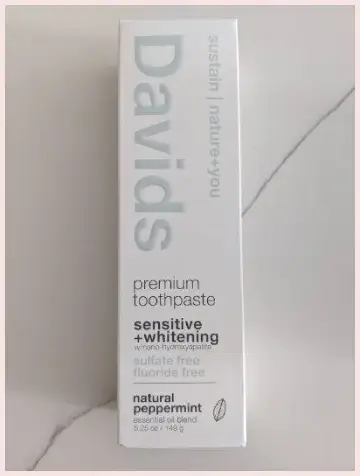
- It Combines Two Common Oral-Care Goals
One of the biggest attractions is the idea of addressing sensitivity and whitening in the same routine.
Many people want their teeth to look brighter but do not want the discomfort that can accompany certain whitening products.
I appreciate the convenience of a product designed with both concerns in mind. Rather than buying separate products immediately, I could evaluate whether one toothpaste meets my everyday needs.
Still, I would separate convenience from effectiveness. The label’s ingredient list and the results I experience over time matter more than the number of benefits advertised on the package.
- It May Appeal to Ingredient-Conscious Shoppers
Some shoppers pay close attention to ingredients such as artificial colors, strong foaming agents, and other additives.
David’s brand positioning may appeal to people who prefer a more ingredient-conscious approach.
If that sounds like you, I would examine the complete ingredient list and determine whether the formula matches your preferences. I would not assume that every ingredient is unnecessary simply because another toothpaste contains it, though.
For example, foaming agents can help spread toothpaste throughout the mouth, but a toothpaste does not have to create a large amount of foam to clean effectively. The brushing technique, active ingredients, and consistency of use are more important.
- It Can Support a Consistent Brushing Routine
The best oral-care product is one you use correctly and consistently. A toothpaste with a flavor and texture you enjoy may make it easier to maintain a twice-daily brushing habit.
I would look for a mint flavor that leaves my mouth feeling clean without causing irritation. If I dislike a toothpaste’s taste, I may be less enthusiastic about using it every morning and night.
That said, a pleasant brushing experience does not replace cavity protection. I would make sure my overall oral-care routine meets my dental needs rather than choosing a product based on taste alone.
- It May Help Reduce Everyday Surface Stains
If my teeth look dull because of coffee, tea, or food stains, a suitable whitening toothpaste could help restore a cleaner appearance.
I would judge the result by whether my teeth look less stained over several weeks, rather than expecting a dramatic transformation after two or three uses. Surface-stain removal is usually gradual.
I would also remember that the natural shade of my teeth varies from person to person. Even with good brushing habits, my teeth may not become as white as someone else’s, and that does not necessarily mean the toothpaste is failing.
- It May Suit People Seeking an Alternative to Conventional Toothpaste
David’s fluoride-free positioning gives shoppers another option when comparing oral-care products. For someone who prefers a toothpaste centered on alternative enamel-support ingredients, that may be appealing.
However, I would make this choice carefully. If I were prone to cavities, had exposed root surfaces, or had been advised to use prescription-strength fluoride, I would consult my dentist before switching away from a fluoride-containing toothpaste.
The right product should reflect my dental history, not just my ingredient preferences.
Cons Of David’s Sensitive & Whitening Toothpaste
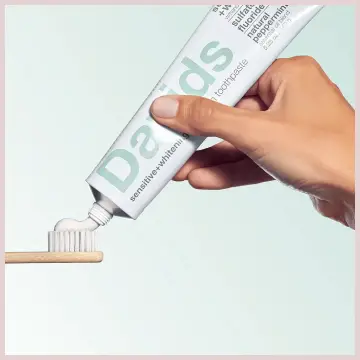
- Fluoride-Free Formulation May Not Suit Everyone
My biggest concern would be cavity prevention. Fluoride helps strengthen enamel and reduce the risk of tooth decay, making it particularly valuable for people who are cavity-prone.
A fluoride-free toothpaste may suit some personal preferences, but I would not assume that it offers the same level of established cavity protection as a comparable fluoride toothpaste.
If I had frequent cavities, gum recession, or other risk factors, I would ask my dentist whether a fluoride-containing alternative would be a better choice.
- Results May Be Limited
A whitening toothpaste may remove surface stains without significantly changing the underlying shade of my teeth.
That means I might see a cleaner appearance but remain disappointed if I expect a noticeably whiter smile. Deep discoloration, certain medication-related stains, and changes in tooth color associated with aging may require professional evaluation.
I would also avoid using extra toothpaste or brushing harder in an attempt to speed up whitening.
- Sensitivity Relief May Take Time
No toothpaste can guarantee immediate relief for every person. The results depend on the cause of sensitivity, the active ingredients, and how consistently the product is used.
If cold drinks continue to cause discomfort after I switch toothpaste, I would not assume I simply need to wait longer. Persistent or worsening sensitivity deserves a dental examination.
- The Price May Be Higher Than Basic Alternatives
Specialty toothpastes can cost more than standard options. If David’s carries a premium price in my area, I would compare the cost per ounce or gram with other sensitivity toothpastes.
A higher price does not automatically mean better protection. I would rather buy a product with suitable active ingredients and reliable cavity prevention than pay extra for a formulation that does not address my main concern.
- It May Not Be Suitable for Every Dental Problem
Sensitivity caused by a cavity, cracked tooth, damaged filling, or gum disease may require treatment beyond changing toothpaste.
I would not use David’s—or any other toothpaste—as a substitute for a dentist’s assessment if I experienced persistent pain, swelling, bleeding gums, or sensitivity concentrated in one tooth.
Maintenance Tips For David’s Sensitive & Whitening Toothpaste
- Brush Twice Daily With a Soft-Bristled Toothbrush
I would brush in the morning and before bed using a soft-bristled toothbrush. Gentle, controlled movements help clean the tooth surfaces without unnecessary pressure on my gums.
I would pay particular attention to the gumline, where plaque can accumulate. Rather than scrubbing back and forth aggressively, I would use small, gentle movements and make sure I reach the front, back, and chewing surfaces of every tooth.
I would also replace my toothbrush when its bristles become frayed or according to the manufacturer’s recommendations. Worn bristles can make brushing less effective.
- Use the Recommended Amount of Toothpaste
I would follow the product label’s directions instead of assuming that using more toothpaste will produce faster whitening or sensitivity relief.
The amount, brushing duration, and rinsing instructions should be appropriate for the product and the person using it. For adults, brushing for about two minutes twice daily is a useful general guideline.
If I switched to a fluoride-free toothpaste, I would not compensate by using excessive amounts. The more important question would be whether the formula provides the cavity protection I need.
- Avoid Brushing Too Hard
This is especially important when sensitivity is already a problem. Pressing harder can irritate the gumline and contribute to abrasion, potentially making exposed areas more uncomfortable.
I would hold the toothbrush comfortably and let the bristles do the work. An electric toothbrush with a pressure sensor could also help me recognize when I am applying too much force.
If my teeth remain sensitive, I would not automatically blame my toothpaste. Brushing pressure, gum recession, recent dental procedures, and other issues could all play a role.
- Keep Coffee, Tea, and Other Staining Habits in Mind
Coffee, tea, red wine, and certain foods can contribute to surface stains. I would not necessarily eliminate my favorite drinks, but I would pay attention to how frequently I consume them.
Drinking water after a staining beverage can help rinse away some residue. I would also avoid brushing immediately after consuming acidic drinks or foods; waiting around 30–60 minutes allows saliva to help neutralize acids and supports enamel recovery.
A whitening toothpaste can be part of the routine, but everyday habits influence how quickly stains return.
- Floss Every Day
Toothpaste cannot adequately clean the tight spaces between teeth by itself. I would floss daily or use an appropriate interdental cleaner to remove plaque and food particles between neighboring teeth.
I would guide the floss gently along each tooth rather than snapping it against the gums. With practice, this becomes a quick habit instead of an extra chore.
If I noticed bleeding that persisted despite gentle cleaning, I would arrange a dental checkup.
- Store the Toothpaste Properly
I would keep the cap clean, close the tube after use, and store it in a dry location away from excessive heat. This helps keep the product in good condition and prevents unnecessary mess around the sink.
I would also check the packaging for storage instructions and the expiration date. If the texture, smell, or appearance changed unexpectedly, I would stop using it until I could determine whether it remained suitable.
Comparison of David’s Sensitive & Whitening Toothpaste With Other Brands
- David’s vs. Sensodyne
Sensodyne is a well-known option for people who experience tooth sensitivity.
Depending on the specific product, it may contain potassium nitrate or stannous fluoride to help manage sensitivity, with fluoride-containing formulas also providing cavity protection.
David’s may appeal more to shoppers who prefer a fluoride-free formula and are interested in alternative enamel-support ingredients.
Sensodyne would be a strong starting point for someone prioritizing sensitivity relief and established cavity protection.
If my teeth frequently hurt when I drink cold water, I would compare the active ingredients rather than choose based on whitening claims alone. I would also consider whether my dentist recommends fluoride.
- David’s vs. Colgate Sensitive Toothpaste
Colgate offers several toothpaste formulations designed for sensitivity, whitening, and cavity prevention. The precise benefits depend on the product selected, so I would examine the label before comparing it with David’s.
David’s may stand out to shoppers who prefer a different ingredient profile. Colgate may be more appealing to someone seeking a conventional toothpaste with fluoride and sensitivity-specific ingredients.
For me, the deciding factor would be whether the product addresses both my sensitivity and cavity risk. A toothpaste that leaves my teeth feeling clean but does not provide the protection I need would not be my first choice.
- David’s vs. Crest Whitening Toothpaste
Crest offers whitening toothpastes designed to help remove surface stains, and certain products also provide sensitivity or cavity-protection benefits.
David’s focuses on combining whitening with a sensitivity-conscious approach. However, I would not assume that either product will whiten teeth more effectively without comparing the exact formulas.
If coffee stains were my primary concern, I would look at the whitening ingredients and product directions. If sensitivity were more troublesome, I would prioritize a formula with an appropriate desensitizing ingredient and consider its fluoride content.
I would also avoid aggressive brushing with either product. A brighter smile is not worth irritating my gums or damaging my enamel.
- David’s vs. Tom’s of Maine
Tom’s of Maine offers toothpaste products with different ingredient combinations, including options formulated with fluoride and others without it.
This makes the comparison particularly relevant for people who prefer ingredient-conscious oral care. Both brands offer choices that may appeal to shoppers who pay close attention to formulation and flavor.
I would compare the specific David’s and Tom’s products rather than assume their ingredients or performance are identical. Their cavity-protection benefits, sensitivity ingredients, and whitening approaches can differ by formula.
If I wanted a toothpaste that fit my ingredient preferences, either brand might deserve consideration. However, I would still make sure my final choice adequately addresses my oral-health needs.
- David’s vs. Arm & Hammer
Arm & Hammer toothpastes often use baking soda as a cleaning ingredient, and different formulas offer varying combinations of whitening, sensitivity relief, and cavity protection.
David’s may appeal to someone looking for an alternative ingredient profile, while Arm & Hammer could be attractive to shoppers who prefer baking-soda-based cleaning.
I would compare the specific formulas for active ingredients, abrasivity, and cavity protection. Baking soda is not inherently a guarantee of superior whitening, just as a fluoride-free formulation is not automatically gentler.
For my decision, the ideal toothpaste would clean effectively without causing discomfort and would provide appropriate protection against cavities.
Which Brand Would I Choose?
If I were choosing between these brands, I would begin with my biggest concern.
For sensitivity and cavity protection, I would look closely at an appropriate fluoride-containing Sensodyne or Colgate formula. For surface-stain removal, I would compare the whitening ingredients in David’s, Crest, and other suitable products. For ingredient preferences, I would examine the exact formulas from David’s and Tom’s of Maine.
David’s Sensitive & Whitening Toothpaste could be worth considering, but I would not automatically rank it above established alternatives. The right decision comes down to ingredients, individual tolerance, dental needs, and price.
Also Read: Is Hello Antiplaque & Whitening Toothpaste Worth It?
Frequently Asked Questions (FAQ)
It may help remove surface stains, and its sensitivity benefits depend on the specific formula. Results vary, so check the active ingredients and cavity-protection claims.
A product specifically formulated for both concerns, such as an appropriate Sensodyne or Colgate option, may be a good starting point. Choose based on active ingredients and cavity protection.
Shoppers may appreciate its minty flavor and ingredient-focused positioning. Individual opinions about taste, texture, whitening, and value can differ.
The best choice depends on your needs. Consider Sensitive & Whitening for those combined goals, but compare its ingredients with other David’s formulas before deciding.
Final Verdict
I would consider David’s Sensitive & Whitening Toothpaste if I wanted a fluoride-free option that combines a whitening focus with sensitivity-conscious ingredients. Its appeal depends on the exact formula and my expectations.
Before buying, I would verify the active ingredients, consider my cavity risk, and compare it with established sensitivity toothpastes. If I had persistent discomfort or frequent cavities, I would consult my dentist first. For shoppers who value ingredient choice and realistic surface-stain removal, David’s may be worth considering.
Recent Posts
● Interactive 5-Zone Interior & Exterior Paint Blueprint Paint Coverage Calculator: Gallons, Primer, Square Footage & Cost Tap any architectural surface zone on the blueprint...
If you want smooth, shiny hair without spending a fortune on a premium styling tool, the Ella Bella hair dryer may be worth considering.In these Ella Bella hair dryer reviews, I’ll look...