
If you want a fully automatic espresso machine that makes great coffee every morning without spending thousands, you should compare the DeLonghi Magnifica Evo and Philips 3200 LatteGo right now. Both deliver fresh espresso, cappuccino, and latte at the touch of a button with built-in grinders and milk systems—once you taste the difference in crema, convenience, and daily reliability, you’ll know exactly which one fits your kitchen and your coffee habits better.
A Brief Comparison Table DeLonghi Magnifica Evo Vs Philips 3200
| Feature | DeLonghi Magnifica Evo | Philips 3200 LatteGo |
|---|---|---|
| Milk System | Traditional steam wand or carafe | LatteGo milk system (no tubes) |
| Grinder | Stainless steel conical burr | Ceramic grinder |
| Drinks | Espresso, coffee, cappuccino, latte | Espresso, coffee, cappuccino, latte macchiato |
| Customizable Strength | 3 levels | 5 levels |
| Water Tank | 1.8 L | 1.8 L |
| Build Quality | Solid plastic with metal accents | Modern plastic with clean design |
| Price Range (2026) | Usually slightly higher | Usually more affordable |
| Best For | Traditional espresso lovers | Users who want easy milk frothing |
My Experience With DeLonghi Magnifica Evo Vs Philips 3200
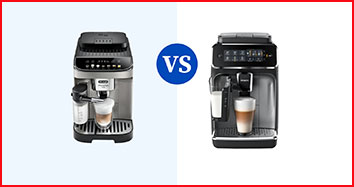
I bought the DeLonghi Magnifica Evo first because I wanted a machine that could make proper Italian-style espresso with good crema. Setup was straightforward—fill the water tank, add beans, run the initial rinse cycle.
The first espresso had a nice thick crema and balanced flavor. The grinder is quiet enough for early mornings, and the machine heats up quickly. I liked the classic look and the way it felt solid on the counter.
After a few weeks, I added the Philips 3200 LatteGo to compare side by side. The biggest difference hit me with the milk system. The LatteGo has no tubes to clean—just pour milk into the pitcher, attach it, and press a button.
It froths milk perfectly for cappuccinos and lattes with almost no mess. The DeLonghi requires more cleaning of the wand or carafe, which became a chore after a while.
Taste-wise, both make good coffee. The DeLonghi feels a bit more traditional—stronger espresso with slightly richer body. The Philips is smoother and easier for milk-based drinks.
The Philips app is more user-friendly for adjusting strength and temperature, while the DeLonghi has physical buttons that feel more direct. Both machines are reliable, but the Philips wins for daily convenience because cleaning takes seconds instead of minutes.
After using both for months, I keep the Philips 3200 as my everyday machine because the LatteGo system is so much easier. The DeLonghi stays for when I want a more classic espresso shot. If you drink mostly black coffee or espresso, the DeLonghi feels more authentic. If you love cappuccinos and lattes, the Philips is the clear winner. Both are solid choices—just pick based on how much milk you use and how much cleaning you’re willing to do.
Read More: My Experience with Blendtec 800 Vs. 885
Pros Of DeLonghi Magnifica Evo
- Authentic Espresso Flavor: Produces rich, balanced espresso with good crema. The stainless steel grinder delivers consistent grind size for traditional Italian-style coffee.
- Solid Build And Reliable Performance: Sturdy construction with metal accents feels premium. Heats up quickly and maintains temperature well during multiple drinks.
- Customizable Drink Options: Easy to adjust strength and volume. Good for both black coffee and milk-based drinks with the steam wand or carafe.
- Quiet Grinder Operation: Conical burr grinder is relatively quiet for an automatic machine—suitable for early morning use without waking the house.
- Large Water Tank: 1.8 L tank means fewer refills during busy mornings. Convenient for families or multiple cups.
- Classic Design: Timeless look that fits well in most kitchens. Simple buttons are intuitive even for non-tech users.
- Good Value For Traditionalists: Offers reliable espresso performance at a reasonable price compared to higher-end machines.
- Easy Maintenance Routine: Descale and clean cycles are straightforward with clear reminders on the display.
Pros Of Philips 3200 LatteGo
- Extremely Easy Milk System: LatteGo pitcher has no tubes—pour milk, attach, and froth perfect foam in seconds. Cleaning takes almost no time.
- Smooth And Consistent Coffee: Ceramic grinder produces even grinds for smooth espresso and coffee. 5 strength levels allow fine tuning to your taste.
- Modern, Clean Design: Sleek look with intuitive touch buttons. Fits nicely on kitchen counters without looking bulky.
- Fast Heat-Up Time: Ready to brew in under a minute—great for busy mornings when you want coffee quickly.
- User-Friendly App And Controls: App makes adjusting settings simple. Physical buttons are responsive and easy to understand.
- Quiet Daily Operation: Runs quietly during grinding and brewing—pleasant for apartment living or early starts.
- Good Build Quality For Price: Solid plastic construction feels durable. Reliable performance over many months of daily use.
- Excellent For Milk-Based Drinks: Makes cappuccinos and lattes with rich, stable foam that holds up well in the cup.
Cons Of DeLonghi Magnifica Evo
- Milk System Requires More Cleaning: Traditional wand or carafe needs regular rinsing and descaling—more time-consuming than tube-free systems.
- Takes Time To Master Milk Frothing: Getting consistently good microfoam from the manual wand requires real practice — beginners often produce bubbly, uneven foam for the first several weeks of use.
- Limited Automatic Drink Customization: Compared to newer smart machines, the Magnifica Evo’s customization options feel somewhat limited for users who want precise automated control over every variable in their drink.
- Slightly Slower Heat-Up: Takes a few seconds longer to reach brewing temperature compared to some competitors.
- Fewer Strength Levels: Only 3 strength settings—less fine control than machines with 5 levels.
- Basic Display: Simple icons and text—functional but not as modern or informative as newer interfaces.
- Louder Grinder On Some Beans: Can be noisier with harder beans compared to ceramic grinders.
Cons Of Philips 3200 LatteGo
- Plastic Construction Feels Less Premium: Mostly plastic body—solid but not as hefty or luxurious as metal-accented machines.
- Replacement Parts Can Be Harder To Find: Compared to DeLonghi’s widely stocked accessories, some Philips-specific replacement components require ordering directly from the manufacturer or specialist retailers, which adds inconvenience.
- No True Ristretto Setting: The Philips 3200 doesn’t have a dedicated ristretto button, and replicating a true short-pull ristretto through the settings requires manual workarounds that undermine the machine’s otherwise seamless automation.
- Ceramic Grinder Can Be Slower: Takes slightly longer to grind compared to stainless steel burrs on some days.
- Limited Espresso Strength: Good for daily use but may not satisfy those who want very strong, traditional espresso shots.
- App Can Feel Basic: Useful but not as feature-rich as higher-end models for advanced customization.
- Milk Pitcher Capacity: Smaller pitcher means refilling for multiple drinks in one session.
Maintenance Tips For DeLonghi Magnifica Evo
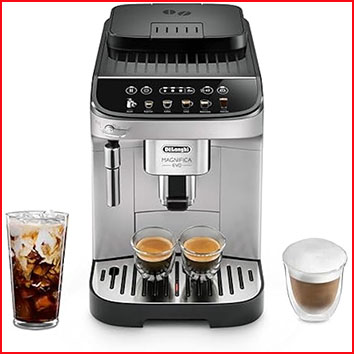
- Descale Every 200 Cycles Or As Prompted: Use DeLonghi’s official descaler and follow the machine’s descaling program precisely — skipping or delaying descaling noticeably affects flavor and heating performance over time.
- Clean The Brew Group Weekly: Remove and rinse the brew group under warm running water every week — this single habit prevents coffee oil buildup that causes bitterness and mechanical resistance.
- Wipe The Steam Wand Immediately After Use: Don’t wait — wipe the Pannarello wand with a damp cloth right after steaming milk every single time to prevent dried milk from hardening around the nozzle.
- Empty The Drip Tray Daily: A full drip tray creates overflow mess and can introduce bacteria. Emptying and rinsing it daily takes thirty seconds and prevents a much larger cleanup problem later.
- Use Filtered Water Where Possible: Hard water accelerates scale buildup inside the boiler and pipes. Using filtered or softened water meaningfully reduces how often you need to run the descaling program.
Maintenance Tips For Philips 3200 LatteGo
- Rinse LatteGo Pitcher After Every Use: Quick rinse with warm water—prevents milk residue from drying and sticking.
- Run Descale Cycle Every 1–2 Months: Use Philips descaling solution as recommended—keeps the machine running smoothly and prevents scale buildup.
- Check And Clean The Drip Tray Weekly: The drip tray on the 3200 fills up faster than users expect — pull it out weekly, rinse it thoroughly, and check the float indicator to avoid unexpected overflow situations.
- Use Philips-Recommended Descaler Only: Using third-party descalers can void your warranty and may not fully dissolve the type of limescale that builds up inside Philips boiler systems — stick to the official product for safety.
- Clean Brewing Unit Weekly: Remove and rinse the brewing unit under water—removes coffee oils and keeps extraction consistent.
- Empty Drip Tray Regularly: Prevent overflow and unpleasant smells by emptying when full.
- Use Fresh Beans: Grind quality beans for best taste—stale beans can affect flavor and machine performance.
- Wipe Exterior Daily: Quick wipe keeps the machine looking clean and prevents coffee stains from building up.
- Update Firmware When Prompted: Occasional updates improve performance and fix minor bugs.
- Store In Dry Place: Keep away from moisture when not in use to protect internal components.
Comparison With Other Brands
Versus DeLonghi Magnifica S: DeLonghi Magnifica S is a similar automatic machine with good espresso quality. Philips 3200 LatteGo wins for easier milk system; DeLonghi wins for more traditional espresso taste.
Versus Breville Barista Express: Breville is a semi-automatic machine with manual control. Philips 3200 is fully automatic and easier for daily use—Breville wins for hands-on espresso experience; Philips for convenience.
Versus Gaggia Anima: Gaggia offers strong Italian-style espresso. Philips 3200 is simpler with better milk frothing—Gaggia wins for espresso purists; Philips for everyday milk drinks.
Versus Nespresso Vertuo: Nespresso is capsule-based for speed and variety. Philips 3200 uses fresh beans for better taste—Nespresso wins for convenience; Philips for fresher coffee flavor.
Versus Jura ENA 4: Jura is a premium fully automatic machine. Philips 3200 offers similar convenience at a much lower price—Jura wins for luxury build; Philips for value and ease.
Also Read: My thoughts on Fellow Corvo Vs Stagg EKG
Frequently Asked Questions (FAQ)
Philips 3200 is better for easy milk drinks and simple cleaning. DeLonghi is better for traditional espresso lovers who don’t mind more maintenance.
Yes—excellent value. Easy milk system, good coffee quality, and low maintenance make it worth the price for daily use.
No single best brand. Philips excels in convenience, DeLonghi in traditional taste, Jura in premium features. Depends on your priorities.
Milk system cleaning can be time-consuming, occasional scale buildup if not descaled regularly, and louder grinder with some beans.
Conclusion
Both the DeLonghi Magnifica Evo and Philips 3200 LatteGo are strong fully automatic espresso machines that make good coffee at home. The Philips wins for effortless milk drinks and easy cleaning, while the DeLonghi feels more traditional for straight espresso. Choose the Philips if you love cappuccinos and want simplicity. Choose the DeLonghi if you prefer classic espresso taste and don’t mind a bit more maintenance. Either way, you’ll enjoy fresh coffee every morning without the café price.
Recent Posts
● Interactive 5-Zone Interior & Exterior Paint Blueprint Paint Coverage Calculator: Gallons, Primer, Square Footage & Cost Tap any architectural surface zone on the blueprint...
If you want smooth, shiny hair without spending a fortune on a premium styling tool, the Ella Bella hair dryer may be worth considering.In these Ella Bella hair dryer reviews, I’ll look...