
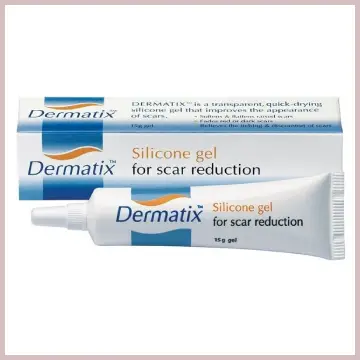
If you want to reduce the appearance of scars without relying on complicated skincare routines, Dermatix Scar Reduction Silicone Gel is worth considering.
I like the idea of a lightweight silicone gel that fits easily into daily life, especially when dealing with surgical scars, acne marks, or minor injury scars. However, results depend on the type, age, and severity of your scar.
If you’re looking for a convenient, non-invasive scar treatment and are willing to use it consistently, Dermatix may be a practical option to consider.
My First Experience With Dermatix Scar Reduction Silicone Gel
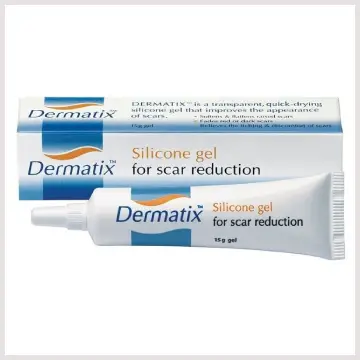
When I evaluate a scar treatment, I look beyond its promises. I want to know whether it is easy to apply, comfortable on the skin, and realistic about the results it can deliver.
Dermatix Scar Reduction Silicone Gel stands out because it uses silicone, an ingredient commonly recommended for managing raised scars.
One thing I appreciate about silicone gel products is their straightforward application.
Instead of covering a scar with a thick ointment or complicated dressing, you apply a thin layer over clean, dry skin and allow it to dry. Once dry, the gel forms a thin protective film over the treated area.
I would consider this especially useful if you have a visible scar on your face, neck, arms, or hands.
These areas can be difficult to manage with bulky dressings, and a lightweight gel may fit more comfortably into your routine.
However, I want to make one important distinction: this is an evidence-informed product assessment, not a claim that I personally tested Dermatix or experienced particular results. Individual outcomes vary, and a realistic review should separate the product’s intended benefits from results that cannot be guaranteed.
Dermatix is designed to be applied in a thin layer. Silicone gels generally dry into a transparent film, making them convenient for people who prefer a less noticeable scar treatment.
I would start with a very small amount rather than applying a thick coating. Using too much can increase drying time and leave residue on the skin. The goal is to cover the scar evenly without creating an unnecessarily heavy layer.
Another advantage is that a properly dried silicone gel may be easier to incorporate into a daytime routine. You can apply it before other compatible skincare products, provided you allow it to dry fully and follow the product instructions.
Pros Of Dermatix Scar Reduction Silicone Gel
- Convenient Daily Application
One of the biggest advantages of Dermatix is its relatively simple application process. You do not need an elaborate treatment routine or specialized equipment.
I would find this particularly useful when treating a scar on an exposed area, such as the cheek, forearm, or neck. Applying a thin layer takes little time, and the gel can fit into a morning or evening routine.
Convenience matters because scar treatment requires consistency. A product that is easy to use may be easier to maintain over the recommended treatment period.
- Suitable for Many Raised Scars
Silicone gel is widely used for managing raised scars. If a scar feels thick, firm, or elevated above the surrounding skin, Dermatix may be a reasonable option to discuss with a healthcare professional.
With consistent use, silicone treatment may help improve scar softness, height, and associated itching or discomfort. The degree of improvement depends on factors such as scar maturity, location, and individual healing patterns.
I would consider this one of the product’s strongest potential benefits, particularly for people managing hypertrophic scars.
- Lightweight and Discreet
A silicone gel can be more convenient than a bulky dressing, especially when the scar is in a visible location.
Once properly dried, the film is generally designed to be relatively discreet. That makes it easier to incorporate scar care into everyday activities without feeling that you must constantly cover the area.
However, drying time and residue can vary depending on how much product you use. Applying a thin layer is usually the better approach.
- Non-Invasive Treatment
Not everyone wants to begin scar treatment with injections, laser procedures, or surgery. Dermatix offers a topical option that can be used at home when appropriate.
I appreciate having a conservative option to consider before pursuing more involved treatments. For suitable scars, silicone gel may provide gradual improvement without requiring a clinic visit for every application.
Still, non-invasive does not mean universally effective. Some scars, particularly persistent keloids, may need specialist treatment.
- May Help Reduce Itching and Tightness
Raised scars can sometimes feel itchy, tight, or uncomfortable. Silicone treatment may help improve these symptoms as the scar matures.
This benefit is important because scar management is not only about appearance. A scar that feels softer and less irritating can be more comfortable during daily activities.
I would monitor both the visible appearance of the scar and how it feels over time rather than judging success by color alone.
- Can Fit Into a Simple Skincare Routine
Dermatix does not necessarily require you to replace your entire skincare routine. It can often be incorporated into basic skin care, provided you apply it to clean, dry skin and let it dry completely.
For facial scars, I would keep the surrounding routine gentle. Avoid layering multiple irritating active ingredients directly over a healing area, and use sun protection when the scar is exposed to daylight.
The fewer unnecessary steps you introduce, the easier it may be to maintain consistent treatment.
Cons Of Dermatix Scar Reduction Silicone Gel
- Results Are Not Immediate
The biggest drawback is the time required to evaluate results. A few applications are unlikely to make a substantial difference to an established scar.
You may need several weeks or months of consistent treatment, depending on the scar and the product’s directions.
If you want an instant cosmetic change, Dermatix may disappoint you. I would approach it as a gradual scar-management treatment rather than a quick fix.
- It Cannot Remove Every Type of Scar
Different scars have different underlying structures. Raised scars may respond to silicone, but deep acne depressions, contracture scars, and other complex scars often need different treatments.
A topical gel cannot reliably restore missing tissue or erase a mature scar.
This is why I would identify the type of scar before spending money on a treatment. If the scar is indented, painful, rapidly growing, or restricting movement, a dermatologist or other qualified clinician can help determine the appropriate option.
- The Cost May Be a Concern
Specialized silicone scar gels can cost more than basic moisturizers or petroleum jelly. Because scar treatment may continue for months, the total expense can add up.
I would compare the package size, recommended application frequency, and expected treatment duration before purchasing.
A more expensive product is not automatically more effective than every alternative silicone gel. The important factors include appropriate formulation, consistent use, and whether the treatment matches your scar.
- Skin Irritation Is Possible
Although silicone gels are generally well tolerated, irritation can still occur. Some people may experience redness, itching, or discomfort.
If you notice a persistent reaction, stop using the product and seek advice from a healthcare professional. Avoid applying it to open wounds, infected skin, or areas that have not fully healed.
If you have sensitive skin, check the product label and follow its instructions carefully.
- Application Requires Patience
Applying too much gel can leave a sticky surface or interfere with other skincare products. You also need to allow the layer to dry before covering it with clothing or applying compatible products.
This may feel inconvenient if you are rushing through your morning routine.
I would rather use a thin, even layer correctly than apply a large amount in the hope of speeding up the results.
- Established Keloids May Need More Than Gel
Keloids can extend beyond the original wound and may continue growing. Silicone gel may be used as part of their management, but it is not a guaranteed stand-alone solution.
For persistent or enlarging keloids, dermatologists may recommend treatments such as corticosteroid injections, laser treatment, or carefully selected combinations of therapies.
If a scar keeps growing or returns after treatment, professional assessment is more useful than repeatedly switching between over-the-counter gels.
Maintenance Tips For Dermatix Scar Reduction Silicone Gel
- Start Only After the Wound Has Healed
This is the most important rule.
Do not apply Dermatix to an open wound, fresh incision, scabbed injury, or actively infected area. Silicone scar products are generally intended for use after the skin surface has completely healed.
If you have recently had surgery, follow your surgeon’s advice about when to begin. Starting too early may irritate the wound or interfere with appropriate wound care.
Once the skin is fully closed, you can follow the product instructions for scar treatment.
- Clean and Dry the Area First
Before applying Dermatix, gently clean the scar and the surrounding skin. Pat the area dry with a clean towel.
Moisture, sweat, or leftover skincare products may interfere with the gel’s ability to form an even film.
I would avoid harsh scrubbing, strong exfoliants, and aggressive rubbing. Scar tissue can be sensitive, and irritating it will not make it heal faster.
- Apply a Thin, Even Layer
Use a small amount of gel and spread it gently across the scar. The goal is a thin coating rather than a thick layer sitting on the surface.
Follow the frequency and drying instructions on your particular package, since formulations and directions may vary by market.
Applying extra gel does not guarantee faster results. In fact, an overly thick application may take longer to dry and create unnecessary residue.
- Allow the Gel to Dry Completely
Give the product enough time to dry before dressing the area or applying other skincare products.
This is especially important if you are treating a scar on your face. Applying makeup or moisturizer over wet gel may disturb the film.
If the gel continues to feel sticky, you may be using too much. Try a thinner layer next time, while remaining within the product’s directions.
- Use Sun Protection
Sun exposure can make a healing scar more noticeable, especially if it develops darker pigmentation.
I would protect exposed scars with clothing or a broad-spectrum sunscreen of SPF 30 or higher once the skin has healed and sunscreen is appropriate for the area.
Remember that silicone gel is not a substitute for sunscreen. If you use both, allow the silicone layer to dry fully before applying sunscreen, and follow the product instructions.
Sun protection is particularly important for scars on the face, neck, hands, and arms.
- Stay Consistent With the Routine
Scar improvement is gradual, so I would establish a routine that is easy to follow.
Choose a regular time for application and follow the recommended frequency. Avoid applying the product irregularly and then expecting a clear result after a short period.
Consistency gives you a better opportunity to assess whether the treatment is helping. However, if irritation develops, do not continue simply to maintain your routine.
- Track Changes Over Time
It can be difficult to notice small changes when you look at the same scar every day.
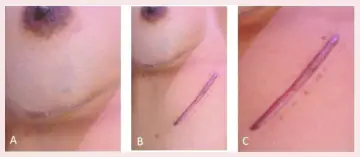
I would take a photograph in similar lighting every two to four weeks. Keep the camera distance and angle as consistent as possible.
Look for changes in height, firmness, redness, itching, and overall texture. A scar may improve in one area without changing dramatically in another.
Photographs can also help you explain your progress to a dermatologist if you need additional treatment.
Comparison Of Dermatix With Other Scar Treatment Brands
- Dermatix vs. Mederma
Mederma offers scar products that may contain ingredients different from those in Dermatix, depending on the specific formulation. Some versions use onion extract or other ingredients marketed for scar care, while Dermatix is known for its silicone-based approach.
For raised scars, silicone gel has a more established role in scar management than many non-silicone cosmetic ingredients. That makes Dermatix a reasonable option to consider when your main concern is a raised surgical or injury scar.
Mederma may appeal to shoppers who prefer its particular formulation or find a suitable product more affordable. However, the name alone does not establish that one brand is superior in every situation.
If I were choosing between them for a raised scar, I would give serious consideration to silicone therapy and compare the exact products rather than relying on brand popularity.
- Dermatix vs. Kelo-Cote
Kelo-Cote is another silicone-based scar gel intended to improve the appearance of scars.
Because both products use silicone as their central treatment approach, the differences may come down to formulation, application experience, availability, package size, and cost.
I would not assume that Dermatix automatically produces better results simply because I prefer its packaging or texture. Nor would I assume Kelo-Cote is superior because it is marketed specifically for scar management.
For either product, consistent application and choosing the right scar treatment matter more than expecting a dramatic difference between brands.
- Dermatix vs. ScarAway
ScarAway offers silicone-based scar products, including gels and silicone sheets. The main distinction is the format.
Dermatix may be convenient for scars in areas where a gel is easier to apply. Silicone sheets may be appealing for suitable scars on flatter body areas where a sheet can remain in place comfortably.
However, sheets may be less practical on curved or highly mobile areas, depending on the location and product design.
I would compare the convenience of the gel with the wear time and fit of a sheet. Both formats can be useful, but neither guarantees complete scar removal.
- Dermatix vs. Strataderm
Strataderm is another silicone-based scar-management gel. Like Dermatix, it is designed to form a thin protective layer over the scar.
The practical differences may include drying characteristics, application directions, availability, and price. There is no good reason to assume that every person will respond better to one brand than the other.
If both are suitable for your scar, I would compare the official directions, cost for the expected treatment period, and how easily each fits your daily routine.
- Dermatix vs. Basic Scar Creams
General scar creams can contain moisturizers, botanical ingredients, vitamins, or other cosmetic components. Their effects depend on the specific ingredients and the type of scar being treated.
A moisturizer may soften dry skin, but that does not necessarily mean it will flatten a raised scar. Similarly, a product marketed for dark marks may not address thickened scar tissue.
Dermatix has a clearer role when the aim is silicone-based scar management, especially for raised scars. For pigmentation or indented acne scars, a different approach may be more appropriate.
My advice is to match the treatment to the problem rather than assuming that every product labeled a scar cream offers the same benefits.
Who Should Consider Dermatix Scar Reduction Silicone Gel?
I would consider Dermatix if you have a fully healed surgical incision, an elevated injury scar, or a raised scar that you want to manage with a topical treatment.
It may also be suitable if you prefer a lightweight product that does not require wearing a separate dressing.
However, I would be more cautious if your primary concern is deep acne scarring, dark spots, or a large, persistent keloid. These conditions may require other treatments or professional guidance.
People with sensitive skin should check the ingredient list and monitor for irritation. Anyone treating a child’s scar, a recent surgical wound, or a complicated scar should confirm suitability with an appropriate healthcare professional.
The key is to understand what you want to improve. Flattening a raised scar is a different goal from treating discoloration or filling an indentation.
Is Dermatix Worth Buying?
In my assessment, Dermatix is worth considering if you want a silicone-based product for managing a fully healed, raised scar. Its straightforward application and non-invasive approach are practical advantages.
The biggest limitation is that results are gradual and cannot be guaranteed. You may see improvement in softness, height, or discomfort without achieving complete removal.
Before buying, I would compare the price with other silicone gels, verify that the product is genuine, and check the instructions for your particular formulation. I would also avoid spending money on silicone gel if the scar type is unlikely to benefit from it.
A sensible purchase is one based on realistic expectations, not promises of flawless skin.
Frequently Asked Questions (FAQ)
It may help soften and flatten raised scars and improve itching or discomfort. Results vary, and complete scar removal is not guaranteed.
There is no single universally highest-rated scar gel. Silicone gels such as Dermatix, Kelo-Cote, and Strataderm are options worth comparing for raised scars.
For raised scars, Dermatix’s silicone-based formulation may be a more appropriate choice. The best option depends on the specific products and scar type.
It may improve the appearance of some older raised scars, but established scars are harder to change, and complete removal is unlikely.
Wrapping Up
Dermatix Scar Reduction Silicone Gel is worth considering if you want a convenient silicone-based treatment for a fully healed, raised scar. I would prioritize consistent application, sun protection, and realistic expectations rather than expecting instant results.
If your scar is deep, growing, or resistant to treatment, professional advice may be more useful than another cream.
Before purchasing, compare Dermatix with other silicone gels and choose the option that best suits your scar type, budget, and daily routine.
Recent Posts
● Interactive 5-Zone Interior & Exterior Paint Blueprint Paint Coverage Calculator: Gallons, Primer, Square Footage & Cost Tap any architectural surface zone on the blueprint...
If you want smooth, shiny hair without spending a fortune on a premium styling tool, the Ella Bella hair dryer may be worth considering.In these Ella Bella hair dryer reviews, I’ll look...