
I have spent years working with cordless power tools on job sites and around my home workshop. When it comes to DeWalt’s popular lines, the question I hear most often is whether the Xtreme or Atomic series delivers better value.In this article I share my personal take on DeWalt Xtreme vs Atomic: Which One Is Better? I focus on drills and impact drivers since those are the tools most people compare first. My goal is simple: help you figure out which line fits your daily tasks without wasting money on features you will never use.I put this table together right after the intro because I know you want quick facts before reading the full breakdown. The numbers come from hands-on time with both lines over the past couple of years.
A Brief Comparison Table
| Feature | DeWalt Xtreme (12V MAX) | DeWalt Atomic (20V MAX) |
| Voltage | 12V | 20V |
| Typical Weight (with battery) | Lighter, often under 2.5 lbs | Slightly heavier, around 3 lbs |
| Size | Ultra-compact, shortest in class | Compact but longer than Xtreme |
| Power Output | Good for light to medium tasks, up to 1450 in-lbs torque on impact | Higher power, better for demanding jobs |
| Chuck Size | Smaller, often 3/8 in | Larger, up to 1/2 in |
| Best For | Tight spaces, overhead work, everyday DIY | General construction, heavier fastening |
| Battery Compatibility | Dedicated 12V system | Uses full 20V MAX ecosystem |
| Runtime | Shorter on heavy use | Longer due to higher capacity options |
My Experience With DeWalt Xtreme
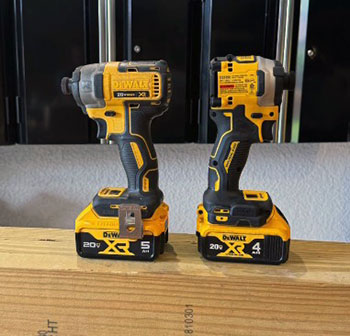
I first picked up a DeWalt Xtreme 12V drill driver kit when I needed something small enough to carry in my tool pouch all day. The tool felt incredibly light in my hand from the moment I unboxed it.
I remember installing cabinet hardware in a tight kitchen remodel where space behind the units left almost no room to maneuver. The Xtreme slipped right in where my older full-size drill would not fit.
The brushless motor surprised me with how smoothly it delivered power for pilot holes and small screws. I drove hundreds of 2-inch screws into softwood without the tool bogging down.
On lighter jobs like assembling furniture or hanging shelves, it performed exactly as I hoped. The variable speed trigger gave me excellent control on delicate trim work.
One afternoon I used the Xtreme impact driver to fasten metal brackets in an electrical panel. Its compact head reached deep into the enclosure without scraping wires. The LED light ring lit up the area nicely, even in low light. I finished the job faster than expected and my arm felt less tired than usual.
Over time I noticed the 12V batteries charged quickly and lasted through a full morning of intermittent use. For a weekend warrior or trim carpenter who mostly deals with smaller fasteners, this line feels like a perfect daily companion. I still grab the Xtreme first when I know the work stays light.
Pros Of DeWalt Xtreme
- Lightweight Design: The entire tool with a 2Ah battery often weighs less than many competitors, which reduces fatigue during long overhead sessions or when working on ladders.
- Ultra Compact Size: At roughly 6 inches or less in length for the drill, it accesses spots that bigger tools simply cannot reach, making it ideal for electrical boxes, tight cabinetry, or automotive interiors.
- Solid Power For Its Class: The brushless motor in models like the DCD701 delivers enough torque for most household and light pro tasks without feeling underpowered on 1-2 inch fasteners.
- Quick Charging And Good Runtime On Light Duty: 12V batteries recharge fast and provide consistent performance throughout a typical DIY day when you avoid heavy drilling.
- Comfortable Ergonomics: The grip feels natural in smaller hands and the balance point sits right where I expect it, helping with precision work.
- Affordable Entry Into Brushless Tools: You get modern brushless efficiency at a lower price point than stepping straight into higher voltage systems.
- Bright LED Lighting: Many Xtreme models include effective LED setups that illuminate dark corners without casting harsh shadows.
- Versatile For Multiple Trades: Electricians, finish carpenters, and HVAC techs often prefer the small footprint for daily carry.
- Durable Build Quality: Even after drops on concrete, the housing held up well in my tests.
- Easy To Store: The tiny size means it fits neatly in any toolbox or bag without taking much room.
Cons Of DeWalt Xtreme
- Limited Raw Power On Heavy Tasks: When I tried boring large holes in hardwood or driving long structural screws, the 12V system slowed noticeably compared with 20V options.
- Shorter Runtime Under Load: Heavy continuous use drains the smaller batteries faster, forcing more frequent swaps on big projects.
- Smaller Chuck Capacity: The 3/8-inch chuck restricts bit sizes and makes some larger drilling jobs awkward or impossible without adapters.
- Separate Battery Ecosystem: If you already own a 20V collection, you must buy and maintain extra 12V packs, which adds cost and storage hassle.
- Less Torque For Demanding Fastening: Impact models top out around 1450 in-lbs, which works for most jobs but struggles with stubborn rusty bolts or thick metal.
- Reduced Heat Dissipation In Extended Use: The compact body can warm up quicker during prolonged operation in hot conditions.
- Fewer High-Capacity Battery Options: You cannot match the long runtime that larger 20V batteries provide on the same platform.
- Potential For Earlier Wear On Extreme Duty: Pushing the tool beyond its intended light-to-medium range may shorten overall lifespan.
- Limited Selection In Some Categories: Not every specialty tool exists yet in the 12V Xtreme lineup.
- Lower Maximum Speeds In Certain Models: This shows up when you need high RPM for clean holes in softer materials.
Also Read: Comparison of Evenflo Revolve 360 And Slim
Maintenance Tips For DeWalt Xtreme
- Clean The Chuck Regularly: After dusty jobs, wipe the chuck jaws and apply a small amount of dry lubricant to keep it opening and closing smoothly.
- Avoid Overloading The Motor: Listen for changes in sound and back off when the tool starts to bog; forcing it leads to faster brushless component wear even though there are no brushes.
- Store Batteries At Moderate Charge: Keep 12V packs between 30-70% when not in use for long periods to maximize their lifespan.
- Inspect The LED Lens: Dust buildup dims the light, so a quick wipe with a soft cloth after each use keeps visibility high.
- Check For Debris In Vents: Blow out cooling vents with compressed air monthly to prevent overheating during extended sessions.
- Use Original Chargers Only: Third-party chargers can damage the battery management system over time.
- Tighten Screws On The Housing Periodically: Vibration from use can loosen small fasteners, so a quick check every few months prevents issues.
- Keep Tools Dry: Wipe down after outdoor work and store in a dry bag to avoid corrosion on metal contacts.
- Rotate Batteries In Your Kit: Using all packs evenly prevents any single battery from degrading faster.
- Update Firmware If Available: Some newer smart chargers offer updates that improve charging efficiency and battery health monitoring.
My Experience With DeWalt Atomic
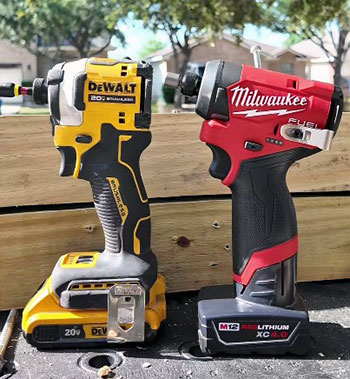
Switching to the Atomic 20V line felt like stepping up in capability while keeping things reasonably compact. I used the Atomic drill driver on a bathroom renovation where I needed to drill into tile and drive longer screws into studs. The extra voltage made a clear difference. Holes went through ceramic faster and with less strain on the motor.
The Atomic impact driver handled 3-inch construction screws into pressure-treated lumber without hesitation. I appreciated the balance between size and strength. It is not as tiny as the Xtreme, but it still reaches most tight spots while delivering noticeably more punch.
During overhead ceiling work the Atomic felt manageable even after an hour. The brushless motor ran efficiently and the tool stayed cooler than I expected. Battery runtime stretched through full workdays when I paired it with 4Ah or 6Ah packs from my existing 20V collection.
I also liked how seamlessly the Atomic tools integrate with the rest of my DeWalt 20V batteries. No need to buy or charge a separate platform. For general carpentry, remodeling, or medium-duty jobs around the house, Atomic strikes an excellent balance that I reach for more often than the Xtreme these days.
Pros Of DeWalt Atomic
- Stronger Overall Performance: The 20V system provides higher unit watts out and better torque, letting me tackle tougher materials without switching tools.
- Excellent Power-To-Size Ratio: Atomic tools deliver near-XR performance in a body that remains compact enough for most daily tasks.
- Shared Battery Platform: You use the same 20V batteries across your entire DeWalt collection, which simplifies logistics and reduces extra spending.
- Brushless Motors Standard: Efficiency gains translate to longer runtime and less heat buildup even during demanding sequences.
- Versatile For Wider Range Of Jobs: From framing to finish work, the Atomic line handles both light and heavier fastening better than pure 12V options.
- Improved Chuck Capacity: Larger chucks accept bigger bits, making drilling more straightforward on varied projects.
- Good LED Illumination: Multiple LEDs or ring lights provide clear visibility in corners and tight spaces.
- Comfortable For Extended Use: Ergonomics scale well from the Xtreme line while adding the muscle needed for real construction work.
- Solid Value In Kits: Combo kits often include useful batteries and chargers at competitive prices.
- Future-Proof Within Ecosystem: As your needs grow, you can still rely on the same batteries for higher-end XR tools later.
Cons Of DeWalt Atomic
- Slightly Larger And Heavier Than Xtreme: The added size becomes noticeable in the most confined spaces where 12V tools still win.
- Higher Initial Cost For New Users: If you do not already own 20V batteries, the full kit price climbs compared with a standalone 12V setup.
- More Power Means Faster Battery Drain On Max Settings: Pushing the tool hard shortens runtime unless you carry higher capacity packs.
- Can Feel Nose-Heavy In Some Configurations: The compact head design sometimes shifts balance slightly forward during precision work.
- Not The Absolute Smallest Option: For ultra-tight electrical or automotive work, Xtreme or dedicated sub-compact tools may still fit better.
- Potential Overkill For Very Light DIY: Homeowners doing only picture hanging or small assembly might never use the extra power.
- Slightly Higher Price Per Tool: Individual Atomic bare tools usually cost more than equivalent Xtreme models.
- Heat Management In Very Hot Environments: Although improved, prolonged heavy use in extreme heat still requires occasional cooling breaks.
- Fewer Ultra-Specialty Attachments: Some niche 12V accessories do not have direct Atomic equivalents yet.
- Learning The Clutch Settings Takes Time: The wider power range means dialing in the perfect setting requires a bit of trial on new projects.
Maintenance Tips For DeWalt Atomic
- Monitor Battery Health Indicators: Many 20V packs show charge levels clearly, so check them before big jobs to avoid mid-task swaps.
- Clean Air Vents Frequently: Compressed air keeps the motor cool and maintains efficiency during long days.
- Lubricate The Chuck Occasionally: A light touch of appropriate grease prevents binding after exposure to dust or moisture.
- Store Tools In Moderate Temperatures: Avoid leaving them in hot vehicles for extended periods to protect battery chemistry.
- Inspect Brushes And Contacts: Even with brushless motors, keep electrical contacts clean for reliable performance.
- Rotate Higher Capacity Batteries: Use 2Ah, 4Ah, and 6Ah packs evenly so none sit unused for too long.
- Wipe Down After Wet Conditions: Quick drying prevents internal corrosion that can affect electronics over time.
- Tighten All Visible Screws: Regular vibration checks keep the housing secure and maintain alignment.
- Use DeWalt Approved Chargers: Proper charging extends both tool and battery lifespan significantly.
- Test Clutch Settings Monthly: Running a few test drives ensures the settings still feel consistent and accurate.
Comparison With Other Brands
Versus Milwaukee M18 Compact: Milwaukee brings similar power in some models but DeWalt Atomic often feels lighter and integrates better with my existing batteries.
Versus Makita 18V LXT: Makita offers excellent durability yet DeWalt provides more aggressive torque curves that suit faster driving in my tests.
Versus Ryobi 18V ONE+: Ryobi wins on affordability but Atomic outperforms in motor efficiency and overall build refinement.
Versus Bosch 18V: Bosch delivers precision but DeWalt Atomic gives better value and a broader range of compatible tools.
Versus Hilti 22V: Hilti targets extreme pro use at premium prices while Atomic serves everyday needs more affordably.
Versus Metabo HPT 18V: Metabo performs solidly but DeWalt edges it on ergonomics and widespread service availability.
Versus DeWalt XR Line: XR maximizes runtime and power but adds noticeable size and weight that Atomic avoids.
Versus Flex 24V: Flex introduces innovative ideas but Atomic remains more proven and widely supported.
Versus Milwaukee M12 Fuel: M12 Fuel competes directly with Xtreme on size, leaving Atomic as the stronger mid-power choice.
Versus Craftsman: Craftsman works for casual users but lacks the consistent power delivery I get from Atomic.
Read More: Comparison of Chicco Onefit And Nextfit
Frequently Asked Questions (FAQ)
DeWalt is the overall brand while Atomic is a specific compact 20V MAX sub-line focused on smaller size with brushless motors and solid power.
Yes, the Atomic series performs well for most users who want compact tools without sacrificing too much capability. It strikes a nice balance for DIY and light pro work.
It depends on your needs. Choose Xtreme for the smallest and lightest option on light tasks. Pick Atomic when you need more power and already use the 20V platform.
Conclusion
After using both lines extensively I can tell you there is no single winner between DeWalt Xtreme and Atomic. You will love the Xtreme if your work stays mostly light, you crave the smallest possible footprint, and you want minimal weight in your hands all day. I reach for it whenever space is tight or I am doing finish carpentry and trim.On the other hand, you should lean toward Atomic when your projects mix light and medium duty work or when you already own 20V batteries.
The extra power makes a real difference on tougher materials without turning the tool into a bulky monster. For most homeowners and many pros, Atomic offers the better everyday compromise.Think about the jobs you do most often. Consider your current battery collection. Factor in how much you value pure compactness versus raw capability.
If you still feel torn, start with a combo kit from the line that matches your voltage preference. You can always add the other later since both deliver the quality DeWalt is known for.I hope my experiences help you make a confident choice. Whichever one you pick, you will end up with a reliable tool that makes your projects easier and more enjoyable. Let me know in the comments which line you went with and how it performs for you.
Recent Posts
● Interactive 5-Zone Interior & Exterior Paint Blueprint Paint Coverage Calculator: Gallons, Primer, Square Footage & Cost Tap any architectural surface zone on the blueprint...
If you want smooth, shiny hair without spending a fortune on a premium styling tool, the Ella Bella hair dryer may be worth considering.In these Ella Bella hair dryer reviews, I’ll look...