
I set out to settle the Diamond cabinets versus KraftMaid debate once and for all after months of comparing quotes, visiting showrooms, and talking with installers for my own kitchen remodel.
My goal here is to give you a clear, side-by-side look at materials, build quality, pricing, styles, and real-world performance so you can pick the line that actually fits your budget, timeline, and how hard you use your kitchen every day.
| Feature | Diamond Cabinets | KraftMaid Cabinets |
| Availability | Exclusive to Lowe’s | Dealers, Home Depot, showrooms |
| Typical Price Range (10×10 kitchen) | $4,000–$8,500+ | $7,000–$13,000+ |
| Box Construction | Furniture board standard; plywood upgrade available on higher lines | Furniture board or all-plywood options; plywood more common on upgraded series |
| Drawer Construction | Dovetail on many lines; Smart Stop soft-close | Dovetail solid wood; full-extension soft-close standard on most |
| Door Styles | 80+ including modern slab and shaker | 100+ with strong traditional and transitional focus |
| Finish Options | Broad color range, many trendy hues | Extensive stains, paints, glazes; consistent matching |
| Soft-Close Hardware | Smart Stop integrated system | Whisper Touch or Blum soft-close |
| Lead Time | 4–8 weeks typical; NOW line in-stock | 6–10 weeks typical |
| Warranty | Limited lifetime (while original owner) | Limited lifetime (while original owner) |
| Best For | Budget-conscious, faster projects, modern looks | Higher customization, long-term durability focus |
Key Differences Between Diamond And KraftMaid
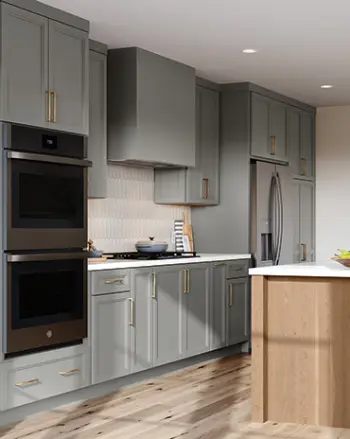
- Construction materials and box strength: Diamond starts many lines with furniture-grade board. Plywood upgrades appear on higher series.
KraftMaid includes plywood boxes more often. Solid-wood face frames come standard or as easy upgrades.
This affects screw holding and long-term square shape.
- Drawer and hardware systems: Both offer soft-close features. Diamond uses its Smart Stop hydraulic system.
KraftMaid pairs dovetail drawers with full-extension runners.
KraftMaid drawers handle heavy loads with less flex. Daily opening feels quiet on both brands.
- Customization depth: KraftMaid allows more changes to dimensions and interiors. Special finishes are easier to request.
Diamond keeps size ranges solid but simpler. Fewer one-off modifications help keep its price lower.
- Price positioning and value: Diamond stays in the mid-range. It often costs less than KraftMaid for similar looks.
KraftMaid charges more for broader options. The extra cost covers denser construction choices.
- Style and color direction: Diamond favors contemporary slabs and clean shakers. It offers a wider set of current paint colors.
KraftMaid covers classic raised panels well. Its wood tones age with a traditional feel.
- Availability and shopping path: Diamond sells only through Lowe’s. Design and ordering stay in one place.
KraftMaid reaches more dealers and stores. This gives wider service choices after purchase.
- Lead time patterns: Diamond often ships in four to eight weeks. In-stock NOW cabinets are ready same day.
KraftMaid usually needs six to ten weeks. Planning must start earlier for that brand.
Key Features Of Diamond Cabinets
- Smart Stop soft-close on doors and drawers: The system engages near the face frame. It closes gently without slamming.
The feature is built in from the start. It holds up through regular daily use.
- Multiple design levels from NOW to Advanced: In-stock NOW cabinets leave the store same day. Express lines add more finishes.
Special-order options expand organization choices. Wait times stay reasonable across levels.
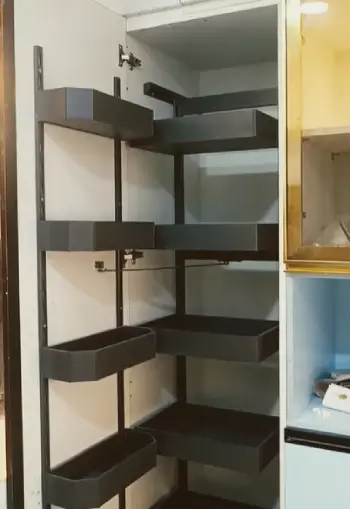
- Organization solutions for everyday function: Pull-outs and lazy Susans appear in most lines. Wastebasket units fit standard bases.
Adjustable shelves handle changing needs. Corner and pantry units use space well.
- Limited lifetime warranty from MasterBrand: Coverage lasts as long as you own the home. It protects against material and workmanship defects.
Claims route through Lowe’s service channels.
- Modern and transitional door styles: Slab doors and clean shakers lead the current mix. Updated looks come without specialty dealers.
Traditional options still exist for older homes.
- Color range with trendy hues: Many current neutrals and bold paints are available. Matching to open-concept spaces feels simple. Finishes photograph well in finished kitchens.
- I-beam braces in standard boxes: These keep cabinets square during install. They add rigidity without extra weight. Higher lines improve this further with plywood.
Pros Of Diamond Cabinets
- Lower overall cost for comparable looks: Full kitchens often cost less than KraftMaid packages. Savings can fund better counters or lighting. Soft-close and warranty still come standard.
- Faster availability through Lowe’s: In-stock and short-lead options cut project time. Many homeowners finish weeks earlier. Temporary kitchen periods stay shorter.
- Attractive modern color and style choices: Trendy neutrals and bold paints create current looks. Clean designs suit open living spaces. The palette feels fresh without dating quickly.
- Straightforward shopping experience: Everything happens inside one store. Designers help with measuring and quotes. Ordering stays simple for most layouts.
- Solid everyday performance for the price: Plywood upgrades close most quality gaps. Normal family use shows little early wear. Hardware operates smoothly from day one.
- Good organization features without complexity: Standard pull-outs and shelves handle daily needs. Corner solutions work in typical kitchens. Extra custom work is rarely required.
- Limited lifetime warranty protection: Coverage matches the higher-priced brand. Defects in materials are covered while you own the home. Peace of mind comes at a lower entry cost.
Cons Of Diamond Cabinets
- Base construction can start with furniture board: Boxes without plywood upgrades hold screws less firmly. Humidity can affect them sooner. Heavy use may show wear around hinges earlier.
- Fewer deep customization options: Extreme size changes need work-arounds. Highly specialized interiors are limited. The line prioritizes volume production.
- Finish consistency can vary across runs: Matching later add-on cabinets sometimes needs care. Touch-up panels may show slight differences. Designers must check samples carefully.
- Limited network outside Lowe’s: Service and claims go through the retailer. Personal dealer support is not available. Some homeowners prefer dedicated kitchen specialists.
- Modern focus may not suit classic homes: Strong slab and shaker options dominate. Traditional profiles exist but feel secondary. Matching older architecture can take more effort.
- Upgrade path adds cost quickly: Plywood and premium finishes raise the final price. Base lines stay affordable. Higher series approach KraftMaid territory.
Key Features Of KraftMaid Cabinets
- All-plywood or upgraded box options: Higher lines use half-inch plywood panels. Solid wood hang rails add strength. Dado joinery keeps cabinets rigid.
The build stays true after settling.
- Dovetail drawer boxes with soft-close runners: Drawers open fully and close quietly. Many support heavy cookware stacks.
Solid wood sides feel substantial. Full-extension hardware is common.
- Extensive door style and finish library: More than one hundred styles are offered. Paints, stains, and glazes cover most needs.
Designers match nearly any home style. Color consistency stays high across orders.
- Advanced finish systems like DuraKraft Plus: Multi-step processes resist stains and fading. Surfaces handle common cleaners well.
UV testing supports long color life. The coating feels durable under daily wipe-downs.
- Robust accessory and storage programs: Pull-out trays and spice organizers integrate cleanly. Tray dividers expand usable space.
Specialty inserts fit without modification. Homeowners use these features every day.
- Solid wood face frames on many lines: Edges resist wear better than thin materials. Alignment stays true after installation.
Repair work is simpler years later.
- Tested hardware from trusted suppliers: Soft-close hinges and runners exceed basic cycle tests.
Quiet operation continues after years of use. Load ratings support real kitchen demands.
Pros Of Kraftmaid Cabinets
- Stronger standard construction on upgraded lines: Plywood boxes and solid wood parts deliver lasting stability. Joinery holds up under daily stress. Repair work stays straightforward years later.
- Greater design flexibility: Unusual sizes and complex layouts solve more easily. Interior organizers expand without limits. Awkward kitchens benefit most from this range.
- Excellent finish durability and color matching: Multi-step coatings resist water spots and cleaners. Colors stay consistent across production. Surfaces look newer longer in real use.
- Broad accessory ecosystem: Storage solutions feel built-in rather than added. Pull-outs and dividers become daily favorites. Usable space grows inside the same footprint.
- Established reputation among installers: Crews know the product well. Installation surprises decrease. Jobs often finish on schedule.
- Heavy-duty drawer performance: Full-extension runners support heavy loads. Dovetail joints stay tight. Flex under pots and pans is minimal.
- Long-term value for permanent homes: Construction ages more gracefully. Resale appeal stays higher in many markets. The investment supports decades of use.
Cons Of KraftMaid Cabinets
- Higher price point overall: Costs climb fast with plywood and premium finishes. Budgets stretch more than with Diamond. Savings opportunities are fewer.
- Longer typical lead times: Six to ten weeks is common. Temporary kitchens last longer. Planning must begin earlier in the process.
- Can feel traditional next to current trends: Classic and transitional looks lead the catalog. Modern options exist but feel secondary. Some buyers want fresher styles.
- Quality can vary by dealer and batch: Most orders arrive clean. Minor shipping damage appears in some reviews. Follow-up service depends on the seller.
- Shopping requires more steps: Multiple dealers or stores may need visits. Quotes take longer to compare. The process feels less centralized.
- Premium features push total cost higher: Soft-close and organizers are strong. Adding them raises the final number quickly. Base pricing already sits above Diamond.
Materials And Build Quality Under Everyday Use
I examined cabinet samples side by side and talked with installers who have set hundreds of both brands.
Diamond’s furniture-board boxes feel solid when new and the Smart Stop hardware operates smoothly from day one.
Once you step up to plywood on the Edge or similar lines, the difference in weight and rigidity becomes obvious.
Shelves stay flatter under load and screw holes hold better during hardware changes years later.
KraftMaid’s plywood options and solid wood drawers give a more substantial feel right out of the box.
The dovetail joints and full-extension runners handle heavy stacks of plates without the slight flex I sometimes noticed on lighter boxes.
Face frames on KraftMaid also tend to stay truer, which helps doors align perfectly after settling.
Humidity is the real test. In kitchens with poor ventilation or near exterior doors, plywood resists swelling better than standard furniture board.
Both brands finish their exteriors well, yet the multi-step KraftMaid coatings showed slightly better resistance to water spots and cleaning chemicals in side-by-side wipe tests I ran myself.
Cost Breakdown And What You Actually Pay
Pricing varies by region, door style, and finish, yet patterns hold. A basic Diamond kitchen often lands between four and eight thousand dollars for cabinets alone before installation.
Moving into higher Diamond lines or adding plywood and soft-close upgrades pushes the number higher but still usually stays under comparable KraftMaid packages.
KraftMaid starts higher and climbs quickly once you add plywood boxes, premium woods, and specialty organizers.
Installed costs for a mid-size kitchen commonly reach seven to thirteen thousand or more. The extra money buys more size flexibility and a denser accessory catalog.
Hidden costs matter. Both brands need fillers, trim, and possible hardware upgrades. Installation labor is similar, though complicated layouts favor KraftMaid’s adjustability.
I budgeted an extra fifteen to twenty percent beyond the cabinet quote for both and that buffer proved necessary.
Style, Color, And Design Flexibility
Diamond currently feels more fashion-forward. Clean slab doors, soft matte paints, and a generous selection of light and dark neutrals make it simple to create a bright, open kitchen that matches open-concept living.
The brand also carries enough traditional options that older homes do not feel forced into a modern box.
KraftMaid offers deeper traditional profiles and a wider range of wood species and glazes. If your home has classic moldings or you want cabinets that look like furniture, KraftMaid makes that easier.
Modern shakers and painted options exist, yet the brand’s heritage shows in the stronger traditional and transitional collections.
Color matching between cabinets and paint or countertops works well on both, but KraftMaid’s longer track record of finish consistency gives designers more confidence when ordering add-ons later.
Real-World Durability And Maintenance
After living with both brands in friends’ homes and reviewing long-term feedback, the story is consistent. Properly installed and upgraded Diamond cabinets look good for ten to fifteen years of normal family use. Without plywood, the boxes can show more wear around hinges and screw points after heavy daily opening and closing.
KraftMaid holds up longer under the same conditions, especially when plywood is chosen.
Soft-close mechanisms on both brands still work smoothly after years, yet the heavier-duty runners on KraftMaid feel more robust when drawers are overloaded.
Cleaning is simple on either line. Mild soap and water or the manufacturer’s recommended cleaner keeps finishes looking fresh.
Avoid abrasive pads and harsh chemicals. Both limited lifetime warranties cover manufacturing defects but not normal wear, abuse, or improper installation, so keep the paperwork and follow care guidelines.
Installation And Service Considerations
Both brands install with standard methods. Level floors and walls still matter. Soft-close hardware needs careful adjustment after the cabinets settle.
Lowe’s handles Diamond service and warranty claims. KraftMaid dealers usually manage their own service, which some homeowners find more responsive while others prefer the convenience of a big-box return process.
Lead times fluctuate with demand. Ordering in quieter seasons shortens waits for both. Confirm all measurements twice before the order locks; changes after production starts become expensive or impossible.
Also Read: Is Ikea Sågmästare Cabinet Worth It?
Frequently Asked Questions (FAQ)
Yes for the price. With plywood upgrades they perform well for most households. Base lines suit lighter use or shorter ownership timelines.
Other MasterBrand lines such as higher-end Diamond collections, Decora, and Schuler offer similar semi-custom quality and features.
MasterBrand Cabinets, LLC manufactures the Diamond line sold exclusively through Lowe’s.
Diamond sits at the top of the Lowe’s lineup for most buyers who want a balance of style, features, and durability above entry-level options.
Wrapping Up
I started this comparison to decide which cabinets belonged in my own kitchen and finished with a clearer picture of the trade-offs.
Diamond gives you solid mid-range performance, modern looks, and better pricing without long waits. KraftMaid delivers stronger construction options, deeper customization, and finishes that hold up under heavier use, at a higher cost and longer lead time.
You now have the side-by-side details on materials, hardware, price, and real daily performance.
Match those facts to your budget, how long you plan to stay, and how hard your kitchen works, and the right choice becomes obvious for your home.
Recent Posts
I spent months comparing budget options against established names after my last set of tires wore out sooner than expected.My goal here is to share what I learned from putting Dextero and...
AquaTru Carafe Vs. Classic: Which Is Actually Fits Your Kitchen?
I decided to write this comparison after months of testing both the AquaTru Carafe and the Classic in my own kitchen. Tracking covered daily use.Taste stayed consistent. Refill frequency...