
I wanted Dog Silencer MAX to be a simple answer to excessive barking, but the more I looked at its reported performance and customer feedback, the less confident I became.
Although the device is marketed as a convenient ultrasonic solution, inconsistent results and negative reviews make it difficult for me to recommend it as a dependable purchase.
If you need reliable barking control, I suggest you buy a product with stronger evidence, clearer performance expectations, and more consistently positive customer experiences instead.
My First Experience With Dog Silencer MAX
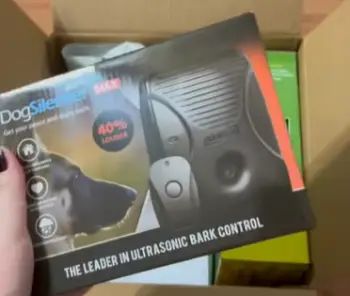
When I first looked into Dog Silencer MAX, the basic concept sounded appealing.
Instead of shouting at a barking dog or repeatedly using verbal commands, the device is designed to use a high-frequency ultrasonic sound that humans generally hear little or not at all.
The idea is straightforward: when the dog barks, the sound is intended to interrupt the behavior and encourage the dog to become quiet.
On paper, that sounds incredibly convenient.
I can understand why someone dealing with a constantly barking dog might be interested. Excessive barking can become frustrating, especially when it happens early in the morning, late at night, or whenever someone passes the house.
If you’re living close to neighbors, the problem can become even more stressful.
However, my assessment became more cautious when I considered how dependent this type of product is on the individual dog’s behavior.
Dog Silencer MAX isn’t something I would treat as a guaranteed “press it and the barking stops” solution. Ultrasonic devices depend on the dog noticing the sound and responding to it. Some dogs may react immediately, while others may barely respond.
Even when a dog initially stops barking, that doesn’t necessarily mean the underlying reason for barking has been addressed.
That’s an important distinction.
For example, imagine your dog barks whenever another dog walks past the property. An ultrasonic device might interrupt the barking for a moment, but your dog could start again once the trigger appears.
The same applies to barking caused by boredom, separation-related distress, territorial behavior, excitement, fear, or a need for attention.
I also think expectations matter enormously with products like this. If you’re expecting Dog Silencer MAX to permanently train your dog without any additional work, you may end up disappointed.
Another issue I noticed while assessing Dog Silencer MAX reviews is the inconsistency in customer experiences.
Some users report that ultrasonic barking devices can help interrupt unwanted barking, while other customers report little or no meaningful effect. Because the experience appears to vary substantially, I wouldn’t consider the product a reliable universal solution.
The physical design is another part of the equation. A barking-control device needs to be positioned appropriately toward the area where the dog is located. Obstacles, distance, competing sounds, and the dog’s position can all affect how useful an ultrasonic signal may be.
I wouldn’t simply place a device somewhere inside the house and assume it will control barking outside.
I also wouldn’t use an ultrasonic device as a substitute for understanding why my dog is barking. That’s where I think many buyers can make a mistake. Barking is communication. Before trying to suppress it, I would want to know what is causing it.
Overall, my experience evaluating Dog Silencer MAX left me with a mixed impression. The underlying concept is understandable, and the convenience is attractive, but the reported customer experiences aren’t consistent enough for me to confidently recommend it. If you’re spending money specifically because you need dependable barking control, I think there are better approaches to consider.
Pros Of Dog Silencer MAX
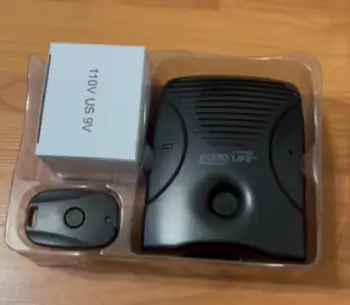
- Convenient Concept
The biggest advantage is convenience. I can see why a dog owner would prefer a device that potentially interrupts barking without requiring constant verbal correction.
If the technology works with your particular dog, it could provide an additional tool during barking episodes.
- Non-Contact Approach
Another positive is that an ultrasonic device doesn’t physically touch the dog. Compared with some older forms of aversive correction, the approach is less direct and doesn’t involve a shock or physical restraint.
That may appeal to owners who want to avoid physical correction.
- Easy-to-Understand Purpose
There’s nothing complicated about the intended purpose. You want to reduce excessive barking, and the device is designed specifically around that problem.
That focused purpose can make it attractive to people who are searching for a quick barking-control option.
- Potential for Immediate Interruption
Some dogs may respond to ultrasonic sounds quickly. When that happens, the device can potentially interrupt a barking episode before it continues.
For an owner dealing with repetitive barking, even a temporary interruption can feel useful.
However, I would distinguish interruption from long-term behavioral improvement. They’re not necessarily the same thing.
- Portable Use
A compact barking device can potentially be used around different areas of a property. That can be useful if your dog’s barking isn’t limited to one specific location.
Still, effective placement matters.
- No Need for Constant Verbal Commands
I wouldn’t want to spend every evening shouting at my dog to be quiet. An electronic interrupter can reduce the amount of direct verbal correction required during some situations.
That said, I wouldn’t remove training from the equation.
- Useful as One Part of a Broader Strategy
I think an ultrasonic device makes more sense when it’s treated as one possible tool rather than the entire solution.
For example, you could combine appropriate training, exercise, environmental changes, and trigger management with a barking interrupter.
The important thing is not to expect one gadget to fix every barking problem.
Cons Of Dog Silencer MAX
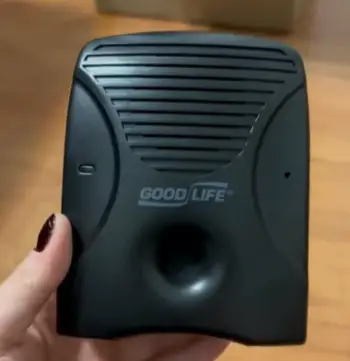
- Inconsistent Customer Experiences
This is the biggest concern for me.
The negative feedback surrounding Dog Silencer MAX makes me uncomfortable recommending it as a dependable purchase. When buyers report significantly different outcomes, I have to question whether the product will deliver the result you’re expecting.
- It May Not Work for Every Dog
Some dogs may respond strongly to ultrasonic sounds. Others may ignore them.
That’s a fundamental limitation of the technology.
If your dog doesn’t respond to the frequency, the device can’t magically create a different behavioral response.
- Doesn’t Address the Root Cause
This is perhaps even more important than effectiveness.
A dog can bark because it is bored, frightened, excited, frustrated, lonely, protective, overstimulated, or responding to another animal.
Stopping the sound doesn’t automatically resolve the reason for the behavior.
- Possible Frustration for Owners
If you buy the product expecting an immediate solution and your dog continues barking, you could end up more frustrated than before.
I think that’s particularly problematic when the owner has already tried multiple solutions.
- Environmental Limitations
Outdoor spaces aren’t perfectly controlled environments. Distance, walls, fences, landscaping, other noises, and the dog’s position can affect how an ultrasonic device performs.
- Potential Hearing-Related Concerns
Dogs have more sensitive hearing than humans, which is precisely why ultrasonic devices are designed around frequencies that people generally don’t notice.
Because individual dogs can respond differently to high-frequency sounds, I wouldn’t assume that “ultrasonic” automatically means completely harmless or appropriate in every situation.
If your dog shows signs of distress, fear, avoidance, or unusual behavior, I would stop using the device and speak with a veterinarian or qualified behavior professional.
Maintenance For Dog Silencer MAX
- Keep the Device Clean
If you’re using an electronic barking device outdoors, dust, dirt, moisture, and debris can accumulate around its housing.
I would periodically wipe the exterior with a soft, dry or slightly damp cloth according to the manufacturer’s care instructions. Avoid getting unnecessary moisture into openings.
- Check the Power Source
A barking-control device is only useful when it has sufficient power.
I would make checking the battery or power supply part of my routine, particularly if the device is installed outside. A depleted battery could easily make you think the product isn’t working when the real problem is simply power.
- Inspect the Housing
Look for cracks, loose components, corrosion, or signs of water intrusion.
Outdoor electronics can experience considerably more environmental stress than indoor products. If the unit has been exposed to heavy rain or extreme weather, inspect it before continuing to use it.
- Position It Carefully
Placement can have a major impact.
I’d position the device where it has a clear path toward the area where barking usually occurs. Don’t hide it behind thick objects or place it somewhere that unnecessarily blocks its intended direction.
- Don’t Pointlessly Increase Exposure
More isn’t always better.
If you’re using an ultrasonic device, I wouldn’t keep repositioning it closer and closer to the dog simply because the first placement didn’t produce an immediate response.
Instead, consider whether the dog’s barking trigger is actually something the device can reasonably address.
- Monitor Your Dog’s Behavior
This is one maintenance habit I consider essential.
Don’t only monitor whether your dog stops barking. Watch the dog’s overall behavior.
Is your dog calm? Relaxed? Confused? Frightened? Avoiding the device? Showing unusual stress?
If the device appears to create distress, discontinue its use and seek professional advice.
- Store It Properly
If you’re not using the device for an extended period, store it in a clean, dry place.
Remove batteries if the manufacturer’s instructions recommend doing so for long-term storage.
- Don’t Rely on It for Separation Problems
If your dog barks primarily when left alone, I wouldn’t assume an ultrasonic device addresses the problem.
Separation-related behavior may require a structured behavior plan and, in some cases, professional veterinary or behavioral assistance.
Comparison Of Dog Silencer MAX With Other Brands

- Dog Silencer MAX vs. Manual Training
Manual training requires more involvement from you, but it directly addresses the dog’s behavior.
You can identify what triggers barking, teach an alternative response, and reinforce calm behavior.
The major trade-off is time. Training requires consistency.
Dog Silencer MAX is more passive. You position the device and hope the ultrasonic signal interrupts the barking.
For me, that difference is significant because behavioral training can teach the dog what you actually want it to do, rather than merely interrupting unwanted behavior.
- Dog Silencer MAX vs. Ultrasonic Alternatives
Other ultrasonic bark-control devices use essentially the same broad concept.
That means switching to another ultrasonic product doesn’t necessarily eliminate the fundamental limitation: your dog may or may not respond to the sound.
If you’re considering alternatives, I’d pay close attention to independent customer experiences, product specifications, return policies, and realistic claims rather than choosing solely because the product promises instant results.
- Dog Silencer MAX vs. Positive Reinforcement
Positive reinforcement takes a completely different approach.
Instead of focusing exclusively on stopping barking, you reward the behavior you want to see.
For example, when your dog responds appropriately to a trigger and remains calm, you can reinforce that behavior.
I generally see this as a more educational approach because the dog has an opportunity to learn what behavior earns a positive response.
- Dog Silencer MAX vs. Professional Behavior Help
Professional help can be especially valuable when barking is severe, persistent, or connected to fear, anxiety, aggression, or other complex behavior.
A qualified trainer or veterinary behavior professional can help determine why the dog is barking and develop a targeted plan.
The disadvantage is obviously cost and availability, but you’re getting individualized guidance rather than relying on a one-size-fits-all gadget.
- Dog Silencer MAX vs. Environmental Management
Sometimes the most effective intervention is changing the environment.
If your dog barks at pedestrians through a window, reducing visual access may help. If outside noises trigger barking, modifying the dog’s environment can reduce exposure to those triggers.
This approach won’t work for every situation, but it demonstrates an important point: sometimes changing the trigger is more useful than trying to interrupt the reaction.
Who Might Consider Dog Silencer MAX?
I think the product could appeal to someone who understands its limitations and wants to experiment with an ultrasonic barking interrupter.
If your dog occasionally barks at predictable triggers and responds well to ultrasonic sounds, a device in this category may potentially become one part of your management strategy.
But I wouldn’t buy Dog Silencer MAX expecting guaranteed results.
The negative customer feedback is a major reason I wouldn’t recommend purchasing it when there are other approaches available. If I’m spending money to solve a persistent problem, I want a reasonable level of confidence that the product will actually help.
Who Should Avoid Depending on It?
I wouldn’t rely on Dog Silencer MAX as the primary solution if your dog’s barking is caused by serious anxiety, fear, aggression, separation issues, pain, illness, or a complicated behavioral problem.
Those situations require more than an electronic interruption.
I’d also be cautious if you’ve already tried several bark-control devices without success. Repeating the same basic strategy with another product may not solve the underlying problem.
Frequently Asked Questions (FAQ)
Its effectiveness can vary considerably between dogs. Some may respond to ultrasonic signals, while others may show little response. Negative customer feedback also makes me hesitant to recommend it as a dependable solution.
They can work for some dogs, but results aren’t universal. Individual temperament, hearing, barking triggers, distance, and environment can all influence the outcome.
Cesar Millan commonly emphasizes identifying the cause of unwanted behavior, establishing calm and consistent boundaries, and providing appropriate exercise and mental stimulation. His approach isn’t simply based on using an electronic barking device.
Veterinary advice generally depends on why the dog is barking. Identifying triggers, using appropriate behavior modification, increasing suitable exercise and enrichment, managing the environment, and addressing medical or anxiety-related causes may all be considered.
Final Verdict
After considering the concept, limitations, and reported customer experiences, I wouldn’t recommend Dog Silencer MAX as a dependable solution for excessive barking.
The biggest issue for me is the inconsistency: an ultrasonic device may interrupt barking in some dogs but produce disappointing results in others.
If you’re looking for lasting improvement, I’d put more emphasis on identifying the cause of barking, positive training, environmental management, and professional guidance when necessary.
If you’re going to spend your money, I recommend choosing a barking-control approach with clearer expectations rather than relying on Dog Silencer MAX.
Recent Posts
NESCO VS-12 Deluxe Review: Is This Vacuum Sealer Worth Buying?
After using and comparing different food preservation methods, I found the NESCO VS-12 Deluxe particularly interesting because it combines strong vacuum performance, multiple sealing options, and a...
Schick Hydro Silk Sensitive Care Review: Is It Worth Buying?
If you have sensitive skin and want a razor that focuses on comfort rather than simply getting the closest possible shave, I think the Schick Hydro Silk Sensitive Care is worth considering.I like...