
I’ve spent years dealing with stubborn drains in my own home, from bathroom sinks packed with hair to kitchen lines gummed up with grease, and I’ve tested both Drano Max Gel and Liquid-Plumr side by side more times than I care to count.
My goal here is to give you a clear, practical breakdown of how these two popular clog removers stack up so you can pick the right one for your next slow or stopped drain without wasting money or time.
| Feature | Drano Max Gel | Liquid-Plumr |
| Consistency | Thick gel that sinks through standing water | Thick gel designed to reach clogs through water |
| Active Ingredients | Sodium hydroxide, sodium hypochlorite, sodium silicate | Sodium hydroxide, sodium hypochlorite, surfactants |
| Typical Work Time | 15-30 minutes (longer for tough clogs) | 7-15 minutes (overnight option for stubborn ones) |
| Best For | Hair, soap scum, grease, mixed organic clogs | Hair, grease, soap scum, food particles |
| Pipe Safety | Includes corrosion protection; safe for most pipes and septic when used as directed | Pipe-safe formula; suitable for PVC, metal, older pipes, septic |
| Common Bottle Sizes | 32 oz, 80 oz options | 16 oz to 80 oz options |
| Price Range | Generally $8-12 for standard bottles | Often $9-14, with larger sizes offering better value per ounce |
| Limitations | Not for toilets; avoid with plungers after use | Not for toilets; do not mix with other cleaners |
How These Clog Removers Actually Work?
When a drain backs up, the real issue is almost always organic material such as hair, soap residue, cooking grease, or bits of food that has stuck together and narrowed the pipe.
Both Drano Max Gel and Liquid-Plumr rely on strong alkaline chemistry to break those materials down.
Sodium hydroxide raises the pH so high that it starts dissolving proteins in hair and saponifying fats in grease. Sodium hypochlorite adds oxidizing power that helps loosen soap scum and kill odors.
The gel consistency is key for both products. Thin liquids tend to mix with the standing water and get diluted before they reach the clog. These thicker formulas push through the water, coat the blockage, and stay in contact longer. I have watched the gel slowly disappear into a backed-up sink and then, after the wait time, seen the water level drop as the clog gives way. That moment still feels satisfying every time.
Drano Max Gel often includes a corrosion inhibitor that coats the inside of the pipe while the cleaner works.
Liquid-Plumr emphasizes surfactants that help the formula cling and penetrate. In practice, both get the job done on everyday clogs, but the feel and speed can differ depending on what you are fighting.
I have used each product in different rooms of the house over multiple seasons. Bathroom drains full of long hair respond to both, yet the exact time and amount needed can shift based on how long the clog has sat.
Kitchen lines coated with cooled cooking oil demand more patience from either gel. Understanding the basic chemistry helps set realistic expectations so you do not pour a second bottle too soon or call a plumber before giving the product a fair chance.
Key Differences Between The Drano Max Gel And Liquid-Plumr
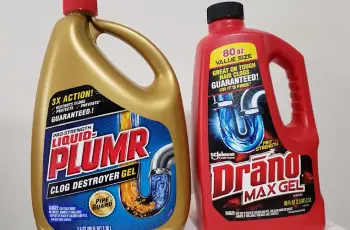
- Speed of action: Drano Max Gel frequently shows results in the fifteen to thirty minute window printed on the bottle.
On light clogs I have cleared sinks in closer to fifteen minutes. Liquid-Plumr sometimes starts moving water sooner on hair heavy bathroom drains, often within seven to fifteen minutes.
The difference is most noticeable on moderate clogs while severe ones still need full patience with either product.
- Heat generation and intensity: Some older Drano formulas used aluminum to create an exothermic reaction that heats up and helps melt grease.
Current Max Gel versions focus more on the bleach and lye combination without that dramatic fizz in every bottle.
Liquid-Plumr stays cooler and relies on chemical dissolution rather than heat.
your kitchen drain is packed with solidified cooking oil, the warmer reaction some associate with Drano can feel more aggressive.
- Bottle size and value: Liquid-Plumr often comes in larger eighty ounce bottles that stretch further for monthly maintenance.
Drano Max Gel is commonly sold in thirty two ounce sizes that feel more targeted for single use emergencies.
Per ounce cost can favor Liquid-Plumr when you buy the bigger containers and use them across several drains.
- Odor and fumes: Both release noticeable chemical smells. I have found Drano’s scent sharper in small bathrooms without good ventilation.
Liquid-Plumr sometimes feels milder, though both still require open windows or a running fan for comfort and safety during the wait time.
- Specialized variants: Each brand offers targeted versions including hair focused gels, kitchen formulas, and foamers.
The core Max Gel and standard Liquid-Plumr gel remain the everyday workhorses most people reach for when a drain slows or stops completely.
Key Features Of Drano Max Gel
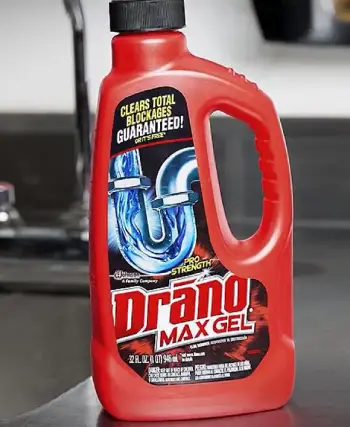
- Thick bleach formula that cuts through standing water: You pour it slowly and it sinks straight to the clog instead of floating or mixing away.
This is the feature I rely on most when the sink is half full of dirty water and I do not want to bail it out first.
- Works on hair, soap scum, and grease: It attacks the proteins in hair and the fats in grease in the same application.
Bathroom and kitchen drains both respond well when the directions are followed carefully.
- Corrosion protection ingredient: Sodium silicate or a similar compound helps shield metal and plastic pipes during the chemical reaction.
I have used it repeatedly in older homes without noticing pipe damage when I stuck to the recommended amounts.
- Simple pour and wait process: Half bottle or full bottle depending on severity, wait fifteen to thirty minutes, then flush with hot but not boiling water.
No complicated steps or extra tools are required for normal use.
Septic safe when used correctly: The label confirms it will not harm septic systems if you stick to the recommended pour sizes and avoid overuse.
This makes it practical for homes that rely on septic rather than city sewer lines.
Pros Of Drano Max Gel
- Reliable speed on many clogs: When a drain is only partially blocked, this gel often restores flow within the expected window. I have cleared kitchen sinks of grease and bathroom sinks of hair with one application more often than not.
- Strong value in smaller bottles: Easy to keep one under the sink for emergencies without taking up much space. The price usually sits in a comfortable range for most households that need an occasional fix.
- Trusted brand history: Decades on the market mean most people already know the name and have some experience with it. That familiarity reduces the learning curve when a clog appears suddenly.
- Effective through standing water: No need to bail out the sink first in most cases. The gel does the work of getting past the water so the active ingredients reach the problem area.
- Pipe protection technology: The added inhibitor gives peace of mind if you use it a few times a year. Regular light use has not caused visible corrosion issues in the pipes I have maintained.
Cons Of Drano Max Gel
- Strong chemical odor: The fumes can sting the eyes and nose in a closed bathroom. Good ventilation is non negotiable every time you open the bottle and pour.
- Not suitable for toilets: The product is designed for sinks, showers, and tubs. Using it in a toilet risks damaging seals or simply not working because of the unique pipe layout.
- May require a second application: Severe or long standing clogs sometimes need a repeat treatment after the first flush. Patience and a second pour are better than forcing more product too soon.
- Potential skin and eye irritation: Gloves and careful pouring are required. Spills need immediate cleanup with plenty of water to avoid burns or lasting discomfort.
- Less ideal for very old or fragile pipes if overused: Even with inhibitors, frequent heavy applications can stress aging plumbing over time. Stick to occasional use rather than weekly treatments.
Key Features Of Liquid-Plumr
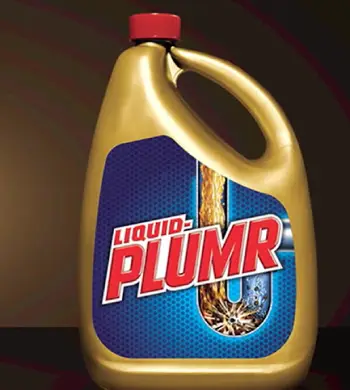
- Pro strength gel that reaches clogs through water: Similar sinking action to Drano allows the formula to push past standing water and concentrate on the blockage.
The thickness keeps active ingredients where they need to work instead of diluting too quickly.
- Strong performance on hair clogs: Many independent tests and user reports highlight its ability to liquify hair.
Bathroom sinks and showers are where I have seen it perform especially well on dense protein based plugs.
- Surfactants for better penetration: These cleaning agents help loosen debris and let the formula spread through mixed clogs of hair, soap, and light grease.
The result is more even contact across the entire blockage surface.
- Larger bottle options for maintenance: The eighty ounce size makes monthly preventive treatments practical without constant rebuying.
One bottle can cover several drains over a season of regular care.
- Safe for a wide range of pipe materials: Explicitly listed as suitable for PVC, plastic, copper, older pipes, and septic systems.
This broad compatibility reduces worry when the exact pipe material is unknown.
Pros Of Liquid-Plumr
- Fast action on hair heavy clogs: Bathroom drains filled with long hair often clear more quickly with this formula in my experience. The surfactants appear to help it attack protein structures efficiently and thoroughly.
- Good value in larger sizes: An eighty ounce bottle lasts through several treatments or a season of preventive pours. The lower cost per ounce becomes clear when you treat multiple drains regularly.
- Milder perceived scent for some users: While still chemical, many people report it feels less overpowering than some competitors when the area is ventilated. This can make the wait time more comfortable in smaller rooms.
- Versatile across drain types: Works in kitchen sinks, bathroom sinks, showers, and tubs. Garbage disposals are generally listed as acceptable when used correctly and flushed properly afterward.
- Clear instructions and consistent performance: The directions are straightforward, and results tend to be predictable when you measure the pour and wait the full time. This reliability reduces guesswork during an emergency.
Cons Of Liquid-Plumr
- Can take longer on heavy grease: Kitchen clogs packed with solidified oil sometimes need more dwell time or a second round compared with heat generating formulas. Overnight treatment becomes useful for the toughest grease layers.
- Price per bottle can run higher: Especially for the smaller specialized sizes, the cost adds up if you face frequent clogs. Buying the larger containers helps offset this over time.
- Still produces chemical fumes: Ventilation remains essential. The bleach component means you never want to mix it with ammonia or other cleaners under any circumstances.
- Not a toilet product: Same restriction as Drano keeps it out of the toilet bowl and trap. Using it there can create more problems than it solves.
- Occasional need for multiple treatments: Very dense mixed clogs may not fully clear on the first try, requiring patience and a follow up pour after thorough flushing of the first application.
Real World Performance On Common Clog Types
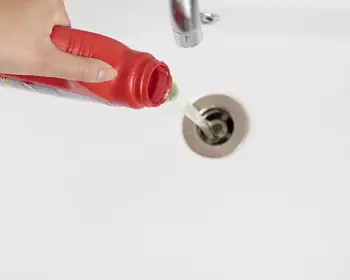
Hair clogs dominate bathroom drains. Long strands wrap around soap scum and form dense plugs that slow or stop water completely.
Both products dissolve the hair proteins, but Liquid-Plumr’s reputation for hair specific action holds up in many home tests.
I have poured it into a shower that drained at a crawl and watched the water level drop steadily within twenty minutes.
Drano Max Gel handles the same job reliably, especially when the clog also includes soap residue that needs the oxidizing power of the bleach component.
Kitchen grease is a different animal. Cooking oils cool and solidify along pipe walls, trapping food particles into a sticky mass. The alkaline action of both cleaners turns the grease into a soap like substance that rinses away with hot water. Drano’s thicker gel and occasional heat association give it an edge on older, thicker grease layers in my kitchen tests.
Liquid-Plumr still clears lighter grease when left for the full recommended time or overnight. Mixed clogs that contain both hair and grease respond to either product, though results improve when you allow the full dwell time rather than checking too early.
Soap scum and mixed organic buildup respond well to either gel. The bleach component helps break the film that soap leaves behind on pipe walls.
For slow drains that have not fully stopped, a half bottle preventive treatment once a month keeps things moving and reduces the chance of a full emergency.
I have adopted this habit in both bathrooms and the kitchen, and the number of complete stoppages has dropped noticeably.
Neither product removes solid objects such as toys, jewelry, or large food scraps that somehow made it past the strainer.
If the clog feels mechanical rather than organic, a plumber’s snake or professional camera inspection is the smarter next step.
Chemical gels excel at organic material and struggle with anything that cannot be dissolved.
Also Read: Is Peachloft Drain Cleaner Worth It?
Frequently Asked Questions (FAQ)
It depends on the clog. Liquid-Plumr often edges out on pure hair clogs while Drano Max Gel performs strongly on grease and mixed blockages. Both clear most common household clogs effectively when used as directed.
Not in a simple yes or no sense. Strength varies by formula and clog type. Some Liquid-Plumr versions advertise higher active levels for hair, while Drano Max Gel is frequently rated highly for overall power and speed.
Many prefer mechanical methods first such as snakes, hydro jetting, or camera inspection, especially for recurring problems. Chemical gels are accepted for light organic clogs, but pros caution against overuse because residual chemicals can complicate later repairs.
Both use sodium hydroxide and sodium hypochlorite in gel form. Differences lie in exact ratios, added surfactants or inhibitors, bottle sizes, scent intensity, and slight variations in how quickly they act on specific materials like hair versus grease.
Wrapping Up
After years of testing both products in real home drains, I know that Drano Max Gel and Liquid-Plumr each deliver solid results on the organic clogs most of us face.
You have seen the side by side features, the pros and cons, and the practical differences that matter when water is backing up.
Choose the one that matches your most common clog type and bottle size preference, follow the safety steps, and keep a backup on the shelf.
When you treat drains early and combine chemical help with simple prevention, you spend far less time staring at standing water and more time enjoying a house that just works.
Recent Posts
● Interactive 5-Zone Interior & Exterior Paint Blueprint Paint Coverage Calculator: Gallons, Primer, Square Footage & Cost Tap any architectural surface zone on the blueprint...
If you want smooth, shiny hair without spending a fortune on a premium styling tool, the Ella Bella hair dryer may be worth considering.In these Ella Bella hair dryer reviews, I’ll look...