
As I sit in my living room, surrounded by the hum of my smart devices, I often reflect on how these gadgets have changed my daily routine.
In this article, I’ll share my experiences comparing the Amazon Echo and the Echo Dot, two popular smart speakers that bring voice control and music into our homes.
My main goal here is to help you decide which one fits your needs by breaking down their features, differences, and real-world use, all from my hands-on perspective.
| Feature | Amazon Echo | Amazon Echo Dot |
| Size and Design | Larger cylindrical shape, about 5.8 inches tall | Compact puck-like design, around 3.9 inches in diameter |
| Audio Quality | 3-inch woofer and dual 0.8-inch tweeters for rich sound | Single 1.6-inch speaker for basic audio |
| Price Range | Typically $80-$100 | Usually $40-$50 |
| Connectivity | Bluetooth, Wi-Fi, Zigbee hub built-in (some models) | Bluetooth, Wi-Fi, no built-in hub |
| Smart Home Integration | Advanced hub capabilities | Relies on external hubs for some functions |
| Display | No screen (standard model) | No screen, but clock version available |
| Power Source | Plugs into wall outlet | Plugs into wall outlet |
| Ideal Use | Living rooms, parties | Bedrooms, small spaces |
Understanding The Basics
I’ve been using Amazon’s smart speakers for years now, and it’s fascinating how they’ve evolved from simple voice assistants to central hubs in my home.
The Echo, often just called the “full-size Echo,” is the bigger sibling in the lineup. It stands taller and promises a more immersive audio experience.
On the other hand, the Echo Dot is the compact version, designed for those who want Alexa’s smarts without taking up much space.
From my time setting them up, both run on Alexa, Amazon’s voice assistant. You can ask them to play music, set alarms, control lights, or even tell jokes.
But where they differ is in how they fit into your life. If you’re like me and enjoy blasting tunes during dinner prep, the Echo’s sound might win you over.
Yet, for quick bedtime stories in a cozy room, the Dot has been my go-to.
Key Differences Between The Echo Speaker And Echo Dot
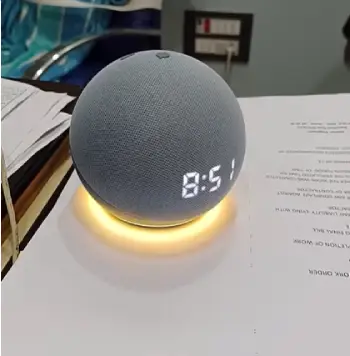
Now, let’s get into what sets them apart. I’ve tested both side by side, and these distinctions matter based on your setup.
- Size and Portability: The Echo is bulkier, suited for stationary spots like shelves, while the Dot’s small size lets me move it room to room effortlessly.
- Sound Performance: Echo offers deeper bass and clearer highs for music lovers; the Dot’s speaker is fine for podcasts but lacks punch for loud tunes.
- Smart Home Capabilities: Echo often has a built-in hub for direct device control, saving me from buying extras; Dot needs separate hubs for advanced integrations.
- Price Point: Echo costs more upfront, reflecting its features; Dot is budget-friendly, ideal if you’re starting out or expanding.
- Power and Setup: Both plug in, but Echo’s larger drivers demand more power; Dot is energy-efficient for always-on use.
- Aesthetics: Echo has a more premium look with fabric covering; Dot is minimalist, blending into backgrounds.
These differences influenced my choices – Echo for main areas, Dot for secondary ones.
Key Features Of The Amazon Echo Speaker
Let me walk you through what makes the Echo stand out in my setup. I’ve placed one in my kitchen, and it’s become indispensable.

- Powerful Audio System: With a 3-inch woofer and two tweeters, it delivers room-filling sound.
I notice the bass kicks in nicely during playlists, making movie nights feel more cinematic.
- Built-in Smart Hub: Many models include Zigbee support, so I connect bulbs and sensors directly without extra bridges.
This simplified my smart home expansion.
- Adaptive Sound Technology: It adjusts volume based on room noise.
In my noisy household, this means I don’t shout over the vacuum.
- Multi-Room Music: Sync with other Echos for whole-home audio.
I’ve used this for parties, and it’s seamless.
- Privacy Features: Mute button and voice recording deletion.
I appreciate controlling my data easily.
These elements make the Echo feel like a premium device. When I first unboxed it, the build quality impressed me – solid and sleek.
Pros Of The Amazon Echo Speaker
From my usage, the Echo has several advantages that make it worth the extra spend.
- Superior Sound Quality: The audio is immersive, perfect for entertaining. I host gatherings, and guests always comment on the clarity.
- Integrated Hub Functionality: Simplifies controlling my lights and thermostat. No more app hopping.
- Versatile Placement: Though larger, it fits well in open spaces. Mine enhances my decor.
- Long-Term Value: Durable build lasts years. I’ve had mine since 2018, still going strong.
- Enhanced Voice Recognition: Picks up commands from afar, even in echoey rooms.
Overall, it’s a solid investment if audio matters to you.
Cons Of The Amazon Echo Speaker
No device is perfect, and I’ve encountered a few drawbacks.
- Higher Cost: More expensive than the Dot, which might deter budget shoppers.
- Space Requirements: Takes up more room, not ideal for tiny apartments like my old place.
- Power Consumption: Uses more electricity due to bigger speakers.
- Overkill for Basics: If you just need Alexa for queries, it’s unnecessary.
- Limited Portability: Heavier, so not great for travel or frequent moves.
These issues are minor if it matches your needs.
Key Features Of The Amazon Echo Dot

Switching to the Dot, which I keep on my nightstand, it’s all about convenience in a small package.
- Compact Design: Fits anywhere without dominating space.
Mine sits discreetly next to my lamp.
- Alexa Integration: Full access to skills like weather updates or shopping lists.
I use it daily for reminders.
- Clock Display Option: Some versions show time, which doubles as a night clock.
Handy for groggy mornings.
Bluetooth Connectivity: Pairs with external speakers for better sound.
I’ve linked it to my soundbar occasionally.
- Affordable Entry Point: Low cost makes it easy to add multiples.
I have a couple around the house.
The Dot’s simplicity shines in everyday tasks. It’s not flashy, but it gets the job done reliably.
Pros Of The Amazon Echo Dot
The Dot’s strengths lie in its accessibility and ease.
- Affordable Price: Great for trying smart tech without commitment. I bought extras on sale.
- Small Footprint: Fits in tight spots, like my desk or bathroom shelf.
- Easy Integration: Works with existing setups. Paired mine with headphones for private listening.
- Multiple Unit Potential: Cheap enough to place in every room for consistent control.
- Quick Setup: Plugs in and connects fast. I had it running in minutes.
It’s perfect for beginners or as add-ons.
Cons Of The Amazon Echo Dot
Despite its appeal, there are limitations I’ve noticed.
- Limited Audio: Sound is tinny for music; better for voice responses.
- No Built-in Hub: Requires additional devices for full smart home features.
- Basic Design: Lacks the wow factor of larger models.
- Shorter Range: Voice pickup isn’t as strong in big rooms.
- Dependency on Extras: Needs pairing for better sound, adding steps.
Still, for the price, it’s hard to complain.
Sound Quality Showdown
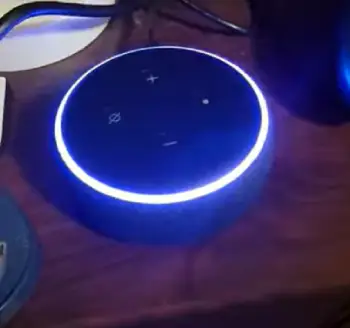
Audio is a big deal for me, as I love streaming playlists while working.
The Echo’s setup with a woofer and tweeters creates a balanced soundstage.
I’ve played everything from rock to classical, and it handles dynamics well.
Bass thumps without distortion, and vocals come through crisp.
Compare that to the Dot – its single speaker is adequate for casual listening.
I use it for news briefings or audiobooks, where clarity over volume wins.
But crank up a party mix, and it struggles.
In my tests, the Echo filled a 20×20 room easily, while the Dot suited a 10×10 bedroom.
If you’re an audiophile like me, the Echo edges out. For everyday chatter, the Dot suffices.
Design And Build Quality
Looks matter when devices live in your home. The Echo’s cylindrical form, wrapped in fabric, feels modern and sturdy.
Mine has withstood accidental bumps from kids. It’s about the size of a small vase, so it doesn’t overwhelm.
The Dot, puck-shaped and plastic, is unassuming. I like how it disappears into the background. Build-wise, it’s tough too – dropped mine once, no issues.
But it lacks the premium vibe.
In terms of colors, both offer options like black or white to match your style. I’ve mixed them for a cohesive look.
Smart Home Integration
This is where my analytical side kicks in. As someone with lights, locks, and thermostats connected, the Echo’s Zigbee hub is a game-changer.
I say “Alexa, dim the lights,” and it happens instantly without lag from extra devices.
The Dot integrates via Wi-Fi and Bluetooth, but for Zigbee stuff, you need a separate hub. I’ve used it that way in guest rooms, and it’s fine, but less streamlined.
Both support routines – like morning wake-ups with news and coffee maker starts. I’ve set up custom ones, and they work flawlessly on either.
Privacy And Security Considerations
I take privacy seriously, especially with always-listening mics. Both have mute buttons that light up red when off, giving peace of mind.
I review and delete voice history via the app regularly.
Amazon’s updates keep security tight against vulnerabilities. In my experience, no breaches, but I stay vigilant.
If you’re concerned, the Dot’s smaller size might feel less intrusive, but features are identical.
Price And Value Analysis
Budget plays a role in my purchases. The Echo, at around $100, offers value through better sound and hub features. I’ve justified it for main living areas.
The Dot, half the price, provides 80% of the functionality for casual users. I bought multiples during sales, creating a network affordably.
Long-term, both hold up, but Echo’s extras might save money on separate hubs.
User Scenarios And Recommendations
Think about your life. If you host dinners or workouts with music, like I do, go Echo. It’s my pick for kitchens or dens.
For alarms, weather checks, or kid’s rooms, the Dot shines. Mine helps with homework questions quietly.
In a small apartment? Dot all the way. Spacious home? Mix them.
Software And Updates
Alexa evolves constantly. Both get the same updates, adding skills like recipe suggestions or games. I’ve enjoyed new features without buying new hardware.
App control is intuitive – I tweak settings from my phone easily.
Accessories And Expansions
I’ve played around with quite a few add-ons for both the Echo and Echo Dot over the years, and they really help customize your setup.
For the full-size Echo, options include adjustable stands to position it at eye level, wall mounts for a cleaner look, and even battery bases for temporary portability in spots without outlets.
Some folks pair it with an Echo Sub for extra bass during movie nights—I’ve tried that combo, and it makes a noticeable difference in deeper sound.
The Echo Dot gets similar treatment but leans toward compact solutions. Desktop stands keep it stable on shelves, wall mounts free up surface space, and colorful skins or cases add personality without much effort.
Power adapters with longer cables are handy too, especially for awkward placements. Third-party brands offer swivel stands or outlet shelves that integrate neatly.
Both devices expand through smart home integrations—like linking to lights, plugs, or cameras via Alexa routines.
Bundles with other Amazon gear, such as Fire TV or Eero Wi-Fi extenders, create seamless whole-home systems. In my experience, starting small with a stand or mount often sparks bigger expansions.
These extras aren’t essential, but they’ve made my Echo network more practical and fun to use daily.
Also Read: Comparison Of Echo Spot And Echo Show 5
Frequently Asked Questions (FAQ)
The main differences are in size, sound quality, and smart hub features; Echo is larger with better audio and built-in hub, while Dot is compact and more basic.
It depends on your needs – the full Echo for superior sound and integration, or Dot for affordability and small spaces.
The Echo Dot edges out with better sound and features over the even smaller Pop, but Pop is cheaper for ultra-basic use.
Yes, it has a built-in speaker for music and voice, though it’s not as powerful as larger models.
Wrapping This Up
I’ve shared my journey with the Echo and Echo Dot, highlighting how they’ve integrated into my routine.
You might find the Echo’s robust sound and hub features transform your space, or the Dot’s simplicity and affordability suit your on-the-go style.
Ultimately, consider your room size, budget, and audio needs – that’s what guided me. Whichever you choose, it’ll bring a bit of magic to your home.
What do you think – ready to pick one?
Recent Posts
● Interactive 5-Zone Interior & Exterior Paint Blueprint Paint Coverage Calculator: Gallons, Primer, Square Footage & Cost Tap any architectural surface zone on the blueprint...
If you want smooth, shiny hair without spending a fortune on a premium styling tool, the Ella Bella hair dryer may be worth considering.In these Ella Bella hair dryer reviews, I’ll look...