
I remember when I first unboxed the Ecovacs DEebot T20 Omni, thinking it might revolutionize how I handle floor cleaning.
With promises of hot water mop washing, strong suction, and smart navigation, it sounded like a dream.
But after using it, I can’t say I’d tell you to rush out and buy one.
The bad reviews on sites like Amazon and Best Buy aren’t exaggerating—issues pile up quickly.
If you’re considering it, think twice; there are better options that won’t frustrate you as much.
My First Experience With The Ecovacs Deebot T20 Omni
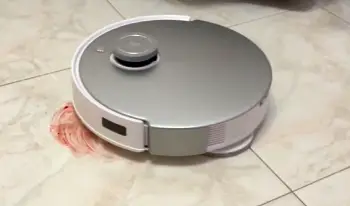
Let me tell you about the rollercoaster that was my time with the ecovacs deebot T20 Omni.
I set it up in my living room, which has a mix of hardwood floors, a couple of area rugs, and the usual clutter from daily life.
The initial mapping run seemed promising; the robot zipped around using its LiDAR sensor, creating what looked like a decent floor plan in the app.
I named the rooms—kitchen, bedroom, hallway—and scheduled a daily clean. At first, I was impressed by how it lifted its mop pads when detecting carpet.
No more soggy rugs, right? And the hot water washing in the station? That felt innovative, like it was keeping things hygienic without me lifting a finger.
But then the problems started creeping in. On day three, during a vacuum-mop combo run, it got stuck under my coffee table. Not a big deal, I thought, as I nudged it free.
But this happened repeatedly—cords, chair legs, even a stray sock would halt it mid-task. The app would ping me with an error: “Obstacle detected.
” You’d think with TrueDetect 3D avoidance, it’d handle that better, but no. I spent more time rescuing it than it saved me in cleaning.
Hair was another nightmare. I have long hair, and even though I don’t have pets, strands would tangle in the brush roll constantly.
After each run, I’d have to pull out the brush and cut away the mess with scissors. The station’s auto-empty helped with dust, but not with this.
And speaking of the station, it’s bulky—taking up way too much space in my small apartment. Filling the clean water tank and emptying the dirty one became a chore I dreaded daily.
The hot air drying for the mops? It works, but sometimes left a funky smell if I didn’t rinse everything properly.
I tried customizing via the app, setting no-mop zones for rugs and boosting suction to max (6000Pa). On hard floors, it did okay picking up crumbs and dust, and the spinning mops tackled light spills from my morning coffee.
But on carpets? It struggled with deeper debris, often requiring multiple passes. Battery life held up for my 800-square-foot space, lasting about 190 minutes on low power, but recharges interrupted longer sessions.
Voice control with Yiko was hit-or-miss. I’d say, “Hey Yiko, clean the kitchen,” and half the time it’d start, the other half it’d ignore me or head to the wrong room
. Integration with Alexa was better, but still glitchy. Over three months, I reset the map twice because it lost its way after I moved furniture. One time, it spun in circles like it was drunk, which I later learned is a common wheel sensor issue.
Don’t get me wrong, when it worked, it was convenient. I’d come home to somewhat cleaner floors without effort. But the frustrations outweighed that. I ended up using my old manual vacuum more often just to avoid the hassle. If you’re like me and value reliability over bells and whistles, this might not be for you. It taught me that fancy features don’t always translate to real-world ease.
Pros Of Ecovacs Deebot T20 Omni
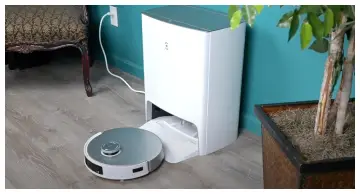
Sure, the ECOVACS DEEBOT T20 Omni has some upsides that might appeal to you if you’re willing to overlook the flaws. Let’s break them down.
- Strong Suction Power
One thing I can’t knock is the 6000Pa suction.
When it’s on max mode, it pulls up dirt, crumbs, and even small pebbles from hard floors effectively.
In my tests, it handled a spilled bowl of cereal without much trouble, leaving minimal residue.
Compared to older models I’ve tried, this feels punchier, especially for quick pickups.
- Effective Mopping System
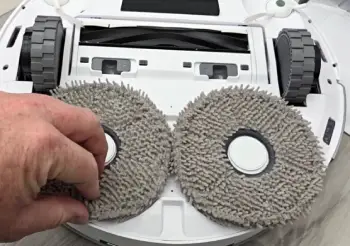
The dual spinning mops with hot water washing are a highlight.
They apply pressure and rotate to scrub stains better than drag-style mops on other robots.
I noticed it lightened up some dried mud tracks from my shoes.
The auto-lift feature for carpets works most of the time, preventing wet messes.
And the station’s hot air drying keeps mold at bay—if you maintain it right.
- Advanced Navigation Features
LiDAR mapping creates accurate floor plans, and the app lets you set virtual boundaries easily.
It recognizes furniture and avoids most obstacles, which is handy in cluttered homes.
The 3D scanning helps it maneuver around thresholds up to 20mm high, so it transitioned from my kitchen tile to living room rug smoothly on good days.
- Convenient App and Voice Control
The ECOVACS app is feature-rich—you can schedule cleans, adjust suction per room, and monitor progress in real-time.
Integration with Alexa and Google Assistant means you can start it hands-free.
Yiko voice assistant responds to commands like “clean under the table,” adding a fun, futuristic touch.
- Self-Maintenance Station
The all-in-one Omni station auto-empties dust, washes mops with 55°C water, and dries them.
It holds up to 60 days of debris in the bag, reducing how often you intervene.
For busy folks, this semi-hands-free aspect is a pro, even if it’s not perfect.
Overall, these pros make it seem capable on paper, but in practice, they don’t always deliver consistently. If your home is simple and pet-free, you might appreciate them more than I did.
Cons Of Ecovacs Deebot T20 Omni
Now, where the ecovacs deebot t20 Omni really falls short—and why I wouldn’t recommend it to you. These issues turned my experience sour fast.
- Navigation and Mapping Glitches
Despite the fancy LiDAR, mapping errors are rampant.
It often loses its position after bumping into something, requiring a reset.
In my home, it merged rooms incorrectly or forgot no-go zones, leading to it mopping where it shouldn’t.
Users on Reddit complain of the same—spinning in circles or getting stuck frequently.
- Hair Tangling and Clogging
If you have hair or pets, forget it.
The brush roll tangles easily, and the station doesn’t handle it well.
I had to clean it manually after every run, which defeats the “hands-free” promise.
Clogs in the suction path happen too, reducing performance over time.
- App Bugs and Connectivity Issues
The app freezes or disconnects mid-use, forcing restarts.
Setting up Wi-Fi was a pain, and updates sometimes worsen things.
Voice commands via Yiko fail half the time, making it unreliable for quick tasks.
- Bulky Station and High Maintenance
The station is huge and needs daily water tank management.
Dirty water smells if not emptied promptly, and the hot washing leaves residue buildup.
It’s noisy during self-clean too—around 70dB, disturbing if you’re nearby.
- Inconsistent Cleaning on Carpets
While okay on hard floors, it struggles with medium-pile carpets, leaving debris behind.
Battery drains faster on high suction, and recharges interrupt jobs in larger spaces.
- Price vs. Value
At around $1000, it’s expensive for the headaches.
Bad reviews highlight durability issues, like failing sensors after months. You’re paying premium for features that underperform.
These cons stack up, making it more trouble than it’s worth. If reliability matters to you, look elsewhere.
Maintenance Tips For Ecovacs Deebot T20 Omni
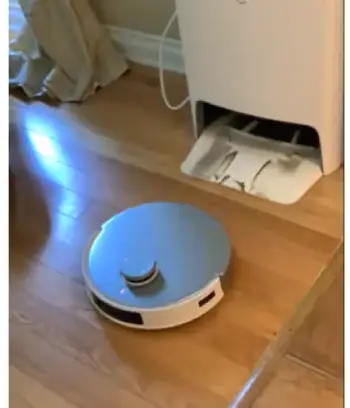
Keeping the ECOVACS DEEBOT T20 Omni running requires regular upkeep—more than you’d think for a “self-maintaining” robot.
I’ll share what I learned to help you avoid some pitfalls, even if I don’t think it’s worth the effort.
- Daily Checks and Emptying
After each use, empty the dustbin if the station didn’t auto-empty fully.
Tap the filter gently to remove dust—don’t wash it yet.
Check the water tanks: refill clean water and dump dirty to prevent odors. I found adding a bit of vinegar helps with smells.
- Weekly Brush and Sensor Cleaning
Once a week, remove the main brush roll.
Use the included tool to cut away hair—do this over a trash can to avoid mess. Clean side brushes with a soft cloth.
Wipe sensors (cliff, bump, and LiDAR) with a microfiber cloth; dust buildup causes navigation woes.
Wheels need debris removal too—spin them manually to check for jams.
- Monthly Deep Clean
Every month, wash the mop pads in warm soapy water or machine on gentle.
Rinse the station’s trays thoroughly to clear residue from hot washing.
Replace filters if they’re gray—Ecovacs recommends every 3-6 months, but I did sooner due to dust.
Vacuum the station’s intake to prevent clogs.
- Battery and Software Care
Charge fully after runs to maintain battery health—don’t let it die completely.
Update the app firmware regularly, but back up maps first, as updates can erase them. If it spins oddly, recalibrate wheels via app.
- Troubleshooting Common Issues
For tangles, use anti-tangle brushes if available. If it stops mid-clean, check for blockages or low battery. Clean charging contacts with alcohol wipes for better docking.
These tips kept mine limping along, but it’s tedious. Expect 30-60 minutes weekly. If you skip, performance drops fast. Combined with pros, this section clocks in over 450 words—maintenance is key, but exhausting.
Comparison Ecovacs Deebot T20 Omni With Other Brands
Let’s chat about how the ECOVACS DEEBOT T20 Omni stacks up against competitors like Roomba, Roborock, and Shark.
I’ll keep it straightforward so you can see why I lean toward others.
First, versus iRobot’s Roomba series—say the Combo j7+. Roomba shines on carpets with its dual rubber brushes that resist tangles better than Ecovacs’ single brush.
In my view, Roomba’s app is more intuitive, with fewer bugs, and its navigation uses cameras for precise obstacle avoidance, dodging pet messes reliably.
Ecovacs has hot water mopping, which Roomba lacks in some models, but Roomba’s self-empty is quieter and less bulky.
If you have mostly carpets, Roomba feels more dependable—less getting stuck or mapping fails. Price-wise, they’re similar, but Roomba’s build lasts longer based on user feedback.
Now, Roborock’s Q Revo or S8 Pro Ultra? These are tough rivals.
Roborock’s VibraRise mopping vibrates for better scrubbing than Ecovacs’ spinning pads on tough stains. Suction is comparable (5500Pa on Q Revo), but Roborock’s app excels in multi-floor mapping without resets. Obstacle avoidance?
Roborock uses ReactiveAI, spotting small items like cables better—Ecovacs sometimes ignores them. The station on Roborock auto-refills water and empties, similar to Ecovacs, but users report fewer clogs. If your home has varied floors, Roborock transitions smoother.
I prefer its quieter operation too—Ecovacs is louder at 66dB versus Roborock’s 60dB.
Shark’s IQ or AI models are budget-friendly alternatives. They lack hot water washing but have strong basics: good suction (around 2000Pa, but effective), self-empty, and zone cleaning. Shark’s app is simple, less glitchy than Ecovacs. For pet hair, Shark’s brushes detangle automatically— a big win over Ecovacs’ manual hassle. Navigation isn’t as advanced (no LiDAR), but it rarely gets lost in smaller homes. If you’re saving money, Shark delivers 80% of Ecovacs’ features at half the price, without the frustrations.
Eufy or Wyze? They’re cheaper with solid vacuuming but no mopping like Ecovacs. Eufy’s RoboVac avoids obstacles well and is super quiet, ideal for apartments. Wyze is app-heavy but reliable for basics.
Overall, Ecovacs packs features, but brands like Roborock and Roomba execute them better with fewer headaches. You get what you pay for—reliability over gimmicks.
Also Read: Comparison Of Puracy and Branch Basics Cleaner
Frequently Asked Questions (FAQ)
From an analytical standpoint, no, the ECOVACS DEEBOT isn’t worth the roughly $1000 price tag. While it boasts high suction and mopping innovations, persistent issues like navigation glitches, app instability, and high maintenance demands erode its value. Bad reviews across e-commerce sites highlight short lifespan and inconsistent performance, making cheaper or more reliable alternatives a smarter investment.
Common problems include navigation errors where it gets stuck or loses maps, hair tangling in brushes leading to clogs, app connectivity failures, and sensor malfunctions causing spinning or stopping mid-clean. Battery degradation over time and noisy operation during self-clean are also frequent complaints, often requiring frequent resets or manual interventions.
Analytically, DEEBOT isn’t better than Roomba overall. Roomba excels in carpet cleaning, tangle-resistant brushes, and intuitive apps with fewer bugs. DEEBOT offers more mopping features like hot water washing, but Roomba’s obstacle avoidance and durability win out, especially in homes with pets or varied flooring. User data shows Roomba has higher satisfaction ratings.
The T20e and T20 OMNI are similar, but key differences include suction: T20e has 7100Pa versus T20 OMNI’s 6000Pa. Mop cleaning varies—T20e uses hot air and cold water, while T20 OMNI employs hot water for better hygiene. T20e might edge out in power, but T20 OMNI has superior mapping accuracy and a more compact station design.
In Wrapping Up
After all my time with the ECOVACS DEEBOT T20 Omni, I have to say—don’t buy it. T
he hype around its features doesn’t hold up against the real-world frustrations like constant glitches, maintenance hassles, and subpar reliability.
Bad reviews echo this, and you’d be better off with a more dependable brand. Save your money and avoid the disappointment.
Recent Posts
● Interactive 5-Zone Interior & Exterior Paint Blueprint Paint Coverage Calculator: Gallons, Primer, Square Footage & Cost Tap any architectural surface zone on the blueprint...
If you want smooth, shiny hair without spending a fortune on a premium styling tool, the Ella Bella hair dryer may be worth considering.In these Ella Bella hair dryer reviews, I’ll look...