
As someone who’s always on the lookout for gear that simplifies life without skimping on style, I’ve spent time comparing the Ekster and Code 118 wallets.
In this article, I’ll share my analysis to help you figure out which one fits your daily carry needs, focusing on features, build quality, and value.
Whether you’re tired of bulky pockets or just want something smarter, we’ll break it down step by step.
| Feature | Ekster | Code 118 |
| Price Range | $89 – $135 | $49.95 – $60 |
| Material | Aerospace-grade aluminum, premium options like carbon fiber | Aerospace-grade aluminum |
| Card Capacity | Up to 12 cards | Up to 10 cards (7 without add-ons) |
| Mechanism | Pop-up trigger for quick access | Pop-up ejector |
| RFID Blocking | Yes | Yes |
| Tracker Compatibility | Built-in solar-powered tracker option | Compatible with AirTag add-ons |
| Warranty | Lifetime on some models | 1-year |
| Ratings | 4.6 stars | 2.6 stars |
| Launch Year | 2015 | 2020 |
| Additional Features | Modular add-ons, expandable backplate | Modular backplate, cash strap |
Key Differences Between Ekster And Code 118
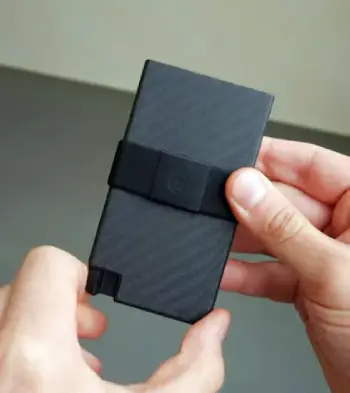
Diving into what sets them apart, I’ve pinpointed areas where choices matter most. These distinctions helped me decide based on my lifestyle.
- Price and Value: Ekster costs more but offers premium feel and features.
Code 118 saves money upfront, appealing if you’re budget-conscious, though it might not last as long.
- Build and Materials: Ekster uses higher-grade aluminum with options like forged magma for better scratch resistance.
Code 118’s aluminum is solid but feels less refined in hand.
- Card Access and Capacity: Ekster’s trigger is smoother and holds more cards.
Code 118’s ejector works, but with fewer slots, it’s for minimalists only.
- Tracking Capabilities: Ekster’s solar tracker is integrated and eco-friendly.
Code 118 relies on separate AirTag holders, which I found less seamless.
- Customization and Add-ons: Ekster has more modular options, like multi-tools.
Code 118’s backplate is basic, limiting expansion.
- Durability and Warranty: Ekster’s lifetime warranty backs its toughness. Code 118’s one-year coverage reflects its entry-level status.
- User Experience and Ratings: Ekster enjoys higher praise for innovation. Code 118 gets mixed reviews, often seen as a copycat.
- Design Philosophy: Ekster innovates with a focus on sustainability. Code 118 prioritizes simplicity and affordability.
Understanding Ekster
These differences boil down to whether you want proven quality or quick savings.
When I first got my hands on an Ekster wallet, it felt like a step up from the traditional leather bifolds I’d used for years.
This brand has been around since 2015, and it’s clear they’ve put thought into making wallets that blend tech with everyday practicality.
I appreciate how they focus on innovation, like integrating tracking features that don’t require constant charging.
Key Features Of Ekster
- Pop-up card mechanism: With a simple click, your cards fan out for easy selection.
I’ve found this incredibly handy during rushed coffee runs, where fumbling through cards is the last thing you want.
- RFID protection: Built-in blocking shields your cards from electronic theft.
In my experience, this gives peace of mind in crowded places like airports or subways.
- High card capacity: Holds up to 12 cards plus cash without bulging. I
tested it with my full load—credit cards, ID, and a few bills—and it stayed slim in my front pocket.
- Modular design: You can add extras like a coin pocket or tracker card.
The solar-powered tracker recharges via sunlight, which I’ve used to locate my wallet via an app multiple times.
- Premium materials: Options include brushed aluminum or carbon fiber finishes.
The weight feels substantial yet lightweight, around 83 grams for some models, making it durable for daily knocks.
- Expandable backplate: Allows for customization, like attaching a multi-tool or extra storage. This flexibility turned my basic wallet into a mini EDC kit.
From a real user’s standpoint, Ekster feels like it’s designed for someone who values longevity. I’ve carried mine through hikes and city commutes, and it holds up without scratches showing much. The attention to detail, like the precise engineering of the trigger, makes it stand out.
Pros Of Ekster
Ekster has a lot going for it, especially if you’re after something that lasts. Here’s what stood out in my analysis:
- Superior build quality: The materials feel premium, resisting wear better than cheaper options. I’ve dropped mine a few times, and it barely shows dents.
- Advanced tracking: The solar-powered card means no batteries to worry about. I love how it integrates seamlessly, helping me track via app without extra hassle.
- Higher capacity: Fitting 12 cards means less compromise on what you carry. For me, this included loyalty cards and business cards without bulk.
- Customization options: Modular add-ons let you tailor it to your needs. I added a coin holder, turning it into a versatile tool for travel.
- Strong warranty and support: Lifetime coverage on key models gives confidence. Customer service has been responsive in my interactions.
- Positive user feedback: With high ratings, it’s clear many share my view on its reliability.
These strengths make Ekster ideal for professionals or travelers who need dependability.
Cons Of Ekster
No product is perfect, and Ekster has drawbacks I’ve encountered:
- Higher price tag: Starting at $89, it’s an investment. If you’re on a tight budget, this might feel steep compared to alternatives.
- Learning curve for mechanism: The pop-up can spill cards if not handled upright. I learned this the hard way once, picking up cards from the floor.
- Bulk with add-ons: Fully loaded with modules, it can lose some slimness. In my use, adding everything made it thicker than expected.
- Limited color options in basics: While premiums vary, entry models stick to standard shades. I wished for more variety without upgrading.
- Dependency on app for tracking: If your phone dies, you’re out of luck. This happened to me once, forcing a manual search.
Overall, these are minor if you value the upsides, but they’re worth noting.
Exploring Code 118
Switching to Code 118, I noticed right away it’s positioned as an accessible alternative.
Launched in 2020, this wallet draws inspiration from established designs but aims to deliver at a lower price point.
As I used it, it became clear it’s great for beginners dipping into minimalist wallets, though it doesn’t quite match the polish of older brands.
Key Features Of Code 118
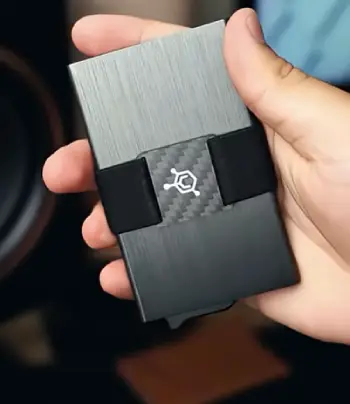
- Pop-up ejector: Similar to Ekster, a slider pops out your cards.
It’s smooth enough for quick access, and I’ve grabbed my debit card in seconds while paying at a drive-thru.
- RFID blocking: Essential protection against skimmers.
I felt secure using it in busy urban areas, knowing my info was safe.
- Compact size: Holds up to 10 cards with add-ons, but starts at 7 without.
In my trials, it managed my essentials—four cards and some cash—keeping things slim.
- AirTag compatibility: You can add a silicone strap for Apple’s tracker.
This worked well for me when I misplaced it once, pinging it via my phone.
- Aluminum construction: Aerospace-grade for toughness.
At about 70 grams, it’s light and fits easily in pockets, with finishes like brushed grey that look modern.
- Cash strap: An elastic band holds bills securely. I’ve tucked in a few twenties without issues, though it stretches over time.
In everyday use, Code 118 surprised me with its simplicity.
It’s like the no-frills version that gets the job done, especially if you’re testing the waters without a big investment.
I carried it for a week of errands, and it handled the basics reliably.
Pros Of Code 118
Code 118 shines in affordability, making it accessible for many. From my perspective:
- Affordable entry point: At $49.95, it’s half the cost of competitors. This allowed me to try minimalist style without regret.
- Lightweight and slim: Easy to forget in your pocket. I appreciated this during long walks, where bulkier options annoy.
- Simple functionality: The ejector works reliably for basic needs. Grabbing cards felt intuitive right away.
- Tracker add-on flexibility: Works with AirTag, which I already owned. Integration was straightforward.
- Durable for price: Aluminum holds up to daily use. Mine survived a month of rough handling without issues.
- Cash handling: The strap secures bills well. I found it better than clips in some cases.
It’s a solid choice for casual users or as a backup.
Cons Of Code 118

Despite its appeal, Code 118 has limitations I’ve noticed:
- Lower card capacity: Maxing at 10 feels restrictive.
I had to leave out extras, unlike with roomier options.
- Questionable long-term durability: Elastic stretches over time.
After weeks, mine loosened, raising concerns.
- Fewer features: No built-in solar tracking; add-ons extra.
This made it less “smart” in my eyes.
- Poorer ratings: Lower scores suggest inconsistencies.
Some users report mechanism failures, which I didn’t experience but noted.
- Bulkier with add-ons: Backplate adds thickness.
Fully equipped, it lost its minimalist edge for me.
- Short warranty: One year versus lifetime elsewhere.
This made me hesitant for heavy use.
These make it better as a starter than a forever piece.
Materials And Durability: A Closer Look
In my hands-on time, materials make a big impact. Ekster’s aerospace-grade aluminum, especially in premium finishes, resists scratches from keys or coins.
I tossed it in my bag daily, and it emerged looking new. Code 118 uses similar aluminum, but the brushing shows wear faster—after a couple weeks, faint marks appeared.
For durability, Ekster edges out, backed by user stories of years-long use. Code 118 suits light duty, but heavy users might notice degradation sooner.
Think about your routine: office desk or outdoor adventures?
Functionality In Daily Life
Using both, functionality varies by scenario. Ekster’s quick-access trigger shines in fast-paced moments, like paying at a register. I timed it: cards out in under two seconds.
Code 118’s slider is comparable, but less precise with full loads. For cash, both have straps, but Ekster’s feels tauter.
Tracking-wise, Ekster’s app integration saved me twice from leaving it behind. Code 118 with AirTag works, but setup took extra steps. If you multitask a lot, Ekster streamlines things more.
Style And Aesthetics
Style matters to me—wallets should look good. Ekster offers sleek colors like space grey or carbon black, fitting professional vibes. I paired mine with suits effortlessly.
Code 118’s brushed finishes are modern but more generic. In social settings, Ekster draws compliments for its techy edge.
Code 118 blends in, which is fine for understated looks. Ultimately, Ekster feels more premium visually.
Value For Money
Analyzing cost, Ekster at $89+ justifies with features. I’ve calculated: over two years, its durability means no replacements.
Code 118 at $50 is a steal initially, but potential wear might lead to buying another.
For Me, Ekster’s Value Shines Long-Term, Especially With Add-Ons Extending Utility.
User Scenarios: Who Should Choose What?
From my perspective, Ekster suits frequent travelers or tech enthusiasts.
Its tracking and capacity handle varied needs. Code 118 fits students or casual users wanting basics cheap.
If you lose things often, go Ekster. For minimal carry, Code 118 suffices.
Environmental And Ethical Considerations
Ekster emphasizes sustainability, using recycled materials in some lines.
This aligns with my values. Code 118 doesn’t highlight this, focusing on affordability. If eco-friendliness matters, Ekster leads.
Maintenance And Care
Both are low-maintenance: wipe with a cloth. Ekster’s mechanism needs occasional cleaning to stay smooth—I did this monthly.
Code 118’s elastic requires checking for stretch. Simple care keeps them functional.
Alternatives Worth Mentioning
While focusing on these two, I’ve compared them to others like Ridge.
Ridge uses elastic bands, no pop-up, holding 12 cards durably. It’s pricier like Ekster but lacks tracking built-in.
Frequently Asked Questions (FAQ)
No, Ekster generally outperforms in quality and features, though Code 118 wins on price.
It’s a budget option with pop-up access, similar to Ekster but less durable than Ridge or Secrid.
Yes for quick access and tracking; Ridge excels in simplicity and no moving parts.
Ridge for longevity and capacity; Code 118 for affordability and pop-up mechanism.
Wrapping Up
You know, after all this comparing, I think the right wallet depends on what you prioritize—quality or cost.
If you’re like me and want something that grows with you, Ekster might be your pick.
But if saving now matters more, give Code 118 a shot.
Whatever you choose, it’ll beat that old bulky one in your drawer.
Recent Posts
● Interactive 5-Zone Interior & Exterior Paint Blueprint Paint Coverage Calculator: Gallons, Primer, Square Footage & Cost Tap any architectural surface zone on the blueprint...
If you want smooth, shiny hair without spending a fortune on a premium styling tool, the Ella Bella hair dryer may be worth considering.In these Ella Bella hair dryer reviews, I’ll look...