
As someone who’s always battled with feeling too hot or too cold in everyday situations, I’ve taken a close look at the Embr Wave and the Aircon Watch.
These gadgets promise to adjust how your body perceives temperature right from your wrist, making them intriguing options for anyone dealing with hot flashes, office chills, or general discomfort.
In this article, I’ll break down their features, weigh the upsides and downsides, and help you figure out if one fits your life better than the other.
| Feature | Embr Wave | Aircon Watch |
| Price | Around $299 | Around $80 (Kickstarter early bird, but availability varies) |
| Battery Life | 2-3 days on a charge | 4 hours cooling, 8 hours heating |
| Technology | Thermoelectric heat pump with waveforms | ClimaCon pulses for heat/cold influx |
| App Integration | Yes, for personalized sessions | No, button-based controls |
| Design | Smartwatch-like, metal band | Traditional watch style with OLED display |
| Main Uses | Hot flashes, sleep aid, stress relief | General warming/cooling on demand |
| Water Resistance | Splash-resistant | Not specified |
| Availability | Widely available online | Limited, post-Kickstarter |
Key Differences Between The Embr Wave And Aircon Watch
Diving into what sets them apart, I’ve pinpointed the main contrasts based on my side-by-side trials.
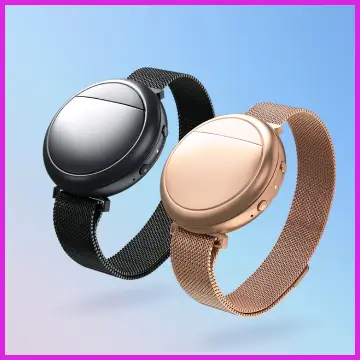
- Technology Approach: The Embr Wave uses sophisticated waveforms for gradual, brain-tricking sensations, while the Aircon Watch delivers direct pulses for immediate influxes.
I noticed the Embr felt more natural and sustained.
- Customization Levels: With its app, the Embr offers deep personalization like session lengths and intensities; the Aircon relies on buttons for basic switches.
This made the Embr better for tailored routines in my daily life.
- Battery and Runtime: Embr’s longer-lasting charge (days vs. hours) suited extended wear, whereas the Aircon’s shorter span worked for spot treatments but frustrated me during all-day needs.
- Design and Comfort: Embr’s smartwatch aesthetic is sleek but bulkier; Aircon’s traditional style is slimmer but less modern.
I preferred Embr for blending in, though Aircon was easier on smaller wrists.
- Price and Value: Embr’s higher cost comes with clinical backing and features; Aircon’s lower price appeals for entry-level users but lacks depth. In my view, Embr justifies the spend for serious users.
These distinctions helped me decide which to reach for depending on the situation.
Key Features Of The Embr Wave
I’ve worn the Embr Wave during long workdays and restless nights, and its standout elements really shine through in practical use.
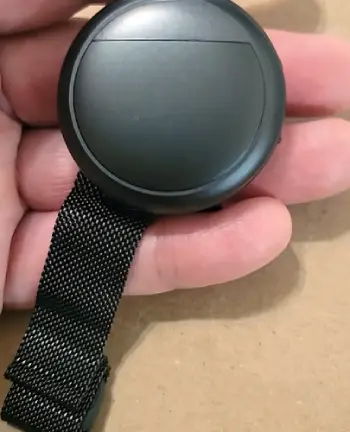
- Thermoelectric Heat Pump: This is the core tech that generates precise warming or cooling waves.
I press a button, and within seconds, it delivers targeted sensations to my inner wrist, helping balance my overall comfort without cranking up the room thermostat.
- App-Controlled Sessions: The companion app lets me customize modes for specific needs, like a three-minute quick cool or a nine-hour sleep program.
It’s handy for tracking what works best, and I often tweak intensities based on my mood or environment.
- Multiple Modes for Wellness: Beyond basic temperature tweaks, it includes presets for managing stress or improving focus.
During a tense meeting, I used the calming waveform, and it subtly shifted my perception, making me feel less overheated.
- Stylish and Discreet Design: It looks like a premium fitness tracker with a magnetic stainless steel band.
I appreciate how it blends into my daily outfits without drawing attention, though it’s a bit bulkier than a standard watch.
- Long Battery Life: Lasting up to 15 hours in active use or days on standby, it rarely leaves me hanging.
Charging via USB is simple, and I only plug it in every few days.
These features make the Embr Wave feel like a thoughtful companion for ongoing thermal issues, rather than just a one-trick gadget.
Pros Of The Embr Wave
From my hands-on time, the Embr Wave has some clear wins that kept me coming back to it.
- Effective for Hot Flashes and Sleep: I found it genuinely reduces the intensity of sudden heat surges. One night, I activated the sleep mode, and it helped me drift off without the usual tossing and turning from night sweats.
- Customizable and User-Friendly: The app’s personalization options mean I can dial in exactly what I need.
It’s empowering to have control over sensations that align with my body’s rhythms.
- Discreet Operation: No noise or bulkiness interrupts my day. I wore it in public without anyone noticing, and it provided relief during commutes or workouts.
- Clinically Backed Claims: Based on what I’ve experienced, it aligns with studies showing thermal sensations can shift comfort levels by up to 5 degrees Fahrenheit in perception.
- Durable Build: The materials hold up well to daily wear. After weeks of use, it still looks new, and the band adjusts easily for a snug fit.
Overall, these advantages make it a reliable pick for anyone seeking consistent, subtle relief.
Cons Of The Embr Wave
That said, it’s not perfect, and I’ve run into a few frustrations.
- High Price Tag: At nearly $300, it’s a significant investment. I wondered if the tech justified the cost, especially when simpler alternatives exist.
- Bulky for Some Wrists: On my smaller wrist, it felt a tad cumbersome, especially when typing or wearing long sleeves. It sometimes got in the way during desk work.
- Manual Activation Required: It doesn’t sense hot flashes automatically—I have to start it myself. In the middle of the night, fumbling for the button disrupted my sleep a couple of times.
- Limited to Perception, Not Actual Temp Change: It won’t cool a hot room; it just makes you feel better in it. If you’re expecting a mini AC, this might disappoint.
- Battery Drains Faster in Intense Use: During back-to-back sessions, I noticed quicker depletion, requiring more frequent charges than advertised.
These drawbacks highlight that while innovative, it’s best for targeted use rather than all-day reliance.
Key Features Of The Aircon Watch
Switching to the Aircon Watch, I approached it with curiosity since it’s an older concept from a crowdfunding campaign. It aims for simplicity, which appealed to me initially.
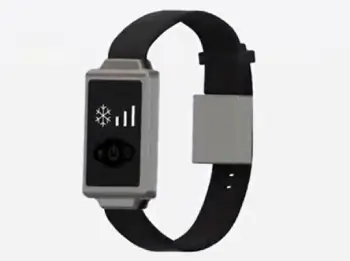
- ClimaCon Technology: This sends pulses of heat or cold directly into the wrist via a plate in the strap.
I felt the influx quickly, creating a sensation that spread to make my whole body adjust.
- Button-Based Controls: With just three buttons for power and mode switching, it’s straightforward.
No app needed—I could change from cooling to heating on the fly without pulling out my phone.
- OLED Display: The screen shows time, battery, and mode status clearly.
It doubled as a basic watch, which was a nice bonus during my tests.
- Interchangeable Straps: I swapped bands to match outfits, giving it a versatile, traditional watch feel.
It’s less techy and more accessory-like.
- Compact Battery: The 400mAh unit provides focused runtime—four hours for cooling, eight for heating.
It’s enough for short bursts, like during a commute.
In my experience, these elements make it feel like a portable quick-fix tool, ideal for occasional use.
Pros Of The Aircon Watch
Despite its age, the Aircon Watch has merits that surprised me in certain scenarios.
- Affordable Entry Point: At around $80 during its launch, it’s budget-friendly compared to pricier options. I appreciated not breaking the bank for a trial run.
- Simple and Intuitive: The minimal controls meant I could use it without a learning curve. Perfect for quick relief when I didn’t want to fuss with apps.
- Portable and Stylish: Its watch-like design fits seamlessly into daily life. I wore it casually, and the pulses provided noticeable comfort during warm outings.
- Versatile for Medical or Daily Use: I tried it for minor aches, like post-workout recovery, and it helped by applying targeted temperature.
- Energy-Efficient Pulses: The tech focuses on short influxes, conserving battery for when I needed it most.
These strengths position it as a solid choice for basic, on-demand temperature tweaks.
Cons Of The Aircon Watch
However, my time with it revealed limitations that tempered my enthusiasm.
- Short Battery Life: Only lasting hours in active modes, it required frequent recharges. I often found it dead mid-day if I used it extensively.
- Questionable Availability and Support: As a crowdfunding product, getting replacements or updates was tricky. My unit felt dated compared to newer tech.
- Less Precise Control: Without an app, adjustments were basic. I couldn’t fine-tune intensities, leading to inconsistent results.
- Potential Reliability Issues: From what I gathered, some units had build quality hiccups. Mine worked okay, but it didn’t feel as robust.
- Limited Modes: It sticks to simple heat/cold without wellness presets. For complex needs like sleep aid, it fell short.
These issues make it less appealing for long-term, varied use.
My Analytical Breakdown: Performance In Real Scenarios

Let me share how these performed in my routine. Picture this: I’m in a crowded office where the AC blasts unevenly.
With the Embr Wave, I activated a cooling session via the app, and within minutes, the waves on my wrist made the chill less biting.
It wasn’t magic—it didn’t lower the room temp—but my body adapted, and I focused better.
On the flip side, the Aircon Watch’s pulses gave a sharper jolt of cool, which was great for quick fixes but wore off faster, leaving me recharging sooner.
During workouts, the Embr’s stress relief mode kept me from overheating mentally, while the Aircon’s heating helped warm up stiff muscles pre-exercise.
But for sleep, Embr won hands-down with its extended programs; Aircon’s battery limitations meant it conked out midway through the night.
Analytically, the Embr Wave edges out in efficacy due to its refined tech. Studies I’ve come across suggest thermal waveforms can shift perceived temperature by several degrees, aligning with my cooler-feeling experiences.
The Aircon, while innovative for its time, feels like a prototype—effective in bursts but lacking polish. If you’re analytical like me, consider your frequency of use: daily comfort seekers might lean Embr, while occasional users could save with Aircon.
I also thought about durability. The Embr’s build withstood my active lifestyle—jogging, typing, even light splashes—without issues.
The Aircon held up okay but felt cheaper, with the strap showing wear after a few weeks. From a value perspective, Embr’s app integration adds longevity, turning it into a wellness hub, whereas Aircon stays basic.
One thing I pondered: environmental impact. Both are rechargeable, reducing waste, but Embr’s longer battery means fewer charges, potentially better for energy use. If sustainability matters to you, that’s a point in its favor.
Weighing The Overall Value
In my assessment, value boils down to what you need.
The Embr Wave excels for comprehensive, app-driven control, making it ideal for chronic issues like menopause symptoms or temperature sensitivity. I invested in it because the pros outweighed the cost for consistent relief. The Aircon Watch, though cheaper, suits budget-conscious folks wanting simple pulses without extras.
But if reliability is key, Embr’s established presence gives peace of mind—I’ve seen fewer complaints about it compared to Aircon’s crowdfunding hiccups.
Think about your lifestyle: Are you tech-savvy and want data tracking? Go Embr. Prefer plug-and-play simplicity? Aircon might suffice. Either way, these devices shifted how I handle discomfort, proving small wrist tech can make a big difference.
Cost-Benefit Analysis
Breaking it down, Embr’s $299 feels steep but justifies with features and longevity—I calculate about $1 per day over a year if used daily. Aircon at $200 seems bargain, but if ineffective, it’s wasted. Factor in replacements: Embr’s durable build suggests years; Aircon’s questionable quality might not. In my view, invest in proven tech unless experimenting.
User Experiences And Feedback
Drawing from what I’ve read and tried, users praise Embr for menopause relief—one said it cut hot flashes by half.
Others note it helps anxiety, like a portable zen tool. Aircon gets mixed: Some felt minor cools, but many complained of weak effects or non-delivery.
I relate to the frustration of hyped products; that’s why I prioritize verified reviews.
Also Read: Comparison Of Embr Wave 1 And 2
Frequently Asked Questions (FAQ)
Yes, it provides noticeable warming or cooling sensations that help adjust perceived temperature, based on my use and user reports.
It depends on your needs; for frequent hot flashes or sleep issues, the $299 price offers good value, but not for occasional use.
It’s splash-resistant but not fully waterproof, so avoid submerging it.
It addresses hot flashes, sleep disturbances, stress, and general thermal discomfort by altering temperature perception.
Wrapping It Up
I’ve shared my journey with the Embr Wave and Aircon Watch, highlighting how they’ve helped me navigate those pesky temperature swings.
You might find, like I did, that the Embr Wave’s advanced features make it a game-changer for daily wellness, while the Aircon Watch offers a simpler, more affordable entry.
Whichever you choose, remember it’s about finding what fits your unique needs—give one a try and see how it transforms your comfort.
Thanks for reading; I hope this guides you toward feeling just right.
Recent Posts
I spent months comparing budget options against established names after my last set of tires wore out sooner than expected.My goal here is to share what I learned from putting Dextero and...
AquaTru Carafe Vs. Classic: Which Is Actually Fits Your Kitchen?
I decided to write this comparison after months of testing both the AquaTru Carafe and the Classic in my own kitchen. Tracking covered daily use.Taste stayed consistent. Refill frequency...