
I set out to settle the Eucalan versus Woolite debate after years of hand-washing sweaters, scarves, and delicate knits that deserved better than ordinary detergent.
My goal here is simple: give you a clear side-by-side look at how these two laundry products perform on wool and other sensitive fabrics so you can pick the one that fits your routine, budget, and fabric needs without second-guessing.
| Aspect | Eucalan | Woolite |
| Formula Type | No-rinse wool wash with essential oils | Liquid detergent for delicates |
| Rinse Required | No | Yes |
| Scent Options | Lavender, Eucalyptus, Jasmine, Grapefruit, Unscented | Original, Dark, Baby, Free & Clear, etc. |
| Key Additive | Lanolin and natural oils | Conditioners and sometimes enzymes |
| Best For | Wool, cashmere, silk, hand-wash items | Everyday delicates, machine or hand wash |
| Water Temperature | Cold or lukewarm | Cold recommended |
| Price Point (approx.) | Higher per ounce | More affordable |
| Eco Angle | Biodegradable, minimal packaging options | Varies by formula; some concentrated |
| Residue Risk | Low when used as directed | Possible if not rinsed thoroughly |
| Machine Compatibility | Hand wash preferred; some use in gentle cycle | Designed for both hand and machine |
Key Differences Between The Eucalan And Woolite
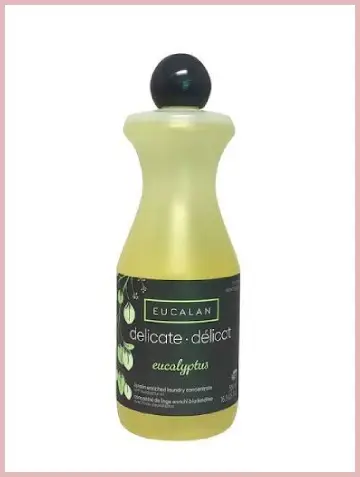
- Rinse requirement: Eucalan skips it entirely by design.
Woolite always needs a thorough one. Water use changes with the choice.
Process length shifts accordingly.
- Conditioning approach: Eucalan uses lanolin and natural oils.
Woolite relies on synthetic agents mainly. Softness builds differently over washes.
Fiber feel varies by product.
- Scent philosophy: Eucalan offers essential oils or none.
Woolite provides mild commercial or free versions. Aroma intensity differs after drying. Sensitivity needs guide selection.
- Availability and price: Woolite appears on more regular shelves.
Cost stays lower for most loads. Eucalan sits in specialty channels.
Value calculation includes concentration.
- Ideal use case: Eucalan suits pure wool hand washes best.
Woolite covers mixed delicate loads well.
Machine users lean one way. Hand-wash rituals favor the other.
- Environmental footprint: Eucalan saves water by skipping rinses. Biodegradable claims strengthen its position.
Woolite offers some concentrated options. Overall impact depends on frequency.
Key Features Of Eucalan
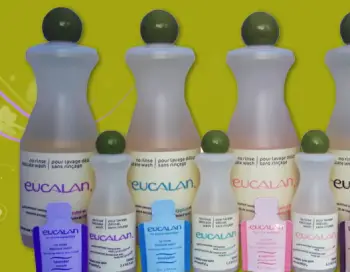
- No-rinse formula: It stays in the fibers after the soak.
This conditions them gently over time.
Excess water presses out easily. Drying happens flat without extra steps.
- Natural essential oil scents: They linger lightly on the fabric.
No overpowering effect remains once dry.
Options include lavender or eucalyptus. Unscented versions exist for sensitive users.
- Lanolin content: It restores softness to wool scales.
Fibers feel smoother after repeated use.
Static buildup decreases noticeably. Texture improves with each wash cycle.
- Concentrated liquid: A teaspoon or two handles most loads.
The bottle lasts through many seasons. Measuring stays precise.
Overuse risks a light film.
- Hand wash suitability: Occasional gentle machine cycles work for some items.
Pure wool benefits most from the soak method. Agitation stays minimal.
Results protect delicate structures.
Biodegradable ingredients: They break down more readily in water systems. Impact stays lower than many standard detergents.
Packaging options remain smaller. Household footprint reduces slightly.
Pros Of Eucalan
- Time and water savings: The rinse step vanishes completely. Process finishes faster in the basin. Water use drops for each item. Efficiency rises for frequent hand washes.
- Softer wool result: Static decreases on dry garments. Texture improves over successive cycles. Merino layers feel springier. Cashmere retains drape longer.
- Essential oil choices: Scent matches personal preference easily. Unscented version exists for sensitivity. Aroma fades into the background. Laundry feels more pleasant.
- Low residue risk: Correct use leaves little film behind. Fibers stay clean and breathable. Over-measuring remains the main caution. Results stay consistent with care.
- Travel-friendly bottles: Small size fits toiletry bags well. On-the-go washing becomes practical. Hotel sinks work without issue. Specialty care continues during trips.
- Heirloom piece safety: Gentle action protects vintage items. Damage risk stays low on fragile knits. Structure holds through careful soaks. Longevity increases for valued pieces.
Cons Of Eucalan
- Higher upfront cost: Price per bottle exceeds mainstream options. Budget notice appears at purchase. Concentration offsets some expense. Frequent users still track totals.
- Limited grocery availability: Specialty shops or online sources supply it mainly. Local runs may fail to find stock. Planning becomes necessary. Impulse buys prove harder.
- Fragrance sensitivity risk: Natural scents still affect some users. Shared laundry spaces need extra care. Unscented bottles solve most issues. Testing small amounts helps first.
- Heavy soil limitation: Aggressive cleaning power lacks for stains. Prior treatment becomes required. Muddy items need separate attention. Pure refresh works best on light soil.
- Careful measuring need: Overuse creates slight film on fibers. Precision matters with each dose. Teaspoons replace free pouring. Habit forms after a few tries.
- Hand-wash focus: Machine users adapt routines somewhat. Pure convenience drops for large loads. Gentle cycles succeed occasionally. Primary design favors basin work.
Key Features Of Woolite
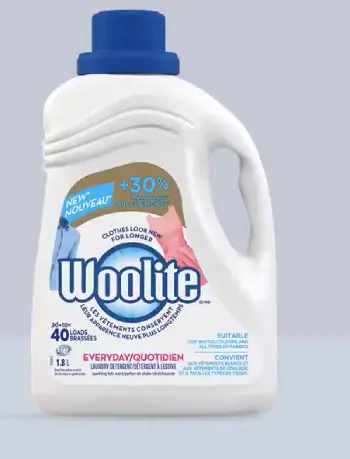
- Delicate and wool formula: It reduces shrinking on animal fibers. Fading risk drops across repeated washes.
Everyday soils lift without harsh action. Protection extends to mixed fabrics.
- Multiple specialized versions: Darks formulas exist for color care. Baby options appear for gentle needs.
Free and clear versions remove scent concerns. Choices expand daily use cases.
- Hand and machine use: Both methods succeed with proper settings. Gentle cycles handle full loads fine.
Agitators cause less damage. High-efficiency machines accept it readily.
- Conditioning agents: Fabrics stay soft after drying. Everyday items feel protected longer.
Elastic holds shape better. Wear life extends on frequent pieces.
- Wide store availability: Grocery and big-box shelves stock it regularly. Restocking stays simple during normal trips.
Online options add convenience. Brand recognition builds trust.
- Clear measuring instructions: Cap lines match load size exactly. Guesswork disappears for new users.
Dosing remains consistent. Results stay predictable across washes.
Pros Of Woolite
- Easy finding and lower cost: Most stores carry it on shelves. Per-load expense stays modest overall. Larger bottles reduce trips. Household budgets stretch further.
- Hand and machine versatility: Mixed loads succeed in one cycle. One bottle covers more item types. Settings stay simple. Results remain reliable across methods.
- Specialized formula range: Color fading gets addressed directly. Baby needs receive gentle options. Free versions remove scent worries. Daily flexibility increases.
- Familiar brand trust: Many households already accept the name. First trials feel lower risk. Packaging looks recognizable. Confidence builds quickly.
- Everyday odor removal: Light soil lifts without struggle. Fresh results appear after drying. Body scent fades from layers. Regular use maintains cleanliness.
- Clear labeling benefit: Instructions reduce common errors. New users start with correct amounts. Caps show exact lines. Predictability rises from day one.
Cons Of Woolite
- Full rinse demand: Extra water and time apply each wash. Process lengthens for basin work. Machine rinses handle it automatically. Hand methods require patience.
- Residue possibility: Incomplete rinse leaves traces behind. Thicker knits hold soap longer. Extra rinsing solves most cases. Feel checks become useful.
- Less natural ingredients: Chemistry feels broader than plant lists. Short recognizable lists appeal less. Performance still meets delicate needs. Preference guides final choice.
- Lingering scent risk: Mild fragrance stays on dense fibers. Preference may clash with some users. Free and clear versions eliminate it. Testing on samples helps.
- Weaker long-term conditioning: Pure wool dries slightly more over time. Softness builds slower than lanolin options. Texture holds adequately. Difference appears after many cycles.
- Plastic packaging volume: Frequent use adds more waste. Larger bottles accumulate storage space. Concentrated versions reduce some impact. Disposal habits matter.
How They Handle Different Fabrics?
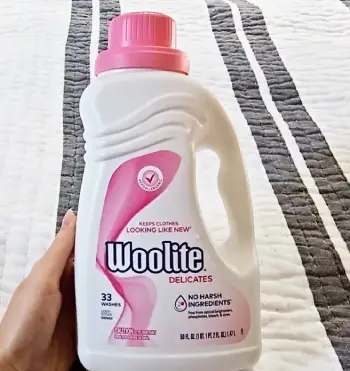
Wool responds especially well to Eucalan. Lanolin replenishes oils washing removes. Fabric keeps spring and drape longer.
Side-by-side tests on merino socks showed softer results after six washes. Cashmere benefits the same way. Fibers resist pilling more effectively.
Silk tolerates Eucalan’s gentle soak. Color stays vibrant. Stiffness remains absent. Woolite performs adequately on silk.
Required rinse can leave fabric slightly less fluid until fully dry. Blends with acrylic or polyester clean more thoroughly in Woolite. Surfactants target wider soil ranges.
Cotton delicates and lingerie sit in the middle. Both products keep elastic from breaking down faster.
Eucalan’s no-rinse method suits small items. Woolite’s machine compatibility eases larger undergarment loads.
The Washing Process In Real Life
Eucalan starts with a clean basin. Lukewarm water fills it. One teaspoon treats a sweater. One tablespoon covers larger loads.
Distribution happens with a quick swish. Submersion follows for fifteen to twenty minutes. Occasional pressing occurs.
Garment lifts next. Water presses out without wringing. Towel rolling absorbs excess. Flat drying completes the cycle. Sequence feels calm.
Woolite follows a traditional path. Measured amount dissolves in water. Soak or gentle cycle runs.
Thorough rinse continues until water runs clear. Hand washing adds several minutes. Machine rinses automate the step. Double-checking thicker pieces remains wise. Final feel should lack soap.
Temperature stays cold or lukewarm for both. Hot water risks locking wool scales. Agitation stays minimal. Pressing and squeezing replace rubbing. Twisting never helps.
Scent And Ingredient Considerations
Eucalan’s essential oil versions create light natural aroma. It fades into the background once dry.
Lavender and eucalyptus suit winter layers. Clean feeling arrives without perfume heaviness. Unscented bottles serve sensitive households.
Woolite’s original scent stays recognizable and mild. It can hang longer on dense knits. Free and clear versions remove the concern. Ingredient lists differ in approach. Eucalan leans on plant-derived components plus lanolin. Woolite uses broader detergent chemistry for machines.
Neither proves harsh with correct use. Shorter lists attract some users toward Eucalan.
Cost, Value, And Longevity
Eucalan costs more at checkout. Concentrated formula stretches across many washes. Three-month tracking showed closer per-wash costs than shelf price suggests.
Woolite’s lower sticker and larger sizes suit budget daily use. Weekly delicate loads favor it.
Value depends on wardrobe content. High-end wool and cashmere justify Eucalan’s premium. Conditioning extends piece life. Wider mixed delicates favor Woolite’s accessibility and versatility.
Environmental And Practical Trade-Offs
Skipping the rinse with Eucalan conserves water. Advantage grows with frequent hand washing.
Biodegradable claims and smaller packaging appeal further. Woolite improved some formulas. Concentrated versions reduce plastic per load. Required rinse still uses more water in basin scenarios.
Storage and travel favor Eucalan’s smaller bottles. One fits a toiletry bag easily. Trips continue specialty care.
Woolite’s larger containers suit home shelves. Running out mid-season becomes rare.
Choosing Based On Your Routine
Hand-washing wool, cashmere, and silk favors Eucalan. Softness plus water savings fit the ritual. Results support fibers over years.
Machine convenience plus mixed loads favor Woolite. Restocking ease at local stores helps. One product covers broader needs.
Many keep both bottles. Eucalan refreshes favorite sweaters. Woolite handles mixed baskets. Testing small amounts on personal fabrics decides permanent space.
Also Read: Comparison Of Gain And Tide Laundry Detergent
Frequently Asked Questions (FAQ)
Eucalan and Soak share no-rinse wool wash designs. Similar philosophies guide both. Preferred scent and slight conditioning differences decide. Many find them interchangeable for pure wool.
Yes compared with regular detergent. Shrinking risk drops. Fading lessens. Harsh residue decreases on delicates. Correct use delivers the benefit. Water quality and fabric type still influence results.
Yes. Eucalan designs specifically for wool and protein fibers. Soak and squeeze method works. Flat drying produces best results.
Priorities decide the best option. Eucalan excels for hand-washed pure wool needing conditioning and no rinse. Woolite suits machine-friendly or mixed loads. Personal testing on own garments clarifies the answer.
Wrapping Up
After months of alternating between the two bottles I can say both products earn their place depending on the job.
Eucalan rewards patience and care with noticeably softer wool plus a simpler process. Woolite rewards practicality with broad availability plus reliable everyday performance.
You now have the details to match the product to your fabrics, your time, and your preferences so your favorite pieces stay wearable season after season.
Recent Posts
I tried Meltoway Hair Dissolving Cream because I wanted a quick way to deal with unwanted body hair without reaching for a razor every few days. If you are looking for a convenient at-home...
If you’re considering a saffron-based supplement to support mood, appetite control, and everyday wellness, Happy Saffron Plus is worth considering.I like that it takes a familiar botanical...