
I set out to settle the fascia gutters versus K-style debate once and for all after watching too many homeowners wrestle with overflow, fascia rot, and mismatched looks on their own properties.
My goal here is simple: give you a clear-eyed, real-world comparison so you can pick the system that actually fits your roof, rainfall, and budget without second-guessing the choice later.
| Feature | Fascia Gutters | K-Style Gutters |
| Profile Shape | Rectangular or box-like, integrated | Flat back with decorative K/ogee front |
| Mounting Method | Often replaces or doubles as fascia | Attaches to existing fascia board |
| Typical Capacity | High, custom deep/wide | High (5- or 6-inch common) |
| Aesthetic | Sleek, modern, seamless roofline | Traditional crown-molding look |
| Installation Complexity | Higher, custom fabrication | Straightforward for most homes |
| Cleaning Difficulty | Can be deeper and narrower | Corners trap debris |
| Cost Range | Premium, custom | More affordable, widely available |
| Best For | Homes without fascia or modern designs | Standard residential with fascia boards |
| Lifespan (aluminum) | 25–40 years with care | 20–30 years with care |
| Common Materials | Aluminum, sometimes steel | Aluminum, vinyl, steel, copper |
Understanding The Two Systems From A Homeowner’s Perspective
I have stood on ladders more times than I care to count. I peer into clogged channels. I check for soft spots in the wood behind the gutters.
That hands-on view shapes how I compare these two options. K-style gutters dominate most neighborhoods for good reason.
Their flat back sits flush against a standard fascia board. The front face flares out in that familiar crown-molding profile.
It looks finished from the ground. Water capacity is solid. This holds true especially in the popular 5-inch and 6-inch sizes. You can run seamless aluminum versions. These stretch the full length of an eave without joints that leak.
Fascia gutters take a different route. They often become the board itself. They mount so tightly that they hide the rafter ends completely.
Think of a continuous aluminum channel. It serves double duty. It catches water. It finishes the roof edge in one clean line.
Homes without traditional fascia boards lean toward this style. Those aiming for a modern minimalist look do the same.
The profile tends to be deeper. It is sometimes narrower. This changes how water moves. It also changes how you clean it.
Both systems protect your foundation. They protect siding and landscaping when they work. Both fail when debris piles up.
Both fail when the mounting fails. The difference lies in how they handle volume. It lies in how they age. It Lies In How Much Hassle They Create Year After Year.
Key Differences Between The Fascia Gutters And K-Style
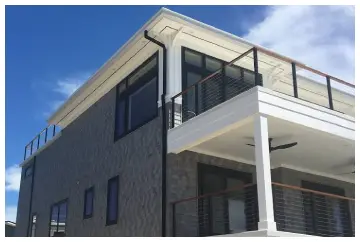
- Shape and profile: Fascia gutters present a straighter boxier channel. It blends into the roofline. K-style gutters show a distinctive angled front.
This mimics decorative molding. It creates more internal surface area for water.
- Attachment approach: Fascia versions frequently integrate with the fascia board. They can replace it entirely.
They attach closer to the rafter ends. K-style versions rely on hangers. These screw into an existing fascia board every couple of feet.
- Visual impact: Fascia gutters deliver a smoother continuous edge. This suits contemporary architecture well.
K-style gutters add a classic finished look. It matches most American homes built in recent decades.
- Water handling path: The deeper custom profile of many fascia gutters moves large volumes. The narrower opening sometimes restricts outlet size.
K-style gutters use their angular design.
They carry impressive loads in standard widths. They pair easily with common downspout sizes.
- Installation demands: Fascia systems usually require custom measuring. On-site fabrication ensures a perfect fit.
K-style systems arrive in stock or seamless lengths.
They install faster on homes with sound fascia boards.
- Maintenance access: The integrated design of fascia gutters makes ladder placement trickier. Scooping debris can feel harder in some cases.
K-style gutters leave corners and edges. Leaves collect there. Cleaning takes more time but feels familiar to most crews.
- Repair complexity: Fascia gutters often tie into the roof structure.
Fixes involve more labor. K-style gutters allow simpler section swaps. Hangers and boards stay accessible.
- Climate response: Both systems face leaf fall and freeze-thaw cycles. Fascia profiles handle snow loads through framing ties.
K-style systems test hangers and the fascia board more directly.
Key Features Of Fascia Gutters
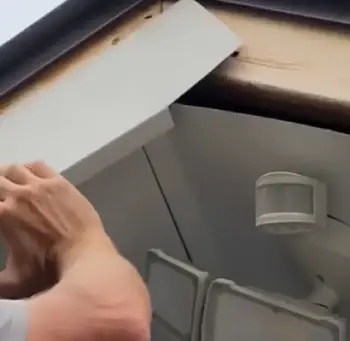
- Integrated design: Many fascia gutters eliminate the need for a separate wooden fascia board. They cover the rafter ends themselves.
This creates a sealed edge. It keeps water and pests out of the roof structure.
- Custom fabrication: Installers form the channel to the exact length of your eaves. They match the pitch too. Seamless runs reduce leak points.
They give a clean appearance from every angle.
- Higher capacity potential: The deep rectangular profile often matches a standard 6-inch K-style gutter. It can exceed that volume.
This helps on larger roofs. It helps in regions with intense rainfall.
- Modern aesthetic: The flat face produces a sleek almost invisible drainage line.
The tight fit does the same. Many newer homes prefer this look.
- Structural strength: The gutter can attach closer to the roof framing. It gains rigidity this way.
It resists sagging under snow loads when installed correctly.
- Sealed edge protection: The continuous metal covers exposed wood ends.
This slows moisture entry. It reduces pest access over time.
- Tailored fit options: Unusual eave lines receive exact matching.
Complex roof shapes gain a clean solution. Stock pieces struggle to match these.
Pros Of Fascia Gutters
- Seamless roofline appearance: The integrated channel hides rafter ends. It creates a continuous metal edge. Many homeowners find this cleaner than a separate board and gutter combination.
- Strong water volume handling: Custom depth and width often move water efficiently. It directs flow away from the foundation during heavy storms.
- Reduced wood exposure: The gutter replaces or fully covers the fascia. Less wood sits in the weather. This can slow rot in the right climate.
- Custom fit for unusual roofs: Homes without standard fascia boards gain a tailored solution. Complex eave lines receive the same benefit. Stock K-style pieces struggle here.
- Long service life with proper care: Quality aluminum versions commonly reach 25 to 40 years. Regular cleaning and inspection support this span.
- Modern curb appeal boost: The clean edge lifts contemporary designs. It feels intentional rather than added on.
- Fewer joint leak points: Continuous fabrication limits seams. Water stays inside the channel more reliably.
Cons Of Fascia Gutters
- Higher initial cost: Custom fabrication pushes the price up. Specialized installation does the same. Costs sit above standard K-style systems in most markets.
- More complex repairs: The gutter often ties into the roof edge structure. Fixing a dent or leak involves more labor. Simple section swaps are rarer.
- Cleaning challenges: Deeper or narrower channels make scooping debris harder. Ladder placement against the integrated face sometimes feels less secure.
- Limited DIY friendliness: Most homeowners lack the tools for these systems. Experience is also missing. Professional crews become necessary.
- Potential structural risk if poorly installed: Water that bypasses a failing fascia gutter reaches rafter ends more directly. A standard K-style system on a sacrificial fascia board limits this.
- Harder future modifications: Adding guards or changing outlets can require custom work. Access feels tighter than on open K-style runs.
- Specialized installer need: Not every local crew works with these systems daily. Finding experienced hands takes extra effort.
Key Features Of K-Style Gutters
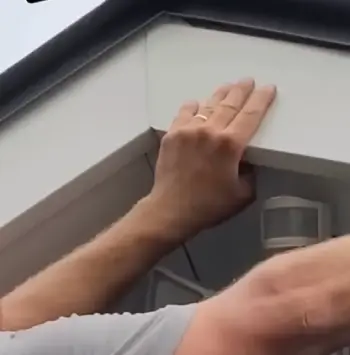
- Flat-back mounting: The rear wall sits flush against the fascia board. Hangers secure the gutter tightly.
No special brackets are needed in most cases.
- Decorative front profile: The angled face forms the K shape. It adds visual interest.
It increases the internal volume for water storage during sudden downpours.
- Wide material choices: Aluminum remains the everyday favorite. It offers light weight and corrosion resistance.
Steel vinyl and copper options expand the palette. They suit different budgets and climates.
- Seamless availability: Machine-formed continuous lengths cut down on joints.
Potential leak spots drop compared with older sectional systems.
- Compatibility with guards: Standard sizes accept most gutter guards.
Screens and downspout adapters fit without custom fabrication.
- Familiar hanger system: Common hangers space every 24 inches.
They hold firm under normal loads. Replacement parts stay easy to source.
- Color matching ease: Factory finishes cover a broad exterior palette.
Most homes find a close match without special orders.
Pros Of K-Style Gutters
- High water capacity for the size: The angular profile holds more water than a half-round of the same width. This helps during intense storms.
- Easy attachment to existing fascia: Most homes already have the board needed. Installation stays relatively straightforward. Costs stay more affordable.
- Broad availability and color options: You can match almost any exterior palette. Special ordering is rarely required in many cases.
- Familiar maintenance routines: Gutter cleaning crews know the corners and hangers. Replacement parts stay easy to find.
- Solid durability when maintained: Aluminum versions commonly last 20 to 30 years. Copper versions stretch far longer for those willing to invest.
- Quick professional installation: Seamless machines form exact lengths on site. Hang time stays shorter on sound fascia boards.
- Accessory friendly design: Guards screens and extensions fit standard sizes. Upgrades stay simple and widely stocked.
Cons Of K-Style Gutters
- Debris collection in corners: Leaves twigs and shingle grit settle into the angles. Flow restricts if left uncleaned.
- Dependence on fascia condition: Soft or rotting fascia boards cannot hold hangers securely. Extra wood repair costs appear during replacement.
- Visual bulk on some homes: The decorative front can look heavy. It may feel dated against ultra-modern architecture that prefers a flatter edge.
- Potential for overflow if undersized: A 5-inch system on a large roof may not keep up. High-rainfall areas need extra downspouts.
- Regular cleaning required: The same features that boost capacity create more places for buildup. Twice-yearly attention becomes almost mandatory in leafy neighborhoods.
- Hanger stress over time: Heavy snow or ice loads test the fasteners. Loose hangers lead to sagging sections.
- Corner corrosion risk: Standing debris holds moisture longer. Metal can pit in those spots without routine care.
Real-World Performance Factors That Tip The Scale
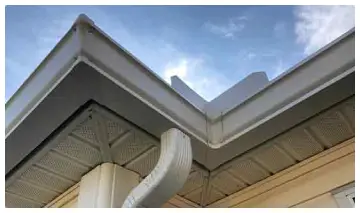
Climate shapes the decision more than most product pages admit. Heavy leaf fall affects both systems.
The corners of K-style gutters fill faster. Frequent freeze-thaw cycles create ice dams in either style. This happens if the roof lacks proper ventilation and insulation.
Snow load tests the hangers under K-style systems. It tests the fascia board too. Fascia gutters transfer that load differently.
The attachment method to the framing decides the outcome.
Roof pitch and square footage also matter. Steep roofs shed water quickly. Capacity becomes less critical than solid mounting.
Low-slope roofs push volume higher. Large surface areas do the same. Deeper profiles available in both styles help when sized correctly.
Downspout placement completes the picture. Diameter matters too. Even the best gutter fails if the outlets cannot move water away fast enough.
Material choice cuts across both styles. Aluminum stays the practical middle ground. It balances weight cost and corrosion resistance.
Steel adds strength. It needs careful coating to avoid rust. Vinyl remains budget-friendly. It can crack in extreme cold.
It can warp in intense heat. Copper delivers unmatched longevity. A living patina develops. The price puts it out of reach for most projects.
Installation Realities And Long-Term Ownership Costs
Professional installation quality decides more outcomes than the style itself. A poorly pitched K-style run will pond water.
It invites corrosion. A poorly sealed fascia gutter allows water behind the channel. I always recommend checking the pitch with a level.
Do this after the crew finishes. Confirm that hangers sit at the proper spacing. Every 24 inches works for most loads. Closer spacing helps under heavy snow.
Ownership costs accumulate over decades. Cleaning twice a year keeps either system healthy. Inspecting hangers does the same.
Clearing downspouts prevents backups. Gutter guards reduce cleaning frequency. They add their own maintenance needs.
When replacement time arrives K-style systems usually cost less. The fascia board stays in place if it remains sound. Fascia gutters may require more extensive work at the roof edge. Labor hours rise as a result.
Insurance and resale value enter the conversation quietly. Homes with functional well-matched gutters avoid water damage claims.
These claims raise premiums. Buyers notice clean eaves. They notice dry foundations. A mismatched or failing system becomes a negotiation point during inspection.
Making The Choice For Your Specific Home
Walk around your house after the next heavy rain. Note where water overflows. Note where stains appear on the siding.
Check whether the existing fascia feels solid when you press it. Measure the roof area draining into each run if you can.
Talk with a couple of local installers. Choose ones who work with both styles. Avoid those who stock only one option.
Ask about material thickness. Ask about hanger type. Ask about warranty details in plain language.
If your home already has sound fascia boards a conventional look favors K-style gutters. They deliver proven performance at a reasonable cost.
If you lack fascia boards prefer a modern edge or want the gutter itself to finish the roofline fascia gutters justify the higher investment.
Neither option wins in every scenario. The right system matches the architecture. It matches the climate. It matches the maintenance habits you are willing to keep.
I have watched both styles succeed and fail. Those three factors decide outcomes more than any marketing claim. Your roof will tell you which path makes sense. Look closely enough and the choice becomes clear.
Also Read: Comparison Of Box Gutter And K-Style
Frequently Asked Questions (FAQ)
Debris buildup in the corners. Sagging from loose hangers. Overflow when undersized or clogged. These rank as the most frequent issues.
K-style gutters remain the most widely installed residential style across the United States.
Yes. They offer strong water capacity. Easy mounting on standard fascia. Solid durability when cleaned and maintained regularly.
Aluminum versions commonly last 20 to 30 years with proper care. Copper can exceed 50 years.
Wrapping Up
You now have the full comparison in front of you. Use the table. Use the feature lists. Use the real-world notes.
Match the system to your roof. Do not chase the newest trend. When you choose with your actual conditions in mind either style can protect your home for decades.
The decision rests with the details of your property. It rests with the maintenance rhythm you can sustain.
Recent Posts
I bought Blue Bunny ice cream because I wanted something creamy, flavorful, and easy to enjoy without paying a premium price for every scoop. After trying it in different situations, I found...
I’ve always believed that drinking water should taste clean, feel fresh, and give me confidence about what I’m putting into my body. After using a Culligan reverse osmosis system, I...