
If you’re thinking about buying the Fellow Atmos Vacuum Canister, I recommend slowing down before making your decision.
I bought it hoping it would keep my coffee beans fresher for longer while adding a premium touch to my kitchen.
Although it offers an attractive design and an innovative vacuum-sealing system, my experience wasn’t as positive as I expected.
After using it regularly, I found several drawbacks that made me question whether it’s worth the premium price. Before you spend your money, here’s my honest experience and analysis.
My Personal Experience With The Fellow Atmos Vacuum Canister
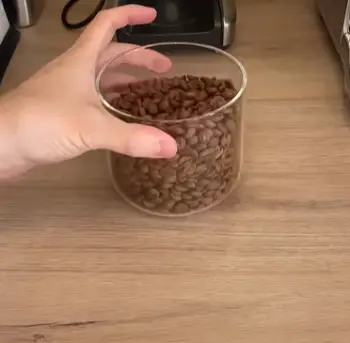
When I first unboxed the Fellow Atmos Vacuum Canister, I was genuinely impressed. It immediately looked like a high-end kitchen accessory rather than a simple food storage container.
The matte finish, solid construction, and minimalist appearance made it feel like a premium product.
I mainly purchased it to store freshly roasted coffee beans because I wanted to extend their freshness without constantly buying smaller bags.
Setting it up couldn’t have been easier. I filled the container with coffee beans, secured the lid, and twisted it several times until the green indicator disappeared, signalling that a vacuum had formed.
At first, this felt satisfying. The mechanism was smooth, and it gave me confidence that the beans were protected from oxygen.
During the first few days, everything seemed to work exactly as advertised. The coffee maintained its aroma, and I appreciated not needing batteries or electric pumps.
The manual vacuum system felt clever and convenient.
However, after several weeks of daily use, small frustrations began to appear.
The first issue I noticed was that the vacuum didn’t always hold consistently. Occasionally, I’d return the following morning and discover that the vacuum indicator had reset.
That meant air had slowly entered the container overnight. I wasn’t sure whether it was caused by the seal, the twisting mechanism, or slight user error, but it happened often enough to become frustrating.
Cleaning also turned out to be less convenient than expected. The lid contains the vacuum mechanism, which means it can’t simply be soaked in water.
I had to wipe it carefully and avoid getting moisture inside the valve. For something designed for daily kitchen use, this required more attention than I anticipated.
Another concern was durability. Although the body looked premium, I constantly worried about dropping it because dents and scratches seemed likely.
The stainless-steel version resisted fingerprints reasonably well, but the painted finish still showed wear after months of regular handling.
I also experimented with storing loose tea, whole spices, and nuts. Results varied. Dry products generally stayed fresh, but I couldn’t confidently say the vacuum preservation was dramatically better than what I achieved using quality airtight containers costing much less.
One aspect that disappointed me was the price-to-performance ratio. You’re paying a premium largely for the design and branding.
While aesthetics matter, I personally expect premium functionality to match the premium cost. Unfortunately, I didn’t consistently experience that.
I also spent time reading reviews from other users before writing this review, and many people reported similar concerns regarding vacuum retention, seal reliability, and long-term durability.
That made me realise my experience wasn’t simply an isolated case.
After several months of ownership, I found myself using traditional airtight containers more frequently because they required less maintenance and gave me greater confidence.
The Fellow Atmos still looks fantastic sitting on the countertop, but appearance alone wasn’t enough to justify keeping it as my primary storage solution.
Overall, my experience wasn’t terrible, but it certainly didn’t live up to the expectations created by its premium price tag.
I wanted to love this canister because the concept is genuinely smart, yet the execution left me wanting something more dependable.
If you’re buying it mainly because it looks beautiful, you’ll probably enjoy it. If you’re buying it expecting flawless vacuum performance every day, you may end up feeling disappointed just as I did.
Pros Of The Fellow Atmos Vacuum Canister

- Premium and Modern Design
The first thing that caught my attention was the design. I genuinely believe the Fellow Atmos is one of the most attractive coffee storage containers on the market.
Whether you choose the matte black, white, or clear glass version, it looks elegant sitting on a kitchen counter.
Unlike ordinary plastic containers that often look cheap, this canister has a refined appearance that matches premium coffee grinders, espresso machines, and brewing equipment.
If you enjoy creating a stylish coffee station, you’ll probably appreciate its aesthetic value.
For people who care about kitchen décor, this is definitely one of the strongest selling points.
- Vacuum-Sealing Without Extra Equipment
One feature I initially loved was the built-in vacuum system. Instead of using a separate vacuum pump, you simply twist the lid multiple times until the air is removed from the container.
This makes the process feel straightforward and convenient. I didn’t have to purchase additional accessories or remember where I stored a hand pump.
The simplicity makes the canister beginner-friendly, especially for someone who has never used vacuum storage before.
- Effective for Short-Term Coffee Storage
During the first several days after sealing fresh coffee beans, I noticed that the aroma remained pleasant and the beans appeared well protected.
If you’re consuming coffee relatively quickly—within a week or two—the Fellow Atmos can perform reasonably well.
Freshly roasted beans are sensitive to oxygen exposure, and reducing the amount of air inside the container can certainly help preserve flavour for a limited period.
- Excellent Build Quality
The canister feels solid when you hold it.
The stainless-steel body doesn’t flex or feel flimsy. The lid rotates smoothly, and the overall construction gives an impression of quality craftsmanship.
Compared with inexpensive food containers, the Atmos definitely feels more premium in your hands.
Even though I later questioned some aspects of its durability, the initial impression is excellent.
- Multiple Size Options
I appreciated that Fellow offers different sizes.
Whether you’re storing a small amount of speciality coffee or larger quantities, there’s usually a size that fits your needs.
This flexibility also allows you to separate different coffee origins or roast levels without mixing them together.
- Easy Daily Operation
Once I became familiar with the twisting motion, using the canister became second nature.
Opening and resealing only takes a few seconds, making it convenient if you’re brewing coffee every morning.
I never felt intimidated by the mechanism because it’s fairly intuitive.
- Helps Reduce Oxygen Exposure
The biggest theoretical advantage is reducing oxygen exposure.
Since oxygen causes coffee beans to lose aroma over time, removing some of the trapped air should help preserve freshness better than simply closing a normal lid.
While I wasn’t convinced the difference justified the price, the concept itself makes sense.
- Quiet Operation
Unlike electric vacuum storage systems, the Fellow Atmos operates silently.
There are no batteries, motors, charging cables, or electronic components to worry about.
This mechanical design keeps things simple while eliminating another potential point of failure.
- Space-Efficient Shape
The straight cylindrical design stacks neatly inside cabinets and fits comfortably beside coffee equipment.
It doesn’t waste much storage space, and the smooth exterior makes cleaning the outside relatively easy.
For smaller kitchens, this compact footprint is definitely a practical advantage.
Cons Of The Fellow Atmos Vacuum Canister
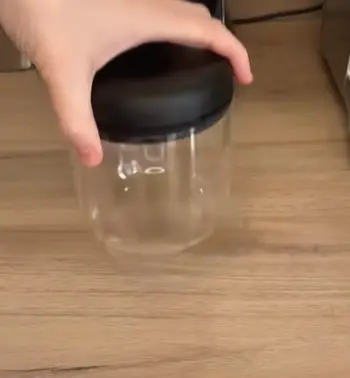
- Vacuum Doesn’t Always Stay Sealed
This was my biggest frustration.
There were multiple occasions when I created a vacuum seal in the evening only to find the indicator had reset by the next day. That meant air had gradually leaked back into the container.
For a product whose main purpose is maintaining a vacuum, inconsistent sealing is difficult to overlook.
- Premium Price Without Premium Reliability
The Fellow Atmos costs considerably more than many high-quality airtight storage containers.
At that price, I expected flawless performance every single day.
Instead, I found myself wondering whether the vacuum had held properly, which defeated the purpose of buying a premium storage solution in the first place.
- Lid Requires Careful Cleaning
The lid isn’t as easy to clean as a standard food-storage lid.
Because it houses the vacuum mechanism, it shouldn’t be submerged in water. Instead, it needs careful wiping to avoid damaging internal components.
For something that’s opened daily, this extra attention becomes inconvenient over time.
- Not Ideal for Frequent Opening
Every time you open the canister, the vacuum disappears.
That means you’ll need to recreate the vacuum repeatedly throughout the week.
If you’re making coffee several times a day, constantly resealing the container becomes repetitive.
- Limited Benefit for Casual Coffee Drinkers
If you finish your coffee quickly, you may not notice a significant improvement in freshness compared with a good airtight container.
In my experience, the difference wasn’t dramatic enough to justify spending considerably more money.
- Can Show Cosmetic Wear
Although attractive, the exterior isn’t immune to scratches or dents.
Anyone who frequently moves kitchen equipment around may notice cosmetic marks appearing over time, especially on darker finishes.
- Replacement Parts Can Be Costly
If the lid eventually develops problems, replacing components isn’t always inexpensive.
Considering the initial purchase price, long-term ownership can become more expensive than expected.
- Expectations Often Exceed Reality
Marketing creates the impression that this canister offers a major improvement in food preservation.
In actual daily use, I found the performance much closer to a quality airtight container than to a revolutionary storage system.
That gap between expectation and reality left me disappointed.
- Better Alternatives Exist
After trying other storage solutions, I found several competitors that offered similar freshness preservation with fewer concerns about vacuum consistency.
For many buyers, those alternatives simply provide better overall value.
- Mixed Customer Feedback
Perhaps the biggest warning sign is the number of mixed customer experiences.
Some owners absolutely love it, while others report the same problems I encountered, including inconsistent vacuum retention, sealing issues, and concerns about long-term reliability.
When spending premium money, I’d rather choose a product with more consistently positive feedback.
Maintenance Tips For The Fellow Atmos Vacuum Canister
- Clean the Canister Regularly
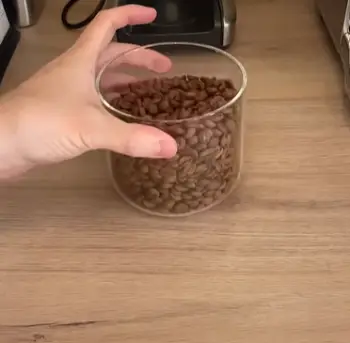
I make it a habit to empty the canister completely before cleaning it. Coffee beans naturally release oils, and over time those oils can leave a thin residue on the interior walls.
If left untreated, that residue can affect the flavour of fresh beans and create unpleasant odours.
For the stainless-steel body, I simply use warm water, mild dish soap, and a soft sponge.
Harsh scrubbers aren’t necessary and may damage the finish. After washing, I dry the container thoroughly before adding fresh coffee.
Keeping the interior clean also helps prevent stale flavours from transferring to new batches of beans.
- Never Soak the Vacuum Lid
One lesson I learned early was that the lid deserves special attention.
Unlike a normal food container, the Fellow Atmos lid contains moving parts that create the vacuum seal. Submerging it in water can allow moisture to enter areas that aren’t designed to stay wet.
Instead, I wipe the lid gently using a damp cloth and dry it immediately with a microfiber towel. If coffee dust collects around the seal, I use a soft brush to remove it carefully.
Although this cleaning method works, it certainly isn’t as convenient as washing an ordinary lid in the sink.
- Keep the Silicone Seal Clean
The silicone gasket is responsible for maintaining the vacuum.
Even tiny coffee particles can prevent the seal from sitting properly. Whenever I clean the container, I inspect the gasket carefully for coffee grounds, dust, or food debris.
A clean gasket creates a better seal and reduces the likelihood of air leaking back into the canister.
- Dry Every Component Completely
Moisture is the enemy of both coffee beans and vacuum storage.
Before refilling the canister, I always make sure every surface is completely dry. Even a small amount of trapped moisture can affect coffee freshness and potentially encourage mould if the container is stored for extended periods.
Taking a few extra minutes to dry everything properly is well worth the effort.
- Avoid Overfilling
It can be tempting to fill the canister right to the top, especially after opening a new bag of coffee.
However, I found that leaving a little empty space allows the vacuum system to work more effectively. Overfilling may interfere with the lid’s ability to create a proper seal.
Following the recommended fill level also makes opening and closing the container easier.
- Store It Away from Heat
I avoid placing the canister beside my espresso machine, oven, or a sunny window.
Excessive heat can gradually affect coffee quality regardless of how good the container is. A cool, dry cupboard or shaded countertop generally provides a much better storage environment.
Proper storage conditions matter just as much as the container itself.
- Check the Vacuum Indicator Frequently
One habit I developed was checking the vacuum indicator every morning.
Since I occasionally experienced pressure loss overnight, this simple routine helped me notice problems before they affected the beans.
If the indicator has reset unexpectedly, it’s worth resealing the canister immediately.
Although I wish this extra step weren’t necessary, it became part of my daily routine.
- Handle the Lid Gently
The twisting mechanism feels smooth, but forcing it doesn’t improve the vacuum.
I use steady, gentle rotations rather than applying excessive force. Rough handling may increase wear on the internal mechanism over time.
Treating the lid carefully may help it last longer.
- Protect the Exterior Finish
The matte finish looks beautiful but can show scratches if handled carelessly.
I avoid sliding the canister across stone countertops and instead lift it whenever I move it. Keeping it away from heavy kitchen tools also helps prevent dents and cosmetic damage.
If appearance matters to you, these small habits make a noticeable difference.
- Replace Worn Seals if Necessary
If the vacuum performance starts declining consistently, inspect the silicone gasket for signs of wear, cracking, or deformation.
A damaged seal can significantly reduce vacuum effectiveness. Replacing worn components, when available, may restore some of the original performance without replacing the entire canister.
Even with careful maintenance, however, I still experienced inconsistent vacuum retention. Good maintenance certainly helps, but it doesn’t completely eliminate the product’s limitations.
Comparison Of Fellow Atmos Vacuum Canister With Other Brands
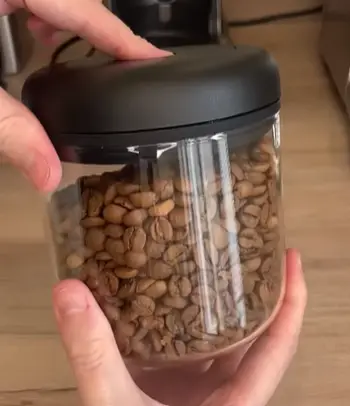
- Fellow Atmos vs Airscape
Airscape remains one of the strongest alternatives I tested.
Instead of creating a vacuum, it uses an inner lid that pushes excess air out of the container before sealing it.
While it doesn’t technically produce a vacuum, I found it to be more consistent in daily use.
There were no indicators to monitor and no concerns about the vacuum unexpectedly disappearing overnight.
The design is simpler, easier to maintain, and inspires more confidence over time. If reliability is your priority, I would choose Airscape over the Fellow Atmos.
- Fellow Atmos vs OXO POP Containers
OXO POP containers take a completely different approach by focusing on an airtight seal rather than vacuum storage.
They are significantly more affordable, very easy to clean, and widely used for pantry organisation.
While they may not preserve coffee quite as effectively in theory, I found the real-world difference to be smaller than expected.
Considering the lower price and simpler maintenance, OXO POP containers offer much better value for everyday users.
- Fellow Atmos vs Coffee Gator Storage Canister
Coffee Gator combines an airtight seal with a one-way valve that allows naturally released carbon dioxide to escape while limiting oxygen exposure.
I appreciated the included date tracker, which helped me keep track of roast dates. Compared with the Fellow Atmos, Coffee Gator felt less complicated and more dependable.
Although its appearance isn’t quite as refined, I preferred its practical performance.
- Fellow Atmos vs Planetary Design Airscape
The Planetary Design Airscape has earned a loyal following among coffee enthusiasts for good reason.
Rather than relying on a vacuum mechanism, it removes excess air by lowering an inner lid directly onto the coffee beans.
This simple system has fewer moving parts, making it less likely to develop sealing issues over time.
In my experience, Airscape required less maintenance and delivered more consistent freshness preservation.
Unless you specifically want the vacuum concept, I believe Airscape is the safer long-term purchase.
- Fellow Atmos vs Generic Airtight Containers
Even standard airtight food-storage containers deserve consideration. High-quality glass or BPA-free plastic containers from reputable brands often cost a fraction of the price.
While they don’t remove air, they provide dependable sealing with minimal maintenance.
For people who finish coffee within a couple of weeks, these affordable options may offer nearly identical practical results without the premium price or added complexity.
Frequently Asked Questions (FAQ)
The Fellow Atmos stands out because it features a built-in manual vacuum system. By twisting the lid, you remove a portion of the air inside the canister, reducing oxygen exposure. Most standard food containers simply create an airtight seal without actively removing air.
If you’re referring to coffee storage canisters, products such as the Planetary Design Airscape and Coffee Gator storage canister consistently receive stronger overall user satisfaction than the Fellow Atmos because of their dependable performance and simpler designs.
The biggest difference is how they manage air. The Fellow Atmos creates a manual vacuum by twisting the lid, while the Planetary Design Airscape uses an inner lid that pushes excess air out before sealing. I found the Airscape system to be more reliable and easier to maintain over the long term.
The Fellow Atmos works by rotating the lid repeatedly to remove some of the air trapped inside the container. As the pressure decreases, a vacuum forms to help reduce oxygen exposure. Opening the lid releases the vacuum, so you’ll need to recreate it each time you access the contents.
Wrapping Up
After spending considerable time using the Fellow Atmos Vacuum Canister, I came away with mixed feelings.
Its premium design, clever vacuum concept, and attractive appearance initially impressed me, but inconsistent vacuum retention, careful maintenance requirements, and a high purchase price ultimately outweighed those positives.
Since many users have reported similar issues, I can’t confidently recommend it, especially when dependable alternatives like Airscape or Coffee Gator offer better overall value.
If you’re looking for reliable long-term coffee storage, I believe your money is better spent on a more consistent solution.
Recent Posts
I tried Meltoway Hair Dissolving Cream because I wanted a quick way to deal with unwanted body hair without reaching for a razor every few days. If you are looking for a convenient at-home...
If you’re considering a saffron-based supplement to support mood, appetite control, and everyday wellness, Happy Saffron Plus is worth considering.I like that it takes a familiar botanical...