
I set out to write this piece because too many people I talk to still treat reinforcement as an either-or decision without looking at how the materials actually behave on site.
My goal is simple: give you a clear, side-by-side view of fiber concrete and traditional rebar so you can match the right option to your project’s loads, budget, and long-term performance needs without guesswork.
| Aspect | Fiber Concrete | Traditional Rebar |
| Primary Role | Distributes stress, controls cracks, adds toughness | Carries tensile and shear loads in structural members |
| Placement | Mixed directly into the concrete batch | Tied or welded into cages before concrete placement |
| Crack Control | Excellent micro-crack restraint throughout the matrix | Relies on spacing and cover; larger cracks possible |
| Labor Intensity | Low – no tying or positioning | High – skilled placement and inspection required |
| Corrosion Risk | Minimal with non-metallic fibers; low with coated steel | High if cover is inadequate or moisture reaches steel |
| Structural Capacity | Moderate; often used with or instead of light rebar | High; essential for beams, columns, slabs with heavy loads |
| Cost Profile | Higher material cost, lower labor | Lower material cost per ton, higher installation cost |
| Best Applications | Slabs-on-grade, shotcrete, thin sections, overlays | Foundations, multi-story frames, bridges, heavy industrial |
Understanding The Basics Of Each Material
I look at reinforcement the same way I look at any structural decision: what problem am I solving and how does the material solve it under real conditions.
Fiber concrete starts as ordinary concrete with short discrete fibers—steel, polypropylene, glass, or basalt—dispersed throughout the mix.
Those fibers act like thousands of tiny bridges that hold the cement paste together after it cracks. Rebar, on the other hand, is continuous steel bars or mesh placed where engineers calculate the highest tensile stress will occur. The concrete then bonds to the ribs on the bar and transfers load into the steel.
The difference in how they work shows up the moment the concrete sets. Fibers are already everywhere; rebar is only where you put it. That single fact drives almost every advantage and limitation that follows.
Key Differences Between Fiber Concrete And Rebar
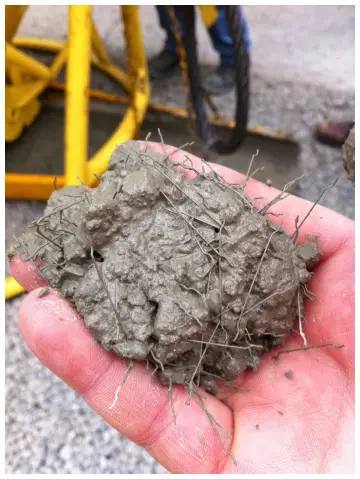
- Distribution of reinforcement: Fibers sit in every part of the pour. Rebar occupies only planned lines.
This changes how stress spreads.
- Load-carrying mechanism: Fibers boost residual strength after cracks form. Rebar takes the full tensile force.
Capacity differs by design need.
- Construction sequence: Fibers mix straight into the batch. Rebar needs tying and chairs first.
Schedules move faster with fibers.
- Durability under attack: Non-metallic fibers resist corrosion well.
Continuous steel can create rust paths. Exposure class matters here.
- Thickness and cover needs: Fibers allow thinner sections.
Rebar demands minimum cover. Dead load often drops with fibers.
- Inspection ease: Fibers stay hidden in the mix.
Rebar cages allow visual checks. Errors show up differently on site.
- Energy absorption: Fibers handle impact through many small bridges.
Rebar relies on continuous yield. Toughness profiles vary.
Key Features Of Fiber Concrete
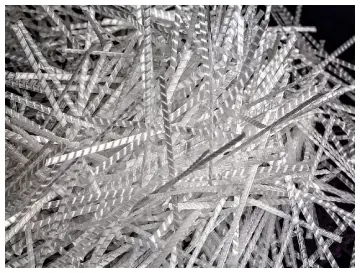
- Three-dimensional reinforcement: Fibers fill the entire matrix.
Strength appears in all directions. Multi-axial loads get better support.
- Improved impact resistance: Steel fibers absorb sudden energy well. Surfaces last longer under traffic. Abrasion damage slows down.
- Reduced plastic shrinkage: Early fibers hold the surface tight.
Cracks form less in the first day. Finish quality often rises.
- Pump and shotcrete friendly: Most fibers pass pumps without clog.
Build-up thickness improves. Rebound drops on vertical work.
- Adjustable dosage options: Volume can shift from light to heavy.
Hybrid blends target specific goals. Mix designs stay flexible.
- Better freeze-thaw behavior: Tight cracks limit water entry.
Scaling risk falls in cold climates. Service life gains in cycles.
Surface durability boost: Fibers reduce joint spalling. Forklift paths stay smoother. Maintenance intervals stretch out.
Pros Of Fiber Concrete
- Lower installed labor cost: Mesh tying disappears on many slabs. Crew hours fall sharply. Bids often look leaner.
- Superior crack-width control: Residual strength keeps openings tight. Water entry slows. Chloride damage reduces over time.
- Faster construction pace: Forms ready means pour starts. Ironworker waits end. Fast-track jobs gain real days.
- Strong thin-section results: Overlays and panels gain toughness. Extra cover weight vanishes. Architectural shapes work better.
- Fewer placement mistakes: Fibers cannot shift like bars. Critical zones stay covered. Consistency rises across the pour.
- Good abrasion performance: Surfaces resist wear from wheels. Warehouse floors last longer. Repair cycles stretch out.
- Easier complex geometry: Irregular forms fill without cages. Shotcrete sticks and builds well. Vertical work simplifies.
Cons Of Fiber Concrete
- Limited primary capacity: Codes still want bars for beams. Pure fiber designs stay rare. Structural roles stay secondary.
- Higher material unit price: Quality fibers cost more per yard. Labor savings must offset this. Budget checks stay vital.
- Workability at high doses: Sticky mixes can form. Slump may drop fast. Extra water risks strength loss.
- Surface finish sensitivity: Steel fibers can show on top. Polished looks need care. Synthetic options hide better.
- Designer familiarity gaps: Some engineers treat fibers as extra only. Approval can slow. Extra testing sometimes appears.
- Fire behavior limits: Synthetic fibers may melt early. Strength drops under heat. Design rules change for safety.
- Dispersion demands care: Poor mixing leaves weak zones. Batch plant timing matters. Uniform results need attention.
Key Features Of Traditional Rebar
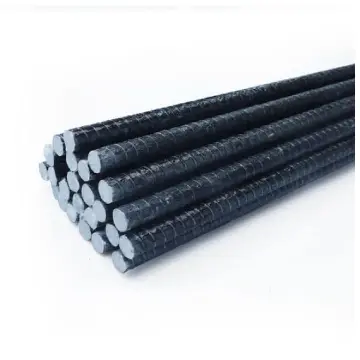
- Predictable tensile capacity: Bars deliver known yield values.
Engineers use clear equations. Design certainty stays high.
- Continuous force path: Steel carries load across full cracks.
Large moments stay controlled. Primary members rely on this.
- Weld and splice options: Bars join into long cages.
Multiple pours connect easily. Complex frames gain flexibility.
- Fire resistance via cover: Concrete protects the steel.
Temperature rise slows. Code rules favor this system.
- Long code acceptance: Decades of data support rebar.
Officials approve drawings faster. Liability concerns drop.
- High ductility under load: Steel yields and deforms safely. Seismic performance improves. Collapse risk falls in quakes.
Simple strength grading: Grades like 60 or 75 are standard. Selection stays straightforward. Supply chains remain reliable.
Pros Of Traditional Rebar
- High reliable tensile strength: Bars handle large forces well. Deep beams stay safe. Columns carry heavy loads.
- Clear design methods: Code equations are established. Stamping drawings feels secure. Review cycles move faster.
- Cost edge at high ratios: Tons of steel stay cheaper. Heavy reinforcement favors bars. Material invoices look lower.
- Proven long service record: Old structures still perform. History builds trust. Risk assessment stays simpler.
- Easy pre-pour checks: Cages allow full visual review. Spacing and cover get verified. Defects get caught early.
- Strong seismic ductility: Yield platforms absorb energy. Frames sway without sudden break. Safety margins rise.
- Wide supply availability: Bars ship from many sources. Grades stay consistent. Project delays drop from shortages.
Cons Of Traditional Rebar
- Labor-heavy placement: Tying and chairing take time. Skilled crews cost more. Labor shortages raise bids.
- Corrosion vulnerability: Moisture reaches steel easily. Rust expands and cracks cover. Marine sites need extra protection.
- Congestion in dense zones: Tight cages block concrete flow. Voids can form. Vibration becomes harder.
- Cover rules add weight: Minimum thickness increases sections. Foundations carry more load. Material quantities rise.
- Shift risk during pour: Bars can move under boots. Cover gets lost fast. Capacity drops without notice.
- Splice and lap issues: Missed connections weaken paths. Inspection must catch them. Errors stay costly later.
- Higher future repair needs: Corroded zones demand patches. Cathodic systems add expense. Life-cycle costs climb.
When Fiber Concrete Makes Sense On Real Projects?
I reach for fiber concrete first on industrial slabs, parking decks, and pavement overlays.
The three-dimensional crack control and the speed of placement usually outweigh the higher material cost.
Shotcrete tunnel linings and slope stabilization also favor fibers because the material sticks better and gains toughness without complicated rebar cages on vertical or overhead surfaces.
Residential slabs-on-grade and sidewalks often use synthetic fibers simply to keep plastic shrinkage cracks from becoming serviceability problems.
Hybrid systems are becoming my preferred answer on many commercial floors.
A light rebar mat or post-tensioning handles the primary structural loads while fibers control shrinkage and improve surface durability.
The combination costs more than either alone yet delivers performance neither can match by itself.
When Traditional Rebar Remains The Clear Choice?
Any member that must resist large bending moments or shear forces still needs continuous steel.
Multi-story frames, transfer girders, bridge decks with heavy traffic loads, and foundations under point loads fall into this category.
Codes and insurance requirements also push rebar for most vertical elements where fire resistance and ductility under seismic loads are critical.
In those cases fibers can still appear as secondary reinforcement, but the primary cage stays steel.
Practical Decision Framework I Use On Site
I start with the structural demand. If the member is designed as a pure tension or flexure element with high loads, rebar stays.
If the main problems are shrinkage, impact, or abrasion, fibers move to the front. Next I look at schedule and labor availability.
Tight timelines and scarce ironworkers tilt the scale toward fibers. Finally I examine the exposure class. Marine, industrial chemical, or freeze-thaw environments make corrosion resistance a deciding factor, and non-metallic fibers gain ground.
Cost comparisons must include the full installed price. A cubic yard of fiber-dosed concrete may cost thirty to fifty percent more than plain concrete, yet the elimination of mesh placement and the reduction in future crack repairs often close the gap within the first five years of service.
Performance Under Specific Stress Conditions
Under static bending, rebar provides a clear yield plateau and large deformation capacity. Fiber concrete shows a more gradual post-crack softening that can be tuned by fiber type and volume. Under impact, the energy absorption of steel-fiber concrete frequently exceeds that of lightly reinforced sections.
Under cyclic loading, continuous bars still offer better fatigue life for primary members, while fibers excel at limiting progressive crack growth in slabs.
Shrinkage is where fibers shine brightest. The early tensile strength they provide holds the surface together during the critical first twenty-four hours. Rebar cannot help until the concrete has already cracked and bonded to the bar.
Material Selection Nuances That Affect Results
Not all fibers are equal. Hooked-end steel fibers deliver the highest residual strength.
Straight polypropylene microfibers excel at plastic shrinkage control but contribute little structural capacity.
Alkali-resistant glass fibers work well in architectural panels yet can lose strength in highly alkaline environments over decades.
Basalt fibers offer a middle ground of strength and corrosion resistance at a competitive price.
Rebar quality also varies. Epoxy-coated or galvanized bars reduce corrosion risk at higher cost.
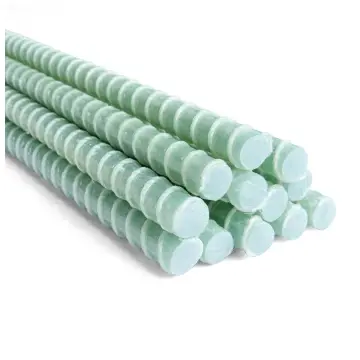
Stainless steel or GFRP bars eliminate corrosion entirely but change the design assumptions because their modulus and bond characteristics differ from black steel.
Installation Realities That Change The Outcome
I have seen perfectly designed fiber mixes fail because the batch plant added the fibers too late or the truck mixed them insufficiently.
Uniform dispersion is non-negotiable. On the rebar side, I have watched cages shift during concrete placement because chairs were inadequate or workers walked on the steel.
Both systems demand attention to detail; the difference is that fiber mistakes are harder to spot before the pour.
Finishing practices matter too. Steel fibers can create a “hairy” surface if the bull float is used too aggressively. Synthetic fibers usually disappear into the paste. Rebar requires careful vibration to avoid honeycombing around congested zones.
Long-Term Maintenance And Life-Cycle Considerations
Fiber concrete slabs in warehouses often need fewer joint repairs and less surface sealing because cracks stay tight.
Rebar-reinforced structures in corrosive environments can face expensive cathodic protection or concrete patching cycles.
When I calculate life-cycle cost over thirty years, the fiber option frequently looks better for horizontal elements even if the initial bid is higher.
Hybrid Approaches That Capture The Best Of Both
Many of the most successful projects I have observed combine a minimal rebar cage for structural safety with a moderate fiber dose for crack control and toughness.
The rebar satisfies the code strength equations; the fibers keep serviceability cracks from becoming maintenance headaches.
This approach is especially effective in elevated slabs, bridge decks, and industrial floors that see both heavy loads and aggressive environments.
Frequently Asked Questions (FAQ)
Higher material cost, limited capacity for primary structural members, possible workability issues at high doses, and less familiarity among some designers.
For crack control and toughness in slabs, yes. For carrying large tensile forces in beams and columns, no. They solve different problems.
Lower modulus of elasticity, limited ductility, higher material cost, and different bond and fire-performance characteristics that require special design.
Slabs-on-grade, industrial floors, shotcrete, thin overlays, and any application where shrinkage crack control and impact resistance matter more than pure tensile capacity.
Final Thought
I wrote this comparison so you can walk onto a job and decide with clearer eyes. Fiber concrete and rebar are not rivals fighting for the same job; they are tools that excel in different situations.
When your project needs three-dimensional crack control, fast placement, and toughness in thin sections, fibers deliver.
When it needs high tensile capacity, proven ductility, and code-accepted strength, rebar remains the standard. Most of the time the smartest answer sits in the middle—a thoughtful combination that uses each material where it performs best.
Measure the actual demands of your structure, weigh the full installed cost, and choose the reinforcement that solves the real problem rather than the one that simply looks familiar.
That approach has served me well, and I believe it will serve you the same way.
Recent Posts
I spent months comparing budget options against established names after my last set of tires wore out sooner than expected.My goal here is to share what I learned from putting Dextero and...
AquaTru Carafe Vs. Classic: Which Is Actually Fits Your Kitchen?
I decided to write this comparison after months of testing both the AquaTru Carafe and the Classic in my own kitchen. Tracking covered daily use.Taste stayed consistent. Refill frequency...