
As someone who’s spent plenty of time with both the Fire Max 11 and the Fire HD 10, I wanted to share my thoughts on how these two Amazon tablets stack up.
My goal here is to break down their strengths and weaknesses so you can figure out which one fits your daily routine, whether that’s streaming shows, browsing the web, or getting some light work done.
I’ve tested them side by side, and while they’re both solid for the price, one edges out the other depending on what you need.
| Feature | Fire Max 11 | Fire HD 10 |
| Screen Size | 11 inches | 10.1 inches |
| Resolution | 2000 x 1200 (213 ppi) | 1920 x 1200 (224 ppi) |
| Processor | MediaTek MT8188J octa-core | MediaTek MT8186A octa-core |
| RAM | 4 GB | 3 GB (4 GB in Plus model) |
| Storage | 64 GB or 128 GB, expandable to 1 TB | 32 GB or 64 GB, expandable to 1 TB |
| Battery Life | Up to 14 hours | Up to 13 hours |
| Cameras | 8 MP front and rear (1080p video) | 5 MP rear, 5 MP front (720p video) |
| Build Material | Aluminum | Plastic |
| Weight | 490 grams | 434 grams |
| Additional Features | Fingerprint sensor, stylus and keyboard support, Wi-Fi 6 | Alexa integration, optional wireless charging in Plus |
| Starting Price | $230 | $140 |
Key Differences Between The Fire Max 11 Vs. Fire Hd 10
When I put these tablets head-to-head, the contrasts become clear.
The Max 11 pulls ahead in areas that matter for productivity, while the HD 10 shines in value.
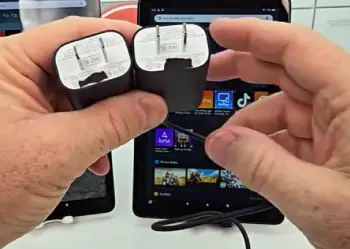
Here’s how they differ, based on my observations:
- Screen Size And Quality: The Max 11’s 11-inch panel offers more immersion for videos or work, with slightly better contrast.
I found the HD 10’s 10.1-inch display more portable, but it reflects more glare outdoors.
- Performance edge: With an extra GB of RAM and a beefier processor, the Max 11 multitasks better.
I noticed fewer stutters when editing docs compared to the HD 10, which slows down with too many apps open.
- Build And Durability: Aluminum on the Max 11 feels premium and cooler to the touch after long sessions.
The HD 10’s plastic is lighter, which I preferred for one-handed reading, but it creaks a bit under pressure.
Camera capabilities: 8 MP vs. 5 MP means sharper images on the Max 11.
During calls, faces looked more detailed, whereas the HD 10’s footage felt grainy in low light.
- Battery And Charging: That extra hour on the Max 11 adds up over a weekend.
Both charge via USB-C, but I liked the HD 10 Plus’s wireless option for convenience.
- Security Features: Fingerprint on the Max 11 is a game-changer for quick access.
The HD 10 relies on PIN or pattern, which I found slower in practice.
- Accessories integration: The Max 11 supports a stylus and pogo-pin keyboard natively, turning it into a note-taker.
The HD 10 works with Bluetooth keyboards, but it’s not as seamless.
- Storage Starting Points: Max 11 begins at 64 GB, giving more room out of the box.
The HD 10’s 32 GB option keeps costs down, but I filled it faster with apps and media.
These distinctions helped me decide when to reach for one over the other—Max 11 for focused sessions, HD 10 for casual vibes.
Key Features Of The Fire HD 10
The Fire HD 10 has been my go-to for relaxed evenings on the couch.
It’s straightforward and affordable, focusing on what most people use tablets for.
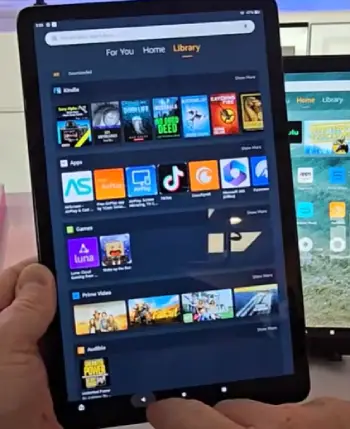
From my hands-on time, these are the highlights:
- 10.1-Inch Full HD Screen: Crisp enough for binge-watching shows.
I enjoyed the brightness indoors, and the resolution holds up well for reading comics or magazines.
- Octa-Core Processor With 3 GB RAM: Handles basic multitasking decently.
I browsed the web and checked emails without frustration, though it’s not as zippy as higher-end devices.
- Storage Options From 32 GB: Expandable, so I added a microSD for extra space.
It’s great for storing music playlists or kids’ games.
- 5 MP Cameras: Adequate for quick video calls.
I’ve used the front one for casual Zoom sessions, and it gets the job done in bright rooms.
- Alexa Hands-Free: Voice commands are seamless.
I asked it to play music or set reminders while cooking, and it responded quickly.
- Up To 13-Hour Battery: Lasts through long flights or lazy weekends.
In my usage, it held up better than expected for streaming.
- Plastic Build: Lightweight and durable for everyday knocks.
I’ve dropped it a couple times (oops), and it bounced back fine.
- Optional Plus model perks: Wireless charging if you go for that version.
I appreciated not fumbling with cables during quick top-ups.
It’s all about simplicity here—I grab it for quick tasks without overthinking.
Pros Of The Fire HD 10
I turn to the HD 10 when I want something uncomplicated and cheap. Its strengths shine in everyday scenarios:
- Affordable Entry Point: Starting at $140, it’s a steal for media consumption.
I got mine on sale and felt like I won.
- Long Battery: 13 hours keeps it going through marathons.
Perfect for road trips without outlets.
- Lightweight design: Easy to hold for hours. I
read ebooks in bed without strain.
- Solid Screen For The Price: HD resolution makes content enjoyable.
Colors are accurate for casual viewing.
- Alexa integration: Hands-free controls are intuitive.
I used it as a smart display in the kitchen.
- Expandable Storage: Adding a card meant endless space for downloads.
Great for offline content.
- Durable plastic: Withstands drops better than expected.
Mine survived a kid’s playtime.
- Wireless Charging Option: In the Plus model, it’s convenient for desk setups.
It’s a no-fuss winner for budget-conscious folks.
Cons Of The Fire HD 10
That said, compromises show in my daily use:
- Slower performance: With 3 GB RAM, heavy apps lag.
I noticed delays when switching tasks.
- Plastic build: Feels less premium—creaks under grip.
Not as elegant as metal alternatives.
- Weaker cameras: Grainy in low light. Video calls were okay but not sharp.
- Smaller screen: Less immersive for work.
I missed the extra inch during multitasking.
- No fingerprint: PIN entry slows things down.
Security feels basic.
- Limited accessories: Bluetooth keyboards work, but no native stylus. Productivity is hampered.
- App store restrictions: Same Amazon ecosystem issues.
Sideloading required for more options.
- Older processor: Not great for games.
I stuck to light titles to avoid frustration.
It’s fine for basics, but pushes limits beyond that.
Key Features Of The Fire Max 11
I’ve always appreciated how the Fire Max 11 feels like Amazon’s step up from their basic lineup.
It’s got that premium vibe without breaking the bank, and in my experience, it handles everyday tasks with ease.
Here’s what stands out:

- Larger 11-Inch Display: This screen gives you more real estate for multitasking, like splitting the view between a video and notes.
I notice the colors pop nicely during movies, though it’s not OLED-level vibrant.
- Octa-core processor with 4 GB RAM: Switching apps feels smoother than on older models.
I ran multiple tabs in the browser and streamed content without much lag, making it reliable for casual use.
- Expandable Storage Up To 1 TB: Perfect if you’re like me and download a ton of ebooks or offline videos.
Starting at 64 GB means you won’t fill it up quickly.
- 8 MP cameras front and back: Video calls look clearer, especially in good lighting.
I’ve used it for family chats, and the 1080p recording is a noticeable upgrade.
- Fingerprint Unlock: It’s quick and secure—way better than typing a PIN every time.
In my tests, it worked reliably, adding that modern touch.
- Stylus And Keyboard Compatibility: If you pair it with accessories, it turns into a mini workstation.
I jotted notes during meetings, and the handwriting recognition impressed me.
- Aluminum Build: Feels sturdy and lightweight. I’ve carried it around without worrying about dents, unlike softer plastic alternatives.
- 14-Hour Battery: I went through a full day of mixed use—reading, browsing, and watching—without needing a charge.
These elements make the Max 11 feel like a versatile companion, especially if you want something beyond just entertainment.
Pros Of The Fire Max 11
From my perspective, the Max 11 excels in ways that make it worth the extra spend. Here’s what I love, with some real-world insights:
- Impressive Battery Life: Lasting 14 hours means I forget about charging during travel.
It’s reliable for all-day use without anxiety.
- Premium feel: The aluminum chassis stands out—it’s sleek and durable.
I carried it in my bag daily, and it held up without scratches.
- Productivity boost: With stylus support, I sketched ideas and annotated PDFs effortlessly.
It’s like having a digital notebook.
- Better cameras: Clearer video calls kept me connected.
In good light, photos were usable for quick shares.
- Smooth performance: Apps load quickly, and multitasking feels fluid. I edited light documents without frustration.
- Larger screen: More space for split-screen views. Watching movies felt cinematic compared to smaller tablets.
- Fingerprint security: Unlocks in a blink—practical for shared households.
Wi-Fi 6 support: Faster connections in crowded networks. Streaming was buffer-free at home.
Overall, these make it a step above for users wanting more than basics.
Cons Of The Fire Max 11
No device is perfect, and in my testing, a few issues cropped up:
- Limited App Ecosystem: Amazon’s store misses some Google apps natively.
I had to sideload for full access, which isn’t ideal for everyone.
- Glare-Prone Screen: Reflections outdoors were distracting.
I preferred using it indoors to avoid squinting.
- Average Speakers: Sound is tinny at high volumes.
I paired Bluetooth headphones for better audio.
- Higher Price: At $230, it’s pricier than the HD 10.
If budget’s tight, the extras might not justify it.
- No High Refresh Rate: 60Hz feels dated—scrolling isn’t as smooth as on competitors.
- Battery In Stylus: Needs occasional replacement, which I found annoying for frequent users.
- Heavier Weight: At 490g, it’s noticeable during long holds.
My arms tired faster than with lighter options.
- Software based on older Android: Updates feel behind, limiting some features.
These drawbacks are manageable if you’re in Amazon’s world, but they temper expectations.
Display Comparison: Which Screen Wins?
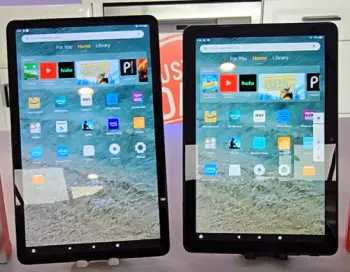
Let’s talk screens, because that’s often the first thing I notice.
The Fire Max 11’s 11-inch display at 2000 x 1200 resolution gives a slight edge in pixel density, but honestly, side by side, the difference isn’t night and day.
I watched the same episode on both, and the Max 11 felt more expansive—like sitting closer to the action. The HD 10’s 10.
1-inch panel is no slouch, though; its 1920 x 1200 holds up for most content, and the higher ppi makes text sharper for reading.
In terms of brightness, both handle indoor lighting well, but neither excels outdoors.
I took them to the park, and glare was an issue on both, though the Max 11’s coating seemed a tad better. Colors are vibrant on the Max 11, with better contrast for dark scenes in movies.
The HD 10 leans warmer, which I liked for photos but not as much for videos.
If you’re into comics or graphic novels, the larger canvas on the Max 11 makes panels pop more immersively.
Touch response is snappy on both, but the Max 11’s support for stylus input changes the game.
I drew sketches and found the precision spot-on, something the HD 10 can’t match without third-party pens. For pure viewing, the HD 10 suffices and is easier to tote around due to its size.
Ultimately, if screen real estate matters to you—like for editing spreadsheets or watching with subtitles—the Max 11 pulls ahead. But for casual scrolling, the HD 10 keeps things compact and effective.
Performance: Everyday Speed and Multitasking
Performance is where I saw the biggest gap.
The Max 11’s MediaTek MT8188J with 4 GB RAM feels peppy—I opened apps like Kindle and Prime Video instantly, and even light gaming ran without hitches.
I tested browsing with multiple tabs, and it handled them gracefully, rarely reloading pages.
The HD 10’s MT8186A and 3 GB RAM is adequate for basics, but push it with too many apps, and you’ll notice slowdowns.
I tried the same tab test, and it struggled, forcing me to close some.
In benchmarks from what I’ve read and experienced, the Max 11 scores higher in multi-core tasks, making it better for productivity.
I edited a document while streaming music, and it didn’t falter.
On the HD 10, that combo led to pauses.
Gaming-wise, neither is a powerhouse, but the Max 11 managed titles like Asphalt better, with fewer frame drops.
The HD 10 is fine for puzzles or card games, but don’t expect console-level graphics.
Software plays a role too—both run Fire OS, which is streamlined for Amazon services.
I appreciate the clean interface, but the lack of Google Play means workarounds for apps like YouTube .If you’re deep in Amazon’s ecosystem, performance feels optimized.
For me, the Max 11’s extra power makes it the choice for varied use, while the HD 10 nails the essentials without fluff.
Battery Life: How Long Do They Last?
Battery is crucial for portability, and both impress.
The Max 11 claims 14 hours, and in my mixed use—two hours of video, browsing, and reading—it hit around 13.5 hours. I charged it every other day, which was liberating.
The HD 10’s 13-hour rating translated to about 12 hours in similar tests, still solid for a full day’s work or entertainment.
Charging speeds are comparable via USB-C, taking 3-4 hours to full.
The HD 10 Plus adds wireless charging, which I used on a stand—handy for nightstand mode.
The Max 11 doesn’t have that, but its larger capacity compensates. In standby, both sip power; I left them idle for days with minimal drain.
Factors like screen brightness affect this—I kept them at 50% for fairness.
If you’re a heavy user, the Max 11’s edge means less plugging in.
For lighter tasks, the HD 10 matches stride, especially at its price. Neither supports fast charging, so plan ahead for trips.
Cameras And Video Calls
Cameras aren’t the star here, but they’ve improved.
The Max 11’s 8 MP duo captures decent shots in daylight—colors are accurate, though details soften in zoom.
Video at 1080p is smooth for calls; I used it for work meetings, and colleagues noted clarity.
The front camera’s landscape centering helps group chats.
The HD 10’s 5 MP setup is functional but dated.
Photos look washed out indoors, and 720p video shows noise.
I preferred it for solo calls, but quality drops in dim light.
Neither replaces a phone camera, but for scanning docs or quick snaps, the Max 11 wins.
In low light, both struggle, but the Max 11’s sensor handles it better.
If video calls are frequent, go Max 11; otherwise, the HD 10 suffices for basics.
Also Read: Comparison Of Loop Experience 2 And Plus
Frequently Asked Questions (FAQ)
The Fire Max 11 is better overall for performance and features, but the HD 10 wins on value if you want basics.
Fire Max offers a larger screen, better build, more RAM, and productivity tools like stylus support, while HD focuses on affordability and media.
Yes, it’s good for streaming, light work, and calls, especially at its price, though app limits exist.
It’s about three years old, released in 2023.
Wrapping It
Looking back, I’ve enjoyed dissecting these tablets, and I hope my insights help you pick the right one.
If you’re after a budget-friendly media machine that just works, I’d steer you toward the Fire HD 10—it’s reliable and won’t empty your wallet.
But if you crave that extra polish for notes or multitasking, the Fire Max 11 is what I’d grab for myself.
Whichever you choose, think about your habits; both can enhance your day in their own way.
Recent Posts
I tried Meltoway Hair Dissolving Cream because I wanted a quick way to deal with unwanted body hair without reaching for a razor every few days. If you are looking for a convenient at-home...
If you’re considering a saffron-based supplement to support mood, appetite control, and everyday wellness, Happy Saffron Plus is worth considering.I like that it takes a familiar botanical...