
If you want a versatile polish that can refresh dull metal, remove light oxidation, and bring back a noticeable shine without making the job complicated, I think Flitz Liquid Metal Polish is worth buying.
I like that it can be used for more than one type of metal and fits easily into a regular cleaning routine.
Whether you are dealing with stainless steel, chrome, aluminum, brass, or other compatible surfaces, it gives you a practical way to improve their appearance.
In this Flitz Liquid Metal Polish review, I’ll share what I like, what I don’t, and where it fits among other metal polishes.
My First Experience With Flitz Liquid Metal Polish
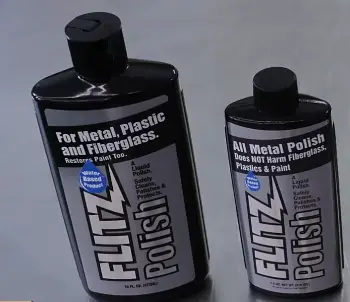
When I first use a metal polish, I usually care about three things: how quickly it works, how much effort I need to put in, and what the surface looks like afterward.
Flitz Liquid Metal Polish gets my attention because it is designed as a multipurpose polishing product rather than something limited to one specific metal.
I start with a reasonably clean surface because I don’t want loose dirt or grit getting dragged across the finish. I apply a small amount of the liquid polish to a suitable cloth and work it over the metal using gentle, controlled movements.
I have found that using too much product doesn’t necessarily make the process better. A modest amount is usually easier to spread and buff.
The biggest difference I notice is on metal that looks dull rather than severely damaged. A cloudy stainless-steel surface, tired-looking chrome, or slightly oxidized aluminum can look considerably fresher after polishing. The shine becomes more noticeable once I buff away the residue.
What I appreciate most is the flexibility. I don’t have to keep reaching for a different polish every time I encounter another compatible metal surface.
That makes Flitz convenient for household maintenance, automotive detailing, workshop projects, and various restoration jobs.
I also pay attention to how much rubbing is required. With light oxidation and surface dullness, the process feels manageable.
Heavier staining or oxidation naturally requires more patience. I wouldn’t expect any liquid polish to magically restore severely damaged metal in seconds.
Another thing I notice is that the final appearance depends heavily on the condition of the surface before I begin. If the metal is scratched, deeply pitted, or badly corroded, polishing can improve its appearance but may not completely restore it.
Overall, my experience with Flitz Liquid Metal Polish is that it works best when I treat it as a maintenance and finishing product rather than a miracle repair solution.
Pros Of Flitz Liquid Metal Polish
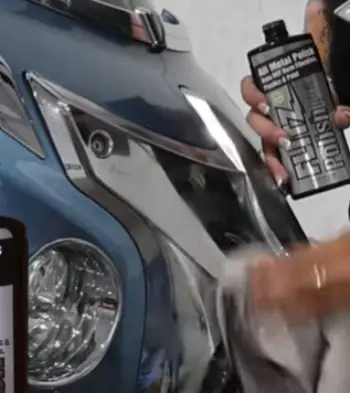
- Versatile Metal Polishing
The biggest advantage I see is versatility. I don’t want a cabinet full of specialized products when one dependable polish can handle several compatible surfaces.
Flitz can be useful around the house, in the garage, and in a workshop. That broad application range makes it attractive to anyone who regularly maintains metal objects.
I especially appreciate this when I am working on a project containing multiple metal components. Instead of changing products constantly, I can use the same general polishing approach while still checking the manufacturer’s surface recommendations.
- Helps Restore Shine
A good polish should make dull metal look noticeably better, and this is one area where Flitz makes sense to me.
When a surface has lost its original brightness because of oxidation, grime, or general exposure, polishing can bring back a cleaner-looking reflection. I find the difference particularly satisfying on smooth metal because the improvement is immediately visible.
You don’t necessarily need a complicated process. Clean the surface, apply an appropriate amount, work it gently, and buff away the residue.
- Useful for Automotive Projects
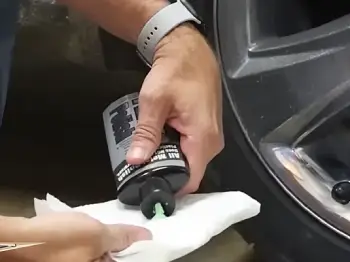
If you maintain your own vehicle, you know how quickly metal parts can lose their fresh appearance. Exhaust components, chrome details, wheels, trim, and various metal accessories may become dull over time.
I like having a product that can fit into automotive detailing without requiring a completely separate routine for every compatible metal component.
Of course, I wouldn’t assume that every automotive finish should be polished with the same product. I check the surface first, especially when a part has a protective coating or special finish.
- Convenient Liquid Formula
The liquid format is another advantage for me. It is easy to dispense and spread across the surface.
I can start with a small quantity and add more when necessary. That gives me better control than simply covering an object with a heavy layer of product.
It also makes it easier to work on relatively small areas. When I’m polishing hardware or a particular section of a larger item, I don’t need much product.
- Good for Routine Maintenance
I think Flitz makes the most sense when used regularly as part of sensible metal care.
Instead of waiting until an object looks extremely neglected, I can periodically clean and polish compatible surfaces. That helps me stay ahead of dullness and oxidation.
Routine maintenance is usually easier than attempting a major restoration after years of neglect.
- Can Save Space in Your Cleaning Supplies
I appreciate multipurpose products because they simplify storage.
If I can use one metal polish for several appropriate surfaces, I don’t need as many individual bottles competing for space in my garage or cleaning cabinet.
For someone who maintains tools, vehicles, household fixtures, and decorative metal objects, that convenience can be meaningful.
- Easy to Incorporate Into a Polishing Routine
I don’t need an elaborate setup. A suitable cloth, a clean surface, and some patience are generally enough for small polishing jobs.
That makes it approachable for beginners while still being useful for people who already have experience with metal care.
Cons Of Flitz Liquid Metal Polish
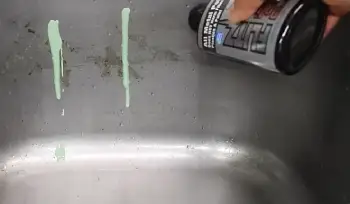
- It Cannot Repair Deep Damage
This is probably the most important limitation I would keep in mind.
Polish can improve the appearance of surface oxidation and dullness, but deep scratches, severe corrosion, pitting, peeling finishes, and structural damage are different problems.
If the metal is seriously damaged, I would not expect polishing alone to restore it to like-new condition.
- Results Depend on the Surface
Not every metal surface responds in exactly the same way.
A smooth, lightly oxidized surface may respond quickly, while a heavily weathered or textured piece can require much more effort.
I wouldn’t judge the product based on one particularly difficult restoration project.
- Requires Some Elbow Grease
Although the product can make polishing easier, I still have to do the work.
For small pieces, that’s hardly an issue. For a large collection of heavily oxidized parts, however, polishing can become time-consuming.
I find that realistic expectations make the process much more enjoyable.
- Not Every Finish Should Be Treated the Same Way
This is an important point. A metal object may have a coating, plating, paint, or other surface treatment.
Before I use any polish, I make sure the surface is appropriate. When I’m uncertain, I test a small inconspicuous area first.
That simple precaution can prevent an avoidable mistake.
- Overapplication Can Make Cleanup More Annoying
I don’t find that using a huge amount of polish makes the job dramatically faster.
In fact, excessive product can leave more residue to remove. I prefer starting small and adding more only when needed.
Maintenance Tips For Flitz Liquid Metal Polish
- Clean the Surface Before Polishing
I never want loose dirt sitting between my cloth and the metal while I’m polishing. Even tiny particles can interfere with the finish.
I first remove dust, grime, grease, and loose contamination using a suitable cleaning method. Once the surface is clean and dry, I move on to polishing.
This simple step can make the entire process more effective.
- Use a Clean, Soft Cloth
The cloth matters more than many people realize.
I prefer a clean, soft microfiber or another suitable polishing cloth. I avoid using a dirty cloth that may contain abrasive particles from previous projects.
If I am working on a particularly delicate finish, I become even more careful about the material I’m using.
- Start With a Small Amount
My approach is simple: less is often more.
I apply a small quantity first and spread it evenly. If I need additional product, I can always add it.
This gives me better control and reduces unnecessary residue.
- Work in Small Sections
When I’m dealing with a large metal object, I don’t try to polish the entire thing at once.
I divide the surface into manageable sections. This helps me see where I’ve already worked and makes it easier to maintain consistent results.
It also keeps the polish from drying or accumulating unnecessarily in areas I haven’t finished.
- Use Gentle Pressure
I don’t believe that aggressive rubbing automatically produces a better finish.
I start with moderate, controlled pressure and observe the result. If the surface needs more work, I gradually increase the effort rather than immediately scrubbing hard.
That approach gives me more control and reduces the chance of unnecessarily affecting the finish.
- Buff Away Residue Properly
After polishing, I use a clean section of cloth to buff the surface.
This is where the shine really starts to appear. A hazy layer of leftover polish can hide the actual result, so I take the time to remove the residue thoroughly.
For larger projects, switching to a fresh cloth can make the final buffing easier.
- Maintain Metal Before It Becomes Severely Oxidized
I find regular care much easier than restoration.
If I notice that a metal surface is starting to lose its shine, I prefer addressing it relatively early. Waiting until oxidation becomes severe can turn a quick maintenance task into a much longer project.
- Store the Product Properly
After using the polish, I make sure the container is closed securely and stored appropriately.
Keeping the product clean and properly sealed helps prevent unnecessary contamination and makes it ready for the next project.
- Test an Unfamiliar Surface First
This is one maintenance habit I wouldn’t skip.
If I am unsure how a particular finish will react, I test a small hidden area first. I can then inspect the result before committing to the entire surface.
That takes only a little extra time but gives me much more confidence.
Comparison Of Flitz With Other Metal Polishes
- Flitz vs. Autosol
Autosol is another recognizable option for metal care. When I compare the two, I focus less on declaring one universally superior and more on the type of project I’m handling.
Flitz appeals to me because of its broad multipurpose positioning and liquid format.
Autosol has a strong reputation among people who specifically want metal polishing products for automotive and restoration work.
For someone who wants flexibility across several household and automotive applications, Flitz can be appealing. Someone who already prefers the feel and polishing characteristics of Autosol may naturally gravitate toward it instead.
- Flitz vs. Mothers Mag & Aluminum Polish
Mothers Mag & Aluminum Polish is particularly associated with automotive metal surfaces.
If my main goal is polishing aluminum wheels or similar automotive components, I would consider the specific metal and finish before deciding.
Flitz has an advantage in my mind when I want a more general-purpose product rather than something selected primarily around a particular automotive polishing task.
- Flitz vs. Simichrome
Simichrome is another well-known polishing product that many users associate with fine metal finishing.
The difference I notice conceptually is that product format, intended applications, surface condition, and polishing preference all matter.
I wouldn’t choose purely based on brand recognition. I would look at the metal I’m working on, the level of oxidation, and the type of finish I want.
- Flitz vs. Wenol
Wenol is another traditional metal polish option. Both products can be considered when you’re trying to restore shine and remove certain forms of surface dullness.
For me, the deciding factor would be convenience, the specific surface, and how much polishing effort the job requires.
Is Flitz Liquid Metal Polish Worth It?
After considering its strengths and limitations, I see Flitz Liquid Metal Polish as a practical option for people who regularly maintain compatible metal surfaces.
Its biggest strength is versatility. I can use it across different projects without needing a completely different approach every time.
I also like that the liquid format lets me control how much product I’m using. That makes smaller jobs straightforward.
The important thing is understanding what a polish can realistically accomplish. If I am dealing with light oxidation, dullness, tarnish, or surface grime, polishing makes sense. If I’m dealing with deep corrosion, serious pitting, or structural damage, I need a different restoration strategy.
For everyday metal maintenance and appearance improvement, though, Flitz has plenty to offer.
Frequently Asked Questions (FAQ)
It can perform very well, but the right choice depends on the metal, finish, condition, and polishing goal.
There isn’t one universal choice. The best option depends on the surface and the type of restoration you need.
Liquid is convenient for spreading and general-purpose work, while paste can be preferable for certain heavier polishing jobs.
Flitz is designed to polish without relying on extremely aggressive abrasion, making it suitable for many routine metal-polishing applications.
Final Verdict
After looking at the overall experience, I think Flitz Liquid Metal Polish is worth buying if you want one versatile product for maintaining compatible metal surfaces.
I like its convenient liquid format, broad usefulness, and ability to refresh dull-looking metal with reasonable effort. Just remember that it isn’t designed to repair deep corrosion or serious surface damage.
If your metal needs regular cleaning, polishing, and shine restoration, I would consider adding Flitz to your maintenance supplies.
Recent Posts
● Interactive 5-Zone Interior & Exterior Paint Blueprint Paint Coverage Calculator: Gallons, Primer, Square Footage & Cost Tap any architectural surface zone on the blueprint...
If you want smooth, shiny hair without spending a fortune on a premium styling tool, the Ella Bella hair dryer may be worth considering.In these Ella Bella hair dryer reviews, I’ll look...