
If you’re looking for a dependable way to protect your home from rising water, I believe the FloodShield Flood Barrier is worth considering.
After spending time researching its design and understanding how it performs in real-world situations, I found that it offers a practical solution for homeowners who want an extra layer of flood protection without making permanent changes to their property.
If flooding is a concern where you live, this product deserves a place on your shortlist.
My Personal Experience With The FloodShield Flood Barrier
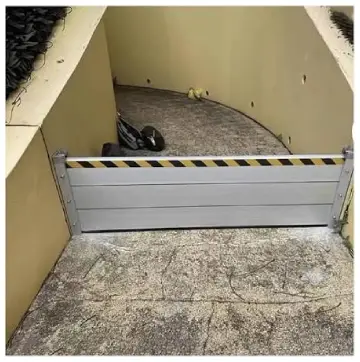
Living in an area where heavy rain occasionally causes water to collect around driveways and garage entrances, I’ve always looked for products that provide peace of mind before the storm arrives.
Sandbags have always felt like a temporary fix. They’re heavy, messy, and require significant effort to place correctly.
That’s what initially made me interested in the FloodShield Flood Barrier.
The first thing that impressed me was how much easier it appeared to handle compared to traditional flood protection methods.
Rather than hauling dozens of sandbags around the property, the FloodShield system focuses on creating a physical barrier that can be positioned quickly where protection is needed most.
I also appreciated the overall build quality. It didn’t feel like a disposable emergency product. Instead, it looked designed for repeated use, which immediately made it seem like a better long-term investment.
The materials appeared sturdy enough to withstand outdoor conditions, including rain, wind, and debris that often accompany severe weather.
One thing I noticed is that preparation still matters. Like any flood barrier, the system performs best when installed before floodwater arrives. Waiting until water is already flowing can reduce its effectiveness and make installation much more difficult.
Another aspect I liked was its versatility. Whether you’re protecting a garage door, patio entrance, basement access, or commercial doorway, the barrier can often be adapted to different situations.
That flexibility makes it appealing because every property has different weak points.
Of course, I wouldn’t describe it as a magical solution that eliminates every flooding risk. No flood barrier can promise complete protection under every circumstance.
However, for moderate flooding and heavy rainfall, I found the concept practical and significantly more convenient than relying entirely on sandbags.
Overall, my impression was positive. The FloodShield Flood Barrier feels like a proactive investment rather than a last-minute emergency purchase.
If you prepare properly and use it as intended, it can become an important part of your home’s flood protection plan.
What Is The FloodShield Flood Barrier?
The FloodShield Flood Barrier is designed to reduce the amount of floodwater entering vulnerable areas of a property.
It creates a temporary seal across openings such as garage doors, entry doors, basement entrances, storefronts, and other access points where water commonly enters.
Unlike traditional flood defenses that depend heavily on piles of sandbags, FloodShield focuses on creating a reusable barrier that can be installed relatively quickly.
Depending on the model, it may rely on water pressure, compression, or specialized sealing mechanisms to strengthen the barrier as floodwater rises.
Because it’s reusable, many homeowners see it as a worthwhile investment instead of repeatedly purchasing disposable flood protection materials after every major storm.
Pros Of The FloodShield Flood Barrier
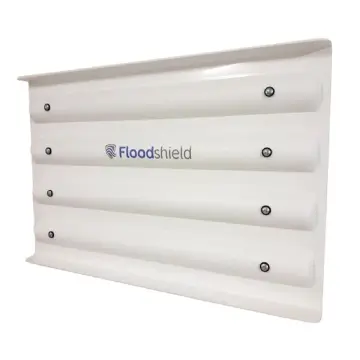
- It Offers Better Protection Than Traditional Sandbags
One of the biggest advantages I noticed is how much more organized the entire flood preparation process becomes.
Instead of stacking dozens of sandbags and hoping they’re positioned correctly, the FloodShield barrier creates a more consistent protective line.
Sandbags often leave small gaps where water slowly seeps through. They also shift as water pressure increases.
A properly installed FloodShield barrier aims to create a tighter seal, reducing those weak points that commonly allow water to enter.
From a practical standpoint, this means less cleanup after storms and greater confidence when severe weather is forecast.
- Quick Installation Saves Valuable Time
When flood warnings are issued, every minute matters. One reason I like this barrier is that it reduces the time needed to prepare your property.
Instead of filling, transporting, and stacking heavy sandbags, you simply position the barrier where it’s needed and secure it according to the manufacturer’s instructions.
This quicker setup is especially valuable for homeowners who may not have enough physical strength to handle dozens of heavy sandbags or those who need to protect multiple entry points in a short period.
- Reusable Design Makes It More Cost-Effective
Although the upfront investment may be higher than purchasing a few sandbags, the long-term value becomes more noticeable after repeated use.
Traditional flood protection often involves replacing damaged sandbags after major storms. With proper care, the FloodShield barrier can be used again and again, making it a more economical option over time.
For homeowners living in flood-prone areas, that reusability can lead to meaningful savings while reducing waste.
- Strong Construction Inspires Confidence
A flood barrier is only as reliable as the materials used to build it. One aspect I appreciate is that FloodShield products are generally designed with durability in mind.
The materials are intended to resist outdoor exposure, heavy rain, and repeated use without losing their structural integrity. That durability gives me greater confidence that the barrier will still perform well after multiple seasons.
- Versatile Enough for Different Applications
Another benefit is flexibility. Rather than protecting only one specific opening, the FloodShield system can often be used for garages, doorways, workshops, warehouses, commercial entrances, and even some basement access points.
That versatility makes it appealing because most homes have more than one location where floodwater can become a problem.
Cons Of TheFloodShield Flood Barrier
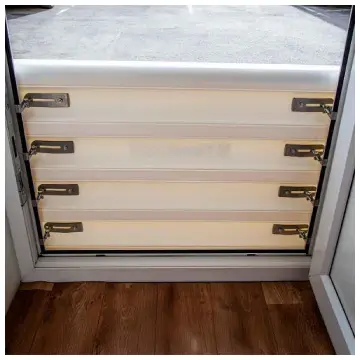
- The Initial Investment Is Higher
One downside is the purchase price. Compared with basic sandbags, the FloodShield Flood Barrier requires a larger upfront investment.
For homeowners who rarely experience flooding, the cost may feel difficult to justify. However, if flooding is a recurring issue, the reusable nature of the product can help balance that expense over time.
- Proper Installation Is Essential
The barrier isn’t something you should simply place on the ground and forget about. Like most flood protection systems, it performs best when installed correctly.
If the surface is uneven, cluttered, or damaged, achieving an effective seal may become more challenging.
Taking a few extra minutes to prepare the installation area can make a noticeable difference in overall performance.
- No Flood Barrier Guarantees Complete Protection
It’s important to have realistic expectations. Even high-quality flood barriers have limitations.
Extremely deep flooding, rapidly moving water, or severe structural issues can overwhelm almost any temporary barrier. I view the FloodShield system as an important layer of protection rather than an absolute guarantee against every flood scenario.
- Storage Space Is Still Required
Although it’s easier to store than large quantities of sandbags, the FloodShield barrier still needs a clean, dry location between uses.
If it’s stored improperly or exposed to prolonged moisture, its lifespan may be reduced.
- Size Selection Matters
Choosing the correct size is crucial. A barrier that’s too small won’t provide adequate coverage, while one that’s too large may not fit securely.
Measuring your doorway, garage opening, or other vulnerable area before purchasing helps avoid unnecessary frustration later.
Maintenance Tips For TheFloodShield Flood Barrier
- Clean the Barrier After Every Use
One habit I strongly recommend is cleaning the barrier immediately after floodwater recedes. Floodwater often contains mud, leaves, sand, chemicals, and other debris that can cling to the surface.
Allowing those materials to remain on the barrier for extended periods may gradually affect seals, joints, and protective finishes.
I usually rinse the entire barrier with clean water, paying close attention to edges, seals, and connection points where dirt tends to collect. If stubborn mud remains, using a soft cloth or sponge works better than abrasive brushes that could damage the material.
Keeping the barrier clean also makes future inspections much easier because cracks or worn areas are easier to spot.
- Allow It to Dry Completely Before Storage
This step is incredibly important.
Even though the barrier is designed for outdoor use, putting it away while it’s still wet can encourage mold, mildew, corrosion on metal components, or unpleasant odors.
After cleaning, I let every part dry naturally before placing it back into storage. If the weather permits, allowing it to air dry outdoors for several hours works well.
Taking a little extra time here can significantly extend the product’s usable life.
- Inspect Seals Before Storm Season
A flood barrier relies heavily on its sealing surfaces. Before every rainy season, I examine these areas carefully.
I’m looking for signs such as:
- Cracks
- Hardening
- Tears
- Warping
- Loose sections
Even minor damage could reduce the barrier’s ability to keep water out.
If I notice excessive wear, I address it before the next storm rather than waiting until an emergency arrives.
- Check for Structural Damage
The barrier itself should also be inspected regularly.
I look over every panel, frame, bracket, and fastening point to ensure nothing has become bent or damaged during previous use.
If a component appears weakened, replacing it promptly is usually much less expensive than dealing with flood damage later.
- Store It in a Protected Environment
Where you store the FloodShield barrier matters almost as much as how you use it.
I prefer keeping it in a cool, dry area away from direct sunlight and excessive humidity. Continuous exposure to harsh environmental conditions while in storage can shorten the lifespan of many outdoor products.
A garage shelf, storage room, or utility closet usually works well as long as the barrier remains clean and dry.
- Practice Installation Before an Emergency
One maintenance habit people rarely mention is practicing installation.
Waiting until severe weather arrives to learn how the system works creates unnecessary stress. I recommend installing the barrier once or twice during good weather so you become familiar with the process.
That simple practice can make installation much faster and more confident when every minute counts.
Maintenance Tips For The FloodShield Flood Barrier
- Keep the Installation Area Clean
The barrier can only create an effective seal if the surface beneath it is relatively clean and level.
Before installing it, I always remove loose gravel, sticks, leaves, dirt, and any other debris that could prevent proper contact with the ground.
Even a small object trapped beneath the barrier can create a gap that allows water to seep through.
Making this quick inspection part of your storm preparation routine takes only a few minutes but can improve the barrier’s overall performance.
- Avoid Dragging the Barrier Across Rough Surfaces
Although the FloodShield Flood Barrier is built to handle demanding weather conditions, unnecessary wear can shorten its lifespan
. I try to lift and position the barrier instead of dragging it across concrete, asphalt, or gravel.
Dragging may scratch protective coatings, wear down sealing edges, or damage parts that are designed to create a watertight fit.
Treating the barrier carefully during setup and removal helps preserve its condition for future use.
- Inspect Hardware and Fastening Components
If your FloodShield model includes clamps, brackets, bolts, or other fastening hardware, those parts deserve regular attention as well.
Before every storm season, I check that everything is secure and operating smoothly. Loose hardware should be tightened, and worn components should be replaced before they’re needed during an emergency.
A barrier is only as reliable as its weakest part, so spending a few minutes checking the hardware can prevent larger problems later.
- Avoid Using Harsh Chemicals
Cleaning doesn’t require aggressive chemical products. In fact, strong solvents, bleach, or abrasive cleaners may damage protective finishes or sealing materials over time.
I stick with mild soap and clean water whenever possible. A soft cloth or sponge is usually enough to remove mud and residue without affecting the barrier’s materials.
This gentle cleaning approach keeps the product looking better while helping preserve its protective properties.
- Perform a Seasonal Inspection
Even if the barrier hasn’t been used recently, I still recommend inspecting it at least once or twice each year.
During the inspection, I check for discoloration, cracks, loose fittings, damaged seals, corrosion, or anything else that looks unusual. Catching small issues early is much easier than discovering them during a severe storm.
Regular inspections also remind me where the barrier is stored and ensure everything is ready when bad weather arrives unexpectedly.
- Follow the Manufacturer’s Storage Recommendations
Every flood barrier has specific storage recommendations depending on its materials and construction.
I always make sure the barrier is stored according to those guidelines, whether that means laying it flat, standing it upright, or keeping it inside a protective storage bag. Proper storage reduces unnecessary stress on the materials and helps maintain reliable performance over the years.
With consistent maintenance, the FloodShield Flood Barrier should remain ready for repeated use whenever heavy rain or flooding becomes a concern.
Comparison OF FloodShield Flood Barrier With Other Brands
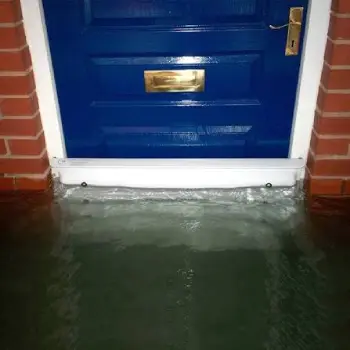
- FloodShield vs. AquaFence
AquaFence is widely recognized for large-scale flood protection projects and is often seen protecting municipalities, commercial properties, and critical infrastructure.
It performs exceptionally well in high-risk flood zones but is generally more expensive and designed for larger installations.
In comparison, I find the FloodShield Flood Barrier much more practical for residential properties and small businesses.
It focuses on protecting individual entry points such as garages, doors, and basements without requiring a large installation team.
If you’re a homeowner looking for a manageable solution, FloodShield feels like the more accessible option.
- FloodShield vs. Quick Dam
Quick Dam products are popular because they are lightweight and expand when they absorb water. They work well for minor flooding and temporary water diversion.
However, I think FloodShield offers a stronger physical barrier for situations where water pressure becomes more significant.
Rather than relying on absorbent materials alone, FloodShield creates a structured defense that can inspire greater confidence during prolonged storms.
Quick Dam is an excellent emergency option, while FloodShield is better suited for homeowners seeking reusable, long-term flood protection.
- FloodShield vs. Sandbags
Traditional sandbags have been used for decades, but they come with several disadvantages. They require filling, lifting, stacking, and eventually disposing of after use.
They can also leak, shift under pressure, and leave behind a considerable mess.
FloodShield eliminates many of these inconveniences. It’s cleaner, easier to store, reusable, and generally much faster to deploy.
While sandbags remain useful in certain emergency situations, I believe FloodShield represents a more modern and efficient approach for homeowners who deal with recurring flood risks.
- FloodShield vs. Dam Easy Flood Barriers
Dam Easy barriers are known for their custom-fit aluminum flood barriers designed for doors and garages. They provide excellent protection and are highly durable, particularly for properties with repeated flooding concerns.
FloodShield competes well by offering a balance between ease of installation, portability, and dependable protection. Depending on your property’s layout, either system may be a suitable choice, but I appreciate FloodShield’s straightforward setup and flexibility for different entry points.
- FloodShield vs. Water-Gate Flood Barriers
Water-Gate barriers are commonly used by emergency response teams because they can protect larger open areas and redirect floodwater effectively.
For residential users, however, these systems may be more than what’s actually needed. FloodShield focuses on everyday homeowners who simply want to secure vulnerable entrances before severe weather arrives.
If your goal is protecting a driveway entrance, garage, basement, or patio door, FloodShield offers a simpler and more homeowner-friendly solution.
Who Should Buy The Floodshield Flood Barrier?
I believe this product is best suited for homeowners who experience seasonal flooding, heavy rainfall, or poor drainage around their property.
If your garage, basement, patio, or front entrance has been vulnerable to water intrusion in the past, the FloodShield Flood Barrier can provide valuable protection.
It’s also a worthwhile investment for small business owners who want to reduce the risk of water damage to inventory, equipment, or flooring during storms. A
nyone looking for a reusable alternative to sandbags will likely appreciate its convenience and long-term value.
On the other hand, if flooding is extremely rare where you live, a simpler and less expensive solution may be sufficient. The biggest value comes from repeated use over multiple storm seasons.
Frequently Asked Questions(FAQ)
The most effective flood barrier depends on the situation, but well-designed reusable barriers with proper sealing generally provide stronger and more reliable protection than traditional sandbags.
The cost varies significantly depending on the size, project requirements, and installation, ranging from several thousand dollars for small systems to much larger investments for commercial applications.
A quality reusable flood barrier can last many years when cleaned, inspected, and stored properly after each use.
The main advantages include reusable protection, faster installation, cleaner operation, and better convenience than sandbags. The drawbacks include higher upfront costs and the need for correct installation and regular maintenance.
Wrapping Up
If you’re searching for dependable flood protection that can be used season after season, I think the FloodShield Flood Barrier is a smart purchase.
Its reusable design, straightforward installation, and durable construction make it an attractive alternative to traditional sandbags.
While no temporary barrier can eliminate every flood risk, this product provides reliable protection for many residential and small commercial applications, making it a valuable addition to your emergency preparedness plan.
Recent Posts
I spent months comparing budget options against established names after my last set of tires wore out sooner than expected.My goal here is to share what I learned from putting Dextero and...
AquaTru Carafe Vs. Classic: Which Is Actually Fits Your Kitchen?
I decided to write this comparison after months of testing both the AquaTru Carafe and the Classic in my own kitchen. Tracking covered daily use.Taste stayed consistent. Refill frequency...