
I have spent years testing travel pillows on red-eye flights, long train rides, and cross-country drives, always hunting for something that stops the dreaded head bob without turning my carry-on into a storage nightmare.
My goal here is to share an honest, side-by-side look at Flyhugz and the TRTL travel pillow so you can decide which one actually fits your sleep style, bag space, and comfort needs.
| Feature | Flyhugz | TRTL |
| Design | Memory foam wrap with Velcro | Fleece scarf with internal plastic brace |
| Support style | 360° around neck and chin | One-sided (switchable) or chin |
| Weight | Around 12 oz | About 4.5–5 oz |
| Packed size | Compresses into stuff sack | Folds nearly flat like a book |
| Materials | Soft memory foam, washable cover | Soft fleece, removable washable wrap |
| Learning curve | Almost none | Short practice needed |
| Best for | All-around comfort, front flop | Minimalists, side sleepers, tight bags |
| Heat level | Moderate | Moderate to warm (cooling version exists) |
| Price range | Mid | Mid to higher |
My First Experience With Both
I tested the Flyhugz first on a long transatlantic flight and a multi-hour drive.
The memory-foam wrap locked my chin and sides in place almost immediately with almost no setup beyond the Velcro strap.
I slept longer stretches with far fewer sudden head jerks, and my neck felt noticeably less stiff after landing, though the foam ran a bit warm in a stuffy cabin and the packed size still took some space in my bag.
I then switched to the TRTL on a long-haul Asian route and several shorter flights.
The scarf-style brace needed two tries to position correctly the first time, but once set on my preferred side it held my head upright even in a middle seat.
It was extremely light and nearly flat when packed so I barely noticed it in my bag. The soft fleece felt cozy, though I had to stay committed to one lean direction.
Sleep quality was strong once dialed in and the lack of bulk behind my head made a real difference.
Both cut the usual next-day neck ache. The Flyhugz felt more forgiving when I shifted positions, while the TRTL won for pure packability and reliable upright support. I now choose based on the trip.
Key Differences Between Flyhugz And TRTL
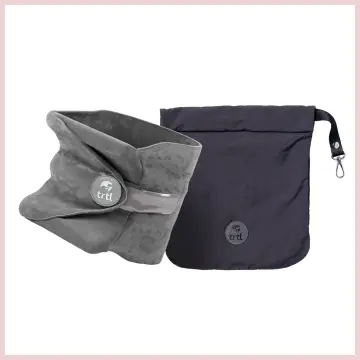
- Design approach: Flyhugz wraps fully around your neck like a soft collar that closes with Velcro in front and creates continuous cushioning.
TRTL looks more like a scarf with a hidden curved plastic piece inside one section that you lean into for firm hold.
- Support direction: With Flyhugz I can rest my head left, right, or slightly forward and still feel held from every angle by the foam.
TRTL forces a clear choice of placing the brace on the left, the right, or under the chin so switching sides means unwrapping and starting over.
- Packability and weight: TRTL wins this category by a clear margin because it slides into a small pouch or even a large handbag and barely registers on the scale.
Flyhugz compresses into its stuff sack yet the memory foam still takes more space and needs a firm shove to fit properly.
- Feel against the skin: Flyhugz offers a plush slow-rebound foam that molds gently to the neck and pairs with a soft removable cover.
TRTL’s fleece feels cozy and scarf-like which many people love in cold cabins yet it can trap more heat during long hours.
- Ease of use on the plane: I can put on Flyhugz in under ten seconds and adjust the Velcro without looking or removing the whole pillow.
TRTL needs a moment of careful positioning so the plastic sits correctly against the jaw or ear before it feels secure.
Key Features Of Flyhugz
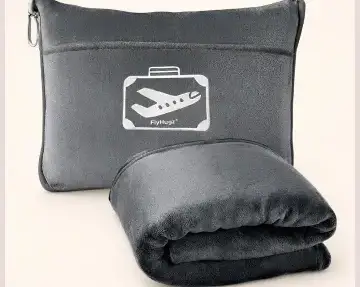
- Memory foam core that contours to the neck curve: The foam compresses under pressure then slowly returns so it supports without feeling rock-hard and holds its shape after several hours of use.
- Full wrap design with adjustable Velcro: The front edges meet and fasten to create a continuous ring of support that most clearly stops forward head drop during deep sleep.
- Removable washable outer cover: Hygiene matters on planes so I unzip the cover toss it in a gentle wash and wipe the foam itself down for the next trip.
- Included travel stuff sack: The bag keeps the pillow clean between uses and makes it easier to shove into a backpack side pocket even if it needs a good push to fit.
- Lightweight relative to traditional U-shaped pillows: At roughly twelve ounces it is not the lightest option on the market yet it still feels manageable for most travelers who carry it regularly.
Pros Of TRTL
- Outstanding packability and feather-light weight: I can drop it into a laptop sleeve or small daypack without rearranging everything else which makes it ideal for travelers who hate bulky gear.
- Firm reliable support once positioned correctly: The plastic brace holds the head steady on the chosen side so on long-haul flights where I commit to one lean direction I wake with less neck stiffness.
- Cozy fleece that also provides light warmth: In cold cabins the wrap feels like a soft scarf and some versions use cooling fabric if heat becomes a concern during the journey.
- Easy to clean and maintain: Removing the support and washing the fleece keeps the pillow hygienic trip after trip without complicated steps.
- Effective even in the middle seat: Because it does not rely on a window or headrest the brace works in any seat as long as you stay upright and keep the position steady.
Cons Of TRTL
- Support is limited to one side at a time: Switching sides requires full rewrapping so if you naturally roll your head during sleep this becomes annoying over long flights.
- Noticeable learning curve for ideal placement: The first few uses can feel awkward because the plastic may dig into the jaw or cheek until you find the sweet spot through practice.
- Can feel warm or slightly restrictive: The fleece and snug wrap trap heat for some people and over-ear headphones often do not fit comfortably against the brace.
- Higher price relative to basic foam pillows: You pay for the engineering and packability so budget travelers may hesitate before making the purchase.
- Not ideal for pure back sleepers who want to lean straight back: The design favors side or slight forward lean and pure recline against a headrest works less well for those sleepers.
Key Features Of TRTL

- Internal flexible plastic support frame: The curved brace sits inside the fleece and provides a firm surface to lean against which is the reason the pillow keeps your head upright without bulk behind the neck.
- Soft hypoallergenic fleece wrap: The fabric feels like a high-quality scarf that wraps once or twice around the neck and secures with Velcro while also doubling as light warmth when the cabin is chilly.
- Extremely low weight and flat pack profile: At under five ounces and roughly the size of a hardcover book when folded it disappears into almost any bag without rearranging the rest of the contents.
- Machine-washable outer layer: Slide the plastic out wash the fleece and the support stays clean for the next trip so maintenance stays simple even after frequent use.
- Multiple versions available: Original height-adjustable Plus cooling fabric and even a kids’ size mean you can match the pillow to neck length or temperature preference with ease.
Pros Of Flyhugz
- Strong all-around support that reduces head bob in every direction: On a recent overnight flight I stayed asleep longer than usual because my chin never fully dropped and the foam plus closed front made a real difference compared with open U-shaped designs.
- Soft plush feel that many find more pillow-like: If you dislike the sensation of a hard brace against your face the memory foam feels familiar and comfortable right away without any break-in period.
- Simple to put on and adjust mid-flight: No need to remove the whole thing if you want a tighter or looser fit because you just peel and reattach the Velcro in seconds.
- Good option for people who shift positions while sleeping: You are not locked into one side so you can lean left for a while then right and the support follows without extra effort.
- Washable cover keeps it fresher for frequent use: After a sweaty flight or a dusty train cleaning is straightforward and the pillow stays hygienic trip after trip.
Cons Of Flyhugz
- Bulkier when packed than scarf-style options: Even compressed it occupies more bag real estate so minimalist packers may feel the difference on tightly packed trips.
- Can feel warm after several hours: Memory foam and a snug wrap trap heat so hot sleepers may need to loosen it or choose a cooler seat during long flights.
- Fit can be challenging for very short or thick necks: Some users with shorter necks report the pillow sits too high and forces an awkward posture even though the Velcro helps with basic adjustments.
- Stuff sack requires firm compression: Getting the foam back into the bag takes effort and a slightly larger sack would make packing easier for everyday travelers.
- Occasional reports of inconsistent quality or slower customer response: A few travelers mention the foam losing loft faster than expected or difficulty reaching support when they need help with an order.
How They Perform On Actual Flights And Drives?
On a nine-hour overnight flight I used the Flyhugz first.
The chin support kept my head from dropping onto my chest, and I managed about five solid hours of sleep broken only by meal service. My neck felt noticeably less stiff upon landing.
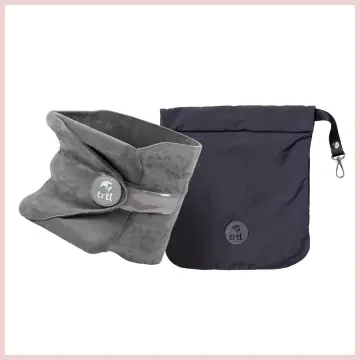
Switching to the TRTL on a similar route, I slept almost as well once I locked in the left-side lean.
The lack of bulk behind my head made leaning against the seat more comfortable, and the light weight meant I barely noticed carrying it through the terminal.
In the car the Flyhugz felt more natural because I could shift slightly without losing support. The TRTL shone on a long train ride where upright posture was the only option. Both reduced the morning-after neck ache that used to linger for a day or two.
Who Should Choose Which Pillow?
If you value simplicity, all-around cushioning, and don’t mind a bit more bulk, the Flyhugz fits most travelers well.
It especially suits window-seat passengers and people who want zero learning curve. If you prioritize minimal size, maximum packability, and reliable support in middle or aisle seats, the TRTL is hard to beat.
Frequent long-haul flyers who already travel light tend to prefer it once they master the wrap.
Neither is perfect for every body or every trip. Neck length, preferred sleep angle, and cabin temperature all influence the experience.
I found practicing at home for ten minutes made a big difference with the TRTL, while the Flyhugz required almost no adjustment.
Also Read: Is Dreamers Relief Pillow Worth It?
Frequently Asked Questions (FAQ)
Some users mention the pillow can feel tall for short necks, the foam runs warm, and customer service or shipping delays occur occasionally.
Yes for many people. Once positioned correctly it holds the head upright and reduces bobbing better than traditional U-shaped pillows on long flights.
Several scarf-style or brace-style alternatives exist with similar internal support and fleece wraps, often at lower prices, though quality and durability can vary.
Both offer solid wrap support. Flyhugz tends to pack lighter and feel slightly softer, while Wander Plus often provides firmer chin control for upright sleepers.
Final Thoughts
After testing both extensively I still keep each one in my rotation depending on the trip. The Flyhugz gives me that soft, secure hug that works almost anywhere without fuss.
The TRTL lets me travel lighter and still sleep upright when space is tight. Your choice comes down to how much bulk you tolerate, whether you need full wrap support or targeted brace strength, and how you like to rest on planes and in cars.
Try matching the pillow to your most common seat type and packing style. Once you land without the usual neck pain, you’ll wonder why you waited so long to upgrade from the basic airport options.
Whichever you pick, consistent use on long journeys makes a real difference in how you arrive and how quickly you recover.
Recent Posts
● Interactive 5-Zone Interior & Exterior Paint Blueprint Paint Coverage Calculator: Gallons, Primer, Square Footage & Cost Tap any architectural surface zone on the blueprint...
If you want smooth, shiny hair without spending a fortune on a premium styling tool, the Ella Bella hair dryer may be worth considering.In these Ella Bella hair dryer reviews, I’ll look...