
I’ve been snapping away with instant cameras for years, and let me tell you, the Fujifilm Instax Mini 12 stands out as a must-buy.
If you’re craving that nostalgic thrill of holding a physical photo seconds after capturing a moment, this little gem delivers without fuss.
It’s affordable, super user-friendly, and produces vibrant prints that make memories pop.
Whether you’re at a party or on a casual outing, you’ll love how it brings joy back to photography. Don’t hesitate—pick one up and start creating those tangible keepsakes today.
My First Experiance Time With The Fujifilm Instax Mini 12
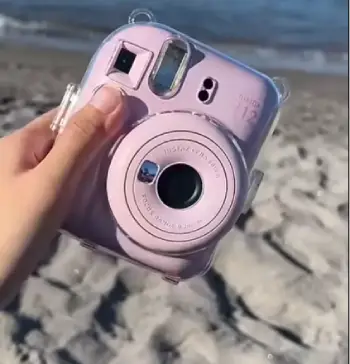
I remember the day I unboxed my Fujifilm Instax Mini 12 like it was yesterday.
It arrived in this cheerful pastel blue packaging, and right away, I felt that excitement bubbling up, the kind you get when you’re about to rediscover something fun from your childhood.
I popped in the two AA batteries—easy as pie—and loaded the film cartridge.
No complicated setups here; it’s designed for folks like me who just want to point and shoot without reading a thick manual.
My first outing with it was at a family barbecue.
I handed it to my niece, who’s eight, and she figured it out in seconds. Twist the lens to turn it on, line up your shot using the viewfinder, and press the button.
Click! Out pops the photo, developing in about 90 seconds. We watched as the blank film transformed into a colorful image of us grilling burgers.
The colors were so vivid—the greens of the grass, the reds of the tomatoes—it felt magical. I took a selfie next, using the built-in mirror on the front.
No more awkward arm stretches or guessing if I’m in frame; it nailed it every time.
Over the next few weeks, I carried it everywhere. At a coffee shop with friends, we captured candid laughs over lattes.
The automatic exposure handled the dim indoor light surprisingly well, adjusting the flash so our faces weren’t washed out. Outdoors on a hike, it coped with bright sunlight, though I learned to shield the developing photo from direct rays to avoid overexposure.
One thing I noticed was how lightweight it is—barely 300 grams—so it slipped into my bag without weighing me down.
But it wasn’t all perfect shots. A couple of times, when I got too close to my subject, say under half a meter, the images came out a bit soft.
That’s when I appreciated the close-up mode; you twist the lens further, and it adjusts the parallax for better accuracy. I experimented with different films too—standard color, monochrome—and each added a unique flair. The mini size prints, about credit card dimensions, are perfect for sticking in wallets or on fridge doors.
Overall, using the Instax Mini 12 reignited my passion for spontaneous photography.
It’s not about pixel-perfect images; it’s about the experience, the tangible result you can share instantly. I found myself reaching for it more than my smartphone camera because there’s something irreplaceable about holding a physical print.
If you’re like me, tired of digital overload, this camera pulls you back to basics in the best way. After a month, I’d taken over 50 photos, each one a little story.
You might think it’s just a toy, but trust me, it becomes a companion for capturing life’s unfiltered moments.
Pros Of The Fujifilm Instax Mini 12
Let me share what makes this camera shine from my perspective. I’ve used it in all sorts of situations, and these strengths keep drawing me back.
- Effortless Operation for Beginners
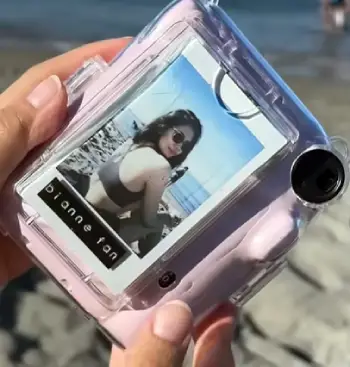
You pick it up, and within minutes, you’re snapping photos like a pro.
I love how there’s no need to fiddle with settings; the automatic exposure does the heavy lifting.
When I first handed it to my friend who swears she’s tech-averse, she captured a sharp group shot without any guidance.
The twist-on lens mechanism is genius—turn it once to power on, twice for close-up mode. It eliminates the guesswork, making it ideal for parties where you want quick, fun results.
And that built-in flash? It fires every time, ensuring your indoor shots don’t turn out dark and moody unless that’s your vibe.
- Vibrant and Reliable Print Quality
The photos this thing produces are a delight. Each print develops with rich colors and decent contrast, especially in well-lit conditions.
I’ve compared my Instax shots to digital ones, and there’s a warmth to them that screens can’t replicate.
The film handles skin tones beautifully, avoiding that washed-out look you sometimes get with cheaper alternatives.
I took it to a wedding once, and the prints of the couple cutting the cake came out with such lively hues that guests were asking to borrow the camera.
Plus, the mini format means you can carry a stack in your pocket to hand out as instant souvenirs.
- Portability and Design Appeal
Weighing next to nothing, this camera fits seamlessly into your daily carry. I sling it around my neck with the included strap, and it doesn’t feel bulky.
The rounded, playful design in colors like lilac or clay white adds a touch of personality—it’s not just a tool; it’s an accessory.
During a road trip, it survived bumps in the car without a scratch, thanks to its sturdy plastic build.
You can toss it in a backpack and forget about it until inspiration strikes. And let’s talk battery life: those two AAs last for about 100 shots, so you’re not constantly hunting for replacements mid-adventure.
- Affordable Entry into Instant Photography
For what you get, the price is a steal. I bought mine for around $70, and it felt like great value compared to fancier models.
The film isn’t the cheapest, but packs of 10 sheets go for about $8, making each photo under a dollar—worth it for the instant gratification.
I’ve gifted one to a teenager, and they were thrilled because it’s accessible without breaking the bank. It democratizes photography, letting anyone create without needing expensive gear or apps.
- Enhanced Features Over Previous Models
Coming from an older Instax, I appreciate the upgrades. The parallax correction in close-up mode means fewer wasted shots when you’re up close and personal.
I used it for macro-style photos of flowers, and the alignment was spot on. The automatic film ejection is smooth, no jams in my experience. It even has a film counter window, so you know exactly how many shots are left—no surprises there.
These positives add up to a camera that’s more than just functional; it’s enjoyable. I’ve found myself using it weekly, and each time, it reminds me why physical photos matter in our digital world.
Cons Of The Fujifilm Instax Mini 12
No product is flawless, and while I adore this camera, there are a few drawbacks I’ve encountered that might bug you too.
- Limited Control Options
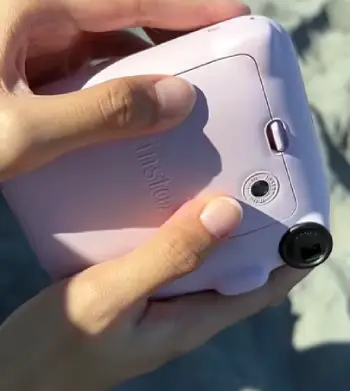
If you’re someone who likes tweaking settings, this might frustrate you. There’s no manual mode for exposure or focus—everything’s automatic.
I tried shooting in tricky lighting, like a candlelit dinner, and the flash overpowered the scene, creating harsh shadows.
You can’t turn it off, so low-light artistry is out. It’s great for casual use, but if you want creative freedom, you’ll feel restricted.
- Film Costs Add Up Quickly
The prints are addictive, but so is the expense. Each shot costs money, and if you’re trigger-happy like me, a pack vanishes fast.
I went through 20 sheets in one afternoon at a picnic, and replacing them isn’t cheap. Plus, expired film can lead to dud prints, so you have to be mindful of storage.
It’s not a deal-breaker, but it makes you think twice before pressing the shutter.
- Fixed Focus Challenges
The lens is fixed from 0.3 meters to infinity, but in practice, anything closer than 0.5 meters risks blur. Even with close-up mode, I’ve had inconsistent results if my hand shakes.
Outdoors in wind, keeping steady is tough. You learn to adapt, but it’s not as forgiving as a smartphone camera.
- Basic Build Quality
It’s plastic, so it feels a bit toy-like. I’ve dropped mine once, and it survived, but I worry about longevity with heavy use.
The viewfinder is small and not always accurate for framing, leading to cropped edges in photos. For the price, it’s fine, but don’t expect premium durability.
These issues haven’t stopped me from loving it, but they’re worth considering if your needs lean toward advanced features.
Maintenance Tips For Your Fujifilm Instax Mini 12
Keeping your camera in top shape ensures those prints stay crisp. I’ve learned a few tricks through trial and error to extend its life.
- Cleaning the Lens and Viewfinder
Dust and fingerprints are your enemies.
I wipe the lens gently with a microfiber cloth every week—never use harsh chemicals or paper towels, as they scratch.
For the viewfinder, a quick blow of air removes specks. If you’re at the beach, sand can sneak in, so I rinse my hands before handling. This simple routine has kept my shots clear.
- Proper Film Handling and Storage
Film is sensitive, so treat it right.
I store packs in a cool, dry place away from sunlight—my fridge works, but not the freezer, as moisture ruins it.
When loading, do it in dim light to avoid exposure. After ejecting a print, shield it from bright light for the first minute.
I’ve had fades from leaving them in the sun, so now I tuck them in my pocket immediately.
- Battery Management
Use fresh alkaline AAs, not rechargeables, as they provide consistent power. I change them when the orange light flashes, preventing weak flashes that cause underexposed photos. If the camera sits unused, remove batteries to avoid leaks. This has saved me from corrosion issues.
- Avoiding Common Mishaps
Don’t force the lens if it’s stuck—gently twist while holding the body. If prints jam, turn off and reload carefully. I clean the rollers inside the film door with a soft brush monthly to prevent streaks. In humid areas, let the camera acclimate before use to avoid condensation.
- Long-Term Care
For storage, keep it in its case to protect from dust. I check for wear on the strap and buttons periodically. If you travel, pack it securely to prevent knocks. Following these has kept mine running smoothly for months.
Comparing Fujifilm Instax Mini 12 With Other Brands
I’ve pitted the Instax Mini 12 against competitors to see how it stacks up. Let’s look at each one.
- Fujifilm Instax Mini 12 Versus Polaroid
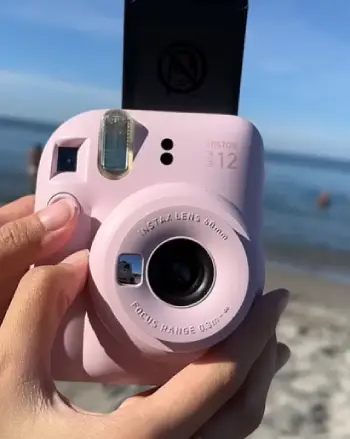
Switching to the Polaroid Now, I notice it’s bulkier, but that autofocus lens delivers sharper results in varied distances. However, the square format prints are pricier per shot than Instax film.
I found the Now’s battery lasts longer on a charge, unlike my Mini 12’s replaceable AAs. But the Mini 12 wins on simplicity—no app needed, just pure analog fun.
If you prefer iconic square photos with a retro vibe, the Now edges out, but for quick, colorful minis, I stick with Fujifilm.
- Fujifilm Instax Mini 12 Versus Kodak Printomatic
The Kodak Printomatic uses Zink paper, which means no ink cartridges, and it’s pocket-sized like the Mini 12. I tried it for digital-to-print convenience, as it saves images to a microSD.
But the colors? Muted compared to Instax’s vibrancy. Blurry shots happen more often due to its basic focus.
Maintenance is easier with no film sensitivity, but prints smudge if not handled carefully. Overall, if you want hybrid features, Kodak appeals, yet the Mini 12’s instant charm feels more authentic to me.
- Fujifilm Instax Mini 12 Versus Canon Ivy Cliq
Canon’s Ivy Cliq combines instant printing with a digital sensor, letting you reprint favorites.
I appreciated the selfie mirror and flash, similar to the Mini 12, but the Zink tech again lacks the punch of film.
It’s rechargeable via USB, a plus over batteries. However, the app integration for editing adds steps I skip with the straightforward Instax.
For tech-savvy users, Ivy’s versatility shines, but if pure simplicity is your goal, the Mini 12 remains my pick.
- Fujifilm Instax Mini 12 Versus Lomography Lomo’Instant
The Lomo’Instant offers creative modes like multiple exposures, which the Mini 12 lacks. I experimented with its color gels for fun effects, but it requires more setup.
Film compatibility is the same as Instax, so costs align. It’s bulkier, though, and the manual focus demands practice.
If artistic experimentation excites you, Lomo wins, but for everyday ease, I prefer the Mini 12’s no-fuss approach.
In these matchups, the Instax Mini 12 holds its own for casual users like us, balancing fun and functionality without overwhelming complexity.
Also Read: is Cobra RAD 700i Worth It?
Frequently Asked Questions (FAQ)
The Mini 12 is better with improved close-up mode and parallax correction for sharper macros.
Yes, for fun, instant prints that capture moments affordably and easily.
Good for instant film, with vibrant colors and decent detail in credit-card-sized prints.
Likely due to being too close (under 0.5m), shaky hands, or dirty lens—clean it and steady your shot.
Wrapping Up
After months of carrying it everywhere, I can honestly say the Instax Mini 12 brings back the pure joy of photography.
Simple, colorful, and full of heart—it’s the perfect little companion for real moments. If you want instant smiles, tangible memories, and zero hassle, this is the one. Go get yours now.
You’ll thank me when that first print slides out and everyone crowds around to watch it develop. Trust me—it’s worth every click.
Recent Posts
I spent months comparing budget options against established names after my last set of tires wore out sooner than expected.My goal here is to share what I learned from putting Dextero and...
AquaTru Carafe Vs. Classic: Which Is Actually Fits Your Kitchen?
I decided to write this comparison after months of testing both the AquaTru Carafe and the Classic in my own kitchen. Tracking covered daily use.Taste stayed consistent. Refill frequency...