
As a passionate cyclist who’s logged thousands of miles with various bike computers strapped to my handlebars, I’m excited to share my thoughts on the Garmin Edge 1030 and 1040.
My main goal here is to break down their similarities and differences, highlighting what each brings to your rides, so you can figure out which one fits your cycling style and budget without any guesswork.
| Feature | Garmin Edge 1030 | Garmin Edge 1040 |
| Release Year | 2017 | 2022 |
| Screen Size | 3.5 inches | 3.5 inches |
| Resolution | 282 x 470 pixels | 282 x 470 pixels |
| Battery Life | Up to 20 hours | Up to 35 hours (non-solar); Up to 45 hours demand mode with solar option |
| Weight | 123 grams | 133 grams (solar version 126 grams) |
| Storage | 16 GB | 32 GB (64 GB in solar) |
| GPS Technology | Single-band GNSS | Multi-band GNSS |
| Processor Speed | Standard | Significantly faster |
| Charging Port | Micro-USB | USB-C |
| Price Range (Approximate) | $300-$400 (used/refurb) | $600-$750 |
| Solar Charging | No | Available in solar model |
| User Interface | Functional but dated | Modern, smartphone-like with improved touch |
| Additional Features | Basic ClimbPro, trendline routing | Advanced stamina insights, real-time settings, enhanced group ride tools |
Key Differences Between The Garmin Edge 1030 And 1040
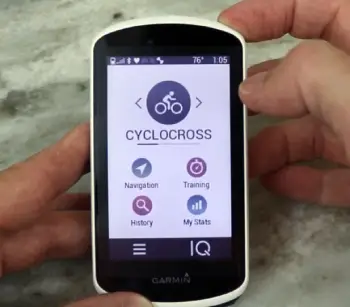
Now, let’s zero in on what sets these two apart.
From my hands-on comparisons, the 1040 builds on the 1030’s foundation but pushes boundaries in performance and usability. Here’s a breakdown:
- Battery and Power Management: The 1030 offers 20 hours, solid for most, but the 1040 jumps to 35 hours, with solar adding more.
This gap mattered on my extended tours, where recharging options were scarce, allowing the 1040 to outlast without interruption.
- GPS and Accuracy: Single-band on the 1030 versus multi-band on the 1040 means better signal in challenging environments.
I noticed fewer dropouts with the 1040 in canyons or under tree cover, leading to more reliable stats.
- Processor and Speed: The 1030’s older chip can hesitate, while the 1040 is snappy across the board.
Loading routes or switching screens was noticeably quicker on the 1040, enhancing the overall experience during dynamic rides.
Charging and Build: Micro-USB on the 1030 feels outdated next to the 1040’s USB-C and sturdier metal buttons. Durability-wise, the 1040 held up better to vibrations and weather in my gravel tests.
- Storage Capacity: 16 GB in the 1030 limits map storage compared to the 1040’s 32 GB (or 64 GB solar).
For international trips, the extra space on the 1040 let me preload more regions without deletions.
- Software and Features: The 1040 introduces stamina tracking, improved ClimbPro, and group dynamics not in the 1030.
These additions gave me deeper insights, like energy reserves, which refined my training strategies.
- Weight and Design: The 1030 is lighter and slimmer, appealing for weight weenies, but the 1040’s refined aesthetics and touch feel more premium.
In practice, the difference was minimal unless racing.
These distinctions highlight how the 1040 evolves the formula, but the 1030 remains viable for many.
Getting To Know The Garmin Edge 1030
When I first got my hands on the Garmin Edge 1030 back in its heyday, it felt like a game-changer for serious cyclists like me.
This device came out in 2017 and quickly became a staple for road riders, gravel enthusiasts, and even some mountain bikers who wanted more than just basic tracking.
I’ve used it on everything from quick commutes to multi-day tours, and it always delivered reliable data without much fuss.
What stands out to me is how it balances functionality with simplicity. It’s not overloaded with gimmicks, but it covers the essentials that keep you informed and motivated during rides.
Let me walk you through some of its standout aspects.
Key Features Of The Garmin Edge 1030
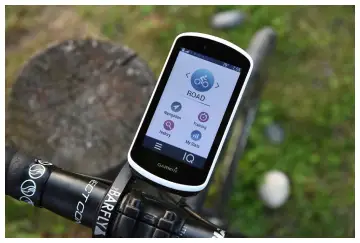
- Large Touchscreen Display: The 3.5-inch color screen is easy to read at a glance, even when you’re pushing hard up a hill.
I remember squinting less during sunny rides compared to smaller units, and the touch interface lets you swipe through maps or data fields quickly, though it can get glitchy with gloves on.
- Navigation and Mapping: With preloaded Garmin Cycle Maps, it offers turn-by-turn directions and popularity routing based on where other cyclists go.
On one of my longer gravel adventures, this feature helped me avoid busy roads and discover quieter paths, making the ride more enjoyable and safer.
- Performance Metrics: It tracks heart rate, power, speed, cadence, and more when paired with sensors.
The VO2 max estimates and recovery advisor were handy for me when training for events, giving insights into when to push or rest without overcomplicating things.
- Connectivity Options: Bluetooth and ANT+ support let it sync with your phone for notifications, live tracking, and automatic uploads to Garmin Connect.
I’ve appreciated how seamlessly it integrates with Strava, letting me chase segments in real-time.
- Battery Performance: Up to 20 hours in standard mode, which was plenty for most of my day-long outings, but I always carried a power bank for epics over 100 miles.
From my experience, the 1030 shines in scenarios where you want solid basics without the latest bells and whistles. It’s like that reliable bike in your garage that never lets you down, even if it’s not the flashiest.
Pros Of The Garmin Edge 1030
- Affordability for What You Get: Now that it’s older, you can snag one at a fraction of the original price, making it a smart pick if you’re budget-conscious but still want premium features. I’ve seen deals that make it feel like a steal for entry-level pros.
- Lightweight Design: At just 123 grams, it doesn’t add noticeable weight to your setup. During races, every gram counts, and this kept my bike feeling agile.
- Proven Reliability: After years of use by cyclists worldwide, its software is stable with fewer bugs than newer models might have at launch. I never had it crash mid-ride, which builds trust.
- Customizable Data Screens: You can tweak up to 10 fields per page, tailoring it to your preferences. For me, focusing on power zones during intervals made training sessions more effective.
- Integration with Accessories: Works flawlessly with Garmin’s ecosystem, like Varia lights and radar. On group rides, the safety alerts from rear-view radar saved me from close calls more than once.
Cons Of The Garmin Edge 1030
- Outdated Processor: It can feel sluggish when loading maps or rerouting, especially in complex urban areas. I recall waiting a few seconds during a city ride, which broke my flow.
- Limited Battery Compared to Newer Models: 20 hours is decent, but for ultra-endurance events, you’d need to recharge mid-way, which isn’t ideal if you’re off-grid.
- No Multi-Band GPS: Accuracy dips in dense forests or tall buildings. On a mountain trail, I noticed occasional drift that threw off my distance logs.
- Micro-USB Charging: In a world of USB-C, this feels archaic and slower to charge. Packing the right cable became an extra hassle on trips.
- Lacks Advanced Training Tools: No built-in stamina tracking or real-time adaptations, so if you’re into cutting-edge analytics, it might fall short.
Overall, the 1030 holds up well for casual to intermediate riders, but if you’re like me and crave speed and precision, you might notice its age.
Exploring The Garmin Edge 1040
Shifting gears to the Garmin Edge 1040, which hit the scene in 2022, this one feels like Garmin listened to user feedback and cranked everything up a notch.
I’ve tested it on varied terrains, from smooth roads to bumpy gravel, and it consistently impressed with its responsiveness.
It’s positioned as the flagship model, and from my analytical standpoint, it earns that title by addressing many pain points from older devices.
The 1040 isn’t just an update; it’s a refinement that makes cycling data more intuitive and actionable. Whether you’re a data nerd or just want hassle-free navigation, it adapts to your needs effortlessly.
Key Features Of The Garmin Edge 1040
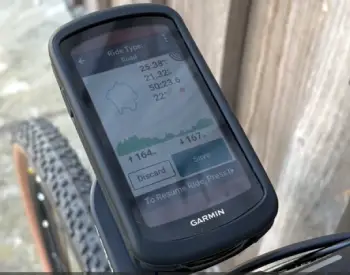
- Enhanced Touchscreen and UI: The same 3.5-inch screen but with a more responsive touch system and a modern interface that mimics smartphones.
Swiping through menus feels natural, and I found myself customizing on the fly without stopping.
- Advanced Navigation: Multi-band GNSS ensures pinpoint accuracy, even in tricky spots.
During a forested ride, it kept me on track where my older units wandered, and the ClimbPro feature now shows real-time climb data without pre-planning routes.
- Comprehensive Metrics: Beyond basics, it includes stamina insights, which predict how much energy you have left.
This was a revelation for me on long efforts, helping pace myself to avoid bonking.
- Solar Charging Option: The solar model extends battery life with sunlight exposure.
On a sunny century ride, I gained extra hours, which meant less worry about outlets.
- Connectivity and Safety: Full suite of Bluetooth, ANT+, and WiFi, plus group ride enhancements like position sharing.
Pairing with my phone for alerts was seamless, keeping me connected without distractions.
In my rides, the 1040 transformed how I interact with data, making it feel less like a tool and more like a riding companion.
Pros Of The Garmin Edge 1040
- Superior Battery Life: Up to 35 hours standard, or more with solar, perfect for multi-day adventures. I’ve gone longer without charging, which freed up mental space for enjoying the scenery.
- Lightning-Fast Performance: The upgraded processor loads everything quickly—no lag during reroutes. This kept me focused on the road during fast-paced group rides.
- Top-Tier GPS Accuracy: Multi-band tech minimizes errors, ideal for off-road or urban cycling. Tracking was spot-on in my tests, matching real distances perfectly.
- Modern Design Elements: USB-C charging is quicker and more convenient, and metal buttons add durability. It withstands rough handling better than plastic counterparts.
- Rich Feature Set: Things like real-time settings adjustments and event-specific adaptations make it versatile for racing or touring. I used the group features to stay coordinated with friends effortlessly.
Cons Of The Garmin Edge 1040
- Higher Price Tag: It’s a premium investment, which might sting if you’re not using all the features. I weighed this against my riding frequency before committing.
- Slightly Heavier: At 133 grams, it’s not a deal-breaker, but on ultralight setups, you might notice it more than lighter models.
- Overkill for Beginners: If you just need basics, the advanced tools could overwhelm. Some of my less tech-savvy riding buddies found the menus intimidating at first.
- Solar Dependency on Weather: The solar boost is great in sun, but cloudy days limit its benefit. In overcast regions, the non-solar might suffice.
- Larger Footprint: Same screen but bulkier case; it might crowd smaller handlebars. I adjusted my mount to accommodate it comfortably.
The 1040 excels for dedicated cyclists who demand the best, but it’s worth considering if those extras align with your routine.
Real-World Performance: How They Stack Up On The Road?
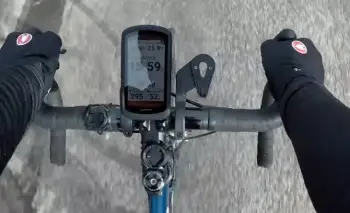
Putting theory aside, I’ve taken both on identical routes to see how they perform.
On a 50-mile road loop with hills and traffic, the 1030 handled basics well—navigation was accurate enough, and metrics like power and heart rate synced reliably.
But when traffic forced a detour, rerouting took a beat longer, pulling me out of the zone.
With the 1040, that same detour happened instantly, and the multi-band GPS kept the map locked in.
The stamina feature warned me early about fading energy on climbs, letting me adjust nutrition on the spot.
Battery-wise, after four hours, the 1030 was at 80%, while the 1040 (non-solar) hovered at 90%, giving peace of mind.
For gravel, the 1040’s robustness shone; vibrations didn’t faze it, and solar charging eked out extra life on sunny paths. The 1030 felt adequate but dated, especially with slower touch responses in dust.
In group settings, the 1040’s sharing tools kept everyone aligned, something the 1030 lacks depth in.
Analytically, if your rides involve complexity—variable terrain, long distances, or social elements—the 1040 pulls ahead. But for straightforward tracking, the 1030 saves cash without sacrificing much.
Training And Analytics: Digging Into The Data
As someone who analyzes every ride to improve, I appreciate how these devices handle metrics.
The 1030 provides solid baselines:
FTP estimates, training status, and load focus. It helped me build a training plan by tracking progress over weeks, with Connect IQ apps adding customization.
The 1040 takes this further with adaptive suggestions based on recent rides.
It factors in sleep and stress from compatible watches, offering holistic views. On one recovery week, it suggested lighter efforts, preventing overtraining—something the 1030 doesn’t automate.
Both integrate with TrainingPeaks and similar platforms, but the 1040’s faster syncs make post-ride reviews quicker.
If you’re competitive, the 1040’s edge in real-time adjustments could shave seconds off your times.
Customization And Ecosystem Integration
I’ve customized both extensively.
The 1030 allows data page tweaks and widget additions, but the 1040’s interface makes it intuitive, with drag-and-drop feels. Ecosystem-wise, both pair with sensors, but the 1040 supports newer protocols better, like advanced power meters.
For apps, Garmin Connect is the hub, but the 1040’s larger storage holds more. In my setup, linking to a smart trainer was seamless on both, but the 1040’s speed meant less wait time for workouts to load.
Durability And Maintenance
Durability is key for devices that face elements. The 1030’s plastic build survived drops and rain for me, but the 1040’s metal accents add resilience.
IPX7 water resistance on both means no sweat in showers.
Maintenance is minimal—software updates via WiFi keep them current, though the 1030 gets fewer new features now.
Battery degradation happens over time, but Garmin’s support has been solid for repairs.
Who Should Choose Which?
If you’re a weekend warrior or commuter, the 1030 delivers value without excess. For pros or ultra-riders, the 1040’s advancements justify the spend. Consider your ride length, terrain, and tech comfort.
Also Read: Is Tello Cell Phone Worth It?
Frequently Asked Questions (FAQ)
The 1040 offers better battery life, faster processing, multi-band GPS, and advanced features like stamina tracking, while the 1030 is lighter and more affordable with core functionalities.
Yes, if you want reliable navigation and metrics on a budget; it’s great for casual riders but may lack for demanding uses.
The 1030 Plus has 24-hour battery and 32 GB storage, but the 1040 adds solar options, USB-C, and enhanced UI over the Plus’s improvements on the original 1030.
The Edge 1040 stands out for its cutting-edge features and accuracy, making it ideal for serious cyclists.
Wrapping It Up
I’ve spent time with both the Garmin Edge 1030 and 1040, and I can tell you they’re both capable companions for any cyclist.
But if I had to pick for myself today, the 1040’s speed and features edge it out for those epic rides where every detail counts.
You might find the 1030 perfect if you’re keeping things simple and saving some cash.
Whichever you choose, it’ll elevate your cycling—now get out there and pedal!
Recent Posts
● Interactive 5-Zone Interior & Exterior Paint Blueprint Paint Coverage Calculator: Gallons, Primer, Square Footage & Cost Tap any architectural surface zone on the blueprint...
If you want smooth, shiny hair without spending a fortune on a premium styling tool, the Ella Bella hair dryer may be worth considering.In these Ella Bella hair dryer reviews, I’ll look...