
I have spent years testing sports drinks during long runs, gym sessions, and even recovery days after illness.
The choice between Gatorade Zero and regular Gatorade keeps coming up for me and everyone I train with.
My main intent here is to break down the real differences so you can pick the right bottle based on your workout length, calorie goals, and how your body handles sugar versus artificial sweeteners.
| Feature | Regular Gatorade (20 oz) | Gatorade Zero (20 oz) |
| Calories | 140 | 0–10 |
| Total Sugar | 34–36 g | 0 g |
| Carbohydrates | 36 g | <1–2 g |
| Sodium | 270 mg | 270 mg |
| Potassium | 75–80 mg | 75–80 mg |
| Primary Sweeteners | Sucrose, dextrose | Sucralose, acesulfame potassium |
| Best For | Long, intense workouts | Short sessions, calorie control |
| Keto-Friendly | No | Yes |
My First Experience With Both Products
I first tried regular Gatorade during a summer half-marathon training run. Heat hit hard after mile eight.
I grabbed a lemon-lime bottle from a cooler. The sweetness arrived fast. Sugar hit my system within minutes. Legs felt lighter.
Cramps stayed away. Fluid replaced the heavy sweat loss. Energy held steady to the finish. That bottle proved useful for long efforts.
Weeks later I tested Gatorade Zero on a short gym session. I wanted electrolytes without extra calories. The glacier freeze flavor tasted close to the original.
Sweetness came from artificial sources. No sugar rush followed. No energy boost appeared either. Hydration still worked.
Mouth stayed wet. Muscles recovered fine after forty minutes. The lighter feel suited shorter work.
Both drinks delivered sodium and potassium as expected. Regular Gatorade fueled longer sessions.
Zero kept calories out on easy days. My body responded differently to each. Taste preferences stayed personal. Results depended on workout length.
Key Differences Between The Gatorade Zero And Regular
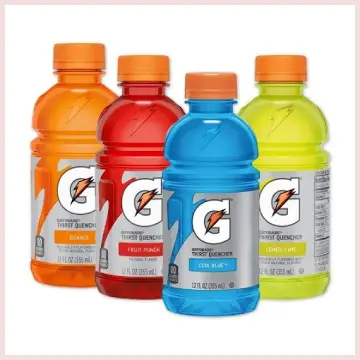
- Calories and energy delivery: Regular Gatorade packs about 140 calories in a standard 20-ounce bottle.
It uses real sugar as fuel. That sugar turns into quick energy. Muscles use it during a second hour on the trail.
High-intensity interval sessions also benefit. Gatorade Zero strips almost all of those calories away.
It leaves a drink that hydrates without adding meaningful energy. I notice the difference most on easy recovery days. Extra fuel is not needed then.
- Sugar content and blood sugar impact: The original formula delivers 34 to 36 grams of sugar per bottle.
That amount can spike blood glucose. Levels may drop later if the energy is not burned off. Zero removes the sugar completely.
It relies on artificial sweeteners instead. Anyone watching daily sugar intake gains from this change.
Blood sugar management becomes simpler too. This single change stands as the biggest practical difference I have felt.
- Electrolyte balance remains nearly identical: Both drinks supply roughly 270 mg of sodium.
Potassium sits at 75 to 80 mg in a 20-ounce serving. The electrolytes replace what is lost in sweat. I have measured my own sweat rate on long summer runs.
Both versions keep the heavy-legged feeling away. Crampy sensations stay reduced when fluid volume matches.
- Sweetener type and aftertaste: Regular Gatorade tastes like classic sports drink sweetness. It uses sucrose and dextrose.
Zero uses sucralose and acesulfame potassium. Some people notice a slight metallic note with Zero.
A lingering sweet taste appears for others. My own palate prefers the original on hot days. The familiar sugar-driven mouthfeel works better then.
- Carbohydrate contribution to absorption: The sugar in regular Gatorade helps the gut pull in sodium.
Water absorption improves during prolonged exercise. Zero still works for hydration. The absence of carbs means absorption can be slightly slower in extreme conditions.
I only notice this after two-plus hours of hard effort in heat.
Key Features Of Regular Gatorade
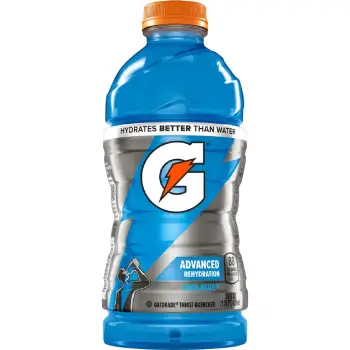
- Rapid carbohydrate fuel: The 36 grams of carbs arrive as simple sugars. Muscles use them almost immediately.
This feature turns the drink into both a hydrator and an energy source. I reach for it on race days. Long training blocks also call for it.
- Classic electrolyte blend: Sodium and potassium levels match research findings. Fluid retention improves.
Muscle function stays supported during heavy sweating. The formula has stayed consistent for years. I know exactly what I am getting each time.
- Wide flavor range and availability: From lemon-lime to fruit punch the original lineup sits on nearly every store shelf. Coolers carry it too.
That convenience matters when a workout ends. Something fast is needed right away.
- Proven track record in endurance sports: Athletes have used the original formula for decades.
The combination of fluid, electrolytes, and sugar has been tested under real competition conditions. Confidence stays high when stakes rise.
Pros Of Regular Gatorade
- Delivers usable energy during long efforts: Sessions past the 60-minute mark turn the sugar into functional fuel. Empty calories no longer apply. Pace stays steadier. The late-session fade hits less often. Water alone or Zero alone cannot match this.
- Supports faster fluid absorption in some situations: Carbohydrates improve sodium uptake. Water moves into the system more efficiently. Very hot long days show clearer results. The body feels more topped up with the original formula.
- Familiar satisfying taste for many users: The classic sweetness hits the spot after hard training. That positive sensory experience encourages continued drinking. Hydration goals become easier to meet.
- Widely studied and trusted by coaches: Coaches still recommend the original. Sports dietitians do the same when athletes need both hydration and carbs. Institutional confidence reduces second-guessing.
- Effective recovery aid after intense sessions: Fluid, electrolytes, and simple sugars start the recovery process. The body still feels wiped out at that moment. One bottle right after finishing helps.
Cons Of Regular Gatorade
- High sugar load for short or casual use: Thirty-plus grams of sugar becomes excess under one hour. Desk time turns it into surplus as well. Those calories add up quickly. Everyday flavored water use creates problems.
- Potential blood sugar swings: Rapid sugar delivery can cause a spike. A drop may follow if the energy stays unused. Mid-afternoon crashes have appeared after casual bottles.
- Extra calories that can hinder weight goals: One hundred forty calories per bottle is not huge. Three bottles a week on light days equal an extra meal. Energy that was not needed accumulates.
- Artificial colors in many flavors: Yellow 5 appears in several varieties. Red 40 shows up too. Some people prefer to limit these additives. Clearer options get chosen when available.
- Not ideal for low-carb or keto diets: The carbohydrate content removes it from tightly controlled plans. Daily carb limits get broken easily.
Key Features Of Gatorade Zero

- Zero-sugar hydration: The complete removal of sugar lets me drink it during short workouts.
Hot days also work without adding calories. This feature makes Zero useful for weight management. Lower-intensity days benefit as well.
- Same core electrolytes as the original: Sodium and potassium numbers sit right next to regular Gatorade.
Muscle-supporting minerals remain available. The energy load stays absent.
- Artificial sweetener profile for taste without energy: Sucralose and acesulfame potassium deliver sweetness. The result stays close to the original flavor.
Most of the time the taste feels seamless. The switch creates little disruption.
- Suitability for low-carb and keto approaches: Carbs sit under two grams per bottle. Zero fits cleanly into eating plans that keep carbohydrate intake low.
- I have used it during cutting phases. Numbers stay on track.
Pros Of Gatorade Zero
- Zero calories and zero sugar: This advantage stands out on recovery days. Short gym sessions benefit. Hot weather needs only electrolytes. Calories stay out of the picture. Free drinking becomes possible.
- Supports calorie control and weight management: Removing the sugar eases deficit work. Sweat losses still get replaced. Cutting phases rely on Zero far more than the original.
- Matches electrolyte levels of the classic formula: Sodium and potassium prevent cramps. Fluid balance stays maintained. The functional hydration side remains intact.
- Works for people watching blood sugar: The sugar load disappears. Rapid glucose rises stay avoided. Everyday use becomes safer for many.
- Fits low-carb keto and similar eating styles: Near-zero carbohydrate count keeps compliance high. A flavored electrolyte source stays available.
Cons Of Gatorade Zero
- Lacks usable energy for prolonged hard efforts: After 75 to 90 minutes of intense work the missing carbs show. Legs feel heavier. Focus slips unless a separate fuel source is added.
- Artificial sweeteners may not suit everyone: Sucralose creates the taste. Acesulfame potassium does the same. Some people report an aftertaste. Digestive sensitivity appears for others. Certain flavors leave a mild note after several bottles.
- Slightly less efficient fluid absorption without carbs: Extreme heat and long duration slow uptake. Electrolytes move more slowly. This appears only on the longest hottest sessions.
- Still contains artificial colors in many versions: Many Zero flavors use dyes. Avoiding those narrows the choice. The original faces the same issue.
- Not a complete replacement for fuel during endurance events: Zero hydrates well. The carbohydrate role stays unfilled. Separate gels or chews become necessary for long races.
When I Reach For Regular Gatorade?
Race mornings call for the original. Training blocks past an hour of hard effort do the same. The sugar becomes a tool. Liability status ends.
Tough sessions also end with this choice. Rehydration happens. A quick energy top-up arrives before the next meal.
Familiar taste helps finish the bottle. Nausea from effort gets managed.
When I Reach For Gatorade Zero?
Short gym sessions point toward Zero. Easy runs under 45 minutes do too. Hot days with mostly sedentary time fit.
Calorie tracking periods also favor it. Illness recovery uses it for electrolytes. Sugar load stays low. A sensitive stomach faces less risk.
Freedom from calories allows all-day sipping. Mental math stays absent.
Taste And Real-World Drinking Experience
Both versions offer overlapping flavors. Mouthfeel still differs. Regular Gatorade has a fuller quality. Syrupy notes match the sugar content.
Zero feels lighter. The finish stays cleaner for many. An artificial sweetener note appears more clearly on some flavors.
Lemon-lime rotates often. Glacier freeze does the same in both lines. Zero versions stay closer in taste than expected at launch.
Health Considerations From An Everyday User Perspective

Neither drink counts as a health food. Both solve specific hydration problems. Fuel issues arise during physical stress.
Moderate exercise keeps water as the baseline. Either Gatorade product becomes useful only when sweat losses climb.
Sugar in the original can raise calorie intake. Overuse creates that risk. Artificial sweeteners in Zero are generally recognized as safe. Some individuals still prefer limits. Sodium content stays moderate for a sports drink.
High-salt diets or blood pressure concerns raise caution. Both get treated as tools. Daily staples they are not.
Heavy training weeks favor the original. Lighter weeks or weight-focused periods switch to Zero. Body feedback after each choice proves most useful. Marketing claims rank lower.
Also Read: Is Leilo Kava Drink Worth It?
Frequently Asked Questions (FAQ)
It depends on the situation. Zero is better when electrolytes are needed without calories or sugar. Regular is better when quick energy is also required during long hard exercise.
Neither is inherently the healthiest. Zero avoids added sugar. That makes it preferable for most casual use. Regular serves a clearer purpose for endurance athletes who need the carbs.
Zero can be preferable for electrolytes without the sugar load. A sensitive stomach sometimes reacts to sugar. Regular may rehydrate slightly more efficiently because of the sugar. Both can help replace lost fluids and minerals.
Healthy kidneys handle occasional use well. People with kidney disease should check with a doctor. A history of stones also calls for medical advice. Sodium content is the main reason.
Wrapping Up
I started this comparison because second-guessing kept happening. The answer turned out simpler than marketing suggests.
Both drinks deliver nearly identical electrolytes. The real split is sugar need versus calorie skip. Short sessions or tight intake control favor Gatorade Zero.
Hydration continues without extras. Long hard efforts favor regular Gatorade. Muscles receive burnable fuel.
Sweat losses get replaced at the same time. You now hold a clear side-by-side picture. Match the bottle to the day.
Guesswork ends. Actual needs guide the choice. More value comes from every sip.
Recent Posts
WeatherTech car mats are popular for their custom fit and all-weather protection, but I wouldn't automatically recommend them to every driver.Their premium price, mixed customer feedback, and...
Clean & Clear Acne Spot Treatment Review: Does It Really Work?
When a stubborn pimple appears right before an important day, I want a treatment that is simple, affordable, and easy to use.That is why Clean & Clear Acne Spot Treatment deserves a closer...