
I set out to settle the GE Cync versus Philips Hue debate after living with both systems in my own home for months.
My goal is simple. Help you decide which smart lighting setup delivers the right mix of performance. Value. Daily reliability.
Without the usual marketing fluff. This side-by-side breakdown covers real-world use. So you can pick the one that actually fits your rooms. Budget. Habits.
| Feature | GE Cync | Philips Hue |
| Starting price per color bulb | $12–$20 | $25–$50 (Essentials lower) |
| Hub required | No (Wi-Fi/Bluetooth) | Bridge for full features |
| Connectivity | Wi-Fi + Bluetooth | Zigbee + Bluetooth + Matter/Thread |
| Voice assistants | Alexa, Google | Alexa, Google, Apple HomeKit |
| Color range | 16 million + 2000–7000K | 16 million + precise 2000–6500K |
| Ecosystem size | Bulbs, strips, switches, plugs | Extensive: outdoor, sensors, sync, lamps |
| Reliability | Good, Wi-Fi dependent | Excellent mesh network |
| Best for | Budget whole-home | Premium expandable systems |
My First Experience With Both Product
Key I first tried GE Cync bulbs in my guest bedroom. Setup took under five minutes. I screwed them in. Opened the app.
Connected over Wi-Fi. The lights turned blue on the first try. Color changes felt quick. Schedules worked the same night.
Music effects reacted when I played a song loud enough. One bulb dropped offline after two days. A power cycle fixed it. The price made the small hiccup easy to ignore.
Philips Hue came next in the living room. I bought a starter kit with the Bridge. Setup needed the Ethernet cable.
That part felt slower. Once online the difference showed. Colors looked richer. Transitions stayed smooth.
Voice commands with Alexa responded without lag. Morning routines ramped light gradually. No dropouts in the first week. The extra cost showed in the polish.
Both systems gave me usable smart lights right away. Cync won on speed and low spend. Hue won on consistency and feel.
I kept Cync in secondary rooms. Hue stayed in the main living space. That split still works for me today.
Differences Between GE Cync And Philips Hue
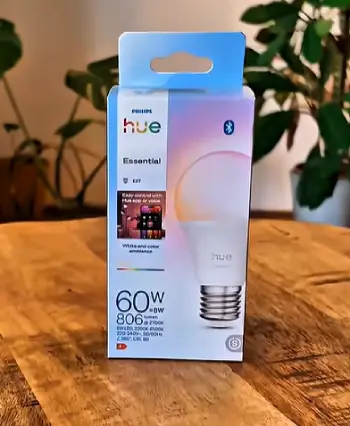
- Price and entry cost: GE Cync keeps the barrier low. A four-pack of full-color bulbs often costs less than two premium Hue bulbs.
You skip the bridge entirely. Your first room stays under fifty dollars. Hue demands more upfront.
Especially if you want the Bridge for multi-room control. Remote access. The newer Essentials line narrows the gap.
Over time the cost difference compounds if you light an entire house.
- Connectivity and network approach: Cync relies on your existing 2.4 GHz Wi-Fi. Or Bluetooth. Setup is fast.
Screw in. Open the app. Connect. Hue’s Zigbee mesh creates its own dedicated network once you add the Bridge.
That mesh stays responsive even when your Wi-Fi is crowded. Or drops. Bluetooth on both lets you start without a hub. Hue unlocks far more once the Bridge joins the picture.
- Color quality and light consistency: Hue still leads on color accuracy. Smooth transitions. Reds stay true.
Whites shift cleanly from warm candlelight to daylight. Neighboring bulbs match without noticeable drift.
Cync covers the same 16 million colors. A wider white range up to 7000K. The hues can feel slightly less saturated.
The whites less refined in side-by-side tests. For most living rooms the difference is small. For critical mood lighting.
Entertainment sync. It becomes obvious.
- Ecosystem breadth and future expansion: Hue offers outdoor path lights. Gradient strips. Play bars. Motion sensors. Dimmer switches.
The Sync Box for TV. Music immersion. Cync covers the essentials. Bulbs. Strips. Smart switches. Plugs. A few cameras.
The accessory list is shorter. If you plan to grow beyond basic rooms. Hue scales more gracefully.
- App experience and daily control: The Cync app feels clean. Direct. Scenes. Schedules. Dynamic effects sit front and center.
Hue’s app is deeper. With more refined recipes. Geofencing. Third-party integrations. Both respond quickly once set up.
Hue edges ahead when you manage dozens of devices across floors.
Key Features Of GE Cync
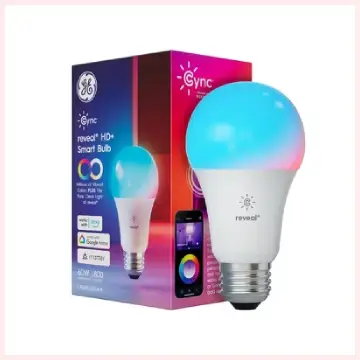
- Hub-free Direct Connect technology: Most Cync bulbs talk straight to your phone. Or router. No extra box on the shelf.
Means fewer cables. One less device that can fail. Out-of-home control works over Wi-Fi once the bulbs join the network.
- Dynamic Effects and music reaction: Select models pulse. Wave. Or shift colors to the beat. The effect is party-friendly.
Fun for casual listening. Volume needs to be reasonably loud for strong response. The library of effects is smaller than dedicated entertainment systems.
- Wide tunable white range: From 2000K warm amber to 7000K cool daylight. Cync gives you more white options than many competitors.
Sleep-wake cycles. Circadian-friendly schedules are easy to set.
- Simple voice and routine control: Alexa. Google Assistant handle on/off. Dimming. Color changes reliably. Schedules.
Rooms group quickly in the app. Some newer models add Matter support for broader compatibility.
- Local retail availability: You can walk into a big-box store. Grab a pack. Return it the same day if something fails.
That convenience matters for renters. Anyone who dislikes shipping returns.
Pros Of GE Cync
- Budget-friendly expansion: You can outfit multiple rooms without sticker shock. Multi-packs. Frequent sales make whole-home coverage realistic for most households.
- Zero-hub simplicity: Setup takes minutes. No Ethernet cable to the router. No extra power adapter. Renters especially appreciate the low commitment.
- Solid everyday performance: Brightness hits around 800 lumens. Colors are usable. Basic schedules just work. The app stays uncluttered for users who want lights on. Not a science project.
- Growing product mix: Switches. Dimmers. Plugs. Strips round out the line. So you are not locked into bulbs alone.
- Easy voice pairing: Alexa discovery is straightforward on Direct Connect models. Google Home integration feels natural if that is already your hub.
Cons Of GE Cync
- Wi-Fi dependence: Crowded networks. Router hiccups can cause delayed responses. Temporary drop-offs. More bulbs increase the chance of congestion.
- Limited HomeKit depth: Many popular Dynamic Effects bulbs skip full Apple support. Matter appears on select models. Is not universal.
- Color and consistency gaps: Saturation. Matching between bulbs fall short of Hue in direct comparison. Long-term color drift can appear.
- Smaller accessory ecosystem: Outdoor options. Advanced sensors lag behind. Entertainment features stay basic compared with dedicated sync hardware.
- Shorter warranty and support history: Typically one to two years versus Hue’s longer coverage. More mature firmware update cadence.
Key Features Of Philips Hue
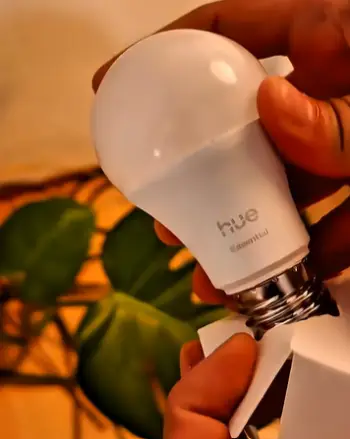
- Zigbee mesh reliability: Once the Bridge is online. Lights respond almost instantly. Keep working even if the internet blips.
The mesh handles fifty or more bulbs without choking. Newer Bridge Pro models push that number higher.
- Superior color science and deep dimming: Whites stay consistent across fixtures. Colors render with higher fidelity.
Standard Hue bulbs dim to 0.2 percent for true night-light levels. Essentials stop at 2 percent. Still feel premium.
- Entertainment and sync options: The Sync Box. Newer screen-based tools turn movie nights. Games into immersive experiences.
Lights track on-screen action with low lag. Music sync is polished once you add the right accessories.
- Full Apple HomeKit and Matter support: Native HomeKit via the Bridge. Expanding Matter-over-Thread options mean Hue fits mixed smart homes without workarounds.
Voice control works across Alexa. Google. Siri with equal polish.
- Massive accessory catalog: From outdoor floodlights to under-cabinet strips. Wall washers. Battery-powered sensors.
Hue lets you treat lighting as a complete system. Rather than isolated bulbs.
Pros Of Philips Hue
- Rock-solid reliability at scale: The mesh network keeps lights responsive across large homes. Automations continue during brief internet outages.
- Best-in-class light quality: Accurate colors. Smooth fades. Consistent whites make everyday living. Special moments look intentional.
- Future-proof ecosystem: Matter. Thread. HomeKit. A deep third-party catalog mean Hue stays relevant as standards evolve.
- Advanced entertainment tools: TV. Gaming sync deliver immersion that cheaper systems approximate. Rarely match.
- Polished long-term experience: Frequent updates. Strong community knowledge. Accessories that work together for years justify the premium for many users.
Cons Of Philips Hue
- Higher upfront and expansion cost: Even with Essentials pricing. Building a full system costs more. The Bridge adds another line item if you want full power.
- Bridge dependency for advanced features: Bluetooth works for a few lights. Remote access. Large groups. Many automations still prefer the Bridge.
- Steeper learning curve for beginners: The depth of the app. Accessory choices can feel overwhelming at first.
- Overkill for simple needs: If you only want a couple of color bulbs in one room. The system’s strengths go unused. The price remains high.
- Accessory sprawl: Buying into the full experience can lead to extra boxes. Cables that budget systems simply skip.
Real-World Daily Experience
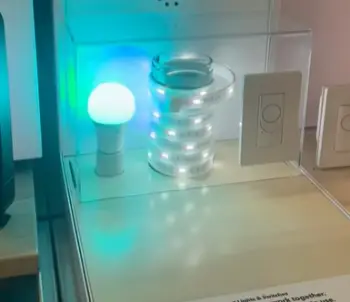
I ran Cync bulbs in secondary bedrooms. Hallways. While reserving Hue for the living room. Kitchen. The Cync lights handled schedules.
Voice commands without drama most days. Occasional Wi-Fi blips meant a quick power cycle restored order. Color parties with Dynamic Effects were lively enough for weekend gatherings.
Hue felt invisible in the best way. Lights responded the instant I spoke. Or opened the app. Morning routines ramped from soft warm light to bright task lighting without flicker.
Movie nights with the Sync setup turned the walls into part of the screen. When guests asked how the lighting worked. The answer was simply “it just does.”
Power usage stays similar. Both sit in the 8–10 watt range for 800-lumen output. Longevity claims favor Hue’s 25,000-hour rating. Real life depends more on heat. Usage patterns than marketing numbers.
Which One Fits Your Situation?
Choose GE Cync if your budget is tight. You want to light several rooms quickly. You already live in an Alexa. Or Google household.
It delivers the core smart experience without forcing you to buy a hub. Or stretch the wallet.
Choose Philips Hue if you value consistency. Plan to expand. Care about Apple HomeKit. Or want entertainment-grade effects.
The higher cost buys reliability. A system that grows with you rather than fighting your network.
Mixed setups are possible through voice platforms. Or Matter where supported. Scenes. Precise color matching stay cleaner inside one ecosystem. I keep the systems separate by room to avoid headaches.
Also Read: Comparison Of Govee And Cync
Frequently Asked Questions (FAQ)
GE Cync for pure budget value. Or Govee if you prioritize flashy effects. Low price over long-term reliability.
Yes for most people who want affordable. Hub-free color lights that work with Alexa. Or Google. It is not the most refined option. It gets the job done well.
For overall quality. Ecosystem depth. Reliability. Yes. The price gap has narrowed with the Essentials line. Keeping it the benchmark for many users.
Govee often wins on effects libraries. Price for strips. Accent lights. Cync feels more polished for everyday bulbs. Local retail support. Neither matches Hue’s consistency.
Final Thoughts
I started this comparison wanting a clear winner. Ended with a practical split. GE Cync removes the usual barriers.
So you can smarten up your home today without regret. Philips Hue asks for more money. A bit more setup.
Then rewards you with lighting that feels intentional every single day. Look at your budget. The platforms you already use. How many rooms you plan to cover. Once you match those factors. The choice becomes obvious.
You will end up with lights that respond when you need them. Stay out of the way the rest of the time. That is the real win.
Recent Posts
● Interactive 5-Zone Interior & Exterior Paint Blueprint Paint Coverage Calculator: Gallons, Primer, Square Footage & Cost Tap any architectural surface zone on the blueprint...
If you want smooth, shiny hair without spending a fortune on a premium styling tool, the Ella Bella hair dryer may be worth considering.In these Ella Bella hair dryer reviews, I’ll look...