
If you’re thinking about buying GIA Russa Pasta Sauce because of its affordable price or attractive packaging, I recommend comparing it with other well-known pasta sauce brands before making your decision.
After trying it in several recipes and looking at consistent customer feedback, I found that it falls short in flavor, consistency, and overall quality.
In this GIA Russa Pasta Sauce review, I’ll explain exactly what worked, what didn’t, and why I believe you can get better value elsewhere.
My Personal Experience With GIA Russa Pasta Sauce
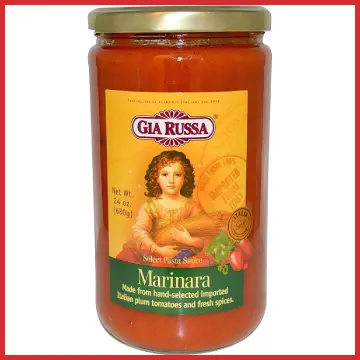
Whenever I test a pasta sauce, I don’t just judge it after one meal.
I like to use it in several different recipes because a good sauce should be versatile enough to perform well whether you’re making spaghetti, baked ziti, lasagna, meatballs, or even pizza.
That’s exactly how I approached GIA Russa Pasta Sauce.
The first thing I noticed after opening the jar was that the aroma was much milder than I expected.
I usually expect a tomato sauce to greet me with the rich smell of ripe tomatoes, garlic, basil, oregano, and olive oil.
Instead, the scent felt somewhat flat and lacked freshness. It wasn’t unpleasant, but it certainly didn’t make me excited to start cooking.
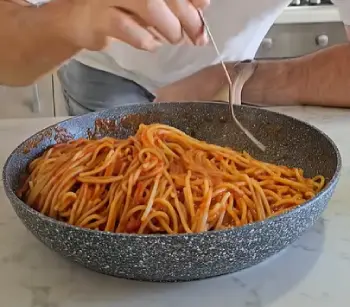
I began with a simple spaghetti dinner. Since I wanted to judge the sauce fairly, I didn’t add many extra ingredients. I only heated the sauce and tossed it with freshly cooked pasta.
The texture immediately caught my attention. It seemed thinner than many premium pasta sauces I’ve used before. Instead of coating every strand of spaghetti evenly, it settled toward the bottom of the bowl.
That alone wasn’t a deal breaker, but it hinted that the sauce might lack body.
Then came the flavor.
The tomato taste felt relatively weak compared to what I usually expect. Rather than tasting naturally sweet and vibrant, the tomatoes seemed slightly processed.
I also found the seasoning surprisingly restrained.
Garlic, herbs, onion, and spices didn’t stand out enough to create the rich Italian-inspired flavor profile I was hoping for.
During my second meal, I decided to improve the sauce myself. I sautéed fresh garlic, onions, mushrooms, and Italian sausage before adding the GIA Russa sauce.
I also mixed in basil, oregano, crushed red pepper, and a small amount of parmesan cheese.
This definitely helped.
However, what impressed me wasn’t the sauce itself—it was the fresh ingredients I had added. The sauce essentially became a base that required significant customization before it tasted satisfying.
A few days later, I used it in homemade lasagna. Normally, a quality pasta sauce contributes richness and moisture to every layer.
With GIA Russa, I noticed that the overall flavor depended almost entirely on the cheese and meat rather than the sauce itself.
After using nearly an entire jar across multiple recipes, I came away feeling underwhelmed.
I can understand why some shoppers buy it because it’s often inexpensive and readily available. But after comparing it with several competing brands in my own kitchen, I don’t think it offers enough flavor or quality to justify choosing it over better alternatives.
My experience aligns with many customer reviews that mention bland taste, inconsistent texture, and the need for additional seasoning.
If you enjoy heavily customizing every sauce you cook, you may find it acceptable as a starting point. But if you’re looking for a jar that delivers rich Italian flavor straight from the shelf, I think you’ll probably be disappointed.
Pros Of GIA Russa Pasta Sauce
- Budget-Friendly Pricing
One advantage I can’t ignore is the price.
If you’re shopping on a tight grocery budget, GIA Russa is usually cheaper than many premium pasta sauce brands. For large families trying to reduce food expenses, this lower price may seem appealing.
However, lower cost also means you may need to purchase additional herbs, garlic, onions, olive oil, or cheese to improve the final taste, reducing the overall savings.
- Easy to Find
Depending on where you shop, GIA Russa is available in numerous grocery stores and online retailers.
You don’t have to search specialty Italian markets to find it, making it convenient when you need a quick pantry refill.
- Multiple Flavor Options
The brand offers several varieties designed for different cooking styles.
Whether you prefer marinara, meat sauce, or herb-inspired flavors, you’ll likely find an option that matches your meal.
That said, I didn’t notice dramatic differences in overall richness between the varieties I sampled.
- Works as a Cooking Base
One area where I found some value was using it as a foundation rather than a finished sauce.
If you enjoy cooking from scratch, you can transform it by adding:
- Fresh garlic
- Onion
- Olive oil
- Italian sausage
- Mushrooms
- Fresh basil
- Parmesan cheese
- Tomato paste
After adding these ingredients, the meal becomes much more enjoyable.
In that sense, GIA Russa serves better as an ingredient than as a ready-to-eat sauce.
- Quick Meal Preparation
Busy weeknights often require convenient meals.
Heating one jar of sauce takes only minutes, making dinner preparation much faster than preparing homemade tomato sauce.
Parents, students, and busy professionals may appreciate this convenience.
Still, convenience only matters if you enjoy eating the finished meal.
- Long Pantry Shelf Life
Like most commercially packaged pasta sauces, unopened jars store well in your pantry.
Keeping one or two jars available for emergencies isn’t a bad idea, especially when you don’t have fresh ingredients available.
Cons Of GIA Russa Pasta Sauce
- Bland Overall Flavor
This was easily my biggest complaint.
The tomatoes lacked brightness, while the herbs and spices felt muted.
Instead of tasting rich and homemade, the sauce reminded me of a basic tomato puree with minimal seasoning.
- Thin Consistency
I prefer pasta sauces that cling nicely to noodles.
GIA Russa felt thinner than many competing products, making it less satisfying in spaghetti, baked pasta, and lasagna.
- Requires Significant Customization
I rarely expect perfection from a jarred sauce.
However, I also don’t expect to add multiple fresh ingredients just to create enjoyable flavor.
With GIA Russa, I consistently felt the need to improve nearly every batch.
- Doesn’t Taste Premium
Although marketed as an Italian-inspired sauce, I never felt like I was eating restaurant-quality pasta.
The overall experience remained average even after several attempts.
- Mixed Customer Satisfaction
One reason I became curious about this product was the wide range of online customer opinions.
Unfortunately, after trying it myself, I understood why many reviews express disappointment regarding flavor, texture, and consistency.
Tips For GIA Russa Pasta Sauce
- Refrigerate Immediately After Opening
Once you’ve opened the jar, transfer it to the refrigerator promptly if you don’t use the entire contents.
Keeping the lid tightly sealed helps preserve freshness and reduces exposure to air, which can affect flavor over time.
I always try to use the remaining sauce within a few days rather than letting it sit for too long.
- Freeze Leftovers for Future Meals
If you know you won’t finish the sauce soon, freezing it in small airtight containers is a practical option.
I like portioning it into single-meal servings so I can thaw only what I need. This minimizes waste and makes weeknight dinners quicker.
- Improve the Flavor with Fresh Ingredients
This is the biggest tip I can offer. In my experience, GIA Russa performs much better when treated as a cooking base rather than a finished sauce.
Sauté fresh garlic and onions in olive oil before adding the sauce. Stir in basil, oregano, parsley, black pepper, or crushed red pepper to create more depth.
If the tomatoes taste a bit flat, a spoonful of tomato paste can make the sauce richer.
- Add Protein for Better Texture
Ground beef, Italian sausage, turkey, meatballs, or grilled chicken can transform the overall meal.
The additional protein adds richness that the sauce alone doesn’t provide.
I found that meat-based recipes helped mask some of the sauce’s weaker characteristics.
- Simmer Instead of Simply Heating
Rather than just warming the sauce in a saucepan, let it simmer gently for 15–20 minutes. This allows any added herbs and spices to blend together more effectively.
A longer simmer won’t completely change the sauce, but it can make the flavors taste more balanced.
- Pair It with Quality Pasta and Cheese
Using high-quality pasta and freshly grated Parmesan or Pecorino Romano can noticeably improve the final dish.
Since the sauce itself isn’t especially robust, the other ingredients have a greater impact on the meal’s overall quality.
- Avoid Overcooking
Once you’ve enhanced the sauce, avoid boiling it aggressively for long periods. Excessive heat can dull the flavor and alter the texture.
Gentle simmering is enough to warm it through and incorporate any additional ingredients.
- Taste Before Serving
Always sample the sauce before it reaches the table. You may find it needs a pinch of salt, a little pepper, extra herbs, or a splash of olive oil.
Making these small adjustments at the end can noticeably improve the finished dish.
- Use It in Recipes with Multiple Ingredients
I had better results when using GIA Russa in casseroles, baked pasta, or stuffed shells than when serving it plain over spaghetti.
In recipes where cheese, meat, vegetables, and seasonings all contribute to the flavor, the sauce’s shortcomings become less noticeable.
- Keep Expectations Realistic
Finally, remember that this is a budget-friendly jarred sauce. If you expect the complexity of a slow-cooked homemade marinara, you’ll probably be disappointed.
Treating it as a convenient base rather than a premium sauce will lead to a more satisfying experience.
Comparison Of GIA Russa Pasta Sauce With Other Brands
- GIA Russa vs Rao’s Homemade
After trying both, Rao’s Homemade clearly delivers a richer tomato flavor, thicker consistency, and a more balanced blend of herbs.
It tastes closer to a homemade sauce and usually requires little to no extra seasoning.
While it costs more, I believe the quality difference is noticeable enough to justify the price if flavor is your priority.
- GIA Russa vs Classico
Classico offers a wider variety of flavors with a more robust taste straight from the jar. I found it needed fewer adjustments during cooking, making it a better option for quick weeknight meals.
- GIA Russa vs Bertolli
Bertolli sauces generally have a fuller body and a smoother texture. The seasoning also feels more rounded, especially in recipes like lasagna or baked ziti where the sauce plays a major role.
- GIA Russa vs Prego
Prego tends to have a sweeter, thicker profile that appeals to many families. Although sweetness is subjective, I found Prego more satisfying without having to add as many extra ingredients.
- GIA Russa vs Barilla
Barilla sauces strike a good balance between affordability and flavor. In my kitchen, they coated pasta better and delivered a more natural tomato taste, making them a stronger everyday choice than GIA Russa.
Is GIA Russa Pasta Sauce Worth Buying?
After using GIA Russa Pasta Sauce in several recipes, I don’t think it’s a product I would purchase again.
While it’s inexpensive and convenient, those advantages don’t outweigh the bland flavor, thin consistency, and need for extensive customization.
If you’re looking for a sauce that tastes great straight from the jar, there are several competing brands that offer a noticeably better experience.
GIA Russa may work as a basic cooking base, but I wouldn’t recommend it as my first choice for pasta night.
Also Read: Is Shilajit Honey Sticks Worth It?
Frequently Asked Questions (FAQ)
Many home cooks consider Rao’s Homemade one of the best jarred pasta sauce brands because of its rich tomato flavor, quality ingredients, and homemade taste. Other strong choices include Classico, Bertolli, Barilla, and Victoria.
GIA Russa spaghetti sauce is a commercially produced tomato-based pasta sauce designed for quick and convenient meals. It comes in several varieties, including marinara and meat sauce, and is intended to be heated and served with pasta or used in Italian-inspired recipes.
Some of the most popular jarred pasta sauce brands include Rao’s Homemade, Classico, Bertolli, Barilla, and Prego. These brands are widely recognized for their flavor, consistency, and overall cooking performance.
If you’re looking for a store-bought pasta sauce that tastes closest to homemade, Rao’s Homemade is often regarded as one of the strongest options. It delivers rich tomato flavor, quality ingredients, and excellent consistency with minimal need for additional seasoning.
Wrapping Up
If you asked me whether I would recommend GIA Russa Pasta Sauce, my answer would be no.
Although it’s affordable and easy to find, I don’t think it delivers the rich flavor or satisfying texture that most people expect from a quality pasta sauce.
After trying it in multiple recipes, I found myself constantly adding herbs, spices, garlic, and cheese just to improve the taste.
If you want a more enjoyable pasta dinner with less effort, I believe you’re better off choosing one of the stronger competing brands.
Recent Posts
I tried Meltoway Hair Dissolving Cream because I wanted a quick way to deal with unwanted body hair without reaching for a razor every few days. If you are looking for a convenient at-home...
If you’re considering a saffron-based supplement to support mood, appetite control, and everyday wellness, Happy Saffron Plus is worth considering.I like that it takes a familiar botanical...