
If you are looking for glasses that can reduce glare while driving, working, or spending time under bright lights, Glare Guard Glasses may initially look appealing.
However, after considering their advertised purpose alongside the concerns and negative customer feedback associated with them, I would not recommend buying them.
The idea is useful, but the real-world performance appears less convincing than the marketing suggests.
If dependable glare reduction is your priority, I think you should consider established eyewear options with proven lens technology instead.
My First Experience With Glare Guard Glasses
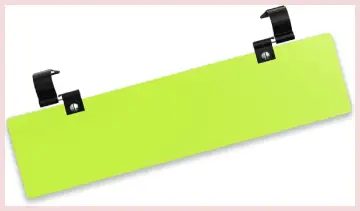
When I first looked at Glare Guard Glasses, the basic concept immediately made sense to me. Glare can be genuinely irritating.
I have experienced it while driving toward headlights at night, sitting near a bright window, using a computer in a brightly lit room, and even walking outdoors when sunlight reflects off cars or pavement.
So, a pair of glasses designed specifically to make those situations more comfortable sounds like a practical purchase.
My expectations, however, were fairly straightforward. I wasn’t looking for magic. I simply wanted glasses that could make harsh reflections and bright light feel less distracting without making everything appear strangely colored or noticeably darker.
That distinction matters.
A product can look attractive on paper while still disappointing once you actually use it. With Glare Guard Glasses, that was the main concern I kept coming back to.
The promise of reducing glare is appealing, but the quality of the experience depends heavily on the lens material, optical clarity, coating quality, fit, and the particular type of glare you’re trying to control.
For me, the biggest question was whether the glasses could deliver a noticeable improvement without creating another problem.
If I put on glasses to reduce glare but the lenses make the surroundings look yellow, dim, distorted, or unnatural, I haven’t really gained much. I have simply exchanged one visual annoyance for another.
This is particularly important when driving. Night driving requires clear visual information. I want to see road markings, pedestrians, signs, vehicles, mirrors, and changing light conditions as naturally as possible. A pair of glasses that merely makes headlights look less harsh isn’t automatically a good driving aid.
I also considered daytime use. Reflections from glass buildings, wet roads, vehicle windshields, and shiny surfaces can be uncomfortable. Polarized lenses can be useful in certain daytime situations because they are designed to reduce particular types of reflected light. But that doesn’t mean every pair marketed as anti-glare will provide the same effect.
That is where my expectations became more cautious.
Another thing I noticed when assessing products in this category is that comfort can be just as important as lens performance. If the frame presses against your temples, slides down your nose, feels heavy, or doesn’t sit correctly over your eyes, you probably won’t enjoy wearing it for several hours.
I don’t want to constantly adjust my glasses while driving.
I don’t want to push them back up every few minutes.
And I definitely don’t want to spend money on a product that looks useful in an advertisement but doesn’t become something I naturally reach for during everyday life.
The available customer feedback surrounding Glare Guard Glasses also makes me cautious. Negative reviews on ecommerce platforms are not automatically proof that every unit is defective, because individual experiences can vary. Still, when a product receives repeated complaints about performance, comfort, durability, or whether it actually delivers the advertised benefit, I take those complaints seriously.
That is especially true for eyewear.
With something decorative, disappointing quality might simply mean you don’t like the product. With driving glasses, optical performance matters considerably more.
My overall impression is therefore mixed. I can understand why someone would be interested in Glare Guard Glasses. The problem is that the potential benefit doesn’t appear strong enough to overcome my concerns about consistency and value.
If you’re shopping specifically because you suffer from uncomfortable glare, I’d rather spend my money on eyewear with clearly established lens technology and a stronger reputation for optical quality.
Pros Of Glare Guard Glasses
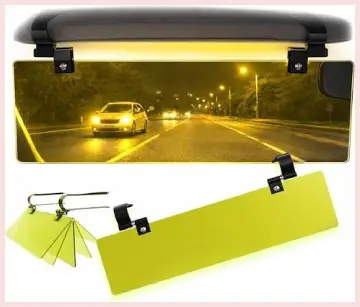
- The Basic Idea Is Practical
The biggest positive for me is the concept itself.
Glare is a legitimate problem, and eyewear designed to improve visual comfort can be useful.
If you’ve ever driven with headlights constantly shining into your field of vision, you already understand why people search for anti-glare glasses.
The idea of having one pair that can be used in several situations is also convenient.
- They May Feel More Comfortable in Bright Conditions
Depending on the individual and the lighting conditions, tinted or glare-reducing lenses may make bright environments feel more comfortable.
If your eyes feel strained by excessive brightness, even a modest reduction in visual intensity can sometimes make an environment feel easier to tolerate.
However, I would treat this as a potential benefit rather than a guarantee.
- The Design Is Intended for Everyday Use
Glasses like these are generally designed around convenience rather than specialized equipment. That makes the concept attractive to someone who wants something simple.
You don’t need a complicated setup. You put the glasses on and expect the lenses to handle the visual filtering.
That simplicity is one reason this category continues to attract buyers.
- They May Be Useful for Certain Daytime Glare Situations
Bright daytime reflections can be irritating, especially around roads, vehicles, windows, water, and shiny surfaces.
A suitable glare-reducing lens can make those environments more comfortable.
Still, I wouldn’t automatically assume that Glare Guard Glasses provide the same level of reflected-light reduction as a high-quality polarized lens.
- They Are Relatively Easy to Use
There isn’t much to learn. Put them on when needed and remove them when you don’t.
For people who dislike complicated accessories, that simplicity can be appealing.
- They Can Be an Inexpensive Experiment
If someone wants to experiment with glare-reducing eyewear without immediately investing in premium prescription lenses, an inexpensive pair may seem attractive.
The problem is value.
Cheap isn’t automatically a bargain if you don’t use the product.
Cons Of Glare Guard Glasses
- My Biggest Concern Is Inconsistent Real-World Performance
This is the issue that matters most to me.
A glare-reducing product needs to produce a noticeable benefit. If I cannot clearly tell that the lenses are improving my visual comfort, I have difficulty justifying the purchase.
The customer feedback surrounding Glare Guard Glasses raises concerns about whether the promised benefits are consistently experienced.
- Marketing Claims Can Create Unrealistic Expectations
When a product is presented as an easy solution to glare, customers can naturally expect dramatic results.
Reality is more complicated.
No ordinary pair of glasses can completely eliminate every source of glare. Different lighting conditions require different optical solutions.
If you expect these glasses to make nighttime headlights disappear or turn every bright environment into a perfectly comfortable one, you may end up disappointed.
- They Are Not a Substitute for Proper Prescription Eyewear
This is important.
If you already need corrective lenses, non-prescription glare glasses don’t suddenly correct your underlying vision.
Clear vision depends on more than glare reduction.
If your prescription has changed or your vision isn’t as sharp as it should be, the better move is to address that issue rather than relying on an accessory.
- Night Driving Deserves Extra Caution
I am particularly cautious about products marketed for nighttime driving.
At night, you need enough light reaching your eyes to identify objects and hazards. A lens that noticeably reduces brightness may not necessarily be beneficial.
There is also a major difference between reducing annoying reflections and reducing useful visual information.
For that reason, I wouldn’t treat Glare Guard Glasses as a safety product simply because they are marketed around nighttime glare.
Customer Complaints Affect My Confidence
Negative reviews don’t mean every buyer will have the same experience. However, repeated complaints are still relevant when deciding whether something represents good value.
I would rather choose eyewear with a long-established reputation for consistent lens quality than take a chance on a product that has generated substantial customer dissatisfaction.
- Fit Can Be a Problem
Glasses need to fit your face.
If the frame is too loose, it may slide down. If it is too tight, you can experience pressure around your temples or behind your ears.
A poorly fitting pair also changes how you look through the lenses.
- Durability Matters
Eyewear gets handled constantly.
You put it on, remove it, place it on a desk, put it into a vehicle, clean it, and carry it around. A frame or coating that doesn’t hold up well can quickly become frustrating.
If I’m paying for specialized eyewear, I expect it to survive normal everyday handling.
Maintenance For Glare Guard Glasses
- Clean the Lenses Properly
I would never use a rough shirt, paper towel, or tissue to repeatedly clean optical lenses.
Those materials can contain fibers or particles that contribute to microscopic scratches.
Instead, I prefer using a clean microfiber cloth and an appropriate lens-cleaning solution.
Before wiping, remove loose dust and particles so you aren’t dragging debris across the lens.
- Avoid Household Glass Cleaners
A common mistake is assuming that anything designed for glass is suitable for eyeglass lenses.
That’s not necessarily true.
Some household cleaning products can damage lens coatings over time.
I’d stick with products specifically intended for eyewear.
- Store Them in a Hard Case
If you throw your glasses into a bag or vehicle without protection, scratches are almost inevitable.
A hard protective case provides a simple layer of protection against keys, coins, dust, and other objects.
It takes seconds to put the glasses away properly, and that small habit can significantly extend their usable life.
- Don’t Leave Them in Extreme Heat
Cars can become extremely hot.
Leaving eyewear on the dashboard or inside a hot vehicle for extended periods isn’t something I’d recommend. Excessive heat can potentially affect certain frame materials and lens coatings.
If I am not wearing my glasses, I keep them somewhere protected from direct sunlight and extreme temperatures.
- Handle Them With Both Hands
This sounds minor, but it makes a difference.
Pulling glasses off with one hand repeatedly places uneven pressure on the frame.
Using both hands helps preserve alignment and reduces unnecessary stress on the hinges.
- Check the Screws and Hinges
Loose hinges can make glasses feel crooked or unstable.
I periodically inspect the frame and have loose components adjusted rather than continuing to wear them in a damaged condition.
- Keep the Lenses Away From Sharp Objects
Never place the lenses face-down on a table.
Even a clean-looking surface may contain tiny particles that can scratch the coating.
When I put glasses down, I prefer placing them with the lenses facing upward.
- Replace Damaged Lenses
If the lenses become heavily scratched, cracked, or visibly distorted, cleaning them won’t restore their optical quality.
At that point, replacement is more sensible.
This is especially important for driving eyewear because visual clarity should never be compromised by damaged lenses.
- Don’t Share Eyewear Without Cleaning It
If someone else tries your glasses, I would clean them afterward.
It’s a simple hygiene habit, particularly when the glasses sit directly against the face.
- Keep Expectations Realistic
Maintenance isn’t only about cleaning.
It’s also about knowing what the glasses can and cannot do.
No amount of careful maintenance will turn an unsuitable lens into a specialized optical solution. If the glasses aren’t providing the visual performance you need, replacing them with a better-suited product makes more sense than trying endless cleaning methods.
Comparison Of Glare Guard Glasses With Other Eyewear Options
- Glare Guard Glasses vs Polarized Sunglasses
Polarized sunglasses are specifically designed to reduce certain types of reflected light, making them particularly useful outdoors during the day.
For me, that makes them a more logical option for daytime glare from roads, water, vehicles, and other reflective surfaces.
However, polarized sunglasses aren’t automatically ideal for nighttime driving because they reduce light transmission.
So, the right choice depends heavily on when and where you plan to use the glasses.
- Glare Guard Glasses vs Anti-Reflective Prescription Lenses
Anti-reflective prescription lenses are designed to reduce reflections from the front and back surfaces of the lenses.
That can be particularly useful for people who wear corrective eyewear and experience distracting reflections around artificial lights.
I prefer this approach when someone already needs prescription glasses because it addresses vision correction and lens reflections together.
- Glare Guard Glasses vs Dedicated Driving Glasses
Dedicated driving glasses can use specific lens designs intended to improve visual comfort in particular conditions.
But I would still avoid assuming that a product is effective simply because it has “driving” in the name.
The actual lens specifications matter more than the marketing label.
- Glare Guard Glasses vs Quality Non-Prescription Eyewear
A well-made non-prescription pair with clearly stated lens specifications can sometimes make more sense than a heavily marketed product with uncertain performance.
For me, transparency is important.
I want to know what the lens is made from, what coating it uses, what type of filtering it provides, and what situations it is actually designed for.
Frequently Asked Questions (FAQ)
They may provide some reduction in perceived brightness or glare depending on the lens design and lighting conditions, but I would not assume they eliminate glare completely. Their effectiveness can vary significantly between users and situations. Because of the negative customer feedback associated with Glare Guard Glasses, I would personally look for alternatives with clearer lens specifications and a stronger reputation.
There isn’t one universal pair that is best for every driver. For nighttime driving, clear vision, correct prescription, adequate light transmission, and optical quality are more important than simply choosing heavily tinted lenses. I would avoid treating generic yellow-tinted glasses as a guaranteed solution for headlight glare.
I’d focus on glasses with transparent or appropriately designed lenses, high optical clarity, and a legitimate anti-reflective treatment rather than relying only on a “night vision” label. If glare is persistent, an eye examination can also help determine whether vision correction or another issue is contributing to the problem.
The right option depends on the type of glare you’re experiencing. Polarized lenses can be useful for many daytime reflections, while anti-reflective coatings can help reduce reflections from prescription lenses. For nighttime driving, I would prioritize clear optics and appropriate light transmission instead of choosing a product based solely on its anti-glare marketing.
Final Verdict
After considering the intended purpose, practical limitations, and negative customer feedback associated with Glare Guard Glasses, I would not recommend buying them.
idea behind glare-reducing eyewear is useful, but I don’t think the potential benefits justify taking a chance when there are other optical solutions designed around specific glare problems.
If you need dependable eyewear, I’d spend my money on a reputable pair with clearly defined lens technology, appropriate fit, and a strong track record of customer satisfaction.
Recent Posts
● Interactive 5-Zone Interior & Exterior Paint Blueprint Paint Coverage Calculator: Gallons, Primer, Square Footage & Cost Tap any architectural surface zone on the blueprint...
If you want smooth, shiny hair without spending a fortune on a premium styling tool, the Ella Bella hair dryer may be worth considering.In these Ella Bella hair dryer reviews, I’ll look...