
As I’ve navigated the world of skincare routines, I’ve come to appreciate tools that make a real difference in how my skin feels daily.
In this article, I’ll compare Goshi and Sima exfoliating towels from my own experiences and research, highlighting their strengths to help you pick the one that fits your bathing habits.
Whether you’re chasing smoother skin or a better lather, let’s explore what sets them apart.
| Aspect | Goshi | Sima |
| Material | 100% Nylon with dual interwoven threads | Hexagon woven fibers with silver infusion |
| Size | Approximately 100cm x 30cm (extra long for reach) | 27cm x 35cm (compact washcloth style) |
| Origin | Made in Japan | Marketed as Japanese-style, likely produced elsewhere |
| Price | Around $15-$18 | About $21.90 |
| Durability | Lasts 3-6 months or up to a year | Reusable, claimed 20x longer than typical sponges |
| Exfoliation Level | Balanced, gentle yet effective | Dual sides: gentle wash and deeper scrub |
| Key Benefit | Excellent lathering and rip-resistant | Odor prevention with silver ions |
| Best For | Full-body coverage and daily use | Targeted areas like face and body with anti-bacterial focus |
Background On Exfoliating Towels

I’ve always been fascinated by how simple items can transform a routine shower into something more rejuvenating.
Exfoliating towels, inspired by traditional Japanese bathing practices, are designed to slough off dead skin while cleansing.
They’re not your average washcloth; they’re textured to promote better circulation and smoother texture without needing harsh chemicals.
Goshi entered my radar a few years back when I was dealing with rough patches on my arms. It’s a brand that emphasizes authenticity, drawing from Gunma region’s weaving techniques.
On the other hand, Sima caught my eye more recently through online ads, promising a modern twist with added tech like silver ions.
Both aim to replace bulky loofahs, but they approach it differently, which is why comparing them feels so relevant.
From my trials, these towels aren’t just about scrubbing—they’re about efficiency. You add a bit of soap, work up a foam, and let the fabric do the work.
But choosing between Goshi and Sima boils down to what you prioritize: reach and lather or compactness and hygiene.
Key Differences Between Goshi And Sima
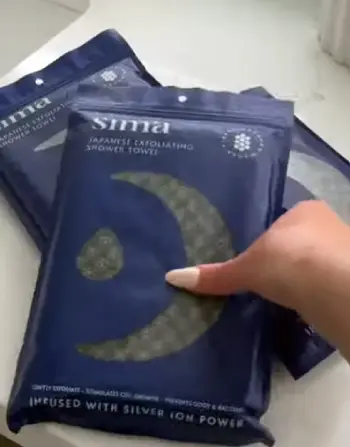
Diving into what separates these two, I’ve found the contrasts shape how they fit into daily life.
- Size and Reach: Goshi’s longer design excels at full-body access, while Sima’s compactness suits spot treatments.
This makes Goshi better for comprehensive routines, Sima for quick touch-ups.
- Material Innovation: Goshi uses dual threads for lather and scrub, emphasizing balance.
Sima’s hexagon fibers with silver focus on hygiene and dual intensity, appealing to bacteria-conscious users.
- Durability Claims: Goshi promises up to a year, backed by rip-resistance.
Sima claims 20x sponge life, but real-world tests show similar longevity with care.
- Price and Value: Goshi offers more surface area for less money, feeling like better bang for buck.
Sima justifies its cost with anti-odor tech, but size might not suit everyone.
- User Experience Focus: Goshi feels traditional yet refined, like a Japanese onsen.
Sima leans modern, with features tackling common loofah pitfalls.
These differences highlight why one might edge out the other depending on your priorities.
Key Features Of Goshi
When I first unboxed my Goshi towel, I noticed how it felt substantial yet flexible. It’s crafted to balance cleansing and exfoliation without overwhelming your skin.
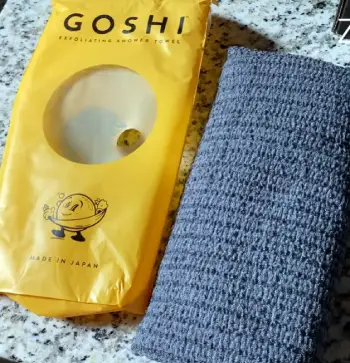
- Dual Thread Design: One thread focuses on creating a rich lather, while the other provides just enough texture for polishing away dullness.
This makes showers feel luxurious, like you’re getting a spa treatment at home.
- Rip-Resistant Fabric: I’ve tugged and stretched it during use, and it holds up without fraying.
This durability means fewer replacements, which is a win for anyone tired of flimsy bath tools.
- Extra Length: At about a meter long, it easily reaches my back and shoulders.
No more awkward contortions—just smooth, even coverage.
- Hygienic Materials: It dries quickly and resists bacteria buildup, so it stays fresh between uses.
I’ve hung it in my shower for weeks without any odd smells.
- Color and Size Options: Available in multiple hues and sizes, it lets you personalize your routine.
I went with a neutral gray that blends into my bathroom decor.
These elements make Goshi feel like a thoughtful upgrade. I remember my first use: the lather was creamy, and my skin emerged softer without redness.
Pros Of Goshi
Goshi has become a staple in my routine because it delivers on promises without fuss. Here’s what stands out from my perspective.
- Superior Lathering: The specialized thread creates foam effortlessly, using less soap. This saves money and makes showers more efficient—I get that clean feeling with minimal effort.
- Gentle on Skin: Despite exfoliating, it doesn’t irritate. I’ve used it daily without dryness, which is great for my combination skin type.
- Excellent Reach: The length means no spot is left behind. Back acne? It’s helped clear mine by ensuring thorough cleansing.
- Durability and Value: Lasting up to a year, it’s cost-effective. Compared to disposable scrubs, it’s a smart investment.
- Eco-Friendly Aspects: Made from recyclable materials, it appeals to my sustainable side. Plus, fewer bacteria mean less frequent washing.
Overall, these pros make Goshi feel reliable. I often recommend it to friends seeking an all-around performer.
Cons Of Goshi
No product is perfect, and Goshi has a few drawbacks I’ve encountered.
- Potential Roughness for Sensitive Skin: If your skin is very delicate, the texture might feel too much at first. I had to ease into daily use.
- Higher Initial Cost: At $15+, it’s pricier than basic cloths, though the longevity offsets this.
- Limited for Face Use: The brand advises against facial scrubbing due to intensity, so I stick to body only.
- Drying Time in Humid Areas: While quick-drying, in steamy bathrooms, it might need extra air flow.
- Color Fading Over Time: After many washes, hues can dull, but functionality remains.
These aren’t deal-breakers for me, but worth considering based on your needs.
Key Features Of Sima
Sima takes a different angle, feeling more like a high-tech washcloth in my hands. It’s compact, which suits quick routines, but packs clever innovations.
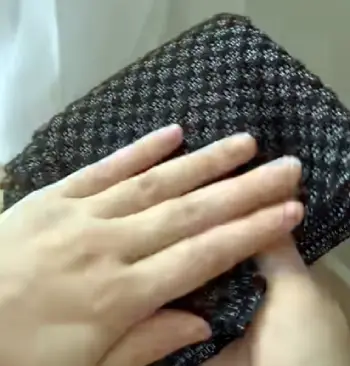
Hexagon Woven Fibers: The unique pattern offers two sides—one for light cleansing and another for deeper exfoliation.
This versatility lets me switch based on how my skin feels that day.
- Silver-Infused Technology: This fights off bacteria and odors, keeping the towel sanitary even in humid bathrooms.
I’ve noticed it stays fresher longer than traditional cloths.
- Compact Dimensions: At around 10×13 inches, it’s easy to maneuver for face, elbows, or knees.
Perfect if you prefer targeted scrubbing over full-body sweeps.
- Reusable Longevity: Claimed to outlast sponges by a wide margin, it reduces waste.
I’ve used mine for months, and it shows minimal wear.
- Odor and Dirt Resistance: The silver helps prevent musty buildup, so it rinses clean and dries fast.
This is handy for shared bathrooms.
In practice, Sima feels innovative, like it’s addressing common complaints about bath tools. My initial scrub left my skin tingling in a good way, ready for moisturizer.
Pros Of Sima
Sima shines in areas where hygiene is key, and I’ve appreciated its thoughtful design during busier weeks.
- Anti-Bacterial Properties: The silver infusion keeps things fresh, reducing the risk of skin issues from dirty tools. This peace of mind is huge for me.
- Dual Exfoliation Levels: Switching sides lets me customize—gentle for sensitive days, deeper for when I need renewal. It’s like two tools in one.
- Compact and Portable: Easy to pack for travel or gym bags. I’ve taken it on trips without it taking up space.
- Skin Texture Improvement: It sloughs off dead cells effectively, leaving a radiant glow. My elbows and knees have never been smoother.
- Long-Lasting Reusability: Outperforming loofahs, it holds up well, making it economical over time.
These strengths make Sima a contender for anyone prioritizing innovation in their bath setup.
Cons Of Sima
Sima has its share of quirks that I’ve noted during extended use.
- Size Limitations: The smaller dimensions make back-scrubbing tricky without help. I sometimes wish it was longer.
- Lather Challenges: It doesn’t hold soap as well, leading to slippery moments. More product might be needed.
- Variable Abrasion: The rougher side can be too intense for some areas, causing minor irritation if overused.
- Higher Price Point: Around $22, it feels steep for the size, especially if you’re comparing to bulk options.
- Handling Issues: It bunches up when wet, making precise control harder during vigorous scrubs.
Acknowledging these helps set realistic expectations.
My Personal Experience With Goshi
Let me share how Goshi integrated into my life. I started using it during a dry winter when my skin felt lackluster.
The first shower was eye-opening—the lather built quickly, and the gentle scrub revealed softer arms and legs.
Over weeks, I noticed fewer ingrown hairs after shaving, which was a bonus.
I appreciate how it hangs easily in my shower, drying without mold. Compared to old loofahs that harbored gunk, this is a breath of fresh air.
Sure, it took a couple uses to adjust the pressure, but now it’s second nature. If you’re like me, with a busy schedule, its efficiency saves time.
One downside: in summer humidity, I rinse it more thoroughly. But overall, it’s boosted my confidence in swimwear season.
My Personal Experience With Sima
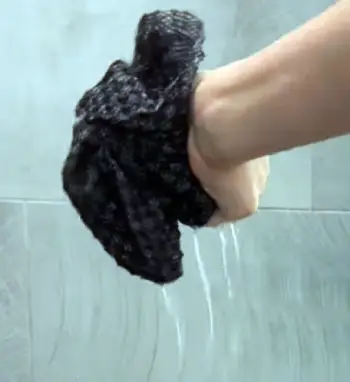
Switching to Sima was intriguing because of the silver tech. I used it for targeted areas like my face and knees, where the dual sides shone.
The gentle side cleansed without stripping oils, while the exfoliating one tackled rough spots effectively.
Traveling with it was seamless—fits in any bag without bulk. My skin felt refreshed post-gym, and the odor resistance meant no worries about freshness.
However, reaching my back required some creativity, like folding it over a hand.
It’s helped with my occasional breakouts by keeping pores clear. If you have sensitive skin, start slow; I did, and it paid off.
How To Choose Between Goshi And Sima?
Deciding comes down to your routine. If you want full coverage and love a good foam, go Goshi—it’s like an all-in-one bath companion.
For hygiene-focused, compact options, Sima’s innovations might win you over.
Consider your skin type: Goshi for balanced exfoliation, Sima for customizable intensity. Budget-wise, both are investments, but think long-term use.
I suggest trying one based on reviews, then the other if needed. Your showers will thank you.
Maintenance And Care Tips
To maximize either towel, I’ve learned a few tricks. Rinse thoroughly after each use, wring out excess water, and hang to dry in a ventilated spot. Avoid bleach; mild soap suffices for cleaning.
For Goshi, occasional machine wash on gentle cycle keeps it fresh. Sima benefits from air-drying to preserve silver efficacy.
Store them away from direct heat to prevent degradation. With proper care, both last impressively.
Broader Impact On Skincare Routines
Incorporating these towels has shifted how I view exfoliation. No more relying solely on creams; physical tools like these enhance absorption. My moisturizers sink in better post-scrub, leading to lasting hydration.
From an analytical standpoint, they’re sustainable alternatives to disposable scrubs, reducing plastic waste. If you’re eco-minded, that’s a plus.
They also promote mindfulness in showers—taking time to scrub properly feels therapeutic.
Potential Drawbacks In Daily Use
Beyond individual cons, consider lifestyle fit. In small bathrooms, Goshi’s length might tangle, while Sima’s size could feel limiting for tall folks.
Allergies to materials? Check labels—nylon in Goshi, polyester-like in Sima.
Over-exfoliation is a risk; I limit to 3-4 times weekly.
User Stories From Others
Friends who’ve tried Goshi rave about the clean feel. One with KP saw improvements.
For Sima, a colleague mentioned clearer skin from anti-bacterial properties.
These anecdotes align with my views.
Environmental Considerations
Both reduce reliance on plastic loofahs. Goshi’s recyclability edges it, but Sima’s longevity minimizes replacements.
Choose based on your green goals.
Cost-Benefit Analysis
Goshi: Low cost per use due to lifespan.
Sima: Higher upfront, but hygiene features justify for some.
Weigh against your frequency of use.
Also Read: Is Goshi Towel Worth It?
Frequently Asked Questions (FAQ)
From my experience and user reports, they typically last 3-6 months with regular use, or up to a year if cared for properly.
Brands like Goshi stand out for exfoliating types due to their durable, Japanese-made construction, but for standard bath towels, companies like Brooklinen or Parachute are often praised for quality.
Yes, Goshi is inspired by and made in Japan, drawing from traditional weaving in the Gunma region.
Goshi ranks highly for exfoliating towels, but for overall Japanese towels, Imabari is renowned for absorbent, high-quality options.
Wrapping Up
I’ve shared my journey with Goshi and Sima, breaking down what makes each unique so you can make an informed choice.
Whether you lean toward Goshi’s reach and lather or Sima’s hygiene focus, incorporating one will likely refresh your routine.
You deserve that smooth, clean feeling—give it a try and see the difference for yourself.
Recent Posts
I spent months comparing budget options against established names after my last set of tires wore out sooner than expected.My goal here is to share what I learned from putting Dextero and...
AquaTru Carafe Vs. Classic: Which Is Actually Fits Your Kitchen?
I decided to write this comparison after months of testing both the AquaTru Carafe and the Classic in my own kitchen. Tracking covered daily use.Taste stayed consistent. Refill frequency...