
I recently tackled several painting projects around my house and decided it was time to upgrade from brushes and rollers.
After testing both the Graco TrueCoat 360 and the Wagner Flexio 3500, I wanted to share what actually worked for me as a regular DIYer.
In this article, I compare these two popular handheld paint sprayers head-to-head so you can figure out which one fits your needs without wasting time or money.
I focus on real-world performance, ease of use, and results on common home projects like walls, trim, furniture, and decks.
| Feature | Graco TrueCoat 360 | Wagner Flexio 3500 |
| Technology | Airless (high pressure piston pump) | HVLP (high volume low pressure turbine) |
| Best For | Unthinned latex paints, larger surfaces | Stains, thinner materials, detail work |
| Speed Control | Variable or dual speed options | Variable speed control |
| Spray Direction | Any direction, including upside down | Primarily forward, limited angles |
| Paint Capacity | FlexLiner bags (up to 32 oz or more) | Multiple containers with quick lock |
| Weight & Portability | Lightweight handheld, corded | Lightweight handheld, corded |
| Finish Quality | Smooth, professional on walls & trim | Fine atomization for smooth detail finishes |
| Cleanup Time | Quick with bags and pump armor | Easy but more parts to disassemble |
| Price Range (approx.) | Higher (premium handheld) | More affordable |
Key Differences Between The Graco Truecoat 360 And Wagner Flexio 3500
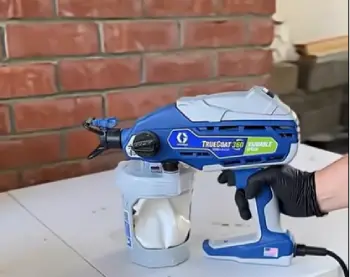
- Spraying Technology: The Graco uses airless technology with a stainless steel piston pump that delivers strong pressure for thick, unthinned paints.
I found it pushed paint out consistently without much prep. The Wagner relies on HVLP, which atomizes paint into finer particles using air, giving a softer mist that I liked for stains and cabinets but sometimes required thinning.
- Power and Coverage: Graco felt more powerful for covering bigger areas quickly, like interior walls.
Wagner excelled in control for smaller, detailed jobs where overspray mattered less.
- Ease of Setup and Mobility: Both are handheld and corded, but Graco’s design let me spray at any angle without losing prime, which saved me frustration on ceilings and fences.
Wagner needed more careful positioning.
- Paint Handling: Graco’s FlexLiner bags made refills fast and cleanup simple.
Wagner’s cups and nozzles were versatile but took a bit more fiddling.
Durability and Longevity: From my experience and what I saw in user feedback, Graco held up better for repeated use, while Wagner felt like a solid entry-level option that might need gentler handling.
Key Features Of The Graco Truecoat 360
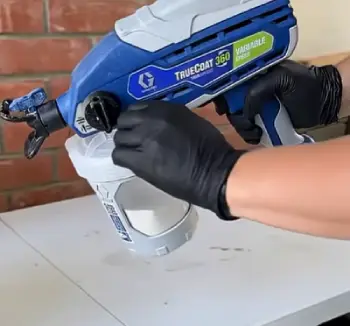
- Stainless Steel Piston Pump: This delivered reliable high pressure, letting me spray straight latex paint without thinning. It made a huge difference on my living room walls.
- Variable Speed Control: I could dial in the perfect pace for precision on trim or faster coverage on flat surfaces. It gave me confidence that I wouldn’t ruin delicate areas.
- 360-Degree Spraying: Spraying upside down or at odd angles worked seamlessly. No more stopping to readjust or deal with clogs mid-job.
- FlexLiner Bags and Tips: Multiple tip sizes for paint and stain, plus disposable bags, meant less mess and waste. I loved swapping tips quickly for different projects.
- Compact and User-Friendly Design: Lightweight enough for extended sessions, with simple controls that a beginner like me could master fast.
I remember my first time using it on baseboards—I was amazed at how even the coverage was compared to my old roller method.
Pros Of The Graco Truecoat 360
- Excellent for Unthinned Paints: Saved me time mixing and adjusting consistency. It handled thick exterior paints well on my deck railing.
- Consistent Professional Finish: The airless system produced smooth results with minimal orange peel when I kept a steady hand. Friends thought I hired pros.
- Versatile for Home Projects: Great on walls, doors, furniture, and fences. The any-direction spray opened up awkward spots I usually avoided.
- Quick Refills and Less Waste: Bags made pouring easy and reduced spills. I completed rooms with fewer interruptions.
- Reliable Build for DIY Use: Felt sturdy and performed consistently over multiple weekends of painting.
Cons Of The Graco Truecoat 360
- Higher Upfront Cost: It costs more than basic options, which made me hesitate at first, but the performance justified it for me.
- Corded Operation: Limited by cord length, so I needed extensions for bigger outdoor areas. Not a dealbreaker but something to plan for.
- Learning Curve for Best Results: You need practice to avoid drips or uneven spots, especially at higher speeds. I had a couple trial runs on scrap wood.
- Smaller Reservoir for Big Jobs: Frequent refills on very large projects, though bags helped speed that up.
- Noise Level: It runs louder than some HVLP models, but ear protection made sessions tolerable.
Key Features Of The Wagner Flexio 3500
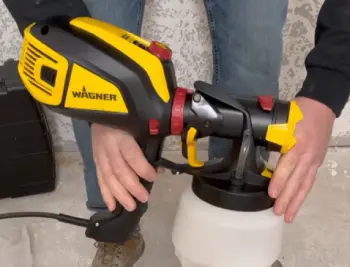
- X-Boost Turbine Power: Provided solid power for a wide range of materials. I sprayed stains and primers effectively without much hassle.
- Variable Speed and Pattern Control: Easy dial adjustments for air power and spray width. Perfect for switching between fine detail and broader coverage.
- Multiple Nozzles and Cups: Two main nozzles (fine and wide) plus quick-lock system let me tackle cabinets one minute and fences the next.
- 10X Faster Than Brushing: It cut my time dramatically on furniture and trim. An 8×10 wall took just minutes once dialed in.
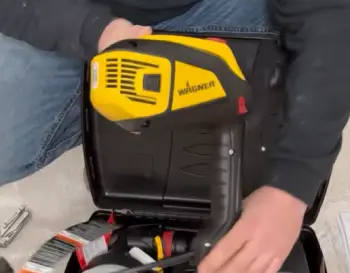
- Lightweight and Portable: Easy to carry around the house or yard, with a carrying case that kept everything organized.
Using it on my kitchen cabinets felt satisfying because the fine mist gave that factory-like smoothness.
Pros Of The Wagner Flexio 3500
- Affordable Entry Point: Great value for beginners or occasional users. I got solid results without breaking the bank.
- Smooth Atomization for Details: HVLP created a fine finish ideal for furniture, trim, and decorative pieces. Less texture than some airless sprayers.
- Easy to Use Right Away: Simple controls and quick setup. I was spraying effectively within an hour of unboxing.
- Versatile Material Compatibility: Handled paints, stains, enamels, and more. I used it successfully on both interior and exterior projects.
- Straightforward Cleanup: Disassembly was manageable, and parts cleaned up nicely with water or solvent.
Cons Of The Wagner Flexio 3500
- May Need Thinning: Thicker paints sometimes required dilution for best flow, adding a prep step I didn’t have with the Graco.
- Limited Angles: Not as forgiving when spraying overhead or in tight spots. I had to reposition more often.
- Overspray Management: HVLP can create more mist in windy conditions or large areas, so masking was essential outdoors.
- Less Power for Heavy Jobs: Struggled a bit with very thick coatings compared to airless systems. Better for medium projects.
- Durability Over Time: Some users noted wear after heavy use, though it held up fine for my moderate projects.
My Real User Experience Comparing Both
When I first unboxed the Graco TrueCoat 360, I was impressed by the thoughtful accessories like the pump armor and multiple tips.
Setting it up took minutes, and I jumped into painting my garage interior. The variable speed let me feather edges on trim perfectly, and the airless pump kept the paint flowing evenly.
No thinning meant I poured straight from the can into the bag—huge time saver. By the end of the day, the walls looked factory fresh, and cleanup was faster than expected.
Switching to the Wagner Flexio 3500 for my outdoor furniture and deck, I appreciated its lighter feel and precise control.
The turbine gave a beautiful mist on stained wood, and the pattern adjustments helped me coat spindles without heavy buildup. It felt more like using a high-end air tool.
However, on thicker exterior paint, I thinned it slightly for optimal results, and I had to watch the angle more carefully.
Both sprayers sped up my work dramatically compared to traditional methods, but the Graco edged out for overall versatility in my mixed indoor-outdoor projects.
I approached these as a busy homeowner, not a pro painter. The Graco won me over for bigger home refreshes because of its power and convenience with unthinned paint.
The Wagner shone on projects needing finesse and a softer finish. If you’re like me—tired of weekends lost to painting—these tools can transform how you tackle updates.
How They Perform On Different Projects?
For interior walls and ceilings, the Graco’s ability to spray any direction made quick work of awkward areas.
I finished a bedroom in under two hours with minimal touch-ups. The Wagner worked well too but required more careful passes to avoid unevenness on large flats.
On furniture and cabinets, Wagner’s fine spray patterns delivered that smooth, even coat I wanted. It minimized brush marks I used to fight. Graco also performed admirably here with the right tip, giving a durable finish.
Outdoor decks and fences favored the Graco for its robust pump handling stains and paints in varying weather. Wagner handled stains beautifully but needed calmer conditions to control overspray.
Trim and detail work split the difference: Graco for speed on long runs, Wagner for precision in corners.
Tips From My Testing For Better Results
Practice on cardboard or scrap first to dial in speed and distance. Keep the gun moving at a consistent pace—about 12-18 inches from the surface worked best for both.
Mask thoroughly, especially with the Wagner’s mist. Clean immediately after use to prevent clogs. For Graco, use the provided pump armor. For Wagner, disassemble nozzles promptly.
Wear proper gear—mask, goggles, gloves. Work in sections and maintain a wet edge for seamless blends. These habits turned good results into great ones across multiple weekends.
I always start with proper surface prep no matter which sprayer I use. Clean, sand, and mask thoroughly. For the Graco, I practice on cardboard first to dial in speed and distance—about 12 inches away works best for me. Keep motion steady and overlap passes by 50 percent.
With the Wagner, thinning is key. I follow the manual ratios and test spray on scrap.
The variable turbine helps, but starting at medium power prevents sputtering. Both tools reward practice, but once comfortable, they cut painting time dramatically compared to brushes and rollers.
Maintenance keeps them performing. I flush the Graco pump carefully after each use and store tips clean. For Wagner, I disassemble and rinse nozzles.
Which One Should You Choose?
After spending time with both, I lean toward the Graco TrueCoat 360 if you tackle multiple projects a year or want less prep with thick paints.
Its power and flexibility make it feel like a smarter long-term investment. The Wagner Flexio 3500 is fantastic if you’re starting out, focusing on detail-oriented jobs, or watching your budget closely.
It delivers impressive finishes for the price and remains a reliable choice for lighter use.
You know your painting habits best. Think about the scale of your projects, materials you use most, and how much time you want to spend prepping versus painting.
Either way, moving to a sprayer will change your home improvement game for the better.
Frequently Asked Questions (FAQ)
It depends on your needs. Graco often edges out for power and versatility with unthinned paints, while Wagner excels in affordability and fine finishes for detail work.
Yes, especially for homeowners doing regular projects. Its ease, consistent results, and any-angle spraying make it a solid investment that saves time and effort.
Absolutely for DIYers. It offers great value, quick coverage, and smooth results on many materials, making it a strong option for smaller to medium jobs.
Graco models like the TrueCoat series frequently rank high for reliability and performance in homeowner reviews, often praised alongside other top airless options.
In Wrapping This Up
I hope my experiences help you decide confidently. I went from dreading painting weekends to actually looking forward to the next refresh because these tools made the process faster and more enjoyable.
Whether you pick the Graco for its robust capabilities or the Wagner for its approachable style, you’ll wonder how you ever managed without a good sprayer.
Grab the one that matches your projects, practice a little, and enjoy the professional-looking results you can achieve at home. You’ve got this—your walls (and furniture) will thank you.
Recent Posts
● Interactive 5-Zone Interior & Exterior Paint Blueprint Paint Coverage Calculator: Gallons, Primer, Square Footage & Cost Tap any architectural surface zone on the blueprint...
If you want smooth, shiny hair without spending a fortune on a premium styling tool, the Ella Bella hair dryer may be worth considering.In these Ella Bella hair dryer reviews, I’ll look...