
If you want a fertilizer that gives you practical lawn feeding without making lawn care unnecessarily complicated, I think GreenView is worth considering.
After using it, I found its biggest appeal is the combination of convenient application, balanced lawn nutrition, and options designed for different turf needs.
I would recommend GreenView to homeowners who want greener, healthier-looking grass while still paying attention to application timing and quantity.
It is not a magic solution, but if you use the right GreenView formula for your lawn, it can become a dependable part of your routine.
My Personal Experience With GreenView Fertilizer
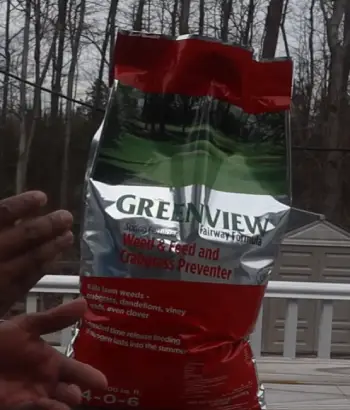
When I first started looking at GreenView fertilizer, I was mainly interested in one thing: could it actually help my lawn look healthier without requiring me to constantly fuss over it?
I have tried enough lawn products to know that a bag promising a greener lawn does not automatically translate into impressive results.
Fertilizer can work beautifully when the timing, application rate, watering, soil condition, and grass type all cooperate. Get those things wrong, and even a good fertilizer can disappoint.
That was the mindset I had when I began using GreenView.
The first thing I appreciated was the variety. GreenView isn’t built around just one generic fertilizer.
There are different formulations aimed at different lawn-care goals, including products designed for feeding, weed control, seasonal use, and particular lawn situations.
That made the brand more interesting to me because I could think about what my lawn actually needed instead of simply grabbing the first fertilizer on the shelf.
Application was fairly straightforward. I used a spreader rather than trying to distribute granules by hand, because even coverage matters.
I quickly realized that using more fertilizer isn’t a shortcut to a better lawn. In fact, overapplication can create problems, so I followed the product directions rather than guessing.
After application and proper watering, I started paying attention to the color and overall appearance of the grass.
The improvement wasn’t an overnight transformation, which I actually consider a positive sign. Instead, I noticed the lawn gradually looking better fed and more uniform.
What I liked most was the practicality. GreenView felt like a lawn-maintenance product rather than some miracle cure. It worked best when I combined it with mowing properly, watering consistently, keeping weeds under control, and paying attention to seasonal conditions.
Would I say it completely transformed my lawn on its own? No.
Would I use it again as part of a broader lawn-care routine? Yes.
My experience also taught me that expectations matter. If your soil is severely deficient, your grass is suffering from disease, or your lawn has major drainage problems, fertilizer alone won’t solve everything. But when the underlying conditions are reasonably good, GreenView can provide useful nutritional support and help you maintain a healthier-looking lawn.
That distinction is important because it is one of the biggest things I noticed while evaluating GreenView fertilizer.
Pros Of GreenView Fertilizer
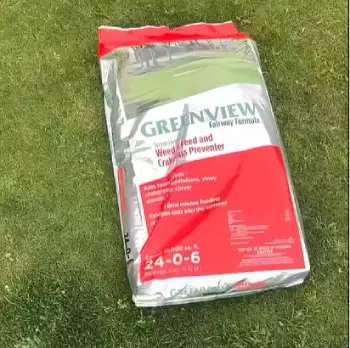
- Convenient for Routine Lawn Feeding
The biggest advantage for me is convenience. GreenView products are designed with ordinary homeowners in mind, so I don’t need to turn lawn care into a complicated project.
I can choose a formulation based on my objective, measure the recommended amount, apply it with a spreader, and water appropriately.
That simplicity matters when I’m trying to maintain a lawn consistently rather than perform occasional rescue missions.
- Helps Improve Lawn Color
When my grass actually needs nutrients, one of the most noticeable benefits is improved color.
A tired-looking lawn can become more attractive when nutrition is corrected. I particularly like this because the visual difference is easy to recognize. I don’t need specialized equipment to know whether the grass looks healthier.
- Multiple Formulation Options
This is another strong point.
Instead of forcing every homeowner into one fertilizer, GreenView offers different products for different lawn-care situations. That gives me more flexibility.
For example, someone maintaining an established lawn may have very different needs from someone trying to manage weeds while feeding turf.
- Easy to Use With a Spreader
I prefer granular fertilizer because I can distribute it across a larger lawn efficiently with a broadcast or drop spreader.
GreenView fits naturally into that type of lawn-care routine.
The key is calibration. I don’t simply fill the hopper and start walking. I make sure I understand the application rate first.
- Useful for Homeowners Who Want a Routine
I think GreenView makes the most sense for people who want a repeatable lawn-care routine.
If you’re the type of person who wants to fertilize at appropriate times, mow consistently, water when necessary, and monitor your lawn, GreenView can fit nicely into that system.
- Good Balance Between Effort and Results
I don’t want lawn care to consume my entire weekend.
That’s why I appreciate products that give me useful results without requiring excessive effort. GreenView offers that balance when I use the appropriate formulation correctly.
- Can Complement Broader Lawn Care
Another advantage is that fertilizer doesn’t have to be the centerpiece of my lawn strategy. I can use it alongside proper mowing, irrigation, aeration, overseeding, and weed management.
In other words, it fits into a bigger system.
- Helpful for Different Lawn Goals
I also appreciate that different formulas can target different objectives. Rather than thinking only about “green grass,” I can consider seasonal feeding, weed management, establishment, or general maintenance.
That makes the brand more versatile than a single-purpose fertilizer.
Cons Of GreenView Fertilizer
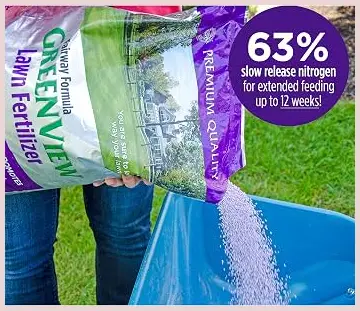
- Results Depend on Lawn Conditions
This is probably the most important drawback I noticed.
GreenView cannot fix every lawn problem.
If my soil is compacted, drainage is poor, the grass species isn’t suited to the environment, or the lawn is suffering from disease, adding fertilizer may not address the actual cause.
- Incorrect Application Can Cause Problems
More fertilizer isn’t better.
If I apply too much, I can potentially stress or damage turf and create unnecessary growth. That’s why I consider following the package directions essential.
- Requires Proper Timing
Fertilizer isn’t something I apply randomly whenever I remember.
Season, grass type, weather, soil conditions, and the particular formulation all matter. A product can be perfectly suitable while the timing is completely wrong.
- More Growth Can Mean More Mowing
This sounds like a strange criticism, but it’s real.
When grass becomes more vigorous, I may need to mow more frequently. If you prefer a very low-maintenance lawn, increased growth isn’t always an advantage.
- Not Every Formula Fits Every Lawn
Because GreenView offers multiple products, choosing the right one requires some attention.
I don’t see that as a major weakness, but beginners may find the choices confusing if they don’t understand what their lawn needs.
- Fertilizer Alone Isn’t Enough
This is worth repeating.
If you’re hoping to spread fertilizer and forget about your lawn for months, GreenView probably won’t meet that expectation.
A healthy lawn still needs appropriate mowing, water, sunlight, soil conditions, and weed management.
Maintenance Tips For GreenView Fertilizer
- Identify Your Grass First
Before I choose fertilizer, I try to understand what type of grass I have.
Different turf varieties have different growth patterns and seasonal preferences. A feeding schedule that works for one type may not be ideal for another.
If you’re unsure, take some time to identify your grass before buying fertilizer. That small step can prevent a lot of unnecessary experimentation.
- Read the Entire Product Label
I know reading fertilizer instructions isn’t exciting, but I don’t skip this step.
I check the recommended application rate, timing, watering instructions, coverage information, and any warnings.
I also pay attention to whether the product contains weed-control ingredients because those products may have additional application restrictions.
- Calibrate the Spreader
This is one of my most important tips.
A spreader isn’t automatically accurate just because it has a dial.
I calibrate it according to the product instructions whenever necessary and make sure I’m applying the intended amount.
That gives me much better consistency across the lawn.
- Avoid Overlapping Too Much
When I apply granular fertilizer, I try to walk in consistent passes.
Overlapping heavily can put too much product in certain strips of grass, creating uneven growth or potential damage.
I find it easier to divide the lawn mentally into sections and maintain a steady walking pattern.
- Water According to the Product Directions
Watering helps move nutrients into the soil where plant roots can access them.
I don’t flood the lawn unnecessarily. Instead, I follow the product instructions and adjust for current weather and soil conditions.
If rainfall is expected, I also consider that when planning an application.
- Don’t Fertilize a Stressed Lawn Without Understanding Why
If my lawn looks brown or weak, I don’t automatically assume it needs fertilizer.
Heat stress, drought, disease, insects, poor soil, and other problems can all produce similar symptoms.
I first try to identify the cause.
That simple habit can save money and prevent me from applying fertilizer when the lawn actually needs something else.
- Keep the Mower at an Appropriate Height
Mowing too short can put unnecessary stress on turf.
I prefer maintaining an appropriate mowing height for the grass variety rather than chasing an ultra-short appearance.
A little more leaf area can help the plant handle environmental stress more effectively.
- Keep Mower Blades Sharp
A dull blade tears grass rather than cutting it cleanly.
I check my mower blade periodically and sharpen or replace it when necessary.
This is a small maintenance task, but it contributes to the overall appearance of the lawn.
- Water Deeply Rather Than Constantly Shallow-Watering
I try to avoid creating a routine where the lawn receives tiny amounts of water every day without considering root development.
Depending on the grass and local conditions, deeper and appropriately timed watering can encourage healthier rooting.
Of course, watering requirements vary significantly with climate, soil, rainfall, and turf type.
- Aerate Compacted Soil
Fertilizer can’t perform optimally if soil conditions are severely restricting root growth.
If my lawn receives heavy foot traffic or the soil becomes compacted, aeration can help improve air and water movement through the root zone.
I consider aeration particularly useful for lawns that look thin despite reasonable feeding and watering.
Comparison Of GreenView Fertilizer With Other Brands
- GreenView vs Scotts
Scotts is one of the most recognizable names in consumer lawn care, so it’s an obvious comparison.
For me, the biggest difference isn’t simply which brand is “better.” It’s about formulation, availability, price, and what I’m trying to accomplish.
Scotts has a huge presence and a broad product range. GreenView can appeal to homeowners who want another established option with multiple lawn-care formulations.
If I already have a Scotts-based routine that works, I wouldn’t switch just for the sake of switching. But if I’m comparing products, I would look at the nutrient analysis and intended use rather than choosing based solely on brand recognition.
- GreenView vs Pennington
Pennington is another familiar lawn-care brand with products covering fertilizer, grass seed, and other lawn-maintenance needs.
When I compare Pennington with GreenView, I focus heavily on the specific formula.
One GreenView product may be more appropriate for my lawn than a particular Pennington product, while another Pennington formulation could be a better match.
That’s why I don’t believe brand-level comparisons tell the whole story. The individual fertilizer formula matters more.
- GreenView vs Milorganite
Milorganite has a distinct identity among lawn enthusiasts and is often associated with its slow-release nitrogen approach and characteristic application profile.
GreenView gives me more formulation variety for different lawn-care objectives.
If my priority is straightforward nutrient feeding, I compare the nutrient profiles, application rates, release characteristics, and cost per treated area.
For me, the choice depends more on how I want to feed the lawn than on which brand has the bigger reputation.
- GreenView vs The Andersons
The Andersons is well known among homeowners who pay close attention to granular lawn products and spreader application.
I see GreenView as a practical competitor because both can appeal to people who prefer granular lawn care.
When comparing them, I would examine granule size, nutrient analysis, coverage, application instructions, and whether the product is intended for my particular lawn situation.
Again, the specific product matters more than the logo on the bag.
Which Brand Would I Choose?
If I had to choose based purely on practicality, I wouldn’t declare one universal winner.
I’d choose the product that matches my grass type, lawn condition, season, desired outcome, and budget.
GreenView earns a place on my shortlist because it offers a practical range of lawn-care products and can work well when used correctly.
For someone who wants a simple, repeatable feeding routine, that’s a meaningful advantage.
Also Read: Is Proven Winners Fertilizer Worth It?
Frequently Asked Questions (FAQ)
Yes. GreenView can be a good choice when you select the appropriate formulation and apply it correctly.
There is no single best fertilizer for every lawn. The best choice depends on grass type, soil, season, and lawn needs.
GreenView, Scotts, and Pennington are three widely recognized lawn-fertilizer brands worth comparing.
There isn’t one universal winner. GreenView, Scotts, Pennington, Milorganite, and The Andersons can all be suitable depending on your lawn-care goals.
Final Verdict
After using and evaluating GreenView fertilizer, I see it as a practical option rather than a miracle product.
I like its variety, straightforward application, and ability to fit into a regular lawn-care routine. If you want greener, healthier-looking turf and you’re willing to apply fertilizer responsibly, I think GreenView is worth buying.
Just remember that the best results come from choosing the right formulation and combining it with proper mowing, watering, soil care, and seasonal maintenance.
Recent Posts
I tried Meltoway Hair Dissolving Cream because I wanted a quick way to deal with unwanted body hair without reaching for a razor every few days. If you are looking for a convenient at-home...
If you’re considering a saffron-based supplement to support mood, appetite control, and everyday wellness, Happy Saffron Plus is worth considering.I like that it takes a familiar botanical...