
If you want an electric scooter for short commutes, neighborhood rides, or everyday fun, a Gyroor electric scooter may be worth considering.
I like the idea of having a compact, battery-powered ride that can make quick trips easier without relying on a car.
However, before buying one, I would look closely at battery life, motor power, rider weight limits, braking performance, and replacement-part availability.
Gyroor offers different scooter styles, so choosing the right model matters more than simply choosing the brand.
My First Experience With The Gyroor Electric Scooter
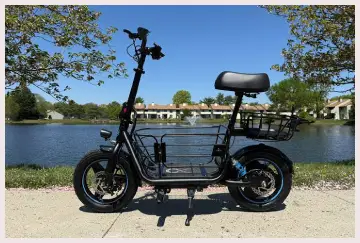
When I evaluate a Gyroor electric scooter, I look at how it fits into everyday life rather than focusing only on advertised speed or appearance.
A scooter might look impressive in product photos, but what really matters is whether it feels comfortable, handles predictable roads, and delivers dependable performance.
I haven’t personally completed long-term, hands-on testing of every Gyroor model, so I wouldn’t claim that I have ridden all of them.
Instead, I assess the brand by considering the features buyers should examine, the practical benefits of electric scooters, and the potential drawbacks that can affect ownership.
One thing that attracts me to electric scooters is their relatively compact design. Depending on the model, a Gyroor scooter may suit riders who want a personal electric vehicle for short trips, recreational riding, or getting around a large property.
I would check the frame construction, handlebar comfort, deck size, and overall weight before purchasing. A sturdy frame is important because the scooter must support the rider while handling bumps and changes in direction. The deck should provide enough room for a comfortable stance, especially if you plan to ride regularly.
Portability deserves equal attention. If you need to carry your scooter upstairs, store it in a small apartment, or lift it into a vehicle, a heavy model can quickly become inconvenient. A folding design can help, but you should confirm whether the particular model actually folds and how easy it is to transport.
Pros Of Gyroor Electric Scooters
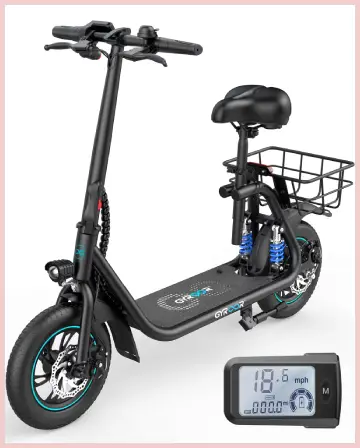
- Convenient Transportation for Short Trips
One of the main advantages of an electric scooter is convenience. If your destination is relatively close, you may be able to avoid taking a car for every small errand.
I can see the appeal for trips around a neighborhood, rides within a large property, or journeys between nearby destinations where local rules permit electric scooters.
The compact format can make parking and storage easier than with larger personal vehicles.
However, I would consider the complete journey before buying. If your route includes busy roads, rough sidewalks, steep hills, or areas where scooters aren’t permitted, another form of transportation may be more suitable.
- Battery-Powered Riding
Gyroor electric scooters use electric power rather than gasoline, which means you don’t need to refuel them like conventional motor vehicles.
Charging at home can be convenient, particularly if you have a safe, suitable charging location. Electricity costs may also be lower than the fuel expenses associated with a car or motorcycle for comparable short trips.
Still, an electric scooter isn’t completely maintenance-free. Batteries gradually lose capacity, electrical components can fail, and tires and brakes require attention. I would consider those long-term expenses rather than comparing purchase prices alone.
- Potentially Budget-Friendly Ownership
If you need an affordable way to travel short distances, an electric scooter may help reduce some transportation expenses.
You generally don’t need gasoline, and routine maintenance may be simpler than maintaining a car. Depending on your local regulations, you might also avoid some vehicle-related expenses associated with larger motorized transportation.
However, the actual savings depend on how often you ride, how much the scooter costs, and whether you need replacement batteries or specialized repairs.
I would compare the total cost of ownership rather than assuming the cheapest model offers the best value. A scooter with reliable parts availability and a suitable warranty may be a better purchase than a cheaper alternative that becomes difficult to repair.
- Compact Storage
Many buyers appreciate scooters because they don’t require the same amount of storage space as bicycles, motorcycles, or cars.
Depending on the design, a Gyroor scooter may fit into a garage, storage area, or apartment more easily than a larger vehicle. If the model folds, that feature may make transportation and storage more manageable.
Before purchasing, I would measure the intended storage area and check the scooter’s actual dimensions. I would also consider its weight. A compact scooter can still be awkward to lift if its frame and battery are heavy.
- Options for Different Riding Needs
One benefit of considering a product range rather than a single model is that you can compare features and choose what suits your circumstances.
Some electric scooters prioritize portability, while others focus more on power, stability, or recreational use. Gyroor also offers different types of personal electric transportation, so I would confirm that the product is actually a conventional electric scooter rather than another category of electric ride.
My advice is simple: choose the model based on how you plan to use it. A scooter for occasional neighborhood rides doesn’t necessarily need the same specifications as one intended for a daily commute.
Cons Of Gyroor Electric Scooters
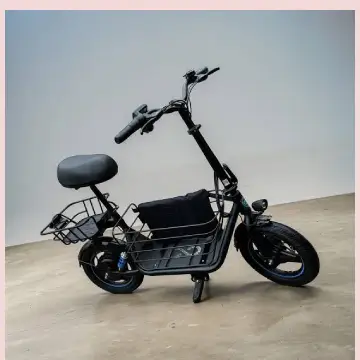
- Advertised Range May Be Optimistic
The advertised range is one of the first specifications I would question. Manufacturers commonly calculate range under specific conditions, and everyday riding may produce different results.
Heavier riders, steep hills, cold weather, high speeds, and frequent acceleration can reduce battery range. Over time, normal battery aging may also mean fewer miles per charge.
My recommendation is to choose a scooter with more range than you expect to need. That extra capacity can make everyday use less stressful and reduce the risk of running out of battery before reaching your destination.
- Performance Varies by Model
Not every electric scooter is suitable for every route. A model designed for flat neighborhood streets may struggle with steep inclines or feel underpowered when carrying a heavier rider.
I would examine the motor specifications, rated climbing ability, rider weight limit, and wheel design before making a decision.
I would also avoid assuming that a higher advertised motor rating automatically guarantees better real-world performance. The battery, controller, overall weight, and design all influence how a scooter performs.
- Repair and Replacement-Part Concerns
Long-term repairability is an important consideration for any lesser-known or budget-focused electric scooter brand.
Before buying, I would investigate whether replacement tires, chargers, batteries, brake components, and other model-specific parts are available. I would also check the warranty terms and the process for obtaining technical support.
A low purchase price can become less attractive if a relatively small failure makes the scooter unusable for weeks.
I wouldn’t automatically assume that Gyroor has poor support, but I would verify the support options available in my country before committing to a purchase.
- Limited Comfort on Rough Surfaces
Small scooter wheels can react sharply to potholes, gravel, uneven pavement, and other road imperfections.
Even when a scooter has suspension, it may not provide the comfort or stability of a larger vehicle designed for rough terrain.
I would choose a route with smooth surfaces whenever possible and avoid treating a standard electric scooter like an off-road vehicle unless the manufacturer specifically designs it for that purpose.
- Weather and Water Limitations
Electric scooters contain electrical components that can be damaged by water. The level of protection varies between models, so I wouldn’t assume that a Gyroor scooter is waterproof or suitable for heavy rain.
Wet surfaces can also reduce tire grip and increase braking distances.
If you live in an area with frequent rain, I would check the exact water-resistance rating and manufacturer’s riding restrictions. I would avoid riding through standing water and never assume that a scooter can be safely washed with a hose.
Maintenance For Gyroor Electric Scooters
- Charge the Battery Correctly
Battery care is one of the most important parts of electric scooter ownership.
I would use only the charger approved for the specific scooter and avoid experimenting with chargers that have different voltage or connector specifications An incompatible charger can damage the battery or create a safety hazard.
I would also follow the manufacturer’s instructions about charging intervals and storage charge levels.
Lithium-ion batteries generally benefit from avoiding prolonged storage at a completely empty or fully charged state, but the exact recommendations should come from the manufacturer.
I would charge the scooter in a dry, well-ventilated location, away from combustible materials, and never leave it charging in a way that contradicts the manual.
If the battery becomes unusually hot, swollen, damaged, or produces a strange odor, I would stop using and charging it and seek qualified assistance.
- Inspect the Tires Before Riding
Tires influence traction, stability, comfort, and braking performance.
Before a ride, I would look for visible cuts, cracks, embedded objects, or signs of excessive wear. If the scooter uses pneumatic tires, I would check pressure according to the manufacturer’s specifications.
Incorrect tire pressure can affect handling and may increase the risk of a puncture or other tire problem. Solid tires have different maintenance requirements, but they still need inspection for wear and damage.
I would replace a damaged tire promptly rather than continuing to ride and hoping the problem doesn’t worsen.
- Keep the Brakes in Good Condition
Reliable brakes are essential for controlling an electric scooter.
I would test the brakes at low speed in a safe location before using the scooter in traffic or around pedestrians. I would pay attention to unusual noises, weak stopping power, excessive lever movement, or inconsistent braking.
Different models may use disc, electronic, drum, or other braking systems, so I would follow the relevant maintenance instructions rather than applying one adjustment method to every scooter.
If the brakes feel unreliable or a warning indicator appears, I would stop riding until the problem has been inspected and corrected.
- Clean the Scooter Carefully
Regular cleaning can help prevent dirt from accumulating around moving parts and electrical connections.
I would use a soft cloth and a small amount of suitable cleaning solution, following the manufacturer’s instructions. I would avoid pressure washers, aggressive chemicals, and direct water exposure around charging ports, displays, connectors, and other sensitive components.
Before cleaning, I would turn off the scooter and disconnect the charger. I would also make sure the scooter is dry before charging or riding it again.
After dusty rides, I would inspect the wheels, folding mechanism, and visible fasteners for accumulated dirt.
- Check Bolts, Handlebars, and the Folding Mechanism
Repeated riding can place stress on mechanical components. Vibrations may loosen fasteners over time, particularly if the scooter is used frequently on uneven surfaces.
I would periodically inspect the handlebars, stem, deck, wheel assemblies, and folding mechanism for looseness or visible damage.
If the manufacturer specifies torque settings, I would follow them instead of tightening everything as hard as possible. Over-tightening can damage components just as under-tightening can create a safety issue.
A folding mechanism should lock securely before every ride. If the stem moves unexpectedly or the locking mechanism feels unreliable, I would stop using the scooter until it has been repaired.
- Protect the Scooter From Extreme Temperatures
Heat and cold can affect battery performance and long-term battery health.
I would avoid leaving the scooter in direct sunlight for extended periods or storing it in a vehicle that becomes extremely hot. In cold conditions, I would expect the usable range to decrease and follow the manual’s charging-temperature requirements.
I would never charge a battery outside the permitted temperature range. If the scooter has been stored in very cold conditions, I would allow it to reach an appropriate temperature before charging, as instructed by the manufacturer.
When storing the scooter for an extended period, I would check the recommended battery charge level and inspect it periodically.
Comparison Of Gyroor Electric Scooter With Other Brands
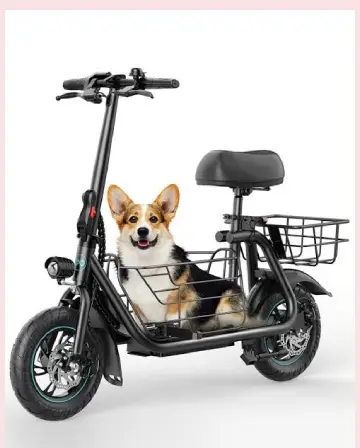
- Gyroor vs. Segway-Ninebot
Segway-Ninebot is worth considering if you want to compare a Gyroor scooter with a widely recognized electric-scooter product range.
I would look at the exact model’s range, motor output, braking system, ride comfort, warranty, and replacement-part availability.
Segway-Ninebot has a broad scooter lineup, but features and service options differ by model and region.
Gyroor may appeal to buyers who find a particular model’s price and features attractive. Segway-Ninebot may be preferable to someone who values a specific established model, its available accessories, or the support options in their area.
I wouldn’t declare either brand the automatic winner. I would compare two similarly priced models and prioritize dependable performance over brand recognition alone.
- Gyroor vs. Xiaomi
Xiaomi is another brand I would consider when evaluating a commuter scooter.
For everyday travel, I would compare weight, folding convenience, real-world range, braking performance, tire design, and the availability of local service. Those features can have a greater effect on daily satisfaction than minor differences in appearance.
A Xiaomi scooter may be appealing if a suitable model and support network are available locally. Gyroor may also be a reasonable option if its specifications fit your needs and the seller offers dependable warranty support.
Before buying either one, I would verify that replacement parts and authorized repairs are realistically accessible in my location.
- Gyroor vs. Gotrax
Gotrax is a useful comparison for buyers looking at practical personal transportation.
I would evaluate the two brands on entry-level pricing, motor performance, rider weight capacity, portability, and warranty conditions. A scooter that costs less initially may not provide the best value if it has a shorter usable range or expensive replacement parts.
The most important question is what you expect from your scooter. For occasional short rides, a simple and affordable model may be sufficient. For frequent commuting, I would give greater weight to battery capacity, ride comfort, braking, and service availability.
Rather than assuming one brand is universally better, I would compare the precise models and check their current specifications.
- Gyroor vs. Hiboy
Hiboy is another option worth comparing with Gyroor when shopping for a personal electric scooter.
I would begin with the intended riding environment. If you mainly use smooth pavement, portability and sufficient range may be the biggest priorities. If your route includes moderate inclines or uneven surfaces, I would pay closer attention to motor performance, wheel design, suspension, and braking.
I would also examine the warranty, customer-support process, and replacement-part availability for both brands.
For me, the better purchase is the scooter that meets my needs without requiring unnecessary compromises. A slightly more expensive model may be worthwhile if it provides meaningful improvements in comfort, serviceability, and practical range.
Which Brand Would I Choose?
I wouldn’t choose a scooter based on its logo alone. I would start by deciding how far I need to travel, how much weight the scooter must support, and whether I need to carry it regularly.
Next, I would shortlist models with appropriate range, braking performance, and maximum speed. Finally, I would compare the total price, warranty, and availability of replacement components.
Gyroor deserves consideration if a particular model meets these requirements at a reasonable price. However, I would choose another brand if it offered a substantially better fit, stronger local support, or features that made everyday riding safer and more convenient.
Also Read: Is Heybike Cityscape 2.0 Worth It?
Frequently Asked Questions (FAQ)
Gyroor may be a suitable option for recreational riding and short trips, provided the specific model offers reliable performance, appropriate safety features, and adequate warranty support.
Gyroor is commonly associated with Chinese-manufactured electric mobility products. For definitive corporate ownership and registration details, check the information provided by the manufacturer.
There is no single universally trusted brand. Segway-Ninebot, Xiaomi, and other established manufacturers are worth comparing based on safety, reliability, warranty coverage, and local service availability.
A full charge may provide different ranges depending on the model and riding conditions. The battery itself can last several years, but its lifespan depends on usage, charging habits, storage, and temperature.
Wrapping Up
I would consider a Gyroor electric scooter if I wanted convenient transportation for short trips or enjoyable recreational rides without spending unnecessarily.
However, I would check the exact model’s range, motor performance, brakes, warranty, and replacement-part availability before buying.
If those features meet your needs, Gyroor could be a practical option. If you plan to commute long distances or ride on challenging roads, compare commuter-focused alternatives first.
My recommendation is to buy the model that fits your route, budget, and safety requirements—not simply the one with the most attractive advertised specifications.
Recent Posts
● Interactive 5-Zone Interior & Exterior Paint Blueprint Paint Coverage Calculator: Gallons, Primer, Square Footage & Cost Tap any architectural surface zone on the blueprint...
If you want smooth, shiny hair without spending a fortune on a premium styling tool, the Ella Bella hair dryer may be worth considering.In these Ella Bella hair dryer reviews, I’ll look...