
If I were looking for a drug-free way to address thinning hair, the HairMax Ultima 12 LaserComb would be a device worth considering.
It uses low-level laser therapy to support hair growth, making it an option for people who want to improve hair density without relying solely on topical treatments.
However, results can vary, and it requires consistent use over several months.
I would recommend considering it if you have hereditary hair thinning, realistic expectations, and the patience to follow a regular treatment routine.
My First Experience With The HairMax Ultima 12 LaserComb
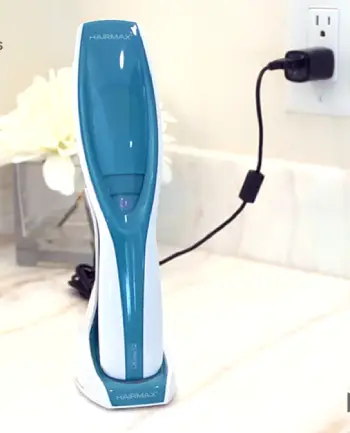
When I evaluate a hair growth device, I look beyond its marketing claims.
I want to know whether it is practical to use, whether its technology makes sense, and whether the potential results justify the cost.
The HairMax Ultima 12 LaserComb caught my attention because it offers a different approach from traditional hair growth products such as shampoos, oils, and scalp serums.
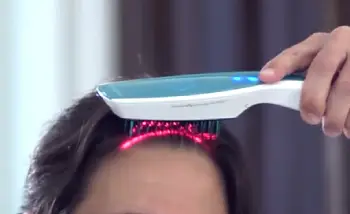
The first thing I notice about this type of device is its design. Unlike a regular comb, the Ultima 12 uses laser light as part of its treatment process.
The comb-like structure helps guide the device across the scalp, allowing the light to reach different areas of thinning hair.
That design may appeal to someone who wants a home treatment rather than frequent clinic appointments.
I would treat the HairMax Ultima 12 as a long-term hair care commitment rather than a quick fix.
Hair grows in cycles, so even a promising treatment cannot produce a full head of thicker hair overnight. The follicles need time to respond, and visible changes may take months.
One practical advantage is that I can use a home device without arranging regular appointments. However, convenience does not automatically mean the treatment is effortless.
I would still need to follow the manufacturer’s instructions, move the comb carefully across the designated areas, and remember each scheduled session.
I would also take baseline photographs before beginning treatment. Hair thinning can progress so gradually that it becomes difficult to judge changes by looking in the mirror every day.
Comparing photographs taken under similar lighting conditions could give me a more realistic picture of whether the treatment is helping.
I would not expect the Ultima 12 to restore every area of lost hair. Low-level laser therapy is intended to support hair growth, and some studies suggest that certain laser devices can improve hair density in people with androgenetic alopecia, commonly called hereditary pattern hair loss.
However, the results are not guaranteed. Some users may notice less visible thinning or modest improvements in hair density, while others may see little difference. The cause of hair loss also matters. Hereditary thinning is different from hair loss caused by nutritional deficiencies, thyroid problems, medication, inflammation, or other medical conditions.
That distinction is important because a laser comb is not a universal solution. If I were experiencing sudden shedding, patchy bald spots, or unexplained hair loss, I would consult a healthcare professional before investing in a device.
Pros Of The HairMax Ultima 12 LaserComb
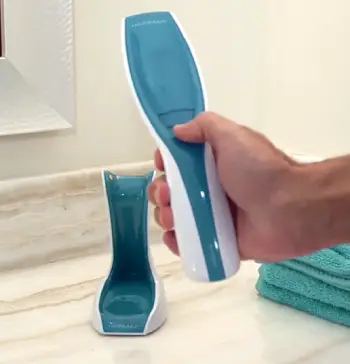
- A Non-Drug Approach to Hair Thinning
One of the strongest selling points is that the device uses light rather than a topical medication or oral drug as its primary treatment method.
That can appeal to people who prefer exploring non-pharmaceutical options or who want to discuss alternatives with their healthcare professional.
It also avoids the need to apply a liquid or foam to the scalp during every treatment session.
However, non-drug does not mean risk-free or appropriate for everyone. I would still check the manufacturer’s safety instructions and consult a clinician if I had a relevant medical condition or concern about using laser-based equipment.
- Convenient Home Treatment
I like the idea of managing a treatment routine at home instead of arranging repeated clinic visits. For someone with a busy schedule, a home device may be easier to incorporate into existing personal care habits.
The comb format is also relatively straightforward in concept. Rather than applying a product across the scalp, I would follow the manufacturer’s specified pattern and treatment duration.
Convenience is valuable only when the routine is manageable, though. If I regularly forget sessions or use the device incorrectly, I cannot reasonably expect the best possible outcome.
- No Daily Topical Product Application
Some hair growth products require regular application and can leave the scalp feeling greasy or make styling more complicated. A laser comb offers an alternative that does not require coating the hair with a serum.
This may be particularly appealing to people who dislike residue or prefer keeping their existing shampoo and styling routine unchanged.
Still, I would not assume that the device can replace every other treatment. A dermatologist may recommend combining approaches depending on the diagnosis, evidence, and individual circumstances.
- Potential Support for Hair Density
Low-level laser therapy has some clinical evidence supporting its use for androgenetic alopecia. Certain studies of low-level light devices have reported improvements in hair density compared with control treatments.
This gives the technology a stronger basis than products relying exclusively on vague promises or unverified ingredient claims.
However, evidence for one laser device cannot automatically be transferred to every other device. The treatment design, wavelength, power, exposure schedule, and study quality all matter. I would look for evidence that closely matches the specific product and intended use.
- A Drug-Free Addition to a Broader Routine
I would view the Ultima 12 as one possible component of a hair loss management plan. A healthcare professional might help determine whether it makes sense alongside other treatments, including clinically established options.
This approach is more realistic than expecting a single device to solve every hair concern. Hair density can be affected by genetics, age, hormonal changes, medical conditions, and general health.
A well-chosen treatment plan begins with identifying the cause rather than purchasing multiple products and hoping that something works.
- Encourages Consistent Hair Care Monitoring
Using a dedicated device can encourage me to establish a regular routine and pay closer attention to changes in my scalp and hair.
I would record when I started treatment, how often I used the device, and whether I noticed irritation or other changes. Monthly photographs could help me compare progress more objectively.
That information would also be useful during a medical appointment if I needed to discuss whether the treatment was helping.
Cons Of The HairMax Ultima 12 LaserComb
The Ultima 12 has potential benefits, but I would not overlook its limitations. A balanced review needs to consider the time, cost, uncertainty, and practical responsibilities involved.
- Results Are Not Guaranteed
The biggest drawback is uncertainty. Some people may respond to low-level laser therapy, while others may see limited or no visible improvement.
The outcome depends partly on the cause and severity of hair loss, the condition of the follicles, treatment consistency, and individual response. Even a well-designed device cannot guarantee thicker hair.
I would be cautious about dramatic before-and-after photographs because lighting, hair length, styling, and camera angles can make thinning appear more or less noticeable.
- It Requires Patience
Hair regrowth is a gradual process. It may take several months to evaluate whether a treatment is producing a meaningful change.
That can be frustrating when I want a quick improvement in my appearance. Someone expecting noticeable results within a week or two may feel that the device is not worth the effort.
I would set expectations before starting and avoid making a final judgment based on a few early sessions.
- The Purchase Price May Be Difficult to Justify
A specialized laser comb may cost considerably more than ordinary hair care products. The price can be a major obstacle, especially if the device produces only modest benefits.
Before purchasing, I would compare the total cost with other options, including professional assessment and evidence-supported treatments. I would also check the warranty, return policy, and eligibility requirements rather than assuming a purchase can be returned after use.
- Consistency Is Essential
Owning the device is not the same as using it correctly. Treatment schedules and positioning instructions need to be followed as specified by the manufacturer.
If I skip sessions frequently or shorten treatment time without guidance, I may reduce the likelihood of obtaining the intended benefit.
This is especially relevant for people who already have difficulty maintaining regular personal care routines.
- It Does Not Address Every Cause of Hair Loss
A laser comb cannot be assumed to correct nutritional deficiencies, hormonal disorders, scalp infections, autoimmune hair loss, or medication-related shedding.
Using the wrong treatment may delay an accurate diagnosis. Sudden hair loss, significant scalp inflammation, or rapidly developing bald patches deserve medical attention rather than an extended trial of a home device.
It May Not Be Suitable for Everyone
Laser-based devices have specific safety instructions. I would review the manual carefully and ask a healthcare professional about suitability if I had a condition, medication, or other factor that could affect safe use.
I would never point laser equipment toward my eyes or ignore a warning because the device is marketed for home use.
Maintenance Tips For The HairMax Ultima 12 LaserComb
- Clean the Device According to the Manual
I would check the manufacturer’s instructions before cleaning any part of the Ultima 12. Different devices can have different requirements, and using the wrong cleaning product may damage components.
If the manual permits surface cleaning, I would use the recommended method and avoid allowing moisture to enter openings or electronic components. I would never submerge the device unless the manufacturer explicitly states that doing so is safe.
I would also make sure the device is switched off and disconnected from its power source, where applicable, before cleaning it.
- Keep the Laser Area Free From Debris
Hair, dust, and styling product residue can accumulate around a device’s comb structure. I would inspect the treatment area regularly and remove debris only using an approved method.
I would avoid sharp tools, abrasive brushes, and aggressive scraping. These could damage sensitive surfaces or interfere with the device’s proper operation.
A quick inspection after use is often easier than trying to remove accumulated residue later.
- Store It in a Dry, Protected Place
I would store the laser comb in a clean, dry location away from direct sunlight, excessive heat, and damp environments.
A protective case can help prevent accidental drops, scratches, and dust accumulation. I would also keep the device somewhere children cannot access it without supervision.
Proper storage is a simple way to reduce avoidable damage and keep the device ready for its next session.
- Inspect the Device Before Each Session
Before using it, I would check for visible damage, loose components, unusual sounds, or signs that the device is not operating normally.
If I noticed damage or a persistent warning indicator, I would stop using it and consult the manufacturer rather than attempting an improvised repair.
I would never continue using equipment that appears damaged simply because I had already paid for it.
- Follow the Recommended Treatment Schedule
Maintenance includes maintaining the treatment routine itself. I would use the exact schedule and duration specified for the Ultima 12 rather than assuming that longer or more frequent sessions would produce faster results.
More exposure is not automatically better. I would not modify the treatment schedule without professional advice or clear manufacturer guidance.
A calendar reminder can make it easier to stay consistent without turning hair care into a daily source of stress.
Comparison Of HairMax Ultima 12 LaserComb With Other Brands
- HairMax Ultima 12 vs. Capillus Laser Caps
A comb-style device compared with a wearable laser cap.
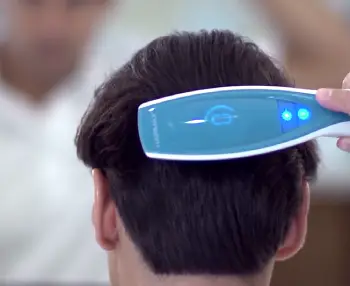
The HairMax Ultima 12 uses a comb-style design that the user moves across the scalp according to the prescribed routine.
Capillus products use wearable caps containing light-emitting components, allowing treatment without manually moving a comb over each area.
I would prefer the comb format if I wanted a handheld device and did not mind following a defined movement pattern.
A cap might appeal more to someone who prefers wearing a device during treatment rather than manually guiding it.
However, neither format is automatically more effective. I would compare the evidence for the specific model, treatment duration, fit, warranty, and total cost before deciding.
- HairMax Ultima 12 vs. iRestore Laser Devices
Manual treatment versus a wearable helmet-style system. iRestore offers wearable devices designed to deliver light treatment over the scalp.
Compared with the Ultima 12, a wearable system may provide broader coverage without requiring the user to move a comb manually.
The trade-off is that a helmet-style device may be bulkier and can cost more, depending on the model. A handheld comb may be easier to store, but it requires careful positioning during use.
I would not choose between them based on the number of lights alone. Device design, actual treatment specifications, safety information, and relevant clinical evidence are more useful decision factors.
- HairMax Ultima 12 vs. Minoxidil
Minoxidil is a well-established hair loss treatment available in topical formulations and, in some circumstances, oral formulations prescribed by clinicians.
It differs fundamentally from the Ultima 12 because it uses a medication rather than light-based treatment.
For hereditary pattern hair loss, topical minoxidil has substantial clinical experience behind it. However, it may cause scalp irritation or other side effects, and its suitability depends on the individual.
I would consider minoxidil if I wanted an established medication option and was comfortable following its application instructions. The Ultima 12 might be worth discussing if I preferred a non-drug approach or wanted to explore light therapy.
I would not assume that one is universally superior. A dermatologist can help determine whether either option—or a combination—is appropriate.
- HairMax Ultima 12 vs. Rosemary Oil and Hair Growth Serums
Rosemary oil and cosmetic hair serums appeal to people who prefer topical or plant-based products. They can differ considerably in formulation, quality, and the evidence supporting their claims.
Some preliminary research has explored rosemary oil for hair loss, but the evidence base is more limited than that for established treatments such as topical minoxidil. Cosmetic serums may improve hair feel or reduce breakage without necessarily stimulating new growth.
The Ultima 12 offers a different approach, but it also requires consistent use and a financial commitment.
I would avoid comparing these products solely by their marketing promises. Instead, I would ask whether the product has credible evidence for my specific type of hair loss and whether its benefits justify the cost.
Frequently Asked Questions (FAQ)
Some clinical evidence supports low-level laser therapy for hereditary pattern hair loss, but results vary, and regrowth is not guaranteed.
There is no single best product for everyone. Topical minoxidil is an established option for many people with pattern hair loss.
Clinicians may consider laser therapy a reasonable option for selected patients, but they emphasize realistic expectations, appropriate diagnosis, and evidence for the specific device.
Any benefit may gradually diminish over time. Hair loss may resume according to its underlying cause and natural progression.
Wrapping Up
I would consider the HairMax Ultima 12 LaserComb if I wanted a home-based, non-drug option for hereditary hair thinning and understood that results would take time.
Its light-based technology has some supporting clinical evidence, but it cannot guarantee regrowth or replace treatment for underlying medical causes.
Before buying, I would compare its cost, instructions, and evidence with other options and consult a dermatologist when needed.
For the right person, it may be worth considering—but realistic expectations are essential.
Recent Posts
● Interactive 5-Zone Interior & Exterior Paint Blueprint Paint Coverage Calculator: Gallons, Primer, Square Footage & Cost Tap any architectural surface zone on the blueprint...
If you want smooth, shiny hair without spending a fortune on a premium styling tool, the Ella Bella hair dryer may be worth considering.In these Ella Bella hair dryer reviews, I’ll look...