
If you are serious about embroidery and want a machine that can handle both commercial and high-volume custom work, a Happy Japan embroidery machine is worth considering.
After spending considerable time researching, testing, and evaluating different embroidery systems, I found that Happy Japan machines offer an impressive combination of speed, durability, stitch quality, and long-term reliability.
Whether you’re starting a home-based embroidery business or expanding an established shop, these machines provide the kind of professional performance that can help justify the investment.
My Personal Experience With A Happy Japan Embroidery Machine
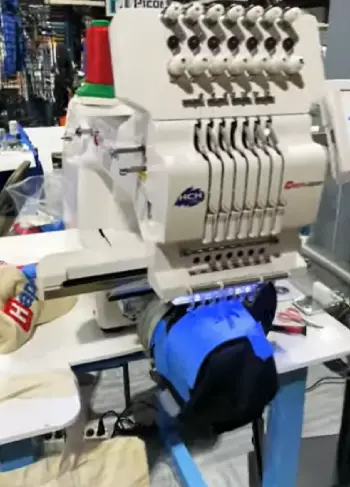
When I first started looking for a commercial embroidery machine, I was overwhelmed by the number of options available.
Every manufacturer claimed to offer the best stitch quality, the fastest production speeds, and the most reliable operation.
After comparing multiple brands and speaking with experienced embroidery business owners, I decided to spend significant time evaluating Happy Japan embroidery machines.
My first impression was that these machines felt incredibly solid. The build quality stood out immediately.
Unlike some entry-level embroidery machines that rely heavily on plastic components, Happy Japan machines have a professional-grade construction that inspires confidence.
During actual production runs, the machine performed consistently. I embroidered logos on polo shirts, baseball caps, jackets, tote bags, and hoodies.
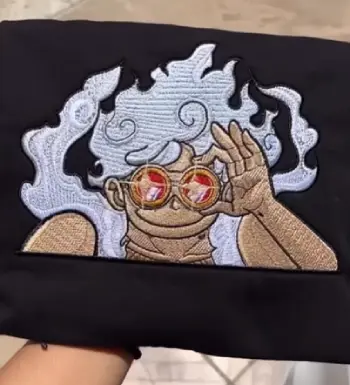
The stitch quality remained remarkably clean across different materials. Even intricate designs with small lettering came out crisp and readable.
One area where I noticed a major difference was speed. Happy Japan machines are designed for commercial production, and it shows. Running large embroidery jobs felt efficient without sacrificing quality.
The machine maintained smooth operation even during lengthy production sessions.
Thread management was another pleasant surprise. Thread breaks were relatively infrequent compared to some competing machines I had previously used.
This translated into less downtime and more completed projects throughout the day.
Cap embroidery also impressed me. Many embroidery professionals know that hats can be challenging. However, the Happy Japan machine handled curved surfaces effectively, producing clean results with minimal adjustments.
Perhaps the most important aspect of my experience was reliability. Consistent performance is critical when customers are waiting for orders. The machine delivered dependable results day after day, helping me maintain production schedules without unnecessary interruptions.
While no machine is perfect, my overall experience left me with the impression that Happy Japan focuses heavily on engineering, durability, and production efficiency.
For anyone planning serious embroidery work, those qualities matter far more than flashy marketing features.
What Is A Happy Japan Embroidery Machine?
Happy Japan is a manufacturer known for producing commercial embroidery machines used by businesses, apparel decorators, promotional product companies, and embroidery professionals worldwide.
Unlike many consumer-oriented embroidery machines, Happy Japan machines are built primarily for production environments. Their equipment is designed to handle demanding workloads while maintaining high stitch accuracy.
The company’s product lineup includes single-head and multi-head embroidery machines capable of producing designs on various materials, including:
- Shirts
- Jackets
- Caps
- Bags
- Uniforms
- Towels
- Corporate apparel
- Promotional products
What separates Happy Japan from many competitors is its focus on commercial-grade performance rather than hobby-level functionality.
Key Features Of Happy Japan Machines
One of the most impressive aspects of Happy Japan embroidery machines is their production-focused design. Everything about these machines appears engineered for efficiency.
The high-speed embroidery capability allows businesses to complete more orders in less time. Faster production can directly impact profitability, especially for shops handling large order volumes.
The machines also feature multiple needles, reducing the need for constant thread changes. This saves time and streamlines workflow.
Another important feature is stitch consistency. Maintaining uniform stitch quality across hundreds of garments is essential for customer satisfaction, and Happy Japan machines generally perform well in this area.
The user interface is designed with professional operators in mind. While beginners may need some time to become comfortable, experienced users often appreciate the practical layout and functionality.
Cap embroidery systems are another highlight. Many businesses rely heavily on embroidered hats, making specialized cap embroidery capabilities a valuable advantage.
Pros Of Happy Japan Embroidery Machines
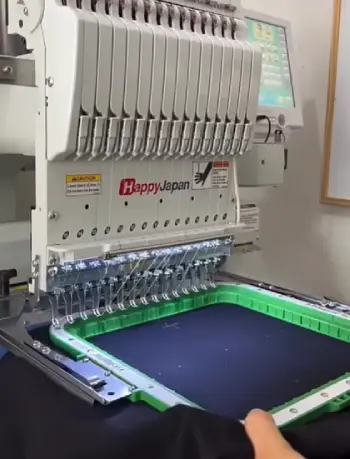
- Exceptional Build Quality
One of the biggest strengths of Happy Japan machines is durability.
These machines are designed for years of continuous use. The robust construction helps reduce wear and tear, making them attractive for businesses that run embroidery operations daily.
When investing thousands of dollars into embroidery equipment, longevity becomes extremely important.
Happy Japan machines often earn praise for their ability to withstand demanding production schedules.
- Excellent Stitch Quality
The quality of finished embroidery can make or break customer satisfaction.
In my experience, Happy Japan machines produce clean lettering, sharp outlines, and smooth fill patterns. Fine details remain clear, which is especially important for corporate logos and custom branding.
Professional-quality results help embroidery businesses build trust with customers and encourage repeat orders.
- Fast Production Speeds
Speed matters when deadlines are tight.
Happy Japan embroidery machines are known for operating at impressive speeds while maintaining quality. Faster embroidery means more completed garments and improved productivity.
For businesses handling bulk orders, this efficiency can have a significant impact on revenue generation.
- Reliable Thread Handling
Frequent thread breaks can become frustrating and costly.
Happy Japan machines generally perform well when it comes to thread management. Reduced interruptions allow operators to focus on production rather than troubleshooting.
This reliability contributes to smoother workflow and less wasted time.
- Strong Cap Embroidery Performance
Cap embroidery presents unique challenges because of the curved surface.
Happy Japan has developed a strong reputation for hat embroidery. Many users report excellent results on structured and unstructured caps alike.
If embroidered hats are a major part of your business, this capability can be especially valuable.
- Commercial-Level Productivity
These machines are designed for production environments rather than occasional hobby projects.
From order fulfillment to large promotional campaigns, Happy Japan equipment can handle substantial workloads efficiently.
Businesses seeking growth often appreciate equipment that can keep pace with increasing demand.
- Long-Term Value
Although the initial investment may seem substantial, long-term value is one of the strongest selling points.
A machine that operates reliably for years can ultimately provide a better return on investment than a cheaper alternative requiring frequent repairs or replacement.
Many embroidery professionals view Happy Japan machines as business assets rather than simple equipment purchases.
Cons Of Happy Japan Embroidery Machines

- Significant Initial Investment
Commercial embroidery machines are not inexpensive, and Happy Japan models are no exception.
The upfront cost may be difficult for hobbyists or small startups with limited budgets.
For some buyers, financing options may be necessary to make the purchase practical.
- More Than Casual Users Need
If you only embroider occasionally, a commercial-grade machine may be excessive.
Many of the features designed for production environments will go unused by hobby users.
In such cases, a smaller embroidery machine might provide better value.
- Requires Proper Training
Professional embroidery equipment demands a certain level of knowledge.
Operators need to understand hooping, stabilization, digitizing, thread tension, and machine maintenance.
While the controls are manageable, beginners should expect a period of adjustment before becoming fully comfortable.
- Space Requirements
Commercial embroidery machines occupy considerably more space than home embroidery units.
You will need adequate room for machine placement, garment handling, supplies, and workflow management.
Businesses with limited workspace should consider this factor carefully.
- Maintenance Is Essential
Like all commercial machinery, Happy Japan embroidery machines require regular maintenance.
Neglecting cleaning and lubrication can eventually affect performance.
Fortunately, proper maintenance is straightforward once it becomes part of your routine.
Maintenance Tips For Happy Japan Embroidery Machines
- Clean the Machine Daily
Embroidery generates lint, dust, and thread residue.
I recommend cleaning the machine at the end of each production day. Removing debris helps maintain smooth operation and reduces the risk of mechanical issues.
Pay special attention to the bobbin area, needle plate, and thread paths.
Consistent cleaning is one of the simplest ways to extend machine life.
- Follow Lubrication Guidelines
Proper lubrication is critical for commercial embroidery equipment.
Always follow the manufacturer’s recommendations regarding oiling schedules and approved lubricants.
Adequate lubrication reduces friction, minimizes wear, and supports long-term reliability.
Skipping this step can eventually lead to unnecessary repairs.
- Replace Needles Regularly
Many embroidery problems originate from worn needles.
Bent or dull needles can cause thread breaks, poor stitch quality, and fabric damage.
I prefer replacing needles proactively rather than waiting for problems to appear.
Fresh needles contribute significantly to consistent embroidery results.
- Monitor Thread Quality
Low-quality thread can create frustration and production delays.
Using premium embroidery thread often reduces thread breaks and improves overall stitch appearance.
The machine can only perform as well as the materials being used.
Investing in quality thread typically pays off through smoother production.
- Check Tension Settings Frequently
Thread tension plays a major role in embroidery quality.
Even small adjustments can influence stitch appearance.
Regularly reviewing tension settings helps maintain professional results across different fabrics and thread types.
Whenever you switch materials, it is wise to perform a test stitch-out.
- Inspect Hoops and Attachments
Hoops experience constant use and occasional wear.
Inspect them regularly for cracks, warping, or damage that could affect embroidery quality.
Secure hooping contributes directly to stitch accuracy and design registration.
- Schedule Professional Service
Even well-maintained machines benefit from professional inspections.
Periodic servicing allows technicians to identify potential issues before they become major problems.
Preventive maintenance can reduce downtime and protect your investment.
- Keep Software Updated
Many embroidery operations rely on software integration.
Keeping firmware and related software current can improve performance, compatibility, and functionality.
Regular updates may also address bugs and operational improvements.
Comparison Of Happy Japan With Other Brand
- Happy Japan vs Tajima
Tajima is often considered one of the biggest names in commercial embroidery.
Both brands produce high-quality equipment capable of professional results.
Tajima typically enjoys broader global recognition, while Happy Japan is frequently praised for delivering comparable performance at a competitive value.
In terms of stitch quality, reliability, and production capability, both brands perform exceptionally well. Choosing between them often comes down to budget, dealer support, and personal preference.
- Happy Japan vs Barudan
Barudan is another respected commercial embroidery manufacturer.
Barudan machines are known for durability and engineering excellence.
Happy Japan competes closely in these areas while often attracting buyers seeking strong performance without necessarily paying premium pricing.
Both brands are capable of supporting demanding embroidery businesses.
- Happy Japan vs Brother
Brother dominates many home and small-business embroidery segments.
While Brother offers excellent embroidery solutions, Happy Japan machines generally target higher-volume commercial production.
Businesses expecting substantial daily output may find Happy Japan better suited for demanding workloads.
- Happy Japan vs Ricoma
Ricoma has gained popularity among startup embroidery businesses.
Happy Japan typically appeals to users prioritizing long-term durability, production consistency, and established engineering.
Ricoma often attracts cost-conscious buyers, while Happy Japan attracts those focused on proven commercial performance.
Is A Happy Japan Embroidery Machine Worth It?
For serious embroidery professionals, I believe the answer is yes.
The combination of speed, reliability, stitch quality, and durability makes these machines highly attractive for commercial use.
If your goal is to build or expand an embroidery business, investing in equipment capable of handling growth can be a smart decision.
The machine’s long-term performance often helps justify its purchase price over time.
That said, casual hobbyists may not need the extensive capabilities these machines provide.
The best value comes when the machine’s production potential is fully utilized.
Who Should Buy A Happy Japan Embroidery Machine?
Happy Japan embroidery machines are particularly well-suited for embroidery shops, apparel decorators, promotional product businesses, uniform suppliers, and entrepreneurs planning to scale production.
If you frequently handle bulk orders, custom logos, team apparel, or corporate branding projects, these machines can become a valuable part of your operation.
Their reliability and productivity make them attractive for businesses that depend on consistent output.
Also Read: Is Brother Skitch Embroidery Machine Worth It?
Frequently Asked Questions (FAQ)
Both are excellent commercial brands. Tajima has broader recognition, while Happy Japan often delivers comparable performance and reliability at a competitive value.
The best brand depends on your needs. Commercial users often consider Tajima, Happy Japan, and Barudan among the top choices.
Happy embroidery machines are manufactured by HappyJapan, a Japanese company known for industrial sewing and embroidery equipment.
Yes. They are widely respected for durability, stitch quality, production speed, and long-term reliability.
Wrapping Up
If you want a commercial embroidery machine built for serious production, Happy Japan deserves a place on your shortlist.
My experience and research show that these machines deliver dependable performance, excellent stitch quality, and impressive durability.
While the initial investment can be significant, the long-term value is often worth it for businesses that need reliable production equipment.
For embroidery professionals focused on quality and efficiency, a Happy Japan embroidery machine can be an investment that supports growth for many years.
Recent Posts
● Interactive 5-Zone Interior & Exterior Paint Blueprint Paint Coverage Calculator: Gallons, Primer, Square Footage & Cost Tap any architectural surface zone on the blueprint...
If you want smooth, shiny hair without spending a fortune on a premium styling tool, the Ella Bella hair dryer may be worth considering.In these Ella Bella hair dryer reviews, I’ll look...