
I’ve spent a lot of time comparing Hardie board and LP SmartSide because choosing siding is one of those decisions that sits on your house for decades.
My goal here is straightforward: lay out the real differences so you can match the product to your climate, budget, risk tolerance, and how long you plan to stay.
Both products solve the headaches of traditional wood and vinyl, yet they do it in opposite ways—one with cement density, the other with treated engineered wood.
The comparison table below gives the quick snapshot, then I walk through the details that actually matter on a job site and over the years.
| Feature | Hardie Board (Fiber Cement) | LP SmartSide (Engineered Wood) |
| Core Material | Portland cement, sand, cellulose fibers | Wood strands, resin, zinc borate treatment |
| Installed Cost per Sq Ft | $7–$15 (often $8–$12) | $5–$12 (often $6–$10) |
| Weight | Heavy (approx. 2.3–2.5 lb/sq ft) | Lighter (approx. 1.0–1.5 lb/sq ft) |
| Fire Resistance | Non-combustible, Class A | Combustible but treated, flame-spread rated |
| Impact / Hail | Can chip or crack | Flexes and absorbs better |
| Typical Lifespan | 30–50 years | 25–40+ years |
| Repaint Cycle | 12–15 years (ColorPlus longer) | 7–12 years |
| Warranty | Often 30-year non-prorated + 15-yr finish | 50-year limited (5/50 structure) |
| Install Difficulty | Higher (special tools, two-person boards) | Lower (cuts like wood, longer boards) |
Key Differences Between The Hardie Board And LP SmartSide
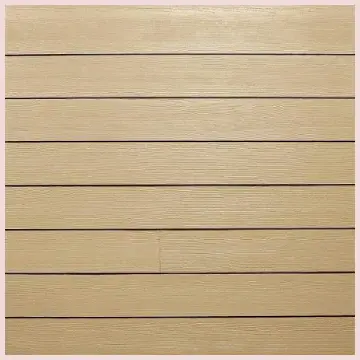
- Material composition and movement: Hardie stays nearly rigid through temperature and humidity shifts.
LP needs expansion space because its wood core responds to weather changes.
- Weight and job impact: Hardie boards force slower handling and often need two people.
LP boards stay light enough for faster work with standard tools.
- Fire performance: Hardie will not burn and meets strict non-combustible ratings.
LP remains a treated wood product that can still support flame under the right conditions.
- Impact behavior: LP flexes and usually absorbs hail or debris strikes.
Hardie can chip or crack when the same force hits a rigid plank.
- Paint and surface care: Factory finishes on Hardie stretch the time between full repaints.
LP surfaces typically need attention on a shorter cycle in most climates.
- Long-term moisture tolerance: Hardie shrugs off humidity once flashed correctly.
LP depends more heavily on sealed edges and proper clearances to avoid swelling.
- Installer skill window: Hardie demands specialized knowledge of fasteners and dust control.
LP allows a wider range of experienced carpenters to produce solid results.
Key Features Of Hardie Board
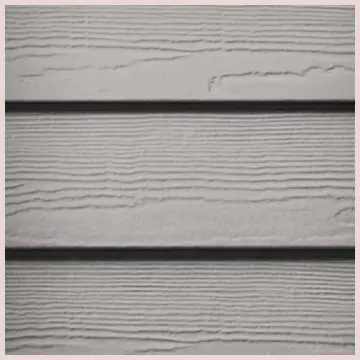
- Non-combustible core: The cement mix itself does not support fire, which matters for insurance and code in many neighborhoods.
- Insect and decay resistance: Nothing organic remains for pests or fungus to attack once the board is in place.
- ColorPlus factory option: The baked finish holds color longer and cuts early maintenance needs.
- Profile variety: Lap, panel, shingle, and modern styles cover most architectural looks without switching materials.
- Dimensional stability: Limited expansion keeps joints tighter and reduces stress on fasteners over the years.
- High wind ratings: The dense boards perform well in coastal and storm-prone regions when fastened to specification.
- Consistent thickness and edges: Factory production produces uniform planks that create clean shadow lines across long walls.
Pros Of Hardie Board
- Fire resistance advantage: Non-combustible performance lowers risk in dense or wildfire-adjacent locations and can influence insurance terms.
- Low seasonal movement: Joints and paint stay consistent because the board itself does not push and pull with every weather change.
- Strong humid-climate record: Properly installed boards resist mold and insects even in high-moisture regions.
- Extended paint intervals: ColorPlus finishes often push full exterior repaints past the twelve-year mark.
- Resale recognition: Many buyers and appraisers view the brand as a durable premium choice that supports value.
- Minimal pest interest: The inorganic core offers nothing for termites or wood-boring insects to feed on.
- Stable appearance over decades: Once the finish is maintained, the siding continues to look uniform without warping or cupping.
Cons Of Hardie Board
- Higher project cost: Weight and specialized labor raise both material and installation numbers compared with lighter options.
- Crack and chip risk: Hard impacts or over-driven nails can damage boards that then need full replacement.
- Strict installation demands: Missed flashings, wrong fasteners, or tight clearances create problems the warranty may not cover.
- Silica dust during cutting: Proper saws and protection become necessary, which limits the pool of ready crews.
- Slower pace on site: Heavy boards add labor hours and can stretch the overall schedule on multi-story or complex homes.
- Repair complexity: Replacing a single damaged plank often requires more effort than with lighter engineered products.
- Upfront investment barrier: The higher initial outlay can push the product out of reach for homeowners working with tight budgets.
Key Features Of LP SmartSide
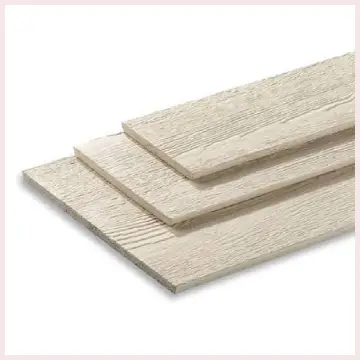
- Treated engineered core: Zinc borate and resin saturation protect against rot and termites far better than plain wood.
- Natural grain and length: Deeper texture and longer boards create fewer seams and a closer match to real lumber.
- Impact flexibility: The material bends under force instead of cracking, which helps in hail-prone areas.
- Simple cutting and fastening: Standard woodworking tools handle the boards, so more crews already know the process.
- Long substrate warranty: The 50-year limited structure covers manufacturing defects when installation rules are followed.
- Prefinished ExpertFinish options: Factory coatings reduce the need for immediate field painting and improve early color consistency.
- Lower structural load: Lighter weight places less demand on existing framing and can simplify work on older homes.
Pros Of LP SmartSide
- Lower installed cost: Lighter weight and faster handling usually cut the total bill by a noticeable margin.
- Better hail performance: Flexibility lets the board absorb strikes that would crack a more rigid material.
- Authentic wood appearance: Deeper grain and longer lengths reduce the manufactured look some people notice on fiber cement.
- Broader crew familiarity: Most carpenters already work with wood-like materials, so correct installation is easier to find.
- Competitive warranty length: Fifty years of substrate coverage remains attractive even after the early full-coverage window ends.
- Faster project completion: Longer boards and easier handling often shave days off the installation schedule.
- Good cold-climate flexibility: The material moves with freeze-thaw cycles rather than cracking under the same stress.
Cons Of LP SmartSide
- Moisture sensitivity at edges: Unsealed cuts or tight clearances from grade can lead to swelling that is hard to reverse.
- Combustible base: The treated wood still burns, which rules it out in some fire-regulated zones.
- Shorter paint cycles: Most surfaces need renewal sooner than the best Hardie factory finishes.
- Movement noise risk: Missing expansion gaps can produce squeaks or buckling as temperatures change.
- Prorated later coverage: Warranty value drops after the first five years, so later claims recover a smaller share of cost.
- Edge vulnerability: Bottom courses and roof transitions demand careful detailing or moisture problems can develop.
- Less brand recognition in some markets: Certain buyers still associate fiber cement more strongly with long-term premium performance.
Cost Reality For A Typical Project
When I run the numbers for a 2,000-square-foot house, the exterior wall area that actually receives siding is usually closer to 1,600–1,800 square feet once openings are subtracted.
Hardie installations commonly land between $14,000 and $35,000 for a complete job that includes tear-off, weather barrier, trim, and labor, with complex or multi-story homes pushing higher.
LP SmartSide often comes in 15–30 percent lower on the same scope because the material is lighter and the install moves faster. Regional labor rates, the condition of the existing walls, and whether you choose factory finishes or field paint all move the final number. The upfront difference is noticeable.
The lifetime cost depends on how many times you repaint and whether any boards need replacement after storms.
I always advise getting itemized bids that separate material, labor, tear-off, and trim so the real gap becomes clear.
Installation And Long-Term Ownership Differences
I pay close attention to how each product is installed because that is where most failures start. Hardie needs precise fastener placement, proper clearances, and dust control.
LP needs sealed cut ends, correct gaps at joints, and careful attention to the bottom course. Both products perform well when those rules are followed and both can disappoint when they are not. Once the siding is up, Hardie tends to ask less of you year to year.
LP asks for slightly more frequent visual checks of edges and paint condition. Neither is maintenance-free, but both are far less demanding than traditional wood.
In cold climates with heavy freeze-thaw cycles, LP’s flexibility can be an advantage. In hot, humid, or fire-prone areas, Hardie’s stability and non-combustible core pull ahead. Hail country favors LP. Neighborhoods with strict fire codes favor Hardie.
Your specific site conditions should weigh more than any general ranking. I have walked jobs where a well-installed LP SmartSide house looked better after ten years than a poorly detailed Hardie job, and the reverse is equally true.
The material is only half the equation. The other half is the crew and the details that protect the edges and transitions.
Making The Choice That Fits Your Situation
If you plan to stay in the house for twenty years or more, value fire resistance, and prefer longer gaps between major exterior work, Hardie is usually the stronger match.
If you want a more authentic wood look, lower initial cost, easier installation, and better impact resistance, LP SmartSide makes more sense. I have seen both products look excellent ten and fifteen years later when the install was done right and the owner kept up with basic care.
I have also seen both fail early when water management was ignored. Look at your climate first. Then look at your budget and how much future maintenance you are willing to schedule.
Talk to crews who have installed both products in your area. Ask them which details they watch most carefully. That conversation often reveals more than any brochure.
Frequently Asked Questions (FAQ)
Higher cost, heavy boards that slow installation, potential for cracking from impact or over-driven nails, and the need for skilled crews who follow strict fastening and flashing rules.
Swelling or soft edges when cut ends are left unsealed or clearances are too tight, buckling from missing expansion gaps, and earlier paint failure if the surface is not maintained.
Most complete projects fall between $14,000 and $35,000 depending on region, complexity, tear-off needs, and finish choice, with some high-end or multi-story jobs running higher.
It depends on priorities. Fiber cement wins on fire resistance, dimensional stability, and longer paint cycles. LP SmartSide wins on impact resistance, weight, install speed, and often lower cost. Neither is universally better.
Wrapping Up
I have compared these two products from the standpoint of a homeowner who has to live with the result, not just the brochure.
The right choice is the one that matches the weather you actually get, the budget you can stretch, and the amount of future maintenance you are willing to schedule.
Look at your site, talk to crews who have installed both, and weigh the long-term numbers instead of only the first bid. That approach has kept me from recommending the wrong product more than once, and it will serve you the same way.
You will live with this decision every time you look at your house, so take the time to match the material to your real conditions rather than the loudest claim.
Recent Posts
Lennox Mini Split Reviews: Is This Ductless Air Conditioner Worth Buying?
If you want efficient, quiet, and flexible home cooling without installing traditional ductwork, a Lennox mini split is worth considering. I like its combination of inverter technology,...
If you are tired of cleaning leaves, pine needles, and debris from your gutters every season, Leaf Relief gutter guards may be worth considering.I like the idea of a gutter protection system that...