
If you want efficient, quiet, and flexible home cooling without installing traditional ductwork, a Lennox mini split is worth considering.
I like its combination of inverter technology, customizable comfort, and heating and cooling capabilities.
Although installation costs and model availability deserve attention, I believe homeowners looking for a modern ductless HVAC solution should consider buying a Lennox mini split.
My First Experience With Lennox Mini Splits
When I evaluate a ductless air conditioning system, I look beyond its cooling power.
I want to know whether it can maintain comfortable temperatures, operate quietly, control energy consumption, and perform consistently throughout different seasons.
Lennox mini splits caught my attention because they offer several features designed around these everyday needs.
My first impression is that Lennox takes a practical approach to ductless heating and cooling.
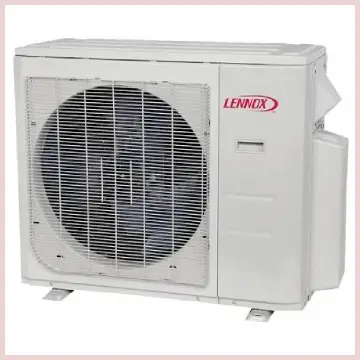
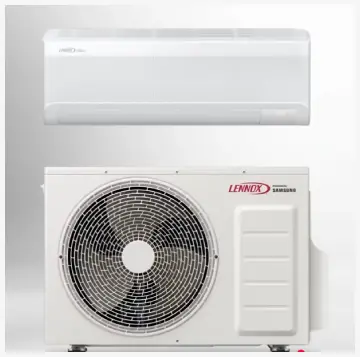
Instead of depending on a network of air ducts, these systems use an outdoor compressor connected to one or more indoor air handlers.
This arrangement makes them particularly appealing if you have an older house, a room addition, a converted garage, or a space that never seems to reach the right temperature.
What I appreciate most about mini split technology is the ability to control individual rooms.
Imagine having a comfortable bedroom without unnecessarily cooling an empty living room. That kind of flexibility can make a noticeable difference in how you manage your home’s temperature.
Lennox offers ductless systems with inverter-driven compressors. Rather than constantly switching between full power and complete shutdown, inverter technology adjusts compressor speed according to cooling or heating demand.
In everyday use, this can help maintain more consistent temperatures while reducing unnecessary energy consumption.
I also appreciate the potential for quieter operation. Since the main compressor sits outside, the indoor unit generally produces less noise than many conventional window air conditioners.
You can relax, work, or sleep without constantly hearing a loud compressor cycle.
However, I would not automatically assume every Lennox mini split delivers identical performance. The brand offers different equipment configurations, and specifications vary by model. Capacity, efficiency ratings, operating temperature range, and available controls all matter.
My overall impression is that Lennox mini splits are worth investigating if you want zoned comfort, flexible installation, and modern heating and cooling technology.
Still, I would compare the specific model against competing systems before making a purchase.
Also Read: Is Aircon Mini Split Worth It?
Pros Of Lennox Mini Splits

- Excellent Temperature Control
The first advantage is the ability to maintain comfortable indoor temperatures.
Inverter technology allows compatible systems to adjust compressor output instead of relying entirely on repeated full-power cycles.
For you, this can mean fewer noticeable temperature fluctuations.
I particularly appreciate this feature in bedrooms, offices, and spaces where consistent temperatures matter.
Nobody wants an air conditioner that makes a room freezing one moment and uncomfortable the next.
- Potential Energy Savings
Energy consumption is a major concern whenever you purchase an air conditioning system.
Lennox mini splits offer efficient configurations designed to reduce unnecessary electricity consumption.
Because ductless systems deliver conditioned air directly into the rooms they serve, they also avoid some energy losses associated with poorly insulated or leaking ductwork.
This can be particularly beneficial in older houses where existing ducts are inefficient.
However, I would avoid assuming that every Lennox model automatically reduces your electricity bill. The equipment’s efficiency rating and correct sizing are essential.
If you choose an oversized or undersized unit, you may not receive the performance you expect.
- Quiet Indoor Operation
Noise can become irritating when you run an air conditioner throughout the day.
Fortunately, ductless mini splits generally offer quieter indoor operation than many window air conditioners.
The compressor and condenser are located outdoors, while the indoor unit distributes conditioned air.
Lennox models may also provide multiple fan settings, allowing you to adjust airflow according to your comfort preferences.
I would pay particular attention to the published indoor and outdoor sound ratings before purchasing.
For bedrooms, home offices, and study areas, lower operating noise is a valuable advantage.
- No Extensive Ductwork Required
This is arguably one of the most practical benefits.
If your home does not have existing ductwork, installing a traditional central HVAC system can become expensive and disruptive.
A Lennox mini split offers an alternative because refrigerant piping and electrical connections replace the need for extensive air ducts.
Installation still requires professional work, but the overall process can be less invasive than installing a complete ducted system.
I would consider this especially useful for room additions, garages, workshops, and older homes.
- Heating and Cooling in One System
Why purchase separate equipment for heating and cooling when one compatible heat pump may handle both?
Lennox mini splits can provide year-round comfort when you choose a model designed for both functions.
During summer, you receive cooling. During winter, the heat pump reverses operation to provide heating.
This versatility makes the system attractive if you want to simplify your home’s HVAC arrangement.
Just remember that heating performance depends on outdoor temperatures and the model’s operating specifications.
- Flexible Zoning Options
Another advantage is the possibility of creating separate comfort zones.
With a compatible multi-zone configuration, you can connect multiple indoor units to an outdoor unit.
This is useful if your family has different temperature preferences.
For example, you can keep the bedroom comfortable while maintaining a separate setting in the living room.
It also helps avoid cooling unused spaces unnecessarily.
- Modern Appearance
I also appreciate the relatively clean appearance of ductless equipment.
A wall-mounted indoor unit takes up less floor space than many portable air conditioners.
You do not need bulky window equipment blocking natural light.
Although the indoor unit remains visible, its compact design can work well with many contemporary interiors.
Cons Of Lennox Mini Splits
- Higher Initial Installation Costs
The biggest drawback is the upfront investment.
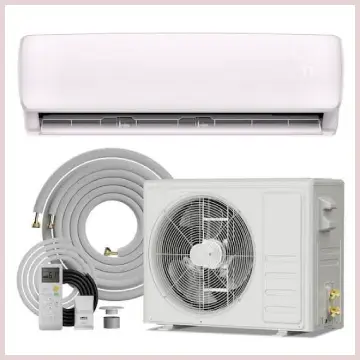
A mini split requires specialized equipment, refrigerant piping, electrical connections, mounting hardware, and professional installation.
Multi-zone configurations can become particularly expensive because you need additional indoor units and more complicated installation work.
Although the system may reduce operating costs over time, you should calculate the complete purchase and installation price before deciding.
- Requires Skilled Professionals
You cannot treat a mini split like a portable air conditioner.
Proper installation involves refrigerant line connections, evacuation, leak testing, electrical work, drainage arrangements, and system commissioning.
Poor installation can result in refrigerant leaks, inefficient operation, water drainage problems, and premature component failures.
I strongly recommend hiring an experienced HVAC contractor familiar with the particular Lennox equipment you are purchasing.
- Indoor Units Remain Visible
Some homeowners dislike the appearance of wall-mounted air handlers.
Although the units are relatively compact, they are still visible inside your rooms.
If you prefer a completely concealed HVAC arrangement, a traditional ducted system may be more appealing.
You should also consider furniture placement and airflow direction when deciding where to install each indoor unit.
- Maintenance Is Still Necessary
A mini split does not mean maintenance-free cooling.
You must regularly clean filters, inspect drainage, keep the outdoor condenser clear, and arrange professional inspections.
Neglecting these tasks can reduce efficiency and eventually affect system reliability.
- Replacement Parts and Service Availability
Service availability deserves attention before purchasing.
Lennox has an established HVAC presence, but access to technicians and replacement parts can vary by location.
If you live outside a major service area, finding a technician familiar with your exact ductless model may take additional effort.
I would check local service coverage before committing to an expensive system.
Also Read: Is Infinity Living Mini Split Worth It?
Maintenance For Lennox Mini Splits
- Clean the Air Filters Regularly
Air filters collect dust, hair, and other airborne particles.
Over time, these materials restrict airflow and make your system work harder.
I recommend checking the indoor unit’s filters every few weeks, particularly during periods of heavy use.
Most washable mini split filters can be removed and cleaned according to the manufacturer’s instructions.
Turn off the system before removing them. Wash the filters gently when permitted, allow them to dry completely, and reinstall them correctly.
Never operate the system with wet filters.
- Keep the Outdoor Condenser Clear
The outdoor unit needs sufficient airflow to release or absorb heat.
Leaves, grass clippings, dust, and other debris can accumulate around the condenser.
I recommend inspecting the surrounding area regularly.
Keep vegetation and stored items away from the unit, following the manufacturer’s required clearance specifications.
If the coil becomes dirty, arrange appropriate cleaning rather than using excessive water pressure that could damage the fins.
- Inspect the Condensate Drain
During cooling operation, moisture collects inside the indoor unit and exits through a condensate drain.
If the drain becomes clogged, water may leak from the indoor air handler.
Watch for dripping, unusual moisture, or unpleasant smells.
Regular inspection helps identify drainage problems before they cause damage to walls or flooring.
If you notice persistent leaks, switch off the system and contact a qualified technician.
- Schedule Professional HVAC Inspections
I would not rely entirely on basic household cleaning.
Professional maintenance helps identify problems that may not be visible during routine inspections.
A qualified technician can inspect electrical connections, refrigerant lines, coils, drainage, operating pressures, and overall system performance as appropriate.
For most homeowners, arranging an inspection annually is a sensible starting point. Your contractor may recommend a different schedule depending on usage and environmental conditions.
- Avoid Extreme Temperature Adjustments
One mistake I see homeowners make is constantly changing their thermostat settings.
You do not necessarily need to set the temperature extremely low to cool a room faster.
Instead, choose a comfortable setting and allow the inverter-driven system to regulate output.
This approach can help maintain consistent indoor conditions and avoid unnecessary energy consumption.
- Check the Indoor Unit for Dust Buildup
Even when filters are clean, dust can accumulate around the air intake and exterior housing.
Use a soft, dry cloth to clean accessible exterior surfaces.
Avoid spraying cleaning products directly into the air handler.
If the blower wheel or internal coil requires deeper cleaning, arrange professional service.
- Monitor Unusual Sounds and Odors
Your system may produce normal operating sounds, but sudden changes deserve attention.
Listen for unusual rattling, grinding, persistent buzzing, or excessive vibration.
Similarly, unpleasant smells can indicate moisture accumulation, dirty components, or drainage issues.
Do not ignore these warning signs. A technician can identify whether the problem involves a loose component, electrical issue, drainage concern, or another fault.
Comparison Of Lennox Mini Split With Other Brands
- Lennox vs. Daikin Mini Split
Daikin is another major name in the ductless air conditioning industry.
Its mini split products include inverter-driven systems, multi-zone configurations, and heating and cooling options.
I like Daikin’s extensive experience with heat pump and air conditioning technology.
Lennox also offers modern ductless solutions, but the best choice depends on the particular product range available in your area.
If you want to compare these manufacturers, examine their efficiency ratings, operating temperature ranges, sound levels, and installation costs.
I would not choose either brand based on reputation alone.
- Lennox vs. Fujitsu Mini Split
Fujitsu has a strong presence in the ductless HVAC market.
Its mini splits are designed for residential comfort, and various models offer inverter technology and multi-zone capabilities.
Fujitsu is worth considering if you want a dedicated ductless solution with several equipment configurations.
Lennox may appeal to homeowners who prefer working with an HVAC contractor already familiar with its equipment.
When comparing these brands, I would focus on model-specific efficiency, cold-weather heating performance, and service availability.
- Lennox vs. LG Mini Split
LG offers ductless air conditioning systems with modern controls, inverter technology, and different installation configurations.
One thing I appreciate about LG is its focus on contemporary product design and user-friendly features.
Lennox is also worth considering for homeowners who prioritize HVAC-focused installation and service support.
The decision comes down to the equipment specifications and the experience of the installer.
If smart controls are important to you, compare the exact connectivity features rather than assuming every model supports the same functions.
- Lennox vs. Carrier Mini Split
Carrier is another established HVAC manufacturer with ductless heating and cooling options.
Both brands offer equipment designed to provide residential comfort and energy-efficient operation.
Carrier may be attractive if its local dealer network offers strong installation and maintenance support.
Lennox is similarly worth considering when you have access to an experienced installer who understands its equipment.
I would compare warranty terms, equipment availability, installation pricing, and efficiency ratings before making a decision.
Is a Lennox Mini Split Worth the Money?
In my opinion, a Lennox mini split can be worth the investment if you need targeted heating and cooling without installing extensive ductwork.
The biggest advantages are flexible installation, inverter technology, zoned temperature control, and the possibility of year-round operation.
However, I would not purchase one simply because it carries the Lennox name.
The specific model matters considerably.
Before buying, I would request an HVAC load calculation to determine the correct capacity for your room or property. I would also compare the complete installed price rather than looking only at the equipment cost.
Ask the contractor about electrical requirements, refrigerant line placement, drainage, warranty coverage, and future maintenance.
If you are replacing an old window air conditioner or conditioning a new room addition, a mini split could provide a substantial improvement in comfort and convenience.
On the other hand, if you already have an efficient central HVAC system, adding a ductless unit may not offer enough financial benefit unless you have a specific room with persistent temperature problems.
Also Read: Is Lunair Mini Split Worth It?
Frequently Asked Questions (FAQ)
Avoid unfamiliar brands with poor warranty support, limited replacement parts, questionable efficiency claims, and no qualified local technicians.
Mitsubishi Electric, Daikin, and Fujitsu are frequently considered strong options, although reliability depends on the specific model and installation quality.
A properly installed and maintained mini split can often last around 15–20 years, although actual lifespan varies with usage and maintenance.
Mitsubishi has extensive ductless HVAC experience, while Lennox offers competitive options. Compare individual models, warranties, efficiency, and local service support.
Wrapping Up
After evaluating the features, benefits, and limitations, I believe Lennox mini splits are worth considering for homeowners who want flexible, efficient, and quiet heating and cooling.
Their inverter technology, zoning capabilities, and ductless installation make them practical for many properties.
I would recommend buying one if the model fits your home’s requirements and you have access to qualified installation and maintenance.
Recent Posts
I decided to write this because I kept getting the same question from friends and neighbors planning their backyard upgrades: should I go with a wood deck or a concrete patio?After living with...
Hardie Board Vs. LP SmartSide: Which Siding Actually Fits Your House and Budget?
I’ve spent a lot of time comparing Hardie board and LP SmartSide because choosing siding is one of those decisions that sits on your house for decades. My goal here is straightforward: lay...