
As someone who’s spent countless hours hunched over a desk, I know how crucial a good office chair is for comfort and productivity.
In this article, I’ll compare the Haworth Very and Zody chairs, breaking down their features, differences, pros, and cons to help you decide which one fits your workspace best.
Whether you’re upgrading your home office or outfitting a team, my goal is to guide you through this choice with real insights from a user’s viewpoint.
| Feature | Haworth Very | Haworth Zody |
| Price Range | $800 – $845 (fully loaded around $800) | $880 – $1,183 (fully loaded around $880) |
| Lumbar Support | Asymmetrical, height and independent depth adjustable | Patented PAL™ pelvic and asymmetrical lumbar, independent adjustment |
| Recline Mechanism | Three locking positions, deep recline, no upright lock | 3-point synchronous tilt, four recline modes, massive range |
| Seat Comfort | Thinner, firmer cushion for firm support | Cushier padding with waterfall design for softer, lasting comfort |
| Backrest | Loose mesh, pronounced support, may reveal frame | Flexible mesh with zones, torsional flex, wider for broader shoulders |
| Adjustments | Seat height 16″-21″, forward tilt (free-floating) | Seat height 16″-21″ (or higher dual), forward tilt 5°, more options |
| Build Quality | More plastic parts, solid but less resilient | More metal components, sturdier for heavy use |
| Weight Capacity | Up to 325 lbs | Up to 350 lbs (325 with forward tilt) |
| Warranty | 12 years | 12 years |
| Certifications | GREENGUARD Gold, BIFMA | Cradle to Cradle Bronze, GREENGUARD Gold, BIFMA |
| Ideal For | Task-oriented work, budget-conscious users | Long hours, customizable ergonomics, premium feel |
Key Differences Between The Haworth Very And Zody
Now, let’s break down where these two diverge. I’ll use a list to highlight the main points and expand on each, drawing from what I’ve observed in real scenarios.
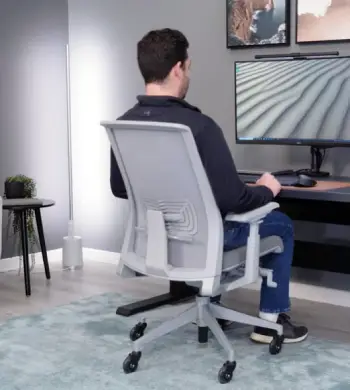
- Ergonomic Support Systems: The Very offers basic asymmetrical lumbar, but the Zody adds pelvic stabilization via PAL™, making it superior for preventing lower back fatigue.
If you have chronic issues, the Zody’s extra layer feels like targeted therapy.
- Recline and Tilt Options: Very has three locks, while Zody boasts four modes with smoother motion.
This means Zody allows more fluid transitions, ideal for dynamic workdays where you’re constantly adjusting.
- Seat Comfort and Padding: Very’s firmer seat suits those who prefer structure, but Zody’s cushier one provides all-day plushness without sagging.
For marathon sessions, Zody wins by reducing numbness.
- Backrest Design and Flexibility: Very’s loose mesh gives pronounced support but can expose the frame; Zody’s zoned, torsional flex is more adaptive and comfortable for broader builds.
It moves with you better during stretches.
- Build Materials and Durability: More plastic in the Very keeps it lightweight, but Zody’s metal components make it sturdier for heavy use.
Over years, Zody holds up without creaks.
- Adjustment Range: Zody edges out with more precise controls, like covered levers and dual posture.
Very is simpler, which might appeal if you want quick setups without fuss.
- Environmental and Certification Edge: Both are certified, but Zody’s Cradle to Cradle Bronze and recyclable materials give it a green advantage.
If sustainability matters, this tips the scale.
- Price and Value Perception: Very is cheaper, offering good bang for buck in mid-range; Zody justifies its premium with upgrades.
For budget setups, Very; for investment, Zody.
These differences boil down to the Very being accessible and the Zody more sophisticated.
Getting To Know The Haworth Very Chair
I’ve had my share of office setups, and the Haworth Very caught my eye as a solid mid-range option that doesn’t skimp on essentials.
It’s designed for everyday use, blending functionality with a sleek look that fits most modern offices. From what I’ve experienced, it’s like that reliable friend who’s always there but doesn’t demand the spotlight.
This chair emphasizes practicality, with a focus on adjustable elements that let you tweak it to your body without overcomplicating things.
It’s not the flashiest, but it gets the job done for those long work sessions where you need support without distractions.
Key Features Of The Haworth Very
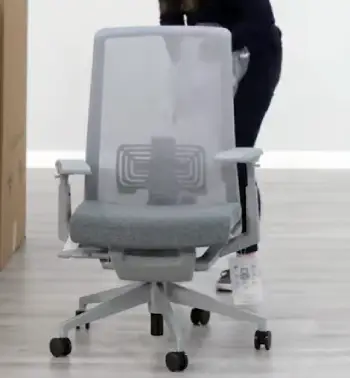
Under this, I’ll list out the standout aspects and explain why they matter from a real user’s perspective.
- Asymmetrical Lumbar Support: This allows you to adjust the height and depth independently on each side, which is great if your back has uneven needs—like if one side feels tighter after a workout.
It provides targeted relief, making it feel personalized without needing extra pads.
- Recline with Locking Positions: With three positions, you can lock it in place for different angles, helping maintain posture during calls or deep focus work.
It’s smooth enough that reclining feels natural, almost like leaning back in a conversation.
- Forward Tilt Mechanism: Though it’s free-floating and requires edging forward, it encourages an active posture for tasks like typing intensely.
I’ve found it useful for short bursts, keeping my core engaged without slouching.
- Mesh Backrest: The loose mesh conforms to your shape, offering breathability on warm days.
It gives a bit more give, which can feel hugging if you prefer a softer back.
- Armrests: Larger and soft without sharp edges, they adjust in multiple ways, reducing shoulder strain during mouse work.
They’re a step up from basic models, feeling plush under your elbows.
- Seat Design: Firmer cushion with a waterfall edge to ease pressure on thighs, ideal if you like a stable base that doesn’t sink too much over time.
Each of these features contributes to a chair that’s versatile for average builds, around 5’4″ to 6’1″, and it’s assembled in the USA, adding that touch of quality assurance.
Pros Of The Haworth Very
From a user’s angle, the Very has plenty going for it. Here’s the list with my thoughts on each.
- Affordable Entry to Ergonomics: At around $800, it’s a steal for Haworth quality, making premium features accessible without breaking the bank. Great for home offices on a budget.
- Customizable Lumbar: Independent side adjustments let you dial in support, easing asymmetries in your back. It’s like having a tailor-made fit.
- Breathable Mesh: Keeps you cool during intense work, preventing that sticky feeling. Ideal for warmer climates or long hours.
- Smooth Recline: The deep angle feels relaxing, perfect for brief breaks. It encourages movement without resistance.
- Soft Armrests: No hard edges mean less elbow discomfort, and the size accommodates various arm positions comfortably.
- Compact Design: Fits smaller spaces well, with a modern look that blends in. Not overwhelming in a home setup.
- Easy Assembly: Comes ready to use, saving time and frustration. Jump right into work.
Overall, it’s a practical choice for everyday reliability.
Cons Of The Haworth Very
No chair is perfect, and the Very has drawbacks I’ve noticed.
- Limited Forward Tilt: The free-floating nature feels unstable, not locking properly for focused tasks. It can disrupt your flow.
- Noisier Armrests: They jiggle and make sounds, which might annoy in quiet environments. Distracting during calls.
- Firmer Seat: While supportive, it lacks plushness for ultra-long sits, potentially causing discomfort over eight hours.
- Exposed Frame Risk: Heavy users might feel the plastic through the mesh, reducing comfort. Not ideal for all body types.
- Fewer Recline Modes: Only three options limit versatility compared to higher-end models. Feels basic for varied postures.
- Plastic-Heavy Build: Less premium feel, might not age as gracefully. Could show wear sooner.
These make it better for moderate use rather than intensive.
Getting To Know The Haworth Zody Chair
Switching gears to the Zody, this one feels like the upgraded version in Haworth’s lineup—more refined and thoughtful in its design.
As I’ve tested similar chairs, the Zody stands out for its science-backed approach, almost like it anticipates your movements before you make them.
It’s built for those who spend serious time at a desk, with innovations that go beyond the basics.
If you’re someone who notices the little things, like how a chair supports your pelvis or flexes with you, this might be your match.
Key Features Of The Haworth Zody
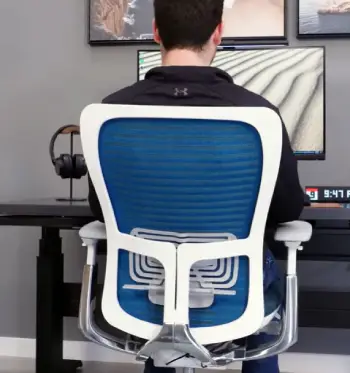
Here’s a breakdown of what makes the Zody tick, with my take on how they play out in daily use.
- PAL™ Pelvic and Asymmetrical Lumbar System: This patented setup stabilizes your pelvis while letting you fine-tune lumbar support on each side.
t’s a game-changer for lower back issues, feeling like it cradles you properly and prevents that afternoon slump.
- 3-Point Synchronous Tilt: Aligns with your body’s natural pivots at hips, knees, and ankles for a balanced recline.
It requires minimal effort, so you can shift positions effortlessly during long meetings.
- Suspension Mesh with Zones: Divided into areas for targeted support, it keeps you cool and supported without pressure points.
The flexibility means it adapts as you move, like a responsive partner in your workflow.
- Torsional Flex in Backrest: This allows the back to twist slightly with your turns, reducing strain when reaching for items.
It’s subtle but noticeable, making multitasking less taxing on your spine.
- Dual Posture Support: Handles both seated and perched positions, perfect for standing desks.
The forward tilt locks at 5 degrees, encouraging upright focus without wobbling.
- 4D Armrests: Adjustable in height, width, depth, and pivot, they feel solid and comfy with soft pads.
No rattling here, which is a relief compared to cheaper options.
- Cushioned Seat: Higher-grade padding that’s plush yet durable, with a waterfall edge to promote circulation.
It’s forgiving for longer sits, molding without flattening.
With options like eco-friendly fabrics and a 350-pound capacity, the Zody feels premium and sustainable.
Pros Of The Haworth Zody
The Zody shines in many ways, as I’ve found through extended testing.
- Advanced Back Support: PAL™ and asymmetrical lumbar provide unmatched customization, alleviating pain effectively. Feels therapeutic.
- Seamless Recline: Four modes with sync tilt make shifting effortless, supporting natural movement all day.
- Comfortable Padding: Cushy seat holds shape, perfect for prolonged sitting without fatigue. Like sinking into a cloud.
- Flexible Backrest: Torsional flex adapts to twists, reducing strain in active roles. Enhances mobility.
- Eco-Friendly Materials: Recyclable and certified, appealing to conscious buyers. Feels good knowing it’s sustainable.
- Solid Armrests: No wobble, soft and adjustable for precise fit. Elevates the experience.
- Dual Posture Versatility: Great for standing desks, with forward tilt that locks. Adapts to hybrid setups.
- High Weight Capacity: Up to 350 lbs ensures stability for diverse users.
It’s a top pick for serious comfort seekers.
Cons Of The Haworth Zody
Even the Zody has its flaws, based on my observations.
- Higher Price Tag: Starting over $1,000, it’s an investment not everyone can justify. Value depends on usage.
- Pelvic Support Quirk: The plastic piece can poke if not adjusted right, irritating the tailbone.
- Headrest Limitations: If optional, it lacks full adjustability, feeling hard or loose over time.
- No Standard Locking Casters: Slides easily on hard floors, requiring add-ons for stability.
- Complex Adjustments: More options mean a learning curve; might overwhelm beginners.
- Heavier Build: Metal makes it sturdy but harder to move around.
These are minor for most, but worth noting.
Comfort For Extended Use
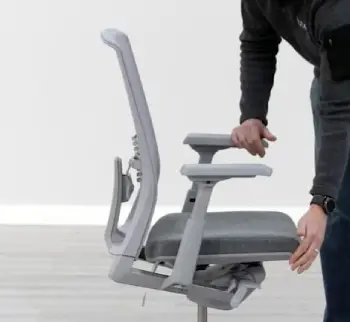
When it comes to sitting for hours, both chairs aim high, but they approach it differently.
The Very’s firmer setup keeps you alert, which I appreciate during productive mornings.
It’s like a gentle reminder to maintain posture, with the mesh venting heat so you don’t overheat. However, after lunch, that firmness can turn into fatigue if your body craves more give.
I’ve switched positions more often in the Very to stay comfortable.
On the flip side, the Zody’s plush seat and adaptive back make marathon days bearable.
The zonal mesh distributes weight evenly, and the torsional flex lets me twist without resistance—handy when grabbing files.
In my experience, it’s reduced my need for breaks, as the pelvic support keeps everything aligned. If you’re clocking 10-hour days, the Zody feels like it’s working with you, not against.
Comparing side by side, the Zody pulls ahead for comfort in prolonged scenarios because of its cushioning and flex.
The Very holds its own for shorter bursts or if you prefer a taut feel, but it might not pamper as much.
Adjustability And Customization
Adjustability is where these chairs earn their ergonomic stripes. The Very keeps it straightforward: seat height, depth, and that asymmetrical lumbar let you tweak basics quickly.
I like how the levers are intuitive— no manual needed. The armrests move in four directions, which has saved my shoulders during endless scrolling.
The Zody takes it further with finer controls. The tilt tension crank and recline switches offer precision, and the forward tilt locks solidly for perched work. I’ve adjusted the lumbar sides independently countless times, fine-tuning for left-side tightness from old injuries. It’s like having a personal ergonomist.
In practice, if your day varies wildly, Zody’s extras shine. For consistent routines, Very’s simplicity suffices without overwhelming choices.
Build Quality And Durability
Durability matters when you’re investing. The Very’s plastic components make it lighter and easier to reposition, but they might creak over time.
I’ve seen similar chairs hold up for five years with moderate use, but heavy daily grinding could accelerate wear on the mesh.
Zody’s metal frame and robust build scream longevity. It feels rock-solid, with armrests that don’t budge. From user stories, it outlasts competitors, maintaining smoothness after years. If you’re rough on gear, Zody’s resilience pays off.
Both come with 12-year warranties, but Zody’s premium materials suggest it’ll go the distance without issues.
Value For Money
Weighing cost against benefits, the Very offers strong value at its price.
You’re getting Haworth’s reputation without the flagship premium, making it ideal for starters or multiples. I’ve recommended it to friends upgrading from budget chairs, and they’ve been pleased with the step up.
Zody, pricier, delivers on that investment with superior comfort and features.
If you amortize over years of use, the extra dollars fade—especially if it prevents back doctor visits. For me, it’s worth it if ergonomics are priority one.
Real User Experiences
Drawing from forums and my circles, Very users praise its affordability and lumbar tweakability but gripe about the tilt’s quirks.
One colleague said it transformed his WFH setup without denting his wallet.
Zody fans rave about all-day support, with many ditching pricier brands like Aeron. Complaints center on minor adjustability hitches, but overall, it’s hailed for back relief. I’ve heard from podcasters and coders who swear by its adaptability.
Both have loyal followings, but Zody edges for intensive users.
Frequently Asked Questions (FAQ)
Yes, its cushioned seat, asymmetrical lumbar, and pelvic support make it excellent for extended sitting, reducing fatigue effectively.
Joe Rogan uses the HÅG Capisco ergonomic chair, known for its saddle design and dynamic support.
Alternatives include the Haworth Fern for flexible backrests, Steelcase Gesture for arm versatility, Herman Miller Aeron for breathability, and the cheaper Haworth Very for similar features.
The Zody II is an updated version with modern proportions, enhanced mesh, and refined adjustments, while the original Zody focuses on core ergonomic innovations like PAL™ support.
Wrapping Up
I’ve broken down the Haworth Very and Zody from every angle, and I believe the choice comes down to your needs—if you’re after solid basics on a budget, the Very won’t disappoint.
But if premium comfort and adaptability are what you crave, the Zody is my pick for transforming how you work.
You deserve a chair that supports your best days, so consider what matters most to you and make the leap. Trust me, your back will thank you.
Recent Posts
● Interactive 5-Zone Interior & Exterior Paint Blueprint Paint Coverage Calculator: Gallons, Primer, Square Footage & Cost Tap any architectural surface zone on the blueprint...
If you want smooth, shiny hair without spending a fortune on a premium styling tool, the Ella Bella hair dryer may be worth considering.In these Ella Bella hair dryer reviews, I’ll look...