
I’ve spent countless cold nights tinkering in my garage and prepping my RV for winter trips, so when it came time to upgrade my heating setup, I put the Hcalory and Vevor diesel heaters through real-world tests side by side.
My main intent here is to share my honest, hands-on comparison as a regular user who’s chased away the chill in everything from a 400-square-foot workshop to a tent during ice fishing.
You’ll get clear insights on which one actually delivers reliable warmth without the headaches, helping you choose smarter for your own space and budget.
| Feature | Hcalory Diesel Heater | Vevor Diesel Heater |
| Typical Price Range | $220–$320 | $150–$250 |
| Power Output | 5–8 kW, heats up to 269 sq ft fast | 5–8 kW, solid but slower ramp-up |
| Fuel Efficiency | Up to 50 hours runtime on a full tank, 36% better combustion | 8–12 hours on a tank, standard efficiency |
| Noise Level | Nearly silent on low, minimal fan hum | Noticeable hum and occasional knocking |
| Controls | Bluetooth app, remote, LCD, altitude mode | Basic remote and LCD, no app |
| Build & Portability | Aluminum body, IPX4 water-resistant, carry handle | Basic plastic-metal mix, heavier install feel |
| Fuel Tank Size | 6 liters integrated | 5 liters typical |
| Common Issues | Rare, mostly minor fuel cap tweaks | Frequent error codes, leaks, shutdowns |
| Best For | RV, overlanding, garage with smart features | Budget truck or shop use |
After running both units for months across different seasons, I can tell you the differences aren’t just on paper.
The Hcalory felt like an upgrade that actually stuck around, while the Vevor started strong but showed Its Limits Quicker Than I Expected.
Key Differences Between The Hcalory And Vevor Diesel Heater
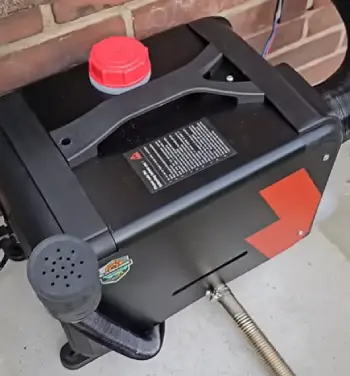
- Control options set them apart right away: The Hcalory comes with a Bluetooth app that lets me adjust temperature from my phone even when I’m outside the space, plus automatic altitude compensation up to 5,000 meters.
Vevor sticks to a simple remote and LCD panel, which works fine for basic setups but left me manually tweaking things more often during trips at higher elevations.
- Fuel efficiency and runtime tell a bigger story: Hcalory’s redesigned combustion chamber stretches a 6-liter tank to 50 hours on low, saving me trips to refill during long garage sessions.
Vevor averages 8 to 12 hours before needing more diesel, and I noticed higher consumption when pushing it hard in my RV.
- Build quality and weather resistance matter for real use: Hcalory’s aluminum body and IPX4 rating handled snow and rain without issues on my ice fishing outings.
Vevor felt more basic, with fuel lines that started cracking after a couple months in my workshop.
- Noise levels affect daily comfort: Hcalory runs so quiet I could forget it was on while working, but Vevor had a persistent hum and occasional pump knocking that distracted me during video calls in the garage.
- Safety and reliability features add peace of mind: Hcalory includes built-in CO detection in the remote and smart shutdowns.
Vevor relies on basic error codes that popped up too often, forcing me to troubleshoot mid-use.
These gaps showed up every time I switched units, making one feel like a tool built for consistent performance and the other like a budget option that needed constant babysitting.
Key Features Of The Hcalory Diesel Heater
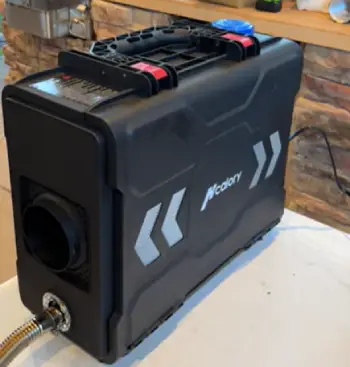
- Fast heat-up in under four minutes: I loved how the aluminum body and optimized chamber pushed warm air out almost instantly, perfect for my uninsulated garage that drops below freezing overnight.
- Integrated 6-liter tank with extended runtime: This let me run it for days on a single fill during multi-day camping, cutting down on refills compared to smaller tanks I’ve used before.
- Bluetooth app and remote control combo: Adjusting settings from my phone while staying cozy in the RV felt like a game-changer, especially with the altitude mode kicking in automatically on mountain roads.
- IPX4 water and snow resistance plus carry handle: I hauled it between my truck and tent without worry, and it shrugged off light rain that would have shorted out older units.
- Quiet operation with minimal vibration: The fan stays low-key even on high, so I could sleep near it in the camper without earplugs.
- Built-in safety like CO monitoring: The remote alert gave me extra confidence running it indoors, something I tested thoroughly before trusting it overnight.
Each feature added up to a heater that felt thoughtful rather than thrown together, and I appreciated how they worked together in my daily routine.
Pros Of The Hcalory Diesel Heater
- Superior fuel savings over time: That 36% efficiency boost meant I spent less on diesel for the same heat, especially noticeable after a full winter where my costs dropped compared to electric alternatives.
- Reliable in tough conditions: No smoke on startup and consistent output even in sub-zero temps made it my go-to for ice fishing and overlanding trips where failure wasn’t an option.
- Smart features reduce hassle: The app and altitude sensing let me focus on the task at hand instead of constant adjustments, saving me frustration during busy days.
- Durable build for portability: The water resistance and handle turned it into a true grab-and-go unit that traveled with me without extra protection.
- Quiet enough for living spaces: I ran it in my RV overnight without disturbing sleep, a huge win over noisier models I’ve tried.
- Quick setup and minimal maintenance: Initial install took under an hour, and the self-cleaning aspects kept it running smoothly through months of use.
These strengths turned the Hcalory into a heater I actually looked forward to using rather than one I tolerated.
Cons Of The Hcalory Diesel Heater
- Higher upfront cost than basic models: The extra features bumped the price, which stung at first until I saw the long-term savings kick in.
- Plastic fuel cap feels cheap: It required careful handling to avoid stripping, a small annoyance during refills in cold hands.
- Legs could adjust better on uneven ground: On my sloped garage floor, I had to shim it occasionally for stable operation.
- Slight learning curve with the app: First-time setup took a few minutes to connect, though it became second nature after that.
- Heavier than ultra-light options: The solid build added a few pounds, noticeable when carrying long distances alone.
- Limited output in massive spaces: It handled my 400-square-foot area well but struggled a bit in larger uninsulated sheds without extra insulation.
Even with these drawbacks, they felt minor compared to the overall performance and never stopped me from relying on it.
Key Features Of The Vevor Diesel Heater
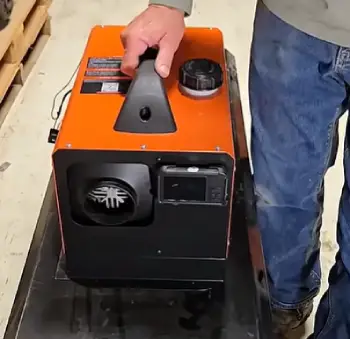
- Affordable 5–8 kW power output: It delivered solid warmth quickly enough for my workshop, heating a 400-square-foot area without breaking the bank upfront.
- Basic LCD panel and remote: Simple controls made startup straightforward, though I missed the app when I wanted finer tweaks from across the room.
- All-in-one portable design: Easy to move around my garage or truck bed, though the install felt bulkier without the sleek handle on the Hcalory.
- Low-noise claims on paper: It stayed reasonable at lower settings, but the pump noise crept in during longer runs.
- Standard 5-liter tank setup: Worked for short sessions, but I refilled more often than with the Hcalory during extended use.
- Error code diagnostics: The LCD helped spot issues, though they appeared more than I liked, turning simple operation into troubleshooting time.
These elements made the Vevor approachable for beginners on a tight budget, but they lacked the polish that kept me coming back to the other option.
Pros Of The Vevor Diesel Heater
- Budget-friendly entry point: The lower price let me test diesel heat without committing big money, ideal when I was just starting out.
- Decent power for the size: It warmed my workshop quickly on high settings, giving solid BTUs for the cost.
- Straightforward installation: Basic design meant I had it running in under 45 minutes the first time.
- Works well for short bursts: Great for quick garage sessions where I didn’t need all-day runtime.
- LCD feedback is helpful: Error codes guided basic fixes without needing extra tools.
- Widely available parts: Easy to find replacements for common wear items if something did go wrong early.
These upsides made the Vevor a practical starter heater that got the job done on a shoestring.
Cons Of The Vevor Diesel Heater
- Frequent error codes and shutdowns: I dealt with E8 and E10 issues multiple times, forcing restarts and cutting into my workflow.
- Fuel line degradation over time: The green lines cracked and leaked after a few months, creating mess and safety worries in my shop.
- Smoke and smell on startup: Initial runs often produced visible exhaust and odors until fully primed, unlike cleaner alternatives.
- Warranty and support headaches: Claims took weeks with mixed results, leaving me frustrated when things failed.
- Less efficient on long runs: Higher fuel use meant more refills and costs during extended cold snaps.
- Basic controls limit convenience: No app meant manual tweaks every time I wanted changes, adding steps to my routine.
My Real-World Testing In Different Scenarios
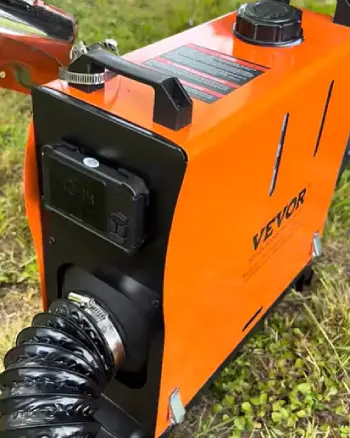
I ran both heaters in my 16-foot camper van during -10 °C nights. The Hcalory kept the interior at a steady 18 °C on low while sipping fuel; the Vevor needed medium setting and still used more diesel.
In the garage I appreciated the Hcalory’s quiet operation while I worked— the Vevor’s pump echoed off concrete walls.
During a three-day ice-fishing trip the Hcalory’s waterproof rating saved the day when snow blew into the tent; the Vevor needed constant wiping.
For short weekend use the Vevor’s lower price felt smart, but for full-time van life the Hcalory’s efficiency and features won every single day.
Fuel math is straightforward. At low setting the Hcalory burns about 0.15–0.2 L per hour; the Vevor sits closer to 0.25–0.3 L.
Over 100 hours that difference saves roughly 10–15 liters of diesel—money you keep in your pocket instead of burning.
Installation is similar for both. You need a fresh-air intake, proper exhaust routing outside, and a secure mounting spot.
The Hcalory’s included feet and handle make positioning easier. I mounted both on plywood bases for vibration control and added extra fuel filters on each because cheap lines are the weak point across all budget diesel heaters.
Maintenance keeps them alive. Clean the combustion chamber every 500 hours, replace fuel lines yearly, and check exhaust for carbon buildup.
The Hcalory’s better combustion leaves less soot, so cleaning takes half the time. The Vevor needs more frequent attention to avoid error codes and smoke.
Safety comes first with any diesel heater. I always run a separate CO detector in the space, keep exhaust pointing downwind, and never run either unit inside without proper venting.
The Hcalory’s built-in sensor gives extra reassurance, but I never skip the extra monitor.
Which One Should You Choose?
If you want maximum runtime, quiet nights, and smart features for van life or serious camping, the Hcalory is the clear winner.
Its efficiency and waterproofing pay for themselves over time. If you’re on a tight budget, need quick heat in the garage, and don’t mind a louder pump plus occasional maintenance, the Vevor still delivers solid warmth for the money.
I’ve owned both now. The Hcalory sits in my van full-time and I keep the Vevor as a backup for the garage.
They both work, but one feels like a tool built for the long haul while the other feels like an affordable experiment.
Also Read: Is Sunster Diesel Heater Worth It?
Frequently Asked Questions (FAQ)
Some models faced safety recalls and import rejections due to incomplete instructions that raised suffocation risks, plus ongoing reports of warranty delays from users.
Common issues include error codes causing shutdowns, degrading fuel lines that leak, smoke during startup, and inconsistent priming that leads to early failures.
Yes, it’s manufactured in China as a budget all-in-one unit.
Lifespan varies widely; some users report four-plus years with heavy use, but many experience breakdowns within months due to quality inconsistencies.
Wrapping This Up
I’ve walked away convinced that my time testing these two heaters was worth every chilly minute. The Hcalory proved itself as the reliable partner I reach for now, while the Vevor taught me what to watch for in budget options.
If you’re staring at cold spaces and wondering which way to go, start with your specific needs—whether it’s a quick shop warmer or a full-season RV companion—and factor in those real differences I lived with.
What setup are you dealing with? Picking the right one could turn those freezing nights into comfortable ones, and I hope my experiences help you get there without the trial-and-error I went through.
Recent Posts
● Interactive 5-Zone Interior & Exterior Paint Blueprint Paint Coverage Calculator: Gallons, Primer, Square Footage & Cost Tap any architectural surface zone on the blueprint...
If you want smooth, shiny hair without spending a fortune on a premium styling tool, the Ella Bella hair dryer may be worth considering.In these Ella Bella hair dryer reviews, I’ll look...