
I’ve dealt with flaky scalp issues for as long as I can remember, switching between shampoos in search of that perfect fix.
In this piece, I’ll share my analysis of Head & Shoulders and Selsun Blue, breaking down what sets them apart to guide you toward the right choice for your hair and scalp needs.
We’ll cover features, strengths, weaknesses, and practical insights from a user’s angle.
| Aspect | Head & Shoulders | Selsun Blue |
| Active Ingredient | Pyrithione zinc (typically 1%) | Selenium sulfide (1% in medicated versions) |
| Target Use | Mild to moderate dandruff, daily maintenance | Severe dandruff, seborrheic dermatitis, occasional treatment |
| Frequency | Safe for daily use | Recommended 2-3 times per week to avoid irritation |
| Scent | Fresh, clean varieties like apple or citrus | Medicinal, sometimes menthol-cooling but strong |
| Hair Feel After Use | Soft, manageable, with conditioning options | Clean but can feel drying without moisturizing variants |
| Price Range (11-14 oz) | $5-8 | $6-10 |
| Effectiveness | Good for prevention and control; up to 72-hour flake protection | Stronger for tough cases; quicker relief in studies |
| Variants | Classic Clean, Clinical Strength, 2-in-1, moisturizing | Medicated Max Strength, Moisturizing, Itchy Dry Scalp, 2-in-1 |
Understanding Dandruff And Why These Shampoos Matter

Let me start by explaining what dandruff really is, because knowing that helps make sense of why products like these exist.
Dandruff isn’t just about dry skin flaking off; it’s often tied to an overgrowth of yeast on the scalp, mixed with oil production and irritation.
As someone who’s woken up with white specks on my shoulders more times than I care to admit, I know how frustrating it can be.
It affects confidence, makes you itch constantly, and can even lead to more serious scalp conditions if ignored.
Head & Shoulders and Selsun Blue both tackle this head-on, but they approach it differently.
I remember the first time I grabbed a bottle of Head & Shoulders from the store shelf—it was marketed everywhere as the go-to for dandruff.
Selsun Blue, on the other hand, felt more like a pharmacy find, something for when things got really bad.
In my experience, choosing between them comes down to how severe your symptoms are and what your daily routine looks like.
If you’re like me and prefer something gentle for everyday washing, one might edge out the other.
But if your scalp is screaming for heavy-duty help, the choice flips.
From an analytical standpoint, these shampoos work by targeting the root causes.
Pyrithione zinc in Head & Shoulders acts as an antifungal agent, slowing down the yeast that causes flakes.
Selenium sulfide in Selsun Blue does something similar but packs a stronger punch against stubborn buildup.
I’ve pored over user stories and product claims, and it’s clear that effectiveness varies by person.
Some folks swear by one for quick results, while others find the other more sustainable long-term.
Key Differences Between The Head And Shoulders And Selsun Blue
To really pinpoint what sets them apart, here’s an unordered list of the main distinctions, with some elaboration on each:
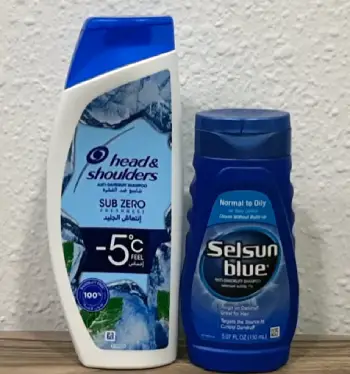
- Active Ingredients And Mechanism: Head & Shoulders relies on pyrithione zinc to gently inhibit fungus growth, making it suitable for ongoing prevention.
Selsun Blue uses selenium sulfide, which is more aggressive in killing off yeast and exfoliating buildup, ideal for acute problems but potentially irritating.
- Intensity And Usage Frequency: One is built for daily integration into your routine, providing steady control without drama.
The other is for intermittent use, delivering a bigger impact per wash but requiring caution to avoid overuse side effects.
- Scent And Sensory Experience: Expect fresh, everyday aromas from the first, which blend seamlessly with your grooming.
The second has a clinical scent that might remind you of a doctor’s office, though some find the cooling effect refreshing.
- Hair And Scalp After-Feel: After using Head & Shoulders, hair often feels conditioned and ready to style.
Selsun Blue cleans deeply but can leave things drier, necessitating extra moisture steps.
- Effectiveness For Severity Levels: For light flaking, the milder option suffices and is less disruptive.
For heavy-duty dandruff, the stronger one edges ahead in speed and thoroughness, based on clinical comparisons.
These differences boil down to your specific situation—mild vs. severe, daily vs. occasional.
Key Features Of Head & Shoulders
When I think about what makes Head & Shoulders stand out, it’s the everyday usability that comes to mind. Here’s a breakdown of its main features, based on what I’ve seen and tried:
- Pyrithione Zinc As The Star Ingredient: This is the powerhouse that fights the fungus responsible for dandruff.
In most bottles, it’s at 1%, which is enough to keep things under control without overwhelming your scalp.
I like how it balances treatment with gentleness, making it feel less like medicine and more like a regular shampoo.
- Variety Of Formulas For Different Needs: They offer everything from Classic Clean for basic dandruff control to Clinical Strength for tougher cases.
There’s also 2-in-1 options that combine shampoo and conditioner, which saves time in the shower.
If your hair is dry or colored, they have moisturizing versions that add hydration without sacrificing the anti-dandruff power.
- Ph-Balanced For Scalp Health: The formula is designed to match your scalp’s natural pH, reducing irritation.
This means fewer red patches or dryness after use, something I’ve appreciated during winter when my scalp gets extra sensitive.
- Long-Lasting Protection Claims: They advertise up to 72 hours of flake-free hair, which in my trials holds up pretty well for mild issues.
It’s like a shield that keeps working even after you’ve rinsed.
- Affordable And Widely Available: You can find it in any drugstore, and the price doesn’t break the bank.
This accessibility makes it a practical choice for ongoing use.
These features make Head & Shoulders feel approachable, like a reliable friend in your bathroom cabinet. I’ve used it during busy weeks when I didn’t want to think too hard about my routine, and it delivered consistent results.
Pros Of Head & Shoulders
Switching gears to the upsides, Head & Shoulders has plenty going for it. Here’s what I’ve noted from personal use and broader feedback:
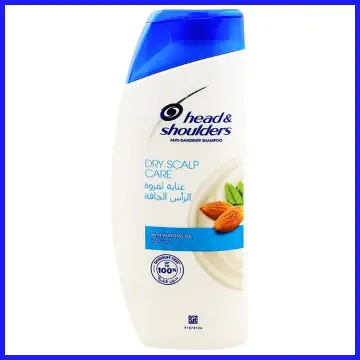
Effective for Daily Maintenance: It keeps mild dandruff at bay without needing frequent applications.
If you’re proactive about your scalp health, this prevents issues from escalating, saving you hassle down the line.
- Pleasant Scents And Lather: The fragrances are fresh and not overpowering, making shower time enjoyable.
It foams up nicely, so you feel like you’re getting a thorough clean without using too much product.
- Conditions Hair While Treating: Especially in 2-in-1 versions, it leaves strands soft and tangle-free.
This is great if you have longer hair or don’t want to follow up with a separate conditioner.
- Budget-Friendly Long-Term: A bottle lasts weeks with daily use, and the cost per wash is low.
Over time, this adds up to savings compared to pricier treatments.
- Minimal Side Effects For Most Users: Rarely causes dryness or irritation when used as directed.
It’s forgiving if you forget a wash here or there.
These pros make it a solid pick for beginners or those with lighter symptoms. I’ve recommended it to friends who just needed something simple, and they’ve thanked me later.
Cons Of Head & Shoulders
No product is perfect, and Head & Shoulders has its drawbacks. From my perspective:
- May Not Tackle Severe Cases Adequately: For really stubborn dandruff, it might only manage symptoms rather than eliminate them.
I’ve had times where flakes returned quicker than expected.
- Potential for Buildup Over Time: With regular use, some report a residue that dulls hair.
Switching shampoos periodically helped me avoid this.
- Limited Strength in Basic Formulas: The classic version is mild, so if you need something stronger, you have to upgrade to clinical, which costs more.
- Scent Lingers Strongly for Some: While pleasant, it can clash with other hair products or perfumes if you’re sensitive to smells.
- Not Ideal for Very Oily Scalps: It controls oil to a degree, but heavy oil producers might find it insufficient without additional steps.
Analyzing these, it’s clear Head & Shoulders shines in prevention but might fall short for intensive needs.
Key Features Of Selsun Blue
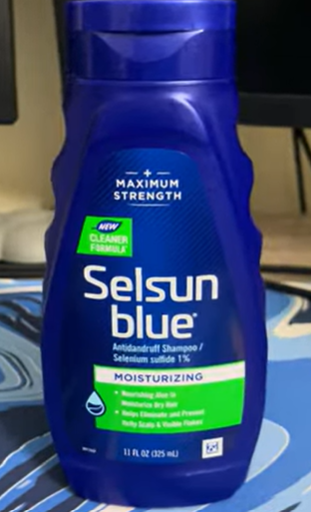
Selsun Blue takes a more targeted approach, which I’ve found appealing when dandruff flares up badly. Let’s list out its standout elements:
- Selenium Sulfide For Intensive Treatment: At 1% in the medicated line, this ingredient directly attacks yeast and reduces scaling.
It’s stronger than what you get in many competitors, which is why it’s often recommended for severe dandruff or conditions like seborrheic dermatitis.
- Multiple Variants For Specific Symptoms: From Max Strength Medicated for heavy-duty flake removal to Moisturizing for those who need hydration alongside treatment.
The Itchy Dry Scalp version adds menthol for a cooling sensation, which can be a lifesaver during itchy episodes.
- 5-in-1 Relief System: This covers flakes, itch, irritation, oiliness, and dryness in one go.
In practice, it means you get comprehensive care, especially useful if your dandruff comes with multiple side effects.
- Gentle Enough for Color-Treated Hair in Some Formulas: Not all versions, but the daily care ones are formulated to be kind to dyed hair, preventing fade while treating the scalp.
- B Corp Certification: They emphasize ethical production, which adds a feel-good factor.
It’s not directly related to performance, but knowing it’s from a company focused on positive impact matters to some users like me.
In my analytical view, these features position Selsun Blue as a specialist tool rather than an everyday staple.
I’ve turned to it when standard shampoos weren’t cutting it, and the results were noticeable faster.
Pros Of Selsun Blue
On the flip side, Selsun Blue brings some strong advantages to the table:
- Powerful Against Tough Dandruff: Studies and user experiences show it outperforms in reducing flakes faster, especially for seborrheic issues.
I’ve seen visible improvement after just a few uses.
- Cooling Relief for Itch: The menthol in some variants soothes irritation instantly, which is a game-changer during flare-ups.
- Versatile for Different Scalp Types: With moisturizing options, it addresses dryness while fighting dandruff, preventing that stripped feeling.
- Longer-Lasting Results Per Use: Since it’s used less often, a bottle goes further, and effects can persist for days.
- Effective for Body Use Too: Some apply it to affected skin areas beyond the scalp, expanding its utility.
These strengths make it a go-to when you need results, not just maintenance.
Cons Of Selsun Blue
But it’s not without flaws:
- Strong Medicinal Odor: The smell can be off-putting and lingers, which might bother you or others around you.
- Potential for Dryness and Irritation: Being harsher, it can strip natural oils, leading to brittle hair if overused.
I always follow with conditioner.
- Not for Daily Use in Strong Formulas: Limited to 2-3 times weekly, so you need another shampoo for in-between days.
- May Cause Tingling or Burning: Especially on sensitive scalps, the active ingredient can sting during application.
- Higher Price for Medicated Versions: It’s a bit more expensive, though justified for severe cases.
In my analysis, these cons highlight why it’s better as a targeted treatment rather than a daily driver.
How These Shampoos Work on the Scalp
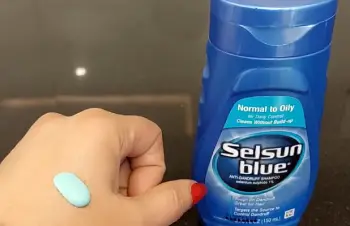
Let’s get into the science a bit, because understanding the mechanics helps you appreciate their value.
Dandruff stems from malassezia, a yeast that thrives on scalp oils, causing inflammation and flaking.
Head & Shoulders’ pyrithione zinc binds to the scalp, disrupting the yeast’s cell walls and reducing their numbers over time.
It’s like a slow-burning defense that builds up protection.
Selsun Blue’s selenium sulfide works similarly but also slows skin cell turnover, preventing excessive shedding.
This dual action makes it potent for when yeast overgrowth is rampant.
In my trials, I noticed Head & Shoulders took a week or two to show full effects, while Selsun Blue kicked in sooner but required careful monitoring to prevent dryness.
From an analytical lens, if your dandruff is seasonal or stress-induced, the gentler approach might align better with lifestyle factors.
But for chronic conditions, the robust formula could provide the reset you need.
Personal Experiences And User Insights
As I mentioned, I’ve used both extensively.
With Head & Shoulders, my routine felt effortless—I’d lather up daily, and flakes stayed minimal.
It was during a particularly bad winter that I switched to Selsun Blue, and wow, the itch vanished almost overnight.
But I had to alternate because my hair started feeling straw-like.
Looking at what others say, many users echo this.
On forums, people with mild issues praise Head & Shoulders for its consistency and hair-friendly nature.
Those battling severe dandruff often credit Selsun Blue for turning things around when nothing else did.
One common thread is that combining them—using the stronger one weekly and the milder daily—works wonders for some.
Analytically, this suggests personalization is key. Factors like hair type, climate, and even diet influence outcomes.
If you’re oily, Selsun Blue’s deep clean might suit you; for dry types, Head & Shoulders’ hydration is a plus.
When To Choose Head & Shoulders?
If your dandruff is occasional or tied to dry weather, this is your pick.
It’s like the reliable sedan of shampoos—gets you there without fuss.
I choose it when I want something that fits seamlessly into my morning rush, keeping things under control without extra steps.
When To Choose Selsun Blue?
For persistent flakes that laugh at milder options, go here.
It’s the off-road vehicle, handling rough terrain but not ideal for everyday commutes.
I’ve reached for it during flare-ups, and it never disappoints in delivering relief.
Read Also: Is T/Sal Shampoo Worth It?
Frequently Asked Questions (FAQ)
It depends on severity; Selsun Blue often edges out for tough cases, while Head & Shoulders suits mild ones.
Yes, many users see flakes gone after a few uses, especially with selenium sulfide targeting yeast.
Consult a doctor first, as selenium sulfide absorption is minimal but safety varies.
It’s popular for daily use but not always the strongest; better for prevention than severe treatment.
Wrapping It Up
Looking back on my journey with these shampoos, I realize there’s no one-size-fits-all answer.
If your dandruff is like mine—stubborn but manageable—Head & Shoulders might become your daily ally, keeping things smooth without drama.
But if you’re facing intense flakes that disrupt your life, Selsun Blue could be the hero you need for that quick turnaround.
Ultimately, you have to try what fits your scalp’s unique story.
Whichever you pick, stick with it and watch the difference. You’ve got this—here’s to flake-free days ahead.
Recent Posts
I spent months comparing budget options against established names after my last set of tires wore out sooner than expected.My goal here is to share what I learned from putting Dextero and...
AquaTru Carafe Vs. Classic: Which Is Actually Fits Your Kitchen?
I decided to write this comparison after months of testing both the AquaTru Carafe and the Classic in my own kitchen. Tracking covered daily use.Taste stayed consistent. Refill frequency...