
When I first looked at the Helio Air Broom, I liked the idea behind it: a lightweight cleaning tool that uses moving air to help clear dust, crumbs, hair, and other loose debris.
However, after considering its overall performance, usability, and the negative customer feedback surrounding it, I would not recommend buying the Helio Air Broom right now.
If you want a dependable cleaning tool, I think it makes more sense to choose a better-established alternative with stronger reliability and customer satisfaction.
My Personal Experience With The Helio Air Broom
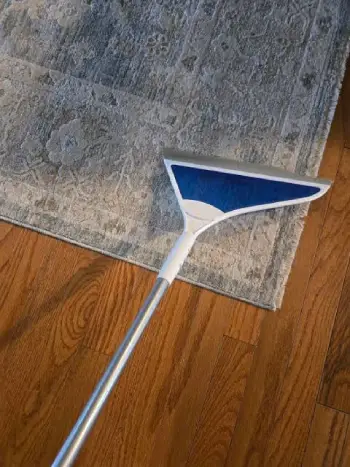
My first impression of the Helio Air Broom was that it was trying to solve a familiar household problem in a different way.
Instead of relying entirely on traditional bristles to gather debris, the concept centers around airflow.
That immediately caught my attention because I often find conventional brooms frustrating when I’m trying to clean fine dust, crumbs, pet hair, or debris from smooth floors.
I have always appreciated cleaning tools that make everyday chores faster. When I sweep my kitchen after cooking, for example, I don’t want to spend several minutes pushing tiny particles around before finally collecting them.
The same applies to entryways, garages, patios, workshops, and other areas where loose debris tends to accumulate.
The Helio Air Broom sounds appealing for exactly that reason. The idea is simple: use airflow to move unwanted material rather than depending exclusively on physical contact. In theory, that can make certain cleaning jobs more convenient.
But my assessment changed when I looked beyond the concept itself.
A cleaning product can have an interesting design and still fail to deliver the consistency I expect from something I use regularly. That’s where I became more cautious about the Helio Air Broom. The concerns reflected in customer feedback made me question whether the product offers enough reliability for its price and intended purpose.
One thing I pay attention to with cleaning equipment is consistency. I don’t need a tool to perform miracles. I simply want it to work when I pick it up.
If I sweep my kitchen floor today, I expect roughly the same result tomorrow. If I’m clearing crumbs from around furniture, I don’t want to repeatedly go over the same area. If I’m cleaning a garage, I want enough practical performance to move debris where I actually want it.
That’s why airflow alone isn’t enough to convince me.
The Helio Air Broom may be useful for certain lightweight debris, but I would not treat it as a universal replacement for every broom, vacuum, or blower. Air-based cleaning has natural limitations. Lightweight particles can be moved easily, but heavier debris, stuck-on dirt, damp material, and debris trapped in textured surfaces require a different approach.
I also consider control.
With a traditional broom, I can physically guide debris into a pile. With an air-powered cleaning tool, airflow becomes part of the equation. The direction, intensity, and surrounding environment can influence where dust and small particles go. If you’re not careful, moving debris doesn’t necessarily mean removing it. You may simply send it somewhere else.
That distinction matters.
When I clean, my goal isn’t merely to relocate dirt. I want to collect it or move it toward a place where it can be removed efficiently.
Another concern is practicality. A product can be lightweight and innovative while still being inconvenient if charging, storage, maintenance, or durability becomes an issue. That’s particularly important with cordless household tools. Battery-powered convenience sounds excellent until the battery doesn’t last long enough for the job or the device doesn’t maintain its original performance.
This is one reason I wouldn’t make the Helio Air Broom my first choice.
I also wouldn’t ignore customer reviews. Individual reviews can be subjective, and one unhappy customer doesn’t automatically mean a product is bad. However, when negative experiences repeatedly involve concerns such as performance, durability, value, or reliability, I think prospective buyers should pay attention.
For me, that is enough to change the recommendation from “worth trying” to “consider alternatives first.”
The concept remains interesting. I can see why someone might be attracted to an air broom. But when I evaluate a household cleaning tool, I care more about dependable results than novelty.
And that’s where the Helio Air Broom doesn’t convince me strongly enough.
Pros Of The Helio Air Broom
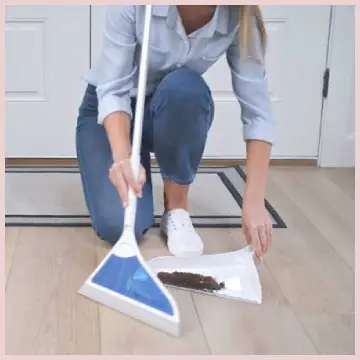
- Lightweight Cleaning Concept
One of the strongest aspects of the Helio Air Broom is its basic concept. An air-based cleaning tool can potentially reduce the physical effort involved in moving lightweight debris.
I like cleaning tools that don’t require me to drag a heavy appliance around for a tiny mess. For quick jobs, convenience matters.
If you have a few crumbs, loose dust, or lightweight debris on a hard surface, an air broom can seem appealing because you’re using directed airflow rather than repeatedly pushing a traditional broom.
- Potentially Convenient for Quick Messes
Nobody wants to pull out a large vacuum every time a small amount of dirt appears.
That’s where a compact cleaning tool can make sense.
For quick cleanup jobs, having something readily available may encourage you to clean immediately rather than allowing small messes to accumulate.
I’ve found that convenience often matters more than people realize. A tool doesn’t have to be the most powerful device in the house if it makes small cleaning tasks easier.
- Useful Airflow-Based Approach
The airflow concept is different from conventional sweeping. Instead of collecting debris with bristles, you can move it through controlled air.
This can be useful in situations where you want to clear a particular area quickly.
However, I would still keep expectations realistic because airflow isn’t equally effective against every type of debris.
- Simple Alternative to Traditional Sweeping
Some users may prefer the feel of an air-based tool compared with a conventional broom.
There is something appealing about clearing a surface without constantly bending down to collect dirt from broom bristles or dealing with dust getting caught between them.
For the right situation, that can make cleaning feel less tedious.
- Potential Use in Different Areas
An air broom may have practical applications beyond the kitchen.
You could consider this type of tool for garages, workshops, patios, entryways, or other hard-surface areas where loose debris is common.
The important point is to use it for the jobs it is actually suited to.
Cons Of The Helio Air Broom
- Customer Feedback Makes Me Cautious
This is the biggest reason I wouldn’t recommend the Helio Air Broom.
As you evaluate the product, negative customer experiences deserve serious consideration. While individual reviews can be unreliable, repeated complaints can reveal potential weaknesses that promotional descriptions don’t necessarily communicate.
When I’m spending money on a household tool, I want confidence that the product will continue working properly after the initial excitement wears off.
The negative feedback associated with this product makes me less confident about that.
- Not a Complete Replacement for a Vacuum
An air broom has a fundamentally different job from a vacuum.
A vacuum pulls debris into a container. An air broom primarily moves debris using airflow.
That means you’ll still need another method of collecting or removing the debris.
For some users, that may defeat part of the purpose.
If I have to use another cleaning tool immediately afterward, I start questioning whether the additional device is actually saving me much time.
- Airflow Can Move Dust Instead of Removing It
This is another important limitation.
Moving dirt doesn’t always equal cleaning.
Fine dust can be particularly problematic because airflow may cause it to scatter. Instead of gathering everything neatly, you could end up redistributing particles across the surrounding area.
That’s something I’d consider before using an air-powered cleaning device indoors.
- Performance May Vary With Different Debris
Loose crumbs are one thing.
Heavier particles, damp debris, hair tangled into fibers, or dirt stuck to a textured floor are completely different challenges.
A product like this needs to be judged according to the type of debris you’re trying to remove.
If your home regularly needs deep cleaning, I would not rely on the Helio Air Broom as your primary solution.
- Value Becomes a Concern
Price matters.
Even a clever cleaning product isn’t a good purchase if it doesn’t deliver enough practical benefit for the money.
Because of the concerns around performance and customer satisfaction, I’m not convinced the Helio Air Broom offers the kind of value that would make me recommend taking the risk.
There are established cleaning tools available that may provide a more predictable experience.
Maintenance for Helio Air Broom
- Keep the Air Path Clear
If you already own an air broom, one of the first things I would do is keep its airflow openings clear.
Dust and debris can accumulate around vents and intake areas. If airflow becomes restricted, performance may suffer.
I make it a habit to inspect these areas regularly rather than waiting until the tool noticeably loses power.
Always switch the device off before cleaning around moving or powered components.
- Clean the Exterior Regularly
You don’t need an elaborate maintenance routine.
A dry or slightly damp cloth can usually help remove surface dust from the housing. Avoid soaking electrical components or allowing moisture to enter openings.
Keeping the exterior clean also makes it easier to spot cracks, loose parts, or other signs of wear.
- Pay Attention to Battery Care
If your version uses a rechargeable battery, battery maintenance is important.
Avoid exposing the battery or charger to excessive heat or moisture. Use the appropriate charger and follow the manufacturer’s charging instructions.
I also wouldn’t leave a battery-powered device charging indefinitely unless the instructions specifically permit that practice.
A battery is one of the most important components in a cordless cleaning tool, so treating it carefully can help maintain dependable operation.
- Don’t Force It Through Heavy Debris
This is a mistake I would avoid.
If you’re trying to clear heavy debris, don’t assume that increasing effort will make an air broom perform like a powerful blower.
Use the tool within its intended range.
If material isn’t moving easily, switch to a more appropriate cleaning method instead of repeatedly forcing the device.
- Avoid Wet Messes Unless Specifically Designed for Them
Air-powered electrical cleaning devices are generally not something I would use around wet spills unless the product is specifically designed for that purpose.
Water and electrical components are a poor combination.
For wet messes, I would choose a cleaning method specifically designed to handle moisture.
- Store It in a Dry Place
Storage can affect the life of almost any household tool.
I would keep an air broom somewhere dry, clean, and protected from extreme temperatures.
Don’t leave it where it can constantly collect dust or get knocked around.
A simple storage routine can prevent unnecessary wear.
Comparison Of Helio Air Broom With Other brand
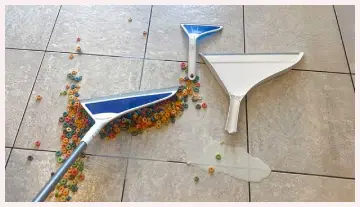
- Helio Air Broom vs. Traditional Brooms
A traditional broom remains one of the simplest cleaning tools available.
That’s actually one of its biggest strengths.
I don’t need to charge it. I don’t need to worry about battery life. I can use it immediately, and it works for many different types of dry debris.
The Helio Air Broom has the advantage of a more modern approach, but modern doesn’t automatically mean better.
For someone who wants a basic, dependable cleaning tool, a conventional broom may still be the more practical choice.
On the other hand, someone who dislikes physical sweeping may appreciate the airflow concept.
The choice ultimately comes down to what you value more: simplicity and reliability or a powered approach to moving loose debris.
- Helio Air Broom vs. Cordless Vacuum Cleaners
This is where I become more skeptical of the Helio Air Broom.
A cordless vacuum is designed to collect debris rather than simply push it around.
When I clean my home, I generally prefer a tool that removes dirt from the floor rather than moving it into another area.
Cordless vacuums can also handle a broader range of cleaning tasks, depending on their design and attachments.
The Helio Air Broom may be quicker for certain small cleanup jobs, but a capable cordless vacuum can be considerably more versatile.
If I’m buying only one powered cleaning device, I’d generally prioritize the more versatile option.
- Helio Air Broom vs. Electric Sweepers
Electric sweepers occupy an interesting middle ground.
They are typically designed for quick surface cleaning and may be easier to operate than a full-size vacuum.
For people who want something between a traditional broom and a vacuum, an electric sweeper may make more sense.
The key factor is whether the device actually collects debris.
I prefer collection-based cleaning because I don’t have to worry as much about where the debris ends up.
That’s an important distinction when you’re comparing products.
- Helio Air Broom vs. Handheld Cleaning Tools
For tiny messes, a simple handheld vacuum can sometimes be more practical.
If I spill a small amount of dry food or need to remove crumbs from a particular spot, I can quickly grab a compact vacuum and collect the debris.
That approach feels more complete to me because the dirt disappears into the collection container.
An air broom can still have a role, particularly when moving loose debris across a larger hard surface, but its usefulness depends heavily on the situation.
Frequently Asked Questions (FAQ)
It may move lightweight loose debris using airflow, but I wouldn’t consider it a complete replacement for a vacuum or traditional broom.
Its actual lifespan can vary depending on usage, battery condition, maintenance, and component durability. Because of the customer concerns surrounding the product, I wouldn’t assume exceptional longevity.
Several cleaning-related products have appeared on or been associated with Shark Tank, so the exact product depends on which air-broom-style product you’re referring to.
There isn’t one universal best air broom. I would prioritize reliable performance, battery life, durability, ease of maintenance, and strong customer satisfaction rather than choosing based solely on the airflow concept.
Final Verdict
After reviewing the Helio Air Broom from a practical user perspective, I wouldn’t recommend buying it.
The idea of using airflow for quick cleaning is interesting, but the concerns surrounding performance, value, and customer satisfaction make me hesitant.
If you want a dependable cleaning tool, I’d spend my money on a well-established broom, electric sweeper, or cordless vacuum with a stronger track record.
For me, reliable everyday performance matters more than an innovative concept, and that’s why I’d choose an alternative over the Helio Air Broom.
Recent Posts
I tried Meltoway Hair Dissolving Cream because I wanted a quick way to deal with unwanted body hair without reaching for a razor every few days. If you are looking for a convenient at-home...
If you’re considering a saffron-based supplement to support mood, appetite control, and everyday wellness, Happy Saffron Plus is worth considering.I like that it takes a familiar botanical...