
I decided to compare Helio Pet and LumaSoothe because I needed a practical, at-home red light therapy option for my aging dog’s joint stiffness and occasional skin irritation.
After testing both devices myself and tracking real results over several weeks, I want to share a clear, side-by-side analysis so you can choose the one that actually fits your pet’s needs and your daily routine.
| Feature | Helio Pet | LumaSoothe 2 |
| Primary Wavelengths | 635 nm red + 850 nm near-infrared | 5 wavelengths: 940 nm IR, 650 nm red, 520 nm green, 470 nm blue, 590 nm yellow |
| Treatment Modes | Single combined mode | Two distinct modes: Deep Treatment (DT) and Surface Treatment (ST) |
| Approx. Price | $297–$349 | Around $189 |
| Power Style | Higher power density, laser-style diodes | LED-based, pulsed wave |
| Best For | Short-haired pets, mild joint care | Multi-condition use, skin + joints |
| Treatment Time | Often 5–10+ minutes per area | Typically 10–15 minutes per session |
| Fur Penetration | Limited without parting/shaving | Moderate, still challenged by thick coats |
| Portability | Handheld, solid build | Very light (5.1 oz), ergonomic |
| Battery | Rechargeable | Built-in lithium-ion, USB-C |
| Warranty | Often lifetime on some models | 2 years |
Understanding The Technology Behind These Devices
When I first started looking into red light therapy for pets, I wanted something that went beyond marketing claims.
Both Helio Pet and LumaSoothe use photobiomodulation. Specific light wavelengths interact with cells to support energy production.
They also help reduce inflammation and encourage tissue repair. The difference lies in how each device delivers that light.
Helio Pet focuses on two well-established wavelengths. LumaSoothe takes a broader approach with five wavelengths and two modes.
I treated the same areas on my dog with each unit on alternating weeks. I tracked ease of use, session length, and visible changes. The results were not identical. That is why a careful comparison matters.
Key Differences Between Helio Pet And Lumasoothe
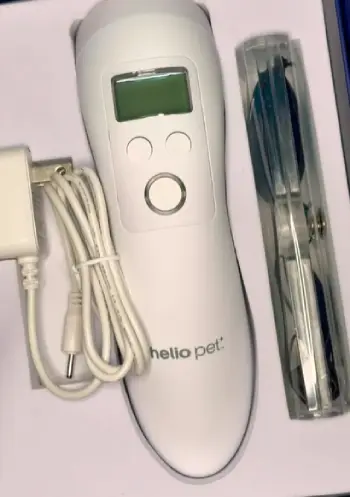
- Wavelength strategy: Helio Pet sticks to the classic red-plus-near-infrared pairing.
This setup favors musculoskeletal issues.
LumaSoothe spreads energy across five colors. One session can support skin health and deeper tissue at the same time.
- Mode flexibility: Helio Pet runs a single combined output. You simply place the device and hold.
LumaSoothe lets you switch between Deep Treatment mode for joints and Surface Treatment mode for skin.
I found the switch useful for mixed issues.
- Power delivery and contact: Helio Pet delivers a stronger power density through fewer diodes.
The housing has a small lip that keeps emitters slightly away from the skin.
LumaSoothe uses LEDs with pulsed output and sits closer to the coat.
- Design and daily handling: Helio Pet feels solid and substantial in the hand.
LumaSoothe is noticeably lighter. It is easier to maneuver around a restless pet for the full treatment window.
- Guidance and claims: Helio Pet comes with basic instructions. Some strong marketing language about power advantages appears.
LumaSoothe provides clearer mode descriptions and condition lists. This helped me plan sessions with less second-guessing.
- Session length needed: Helio Pet can finish targeted spots faster when contact is good.
LumaSoothe usually requires longer total minutes to build a similar energy dose.
- Overall versatility: Helio Pet works best as a focused joint tool. LumaSoothe covers both joint comfort and surface skin or coat care in one unit.
Key Features Of Helio Pet
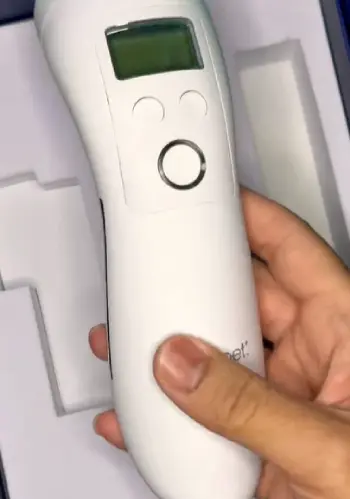
- Dual-wavelength output: The device uses 635 nm red and 850 nm near-infrared light.
These ranges support surface healing and deeper tissue work.
I saw steady improvement in mild joint stiffness with consistent use.
- Compact handheld form: The unit fits comfortably in one hand.
It feels durable enough for daily handling around an active pet.
- Rechargeable battery: No cord is needed during sessions.
I could follow my dog around the room if he shifted position.
- Straightforward operation: One button controls the single mode.
There is almost no learning curve on tired evenings.
- Targeted power density: Measured output falls within accepted veterinary guidelines when contact is good.
This gave me confidence the energy was meaningful.
- Solid build quality: The housing held up well after regular use and one accidental drop. Reliability matters for a daily tool.
- Simple placement style: You press the head against the area and hold. No mode switching is required during treatment.
Pros Of Helio Pet
- Solid power for the price: Energy delivery feels concentrated on short-haired areas. Mild morning stiffness eased after two weeks of use.
- Simple and fast operation: Sessions stay relatively short once you learn the best angles. Firm contact improves results.
- Durable construction: The device handles regular daily use without issues. Build quality supports long-term ownership.
- Focused joint support: Owners targeting mild-to-moderate mobility problems often find this approach sufficient.
- Strong after-sales options: Some models offer extended or lifetime warranty promotions. This adds peace of mind.
- Quick readiness: The single mode means no decision time before starting a session. Consistency becomes easier.
- Noticeable early changes: Mobility gains appeared a bit sooner in the first ten days under good contact conditions.
Cons Of Helio Pet
- Fur penetration limits: The small lip and lack of a comb attachment reduce light through thick coats. Parting the fur becomes necessary.
- Basic guidance only: The included pamphlet stays general. New users may feel unsure about exact timing for different problems.
- Higher price point: It costs more than many multi-wavelength LED options. The investment suits committed daily users best.
- Single-mode restriction: No separate setting exists for pure skin work. Coat and surface care feel secondary.
- Contact sensitivity: Results drop if the head sits too far from the skin. Firm pressure is required each time.
- Marketing claims: Some power advantage statements are hard to verify independently. Realistic expectations help.
Less ideal for long coats: Extra preparation time is needed for dense fur. This can slow the overall routine.
Key Features Of Lumasoothe
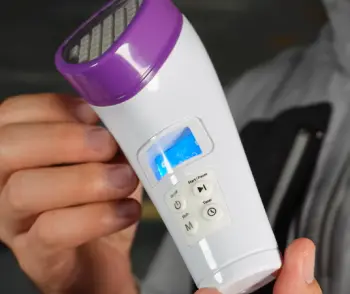
- Five wavelengths in one head: Infrared, red, green, blue, and yellow cover a wide set of responses. Blue light helped with minor surface irritation in my testing.
- Two dedicated treatment modes: Deep Treatment mode targets joints and muscles. Surface Treatment mode focuses on skin and coat. Switching takes one button press.
- Pulsed wave technology: The light flashes rather than staying continuous. This delivery felt gentler on sensitive skin areas.
- Extremely light weight: The unit weighs just over five ounces. My hand never grew tired during longer sessions.
- Clear dual-purpose design: The device handles both pain support and skin care. I did not need a second tool for coat issues.
- USB-C charging: The built-in battery recharges easily with a common cable. Daily readiness stayed simple.
- Ergonomic shape: The form fits the palm well. It stays steady even when the pet moves slightly.
Pros Of Lumasoothe
- Versatile multi-wavelength coverage: One device handles joint discomfort and surface skin concerns. I treated both issues in the same evening.
- Lower entry price: The cost makes it accessible for first-time users. Trying light therapy feels less risky.
- Lightweight comfort: The five-ounce weight reduces hand fatigue. Longer sessions stay manageable.
- Clear mode separation: Knowing which setting targets joints versus skin removes guesswork. Daily consistency improves.
- Helpful pulsed and blue light: These features supported faster visible change on minor skin irritation. Results felt encouraging.
- Easy daily handling: The ergonomic shape works well with restless pets. Placement stays steady.
- Broad condition support: The design suits owners managing more than one mild issue at once.
Cons Of Lumasoothe
- Lower overall intensity: Sessions need more total minutes to match higher-powered doses. Busy schedules can make this harder.
- Fur still blocks light: Dense coats reduce effective delivery. Parting or light clipping remains helpful.
- LED-style output: The broader beam suits general use. It is less ideal for the strongest deep-tissue dose in short time.
- Standard two-year warranty: Coverage is adequate but shorter than some lifetime offers. Long-term support differs.
- Gradual deep results: Advanced joint issues may show slower change. Patience and consistency are required.
- Longer time commitment: Full sessions take more calendar minutes each day. Maintaining the habit needs planning.
- Less concentrated power: Spot treatments feel milder than laser-style diodes. Multiple passes help build dose.
Real-World Performance From My Testing
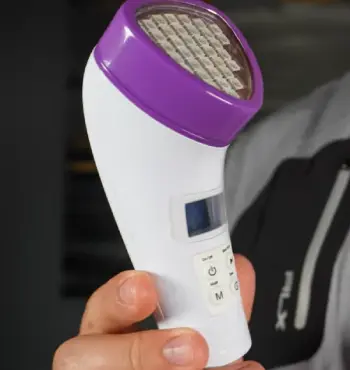
I tracked three main markers. Morning mobility scored how readily my dog stood and walked after rest. Visible skin condition on a recurring dry patch was noted.
My own willingness to complete the full session every day also mattered. Helio Pet scored higher on mobility when fur was parted and contact stayed firm.
Changes appeared a bit faster in the first ten days. LumaSoothe excelled on the skin patch. It felt easier for full-body maintenance because of its lighter weight and dual modes.
Over a full month the mobility gains converged. LumaSoothe required more total minutes on the calendar. Both devices stayed cool to the touch.
No adverse reactions appeared. My dog tolerated the sessions well once the routine included quiet praise and a small treat.
Consistency mattered more than which unit I chose on any given day. Missing three consecutive sessions erased most recent progress with either device.
Who Should Choose Helio Pet?
If your pet has a short coat, your primary concern is mild-to-moderate joint or muscle discomfort, and you prefer stronger power density in a simple one-mode package, Helio Pet aligns well.
Owners who already understand basic dosing and are willing to manage fur contact carefully will get the most from it.
The higher price is easier to justify when the device becomes a daily tool.
Who Should Choose LumaSoothe?
If you want one affordable device that covers both joint support and skin or coat care, or if you prefer a lighter tool with clear mode options, LumaSoothe is the more flexible everyday companion.
Budget-conscious owners and those treating multiple mild issues will appreciate the broader wavelength mix. The longer session times are the main trade-off.
Practical Tips For Better Results With Either Device
I learned several habits that improved outcomes. Treat after a short walk or gentle massage so blood flow is already elevated. Part the fur with your fingers or a wide-tooth comb before placing the light.
Even a few seconds of parting raises the effective dose. Keep a simple log of minutes per area and any changes in gait or skin.
Stay consistent for at least three weeks before deciding the tool is not helping. Light therapy is cumulative.
Check with your veterinarian before starting if your pet has any diagnosed cancer, open wounds that need medical care, or photosensitivity issues.
Neither device replaces professional veterinary diagnosis or treatment. They function best as supportive tools between clinic visits.
Also Read: Is Toloco Massage Gun worth It?
Frequently Asked Questions (FAQ)
The best choice depends on coat type, primary condition, and budget. Helio Pet suits short-haired dogs focused on joint comfort. LumaSoothe suits multi-issue or budget-conscious homes.
Yes. Independent testing confirms its wavelengths and power fall within accepted ranges. Many owners report measurable comfort improvements with consistent use.
LumaSoothe is a legitimate low-level light therapy device. It uses established wavelengths and pulsed delivery. User reports support its role for home skin and joint care.
Some owners have used it for personal joint discomfort with positive feedback. The device is marketed and designed for pets. Human use should follow manufacturer guidance and common safety practices.
Final Thoughts
I set out to find which of these two popular home devices would serve my dog most effectively. The answer turned out to be more personal than absolute.
Helio Pet delivered stronger, faster results on short-haired joint areas when I managed contact carefully. LumaSoothe gave me broader coverage, easier handling, and better skin support at a lower price.
Your decision should rest on your pet’s coat, the main problems you want to address, and how much time you can realistically spend each day.
Whichever unit you select, treat the process as a steady daily habit rather than a miracle cure.
When you stay consistent and keep your veterinarian informed, both tools can meaningfully improve comfort and quality of life. The right choice is the one you will actually use every day.
Recent Posts
I spent months comparing budget options against established names after my last set of tires wore out sooner than expected.My goal here is to share what I learned from putting Dextero and...
AquaTru Carafe Vs. Classic: Which Is Actually Fits Your Kitchen?
I decided to write this comparison after months of testing both the AquaTru Carafe and the Classic in my own kitchen. Tracking covered daily use.Taste stayed consistent. Refill frequency...