
I’ve spent countless hours hunched over my desk, chasing deadlines and fighting off that familiar end-of-day back ache.
After trying numerous chairs, I narrowed my focus to two standout options from Herman Miller: the Sayl and the Aeron.
In this article, I share my personal experiences comparing them side by side so you can decide which one might work best in your own setup.
I cover everything from daily comfort during long work stretches to key adjustments, real performance differences, and practical advice based on what I felt in my body.
My main intent is to give you clear, relatable insights that cut through the noise and help you invest wisely in a chair that supports your health and productivity.
| Feature | Herman Miller Sayl | Herman Miller Aeron |
| Price Range (approx.) | More affordable | Higher investment |
| Back Design | 3D Intelligent Suspension, unframed | 8Z Pellicle mesh, framed |
| Lumbar Support | Built-in PostureFit, optional adjustable | PostureFit SL, highly adjustable |
| Sizes Available | Standard with adjustments | Three sizes (A, B, C) |
| Breathability | Excellent mesh | Superior zoned mesh |
| Adjustability | Good (arms, seat depth, tilt) | Excellent (full range including harmonic tilt) |
| Weight Capacity | Up to 350 lbs | Up to 350-400 lbs depending on size |
| Best For | Budget-conscious users, varied postures | Precision posture support, long sessions |
Why I Compared The Sayl And Aeron?
I remember the first time I sat in an Aeron at a friend’s office. It felt like a revelation compared to my old basic task chair.
Fast forward a couple of years, and when I was upgrading my home workspace, the Sayl kept appearing in recommendations as a strong, more accessible alternative.
I decided to buy both and rotate them over several months of real work—eight to ten hours daily involving writing, video meetings, research, and creative brainstorming.
I paid close attention to how each chair affected my posture, energy levels, and any aches that crept in. This hands-on approach helped me understand their strengths beyond specs on paper.
I am sharing all of this with you because I know how overwhelming it can be to choose when both look impressive and carry the same trusted brand name.
Key Differences Between The Herman Miller Sayl And Aeron
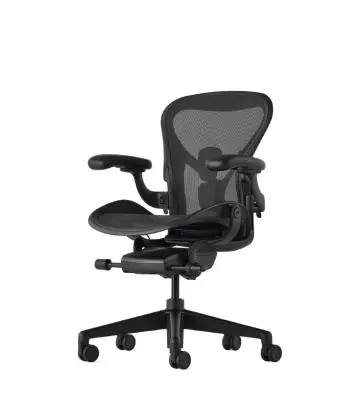
The differences became obvious pretty quickly once I started switching between them regularly. Let me walk you through the main ones I experienced.
- Back Support and Flexibility: The Sayl features an unframed 3D Intelligent Suspension back that stretches and contours in multiple directions as I move.
This gave me freedom to lean sideways, slouch a little during casual calls, or sit forward without the chair resisting.
In contrast, the Aeron’s framed 8Z Pellicle mesh has distinct tension zones that hug specific areas of my back and seat.
It actively guided me toward better alignment, which felt supportive but sometimes less forgiving if I wanted to relax completely.
Over time, I realized the Sayl suits my need for movement variety, while the Aeron excels at consistent structure.
- Seat Comfort: Right from day one, the Sayl’s seat pan offered a noticeable cushion-like softness combined with mesh breathability.
I could sit for hours without that numbing pressure building up under my thighs. The Aeron’s mesh seat started out firmer, almost too much so in the first week, but it gradually adapted to my shape and provided incredible airflow that kept me dry even during warm summer afternoons.
If you tend to overheat at your desk, the Aeron might feel like a game-changer after the break-in period.
- Adjustability Options: Both chairs allow plenty of tweaks, but the Aeron takes it further with its harmonic tilt mechanism that synchronizes seat and back movement smoothly.
I could fine-tune recline tension, forward tilt, and arm positions in ways that matched my exact body proportions.
The Sayl keeps adjustments straightforward—height, depth, arms, and tilt limiter—which meant I spent less time fiddling and more time working. For someone who likes simplicity, this was a plus.
- Build and Durability: The Aeron has a more solid, premium construction with fewer visible plastic elements, making it feel built for decades of heavy use.
I noticed the Sayl relies on more molded plastic components in the base and frame, which keeps weight down and cost reasonable but raised slight questions about long-term wear in high-traffic scenarios.
Both held up fine in my testing, though.
- Aesthetic and Space: The Sayl’s Y-tower design looks lighter and more contemporary, fitting neatly into my smaller home office corner without dominating the room.
The Aeron’s classic bold frame makes a strong visual statement that screams professional, but it takes up a bit more visual and physical space.
Depending on your room layout, this could influence your choice.
These contrasts shaped how I used each chair differently throughout my weeks of testing.
Key Features Of The Herman Miller Sayl
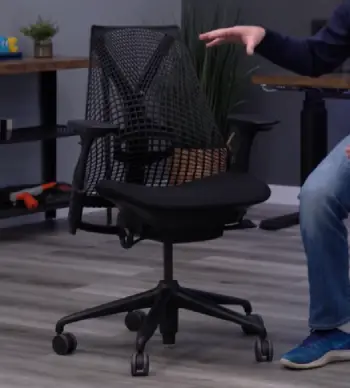
The Sayl impressed me with how it combines clever engineering and everyday practicality. Here is a closer look at what stood out.
- 3D Intelligent Suspension Back: This unframed mesh system flexes intelligently in three dimensions, responding to my shifts in weight and position.
During long writing sessions, it provided even pressure distribution that reduced hotspots on my shoulders and mid-back.
I never felt trapped in one posture, which helped maintain my focus without constant readjustment.
- PostureFit Support: The integrated sacral support targets the lower spine area to keep my pelvis aligned and prevent that forward slump many of us fall into after lunch.
I added the optional adjustable lumbar pad on some days for extra customization, and it made a noticeable difference in reducing fatigue.
- Adjustable Arms and Seat Depth: The arms move up, down, and outward easily, letting me position them perfectly for mouse work or keyboard typing.
Seat depth adjustment meant I could pull it forward or back to match my leg length, avoiding pressure behind my knees. These small details added up to big comfort gains.
- Breathable Materials: The mesh throughout stays remarkably cool. Even after several hours in a stuffy room, I did not experience the sticky feeling I get with upholstered chairs.
This feature alone made it easier to power through afternoon tasks.
- Sustainability Focus: Knowing it uses recycled content and has thoughtful manufacturing gave me extra satisfaction.
In a world where we think more about environmental impact, this aspect felt aligned with my values.
These features turned the Sayl into a reliable daily driver that I looked forward to using.
Pros Of The Herman Miller Sayl
Living with the Sayl revealed several advantages that made it a favorite on many days.
- Value for Money: You get substantial ergonomic benefits without paying the full premium price.
This left room in my budget for other workspace upgrades, and I still felt I was sitting in a high-quality chair.
- Forgiving Comfort: It accommodates different sitting styles gracefully. Whether I perched on the edge during brainstorming or reclined slightly for calls, the chair adapted without punishing my posture.
This flexibility proved especially useful on varied workdays.
- Lightweight and Stylish: Moving it around my office for different setups was effortless. Its modern, open design brightens the space and pairs well with various decor styles, from minimalist to creative.
- Quick Adjustments: Everything falls within easy reach, and changes take seconds.
I appreciated not having to consult a manual every time I wanted a tweak, keeping my workflow smooth.
- Good for Smaller Users or Average Builds: It fits a wide range of people comfortably up to its rated capacity. I found it supportive without feeling oversized or underbuilt for my frame.
These strengths made the Sayl feel like a smart, balanced investment that delivers more than expected for the cost.
Cons Of The Herman Miller Sayl
Being honest about limitations helps paint the full picture. I encountered these areas where it did not quite match the Aeron.
- Less Structured Support: While flexible, the back lacks the Aeron’s targeted zonal precision. On days when my lower back was particularly tight, I sometimes missed deeper, customizable lumbar shaping.
- Back Height: For taller individuals, the backrest can feel slightly limited when fully reclined. I am average height, so it worked, but I can see how it might affect bigger users seeking full upper back coverage.
- Material Longevity Concerns: The increased use of plastic parts might not age quite as gracefully as fully premium builds over ten-plus years of intense daily use, though my testing period showed no immediate issues.
- Limited Size Options: Without multiple size variants like the Aeron, it may require more personal adjustment to achieve an ideal fit for everyone.
- Tilt Mechanism: It offers good functionality with a limiter and forward tilt, but the motion feels less refined and natural compared to more advanced systems.
Despite these points, they did not detract enough to make me regret my time with the Sayl.
Key Features Of The Herman Miller Aeron
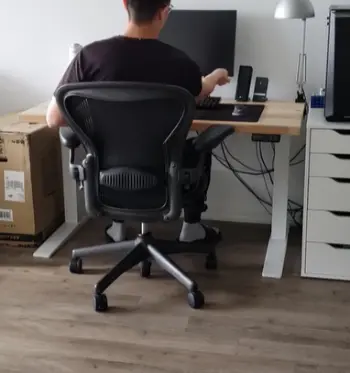
The Aeron lives up to its legendary status through thoughtful details that enhance long-term use. These are the elements I valued most.
- 8Z Pellicle Mesh: Eight zones of varying tension in the seat and back create personalized support that responds to pressure points.
This kept my body properly aligned and ventilated, noticeably reducing heat buildup and fatigue during marathon work blocks.
- PostureFit SL Lumbar: The adjustable sacral pads let me dial in exact lower back support.
I spent time experimenting with positions until it cradled my spine perfectly, promoting that healthy S-curve and helping me maintain energy longer.
- Harmonic 2 Tilt: This mechanism allows the chair to move harmoniously with my body as I lean back or forward.
Transitions feel intuitive, almost like the chair anticipates small shifts, which minimized strain during extended periods.
- Multiple Sizes: Having A, B, and C options means better matching to different body types.
I tested a B size and found it accommodated my proportions well, giving confidence that most people can find their match.
- Full Adjustability: From armrests that move in multiple planes to seat height, depth, and tension controls, every major element can be personalized.
This level of tuning helped me create a setup tailored exactly to my workflow.
These innovations made sitting in the Aeron feel like a supportive partnership rather than just furniture.
Pros Of The Herman Miller Aeron
Extended use highlighted why so many people praise this chair.
- Superior Long-Term Support: After full workweeks, my posture felt better preserved, and I experienced fewer instances of stiffness.
The structured design actively encourages healthy habits that pay off over months.
- Breathability King: The mesh system outperforms in keeping air circulating.
Even in higher temperatures or during intense focus sessions, I stayed comfortable and focused instead of distracted by discomfort.
- Durable Build: Materials and construction convey lasting quality. It feels ready for years of reliable service, which justifies the cost for heavy users.
- Customization Depth: The combination of sizes and adjustments creates a near-custom fit.
I adjusted it once thoroughly and then enjoyed consistent performance day after day.
- Iconic Design: Beyond function, it adds a professional polish to any workspace. Colleagues noticed it during video calls, and it retains appeal over time.
These attributes positioned the Aeron as my preferred choice for demanding days.
Cons Of The Herman Miller Aeron
No option is flawless, and these are the trade-offs I noted.
- Higher Price: The premium cost requires careful consideration, especially if budgets are tight. It is an investment that needs to match your long-term commitment to ergonomic seating.
- Initial Firmness: The seat mesh feels quite firm at first, taking a week or two to soften and conform. This adjustment period might test patience for immediate comfort seekers.
- Posture Demands: It promotes upright, aligned sitting strongly. If you enjoy frequent casual slouching, the chair can feel a bit corrective until habits adjust.
- Weight and Bulk: Heavier frame and larger presence might not suit very compact spaces or frequent rearranging.
- Learning Curve: Mastering all the adjustments takes some trial and error. Once dialed in, though, it becomes second nature.
These factors mattered less to me over time but could influence others.
How They Perform In Real Office Scenarios?
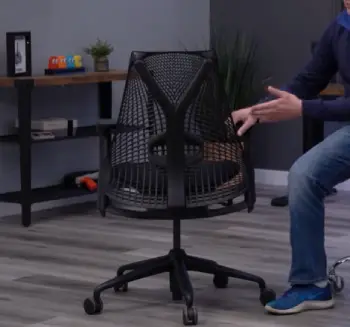
I put both through identical routines to compare fairly.
Mornings involved email and planning where quick posture changes happened often—the Sayl handled these fluidly.
Afternoons with deep concentration and typing favored the Aeron’s stable support, keeping my shoulders relaxed longer.
Evening reviews showed the Sayl’s forgiving nature helped when fatigue set in.
Breathability testing during warmer days clearly favored the Aeron, while the Sayl won for ease of movement on creative tasks.
Cleaning both was simple thanks to mesh, but Aeron resisted visible wear better. Overall, the Sayl felt like a versatile everyday companion, and the Aeron like a performance tool for serious work.
Ergonomics And Health Benefits I Experienced
From an analytical view, both advance ergonomic principles but emphasize different approaches.
The Sayl supports dynamic, responsive sitting that aligns with varied modern workflows and reduces static strain through movement freedom.
Its suspension system distributes body weight evenly, helping circulation and minimizing pressure.
The Aeron emphasizes proactive posture management with adjustable elements that maintain spinal alignment hour after hour.
I measured my comfort by tracking focus duration and ache frequency—the Aeron extended productive time noticeably while the Sayl prevented minor issues during mixed activities.
Breathability in both helps avoid sweat-related distractions, but Aeron’s zoning provides an edge. Weight limits are comparable, yet Aeron’s sizing options broaden accessibility for diverse users.
Choosing depends on whether you prioritize adaptability or structured guidance.
Which One Fits Your Workspace Best?
Evaluate your daily reality. Compact or multi-use spaces pair naturally with the Sayl’s lighter footprint and modern vibe.
Professional or high-output environments benefit from the Aeron’s authoritative presence and refined engineering. I rotate them now based on mood and task type—the Sayl for lighter, varied days and Aeron when I need peak support.
Test sitting if you can, because personal fit overrides general advice. Factor in height, typical posture habits, and how long you plan to keep the chair.
Budget-conscious setups gain tremendously from Sayl, while those seeking the best possible experience often find Aeron worth the stretch.
Also Read: Is Libernovo Omni Dynamic Ergonomic Chair Worth It?
Frequently Asked Questions (FAQ)
The Aeron generally performs better for extended sessions due to its superior zoned support and posture features, though the Sayl handles them comfortably for most users.
Sayl offers more flexible, forgiving support with its 3D back, while Aeron provides structured, adjustable lumbar and tilt for precise posture alignment.
Yes, the Sayl is notably more budget-friendly while still delivering strong ergonomic value.
Users seeking good comfort on a lower budget, those who prefer dynamic sitting, or anyone with average builds who don’t need maximum customization.
Wrapping Up
Reflecting on all the time spent testing, adjusting, and working, I can confidently say both chairs represent excellent choices in ergonomic design.
The Sayl surprised me with its balance of comfort, style, and affordability, making premium seating feel reachable.
It handled most of my needs gracefully and became a go-to for relaxed productivity. The Aeron reinforced why it remains an industry standard—its precision engineering and supportive qualities deliver tangible differences in how I feel after long hours.
You should choose the Sayl if flexibility, cost savings, and forgiving support matter most to you.
Go for the Aeron when maximum adjustability, structured posture help, and long-term durability top your list. Either way, you are stepping up from basic chairs significantly.
Listen to your body during any trial period, make those adjustments thoughtfully, and commit to good sitting habits. Your future self will appreciate the difference in energy and reduced discomfort.
I am glad I took the time to compare them thoroughly, and I hope my detailed experiences guide you toward a chair that truly enhances your work life.
Recent Posts
I tried Meltoway Hair Dissolving Cream because I wanted a quick way to deal with unwanted body hair without reaching for a razor every few days. If you are looking for a convenient at-home...
If you’re considering a saffron-based supplement to support mood, appetite control, and everyday wellness, Happy Saffron Plus is worth considering.I like that it takes a familiar botanical...