
I’ve spent countless hours testing premium chairs over the years, logging serious time in everything from budget options to top-tier ergonomic models.
After switching between the Herman Miller Vantum and Embody for extended gaming sessions, intense workdays, and everything in between, I wanted to share my genuine experiences.
In this article, I compare these two chairs in detail to help you decide which one might suit your setup and lifestyle better.
I cover real-world performance, how each feels during actual use, and the practical differences that matter most when you are sitting for long stretches.
My goal is to give you clear insights so you can invest confidently in a chair that supports your gaming, streaming, or daily productivity without regrets.
| Feature | Vantum | Embody |
| Price Range | Around $800–$995 | Around $1,495–$2,000+ |
| Design Style | Full-back gaming with headrest | Pixelated matrix, open back |
| Primary Posture Focus | Active forward-leaning | Dynamic, natural movement |
| Seat Comfort | Cushioned, narrower | Thicker foam (gaming version), adaptive pixels |
| Lumbar/Back Support | PostureFit + thoracic pad | Pixelated back with adjustable fit |
| Adjustability | Good, including headrest | Excellent, highly customizable |
| Breathability | Mesh suspension | Highly breathable matrix |
| Best For | Casual gamers, mixed use | Pro gamers, long intensive sessions |
| Warranty | 12 years | 12 years |
| Weight Limit | Up to 350 lbs | Around 300 lbs |
My First Journey Herman Miller Vantum And Embody
I remember the first time I sat in a high-end ergonomic chair and noticed how much it changed my energy levels after a full day.
That moment pushed me to explore options like the Vantum and Embody more seriously. As someone who balances competitive gaming, content creation, and regular office-style work, I tested both chairs over several weeks.
I played long sessions of fast-paced games, handled video editing marathons, and even used them for casual browsing and reading.
I paid close attention to how my back, neck, shoulders, and legs felt after four, eight, and even twelve hours.
This hands-on approach helped me see strengths and limitations that specs alone cannot reveal. I approached everything from a practical user perspective rather than just listing features.
Key Differences Between The Herman Miller Vantum And Embody
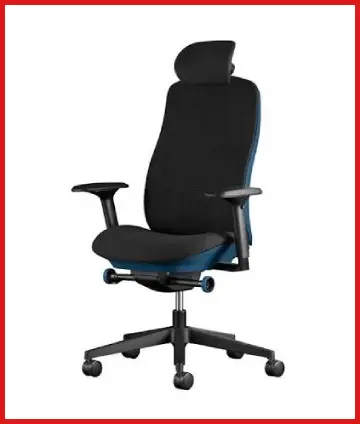
- Posture and Movement Philosophy: The Vantum is built around an active, forward-leaning alignment that keeps your body positioned for quick reactions and focused attention.
I noticed this helped me stay sharp during competitive matches where every second counts, as it naturally discourages slouching and promotes better spinal alignment during upright play.
On the other hand, the Embody supports a wider range of natural movements, allowing effortless shifts between positions without losing support.
This made it feel more forgiving when I wanted to lean back slightly during creative brainstorming or longer storytelling sessions in games, giving my body the freedom to adjust intuitively throughout the day.
- Seat Design and Cushioning: With the Vantum, you get a supportive cushioned seat that feels firm initially but breaks in nicely for upright postures.
However, its narrower design meant that during extended use, I sometimes wanted a bit more room to shift my legs, especially if I sat cross-legged briefly.
The Embody, particularly its gaming version with added foam layering, offers a broader and more adaptive seating surface.
Its pixelated structure distributes weight evenly, which I found reduced pressure on my thighs and tailbone significantly, making it easier to forget I was even sitting after many hours.
- Back and Upper Body Support: The Vantum stands out with its thoracic support pad combined with an adjustable headrest, providing direct relief to the upper back, neck, and shoulders when relaxing between rounds.
This feature became one of my favorites for quick posture resets. The Embody uses its innovative pixel matrix across the entire back, which conforms closely to the curves of your spine.
I could adjust the tension and fit manually, resulting in consistent support that adapted to small movements without any single pressure point building up over time.
- Overall Build and Feel: The Vantum has a lighter, more contemporary gaming-oriented construction with plenty of mesh for airflow, making it easier to move around my setup
. It feels modern and streamlined. The Embody delivers a more substantial, sculpted premium feel with materials that convey durability right from the start.
Over weeks of use, I appreciated how solid and refined it remained, with less flex in the frame compared to lighter designs.
- Adjustability Range: Both chairs offer solid customization, but the Embody provides finer controls over backrest fit, seat depth, and overall tension.
This allowed me to dial it in precisely for different times of day or activities. The Vantum includes straightforward adjustments plus the headrest, which proved convenient for varying my recline angle quickly without complicated levers.
Key Features Of The Herman Miller Vantum
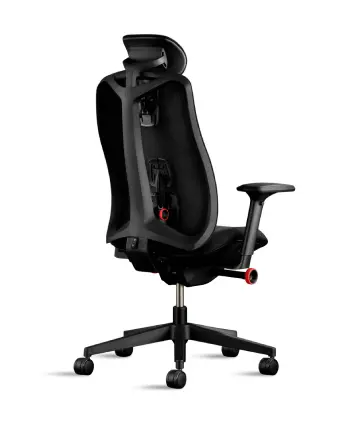
- Active Forward-Leaning Alignment: This core design element encourages you to sit in a way that supports alertness and reduces strain on your lower back during active tasks.
In my gaming sessions, it helped maintain good form even when I was fully immersed, translating to fewer distractions from discomfort and better overall performance in matches that lasted several hours.
- Adjustable Headrest with Thoracic Pad: Unlike many traditional office chairs, this addition gives targeted support to your upper body.
I found it especially useful when switching to a slightly reclined position for watching replays or chatting with friends, as it cradled my neck without forcing my head forward unnaturally.
- PostureFit Lumbar System: The adjustable lumbar support targets your lower back and pelvic area effectively.
I adjusted it a few times initially until it clicked with my body shape, after which it prevented the usual end-of-day fatigue I experienced with lesser chairs, keeping me comfortable through evening streams.
- Breathable Suspension Material: The mesh and suspension elements promote excellent airflow, which mattered a lot during warm gaming sessions.
I stayed cooler and drier compared to memory foam alternatives, reducing that sticky feeling after prolonged use.
- Versatile Adjustments: Controls for seat height, armrests, and tilt tension are intuitive and accessible while seated.
This let me make quick tweaks mid-session, whether I needed higher arms for mouse work or a different tilt for relaxed exploration in open-world games.
Pros Of The Vantum
- Affordable Entry to Herman Miller Quality: Compared to other models in the lineup, it offers strong performance and brand reliability at a more approachable price.
This made it easier for me to justify as an upgrade from mid-range gaming chairs while still gaining premium ergonomic benefits.
- Great for Upright Gaming Postures: The forward alignment shines in scenarios requiring quick reflexes and sustained attention.
I stayed more engaged and experienced less neck tension during fast-paced competitive play, which improved both my enjoyment and results.
- Headrest Convenience: Having an adjustable headrest built in addresses a common gap in many ergonomic chairs.
It provided reliable support during breaks or casual play, reducing strain when I tilted back to think or communicate with teammates.
- Lightweight and Easy to Move: The overall construction is easier to reposition in my room or transport if needed.
This practicality came in handy when rearranging my setup for better cable management or different desk configurations.
- Solid Warranty and Support: The extensive 12-year coverage covers peace of mind, knowing that any issues with mechanisms or materials will be addressed, which is rare in the broader gaming chair market.
These advantages made the Vantum a strong contender for anyone balancing multiple activities at their desk.
Cons Of The Vantum
- Narrower Seat Pan: The seat dimensions work well for average builds but can feel limiting for taller or wider users during very long sessions.
I occasionally shifted more than usual to find a comfortable leg position, especially when wearing bulkier clothing.
- Materials Feel Less Premium: While functional, some plastic components and lighter construction give it a different tactile experience compared to heavier Herman Miller models.
This became more apparent when comparing side-by-side with the Embody.
- Headrest Limitations: Although helpful, the headrest does not suit every height perfectly and may require occasional readjustment.
For users significantly taller than average, it sometimes did not align ideally without extra tweaks.
- Less Adaptive for Extreme Reclining: It performs best in active positions, so deep relaxation modes do not feel as natural or supportive as in chairs designed with more recline emphasis.
I noticed this during downtime activities.
- Initial Firmness: The cushion starts quite firm, needing a break-in period of several days or weeks before reaching optimal softness.
This temporary characteristic required some patience at the beginning.
Being aware of these points helped me set realistic expectations during my testing.
Key Features Of The Herman Miller Embody
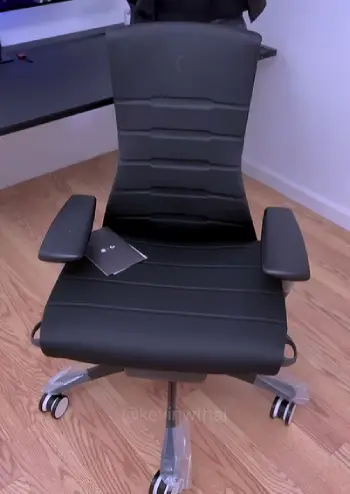
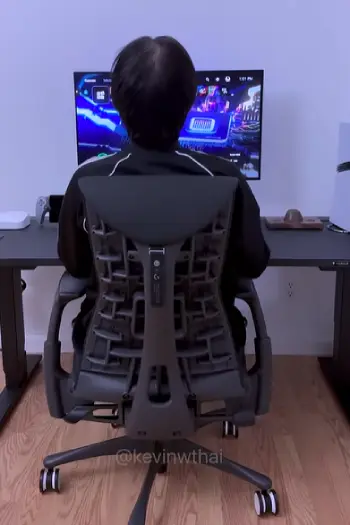
- Pixelated Support Matrix: This signature technology uses a grid of small, flexible pixels that respond to your body’s micro-movements.
It creates a supportive yet dynamic surface that I found prevented numbness or soreness in my back and legs, even after very long continuous sitting periods.
- Balanced Recline and Tilt: The mechanism allows smooth transitions into recline while maintaining lumbar contact.
I enjoyed how it supported healthy movement patterns, encouraging me to shift positions naturally instead of staying rigid, which improved my circulation and focus over time.
- Thicker Gaming Seat Cushion: In the specialized version, the added foam layer provides plushness without sacrificing breathability or support.
This made a noticeable difference for me during all-day use, offering comfort that felt substantial yet never overly soft or sinking.
- Spinal Alignment Customization: You can fine-tune the backrest to match your specific spinal curve.
After a short adjustment period, it felt almost personalized, providing even pressure distribution that helped eliminate the minor aches I used to get from standard chairs.
- Durable, Premium Construction: Every component feels built with longevity in mind, from the frame to the upholstery.
Months into ownership, it still looks and performs like new, giving confidence that it will serve well for years of heavy daily use.
The Embody consistently impressed me with how well it handles demanding schedules without compromising on ergonomics.
Pros Of The Embody
- Unmatched Long-Term Comfort: The way it manages pressure and supports movement stands out after many hours.
I completed full workdays and gaming evenings with noticeably less overall fatigue, maintaining better posture without conscious effort.
- Superior Pressure Distribution: The pixel system excels at eliminating hotspots, which proved valuable for preventing circulation issues or soreness in my hips and lower back that plagued me with other seats.
- Highly Customizable Fit: Multiple adjustment points let me create a setup tailored to my body and changing needs throughout the day.
This level of personalization made it feel like an extension of my workspace rather than just furniture.
- Timeless Design and Build: Its clean aesthetics blend well with various room styles, and the robust materials resist wear effectively.
It continues looking sharp even after regular use.
- Versatile for Work and Play: Whether I was grinding ranked games or handling detailed professional tasks, it adapted seamlessly, supporting focus and creativity without forcing a single rigid position.
These qualities position the Embody as a top performer for users who spend the majority of their day seated.
Cons Of The Embody
- Higher Price Tag: The cost represents a significant investment, which might feel steep if you are coming from more affordable options.
I weighed this carefully against the performance gains before deciding.
- No Standard Headrest: Base configurations lack dedicated neck support for reclined positions, though the gaming variant improves this.
It required me to adapt my habits slightly for maximum relaxation.
- Learning Curve for Adjustments: Achieving the ideal settings takes some trial and error initially.
I spent a couple of sessions experimenting before everything felt perfectly dialed in.
- Less “Gaming” Aesthetic: Its professional appearance prioritizes function over bold visual statements that some gaming setups embrace.
This might not match every decor preference.
- Weight and Bulk: The solid build makes it heavier to move or adjust position frequently. In smaller spaces, this characteristic required more planning during rearrangements.
Despite these considerations, the chair’s strengths often outweigh them for dedicated users.
Which One Should You Choose?
After thorough testing, my recommendation depends on your priorities.
Choose the Vantum if you seek capable ergonomic support with convenient headrest features at a relatively accessible price within the premium segment.
It performs well for casual to moderate gaming and mixed daily use, offering good value and practicality in many home environments.
Opt for the Embody when maximum adaptability and long-duration comfort are essential.
Its innovative design rewards those who invest time in proper setup, delivering exceptional results for professional workloads combined with serious gaming.
Consider your height, body type, primary activities, and budget honestly. Visiting a showroom to sit in both provided me with confirmation that personal feel matters tremendously.
In my own routine, I still alternate based on the demands of the day, appreciating what each brings to the table.
Also Read: Is Libernovo Omni Dynamic Ergonomic Chair Worth It?
Frequently Asked Questions (FAQ)
Yes for many users who want ergonomic gaming support with a headrest at a lower price than other Herman Miller options, though taller people or those seeking ultimate plushness might prefer alternatives.
The Vantum serves as a strong, more affordable alternative focused on gaming postures while maintaining brand quality.
Embody often wins for dynamic comfort and pressure relief in intensive use, while Aeron suits those who prefer classic mesh breathability and simpler adjustments.
The Logitech G Embody is a gaming-tuned version with thicker seat cushioning, ribbed upholstery, and sometimes a headrest option, built on the same core ergonomic platform.
Wrapping It Up
I’ve shared my detailed, real-world experiences with both the Vantum and Embody because choosing the right chair impacts your comfort, health, and enjoyment every single day you sit down.
You deserve a solution that aligns with how you actually use your space, whether pushing for victories in competitive games, building creative projects, or powering through productive work hours.
Think about your typical session lengths, preferred postures, and what features would solve your current pain points.
Take time to evaluate your needs carefully, perhaps even measuring your space and considering future plans for your setup.
The right choice can reduce discomfort, boost focus, and make long hours feel more manageable. I encourage you to prioritize what feels best for your body after trying them if possible.
Ultimately, you know your routine best, and selecting thoughtfully will pay off in the many hours ahead. Here’s to more comfortable and productive days at your desk.
Recent Posts
I tried Meltoway Hair Dissolving Cream because I wanted a quick way to deal with unwanted body hair without reaching for a razor every few days. If you are looking for a convenient at-home...
If you’re considering a saffron-based supplement to support mood, appetite control, and everyday wellness, Happy Saffron Plus is worth considering.I like that it takes a familiar botanical...