
If you’re looking for professional-grade corded power tools that can handle demanding construction, renovation, or industrial work, I genuinely believe Hilti deserves a spot at the top of your shortlist.
After spending considerable time using several Hilti corded tools, I found they consistently delivered impressive power, durability, and reliability under heavy workloads.
While they aren’t the cheapest option, I think they’re an excellent investment if you value long-term performance more than saving money upfront.
My Personal Experience With Hilti Corded Power Tools
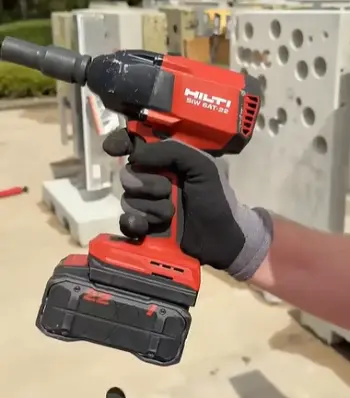
I’ve used plenty of corded power tools over the years, from entry-level homeowner models to premium professional equipment.
When I first picked up a Hilti corded rotary hammer, I immediately noticed that it felt different.
The balance, grip, and overall build quality gave me confidence before I even squeezed the trigger.
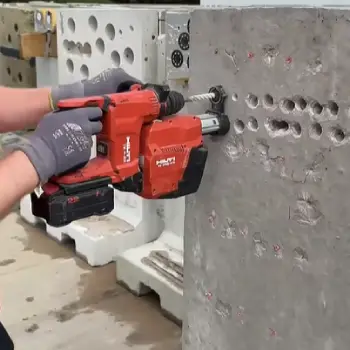
The first project involved drilling dozens of anchor holes into reinforced concrete. Normally, this kind of work leaves my hands tired and makes average drills struggle after continuous use.
The Hilti tool powered through concrete with remarkable consistency. It didn’t bog down, overheat, or lose performance even after several hours.
I later added a Hilti angle grinder and demolition hammer to my workflow. Both machines reinforced my opinion that Hilti designs tools for professionals who depend on them every day.
The motors remained strong throughout extended sessions, and vibration control noticeably reduced fatigue compared to several competing brands I had previously used.
One thing I appreciated was the thoughtful ergonomics. Even though Hilti corded tools are often heavier than consumer-grade alternatives, the weight feels properly distributed. Instead of fighting the tool, I felt like it worked alongside me.
The power delivery also impressed me. Whether cutting steel, drilling masonry, or breaking concrete, I rarely found myself wishing for more power.
The tools maintained consistent speed under load, which helped improve both productivity and precision.
Of course, no product is perfect. The premium price immediately stands out. If you’re an occasional DIY user, you may find it difficult to justify the investment. Replacement accessories can also cost more than those from budget brands.
Still, after months of regular use, I understood why so many contractors remain loyal to Hilti. Downtime became rare, maintenance requirements stayed minimal, and every project felt easier simply because the tools performed exactly as expected.
Overall, my experience has been overwhelmingly positive. If your work regularly involves concrete, steel, masonry, or demanding construction environments, Hilti corded power tools offer the kind of reliability that can easily justify their premium price over time.
Pros Of Hilti Corded Power Tools
- Exceptional Motor Performance
The motors deliver consistent power throughout demanding applications. Even after continuous heavy-duty use, I rarely noticed any reduction in cutting or drilling performance.
This consistency improves productivity because you spend less time waiting for the tool to recover or cool down.
- Outstanding Durability
Durability is probably the biggest reason I’d recommend Hilti.
These tools feel capable of surviving years of professional abuse.
Heavy-duty internal components, strong housings, quality bearings, and precision engineering all contribute to impressive longevity.
Rather than replacing tools every few years, many professionals continue using Hilti equipment for a decade or longer with proper maintenance.
That long lifespan helps offset the higher purchase price.
- Excellent Ergonomics
Long working days become much easier when the tool fits naturally in your hands.
Hilti’s grip design, trigger placement, and balance all contribute to reduced operator fatigue.
Even during repetitive drilling or grinding tasks, I remained comfortable longer than expected.
That comfort isn’t merely about convenience—it also helps maintain better accuracy throughout the day.
- Superior Vibration Control
Concrete drilling creates enormous vibration.
Hilti does an excellent job reducing that vibration before it reaches your hands.
After several hours of use, the difference becomes extremely noticeable.
Reduced vibration helps minimise fatigue while allowing more precise control over the tool.
For professionals who work daily with masonry or demolition equipment, this feature alone can make a substantial difference.
- Reliable Performance Under Heavy Loads
Many power tools perform well until they encounter particularly difficult materials.
Hilti thrives in those demanding situations.
Dense concrete, reinforced walls, thick steel, and stubborn masonry rarely overwhelm the motor.
Instead of forcing the tool, you simply let it do the work.
That reliability increases confidence while reducing frustration on demanding projects.
- Professional-Grade Safety Features
Safety often receives less attention than raw performance, but Hilti integrates useful protective features into many of its corded tools.
Overload protection helps prevent unnecessary motor damage.
Efficient cooling systems reduce overheating.
Well-designed guards improve user protection.
Comfortable grips reduce accidental slips.
These details collectively create a safer working environment without sacrificing productivity.
Cons Of Hilti Corded Power Tools
- Premium Price Can Be Difficult to Justify
The biggest drawback is obvious—the price.
Hilti corded power tools are among the most expensive options available. If you only complete occasional DIY projects or light home repairs, you’ll probably find equally capable alternatives at a much lower price.
For professional contractors, the investment makes more sense because the tools are designed for daily use. Casual users, however, may never fully benefit from everything Hilti offers.
- Heavier Than Some Competitors
Hilti builds its tools to last, and that robust construction often means additional weight.
Although the balance is excellent, certain demolition hammers and rotary hammers can feel heavy during overhead work or extended use.
If portability is your highest priority, lighter tools from other brands may feel more comfortable.
- Accessories Can Be Expensive
The initial purchase isn’t the only premium expense.
Hilti drill bits, chisels, grinding discs, and replacement accessories generally cost more than generic alternatives.
The quality is excellent, but you’ll need to account for those ongoing costs if you regularly replace consumables.
- More Than Many Homeowners Need
One thing I’ve noticed is that Hilti tools rarely feel “entry level.”
They’re engineered for construction professionals, industrial maintenance crews, and serious tradespeople.
If your biggest project is assembling furniture or hanging shelves, you’re paying for performance you’ll rarely use.
- Limited Availability Compared With Popular Retail Brands
Unlike some brands that appear in nearly every hardware store, Hilti products aren’t always easy to find locally.
Depending on where you live, you may need to visit a dedicated dealer or order online, which isn’t always convenient if you need a replacement immediately.
Maintenance Tips for Hilti Corded Power Tools
- Clean the Tool After Every Job
Dust, concrete particles, metal shavings, and wood debris can build up quickly around the motor housing and ventilation slots.
I always wipe the exterior with a soft cloth and use compressed air to blow dust out of the vents.
Keeping the tool clean improves airflow, prevents overheating, and extends the motor’s lifespan.
- Inspect the Power Cord Regularly
The power cord is one of the most important safety components. Before every project, I check for cuts, cracks, exposed wires, or damaged insulation.
Even minor damage should never be ignored because it can create electrical hazards. If the cord shows signs of wear, replace it immediately or have it professionally repaired.
- Keep the Ventilation Openings Clear
Hilti motors generate heat during heavy operation, and the cooling vents are designed to remove that heat efficiently.
Blocked vents reduce cooling performance and may shorten motor life. I make it a habit to inspect and clean the air vents after every demanding job.
- Use the Correct Accessories
Using the proper drill bits, grinding wheels, cutting discs, and chisels makes a noticeable difference.
Worn or incorrect accessories force the motor to work harder, increase vibration, and reduce cutting efficiency.
I always replace dull accessories before they begin affecting performance.
- Lubricate Moving Parts When Recommended
Certain Hilti tools require periodic lubrication according to the manufacturer’s maintenance schedule.
Following those recommendations reduces friction, minimises wear on internal components, and helps the tool continue operating smoothly for years.
- Avoid Overloading the Motor
One mistake I see people make is forcing the tool through difficult materials.
Instead of applying excessive pressure, let the motor do the work.
Overloading creates unnecessary heat, stresses internal gears, and can reduce the overall lifespan of the equipment.
- Store Tools in a Dry, Secure Location
Moisture is the enemy of electrical equipment.
After each project, I store my Hilti tools in their protective carrying case or a clean toolbox away from humidity, rain, and direct sunlight.
Proper storage protects both the housing and the internal electrical components.
- Check Carbon Brushes When Applicable
Some corded power tools use carbon brushes that naturally wear over time.
Periodic inspection helps identify wear before it affects motor performance.
Replacing worn brushes at the appropriate time can prevent more expensive motor repairs later.
- Inspect the Chuck and Bit Holder
Whether I’m using a rotary hammer or drill, I always make sure the chuck securely holds the bit. Dirt, concrete dust, or worn locking mechanisms can reduce grip strength.
Cleaning and inspecting the chuck regularly ensures better drilling accuracy and safer operation.
Comparison Of Hilti Corded Power Tools With Other Brands
- Hilti vs DeWalt
I’ve used both brands extensively, and each serves a different audience.
DeWalt offers outstanding value for professionals and serious DIY users. Their corded tools deliver solid performance at a more affordable price, making them attractive for buyers with tighter budgets.
Hilti, however, feels more refined when tackling continuous heavy-duty work.
The vibration control is generally better, the motors stay cooler during extended operation, and the overall construction feels more industrial.
If you’re working on demanding commercial construction sites every day, I’d personally lean toward Hilti.
If you want professional performance without spending quite as much, DeWalt remains an excellent option.
- Hilti vs Makita
Makita has earned an excellent reputation for reliability, comfort, and smooth operation.
I especially like Makita’s ergonomics, which often make their tools feel lighter than they actually are.
Hilti still pulls ahead when it comes to heavy concrete drilling, demolition, and sustained high-load performance. The motors simply feel more powerful when tackling the toughest materials.
Makita offers excellent value for general contractors, while Hilti shines on specialised construction projects involving concrete and structural work.
- Hilti vs Bosch
Bosch has long been recognised for producing dependable rotary hammers and grinders.
Their corded tools often provide an excellent balance between price and performance.
After using both, I found Hilti offers slightly better durability, stronger heavy-load performance, and more effective vibration reduction.
Bosch remains a fantastic choice for professionals seeking excellent quality without paying premium Hilti prices, but Hilti still feels like the more purpose-built option for demanding industrial environments.
- Hilti vs Milwaukee
Milwaukee has become incredibly popular among professional tradespeople because of its powerful motors and innovative designs.
Its corded tools perform exceptionally well across many applications.
Where Hilti impressed me more was consistency during continuous operation. After several hours of drilling or grinding, Hilti maintained its performance with remarkable stability.
Milwaukee excels in versatility, while Hilti focuses on maximum durability and sustained professional use.
- Hilti vs Metabo
Metabo produces outstanding grinders and metalworking equipment.
I’ve always admired the smooth performance and precision of Metabo tools.
Hilti distinguishes itself with exceptional construction quality and excellent support for demanding construction applications involving masonry and concrete.
If your work mainly involves fabrication and metalworking, Metabo deserves consideration. If concrete is your primary focus, I’d still choose Hilti.
Frequently Asked Questions (FAQ)
Hilti is widely considered one of the best for professional-grade corded hammer drills, especially for heavy concrete work.
For heavy-duty professional use, yes. For value and general construction, DeWalt is an excellent alternative.
Hilti generally performs better in demanding masonry and demolition applications, while Makita offers outstanding versatility and value.
Hilti is usually the better choice for maximum durability and heavy commercial work, while Bosch offers excellent performance at a lower price.
Final Thoughts
After using several Hilti corded power tools across different projects, I can confidently say they live up to their professional reputation.
They aren’t inexpensive, and they certainly aren’t aimed at casual users, but the performance, durability, and reliability make them a worthwhile investment for contractors and tradespeople who rely on their tools every day.
If you’re someone who values long-lasting equipment, powerful motors, reduced vibration, and dependable performance under demanding conditions, I believe Hilti is one of the strongest choices available.
While other brands offer excellent alternatives at lower prices, Hilti continues to stand out when the job demands uncompromising quality and consistent results.
Recent Posts
I tried Meltoway Hair Dissolving Cream because I wanted a quick way to deal with unwanted body hair without reaching for a razor every few days. If you are looking for a convenient at-home...
If you’re considering a saffron-based supplement to support mood, appetite control, and everyday wellness, Happy Saffron Plus is worth considering.I like that it takes a familiar botanical...