
If you’ve been dealing with tired legs, swelling, or long hours on your feet, I genuinely believe hollow compression socks are worth trying.
I went in skeptical, but after consistent use, I noticed real changes in comfort and recovery.
If you’re on the fence, this might be one of those small upgrades that quietly improves your daily routine in a big way.
My Personal Experience With Hollow Compression Socks
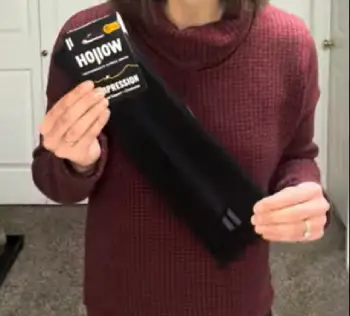
I’ll be honest with you—I didn’t expect much at first. Compression socks always sounded like something only athletes or older adults would wear.
But after long workdays sitting and occasional leg fatigue, I decided to give hollow compression socks a shot.
The first thing I noticed when I put them on was the fit. They felt snug, but not uncomfortably tight. There’s a fine line between supportive and restrictive, and these leaned toward supportive.
You know that feeling when your legs feel heavy after a long day? Within a couple of hours, that heaviness started to fade.
Over the first few days, I paid attention to how my legs felt at different times—morning, afternoon, and evening. What stood out was consistency.
My legs didn’t feel as swollen at the end of the day, and there was less of that dull ache I used to get around my calves.
What really surprised me was how breathable they felt. I expected my feet to get warm or sweaty, but the “hollow” design actually made a difference.
Airflow was noticeably better compared to regular compression socks I had tried before. If you live in a warmer climate or just hate sweaty feet, this is something you’ll appreciate.
After about two weeks, I realized something else: I wasn’t thinking about my legs as much. That might sound minor, but it’s actually huge. When discomfort disappears from your awareness, it means the product is doing its job.
Would I say they’re life-changing? Maybe not in a dramatic way. But they quietly improve your day—and sometimes, that’s exactly what you need.
What Makes Hollow Compression Socks Different?
The key difference comes down to structure. Traditional compression socks rely on dense fabric to apply pressure.
Hollow compression socks, on the other hand, use a design that incorporates tiny air channels within the fibers.
This creates a balance between compression and breathability. You still get the graduated pressure that helps with circulation, but without the suffocating feel some socks have.
From my experience, this design makes them more wearable for longer periods. You don’t feel the urge to take them off halfway through the day, which is something I struggled with before.
Another important aspect is weight. These socks feel lighter. It’s subtle, but when you’re wearing them for 8–10 hours, that difference matters.
Who Should Consider Hollow Compression Socks?
If you’re wondering whether these are for you, think about your daily routine.
If you spend long hours sitting—working at a desk, traveling, or even gaming—you’ll likely notice reduced stiffness.
If you’re on your feet a lot—teaching, retail work, healthcare—you’ll appreciate the reduced fatigue.
They’re also useful if you exercise regularly. I found them helpful for post-workout recovery, especially after leg days or long walks.
Even if you don’t fall into those categories, you might still benefit. Sometimes, your legs just need a bit of support, especially as your schedule gets more demanding.
Pros Of Hollow Compression Socks
- All-Day Circulation Support That You Can Actually Feel
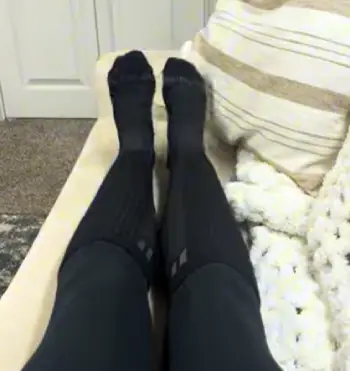
One of the strongest benefits—and something I personally noticed—is how effectively these socks support blood circulation.
Compression socks are designed to apply gentle pressure that helps push blood back toward your heart instead of letting it pool in your legs .
With hollow compression socks, this effect feels more natural. Instead of an aggressive squeeze, you get a steady, balanced compression that works quietly in the background.
Over time, this translates into lighter legs, less swelling, and reduced discomfort—especially if you sit or stand for long periods.
If you’ve ever ended your day with heavy, aching calves, you’ll likely notice a difference within days of consistent use.
- Noticeable Reduction in Swelling and Fatigue
This is where the socks really prove their value.
Swelling happens when fluid builds up in your lower legs, often due to poor circulation or long hours of inactivity. Compression helps move that fluid along, reducing puffiness and discomfort .
From my experience, hollow compression socks don’t just reduce swelling—they prevent it from building up in the first place. That’s a big deal. Instead of fixing the problem at the end of the day, they help you avoid it altogether.
You’ll especially appreciate this if you travel, work long shifts, or stay on your feet most of the day.
- Breathability That Sets Them Apart
Let’s be real—most compression socks can feel suffocating.
This is where the “hollow” structure and alpaca-blend fabric stand out. These socks are designed to regulate temperature and wick moisture naturally, which keeps your feet cooler and drier throughout the day .
In practical terms, that means:
- Less sweating
- Less odor
- More comfort in warm weather
For me, this was one of the biggest upgrades compared to traditional compression socks. You don’t feel trapped in them.
- Soft, Premium Feel Without Losing Compression
A lot of compression socks sacrifice comfort for function. These don’t.
The alpaca fiber blend gives a soft, almost luxury feel while still maintaining structure. According to product details, the material is designed to stay effective for months without quickly stretching out .
What I liked most is that you don’t feel like you’re wearing “medical gear.” They feel like normal socks—but better.
- Versatile for Daily Life, Travel, and Recovery
These socks aren’t limited to one use case.
You can wear them:
- During long workdays
- While traveling (especially flights or road trips)
- After workouts for recovery
- Even casually at home
Because they’re comfortable and breathable, you don’t have to plan your day around them. They adapt to your routine instead of disrupting it.
- Encourages Consistent Use
Here’s something people don’t talk about enough: compression only works if you wear the socks consistently.
Many traditional options fail because they’re uncomfortable. Hollow compression socks solve that problem. They’re designed for all-day wear, which makes it easier to stick with them long-term .
And consistency is what leads to real results—better circulation, less fatigue, and improved leg health over time.
Cons Of Hollow Compression Socks
- Not as Strong as Medical-Grade Compression
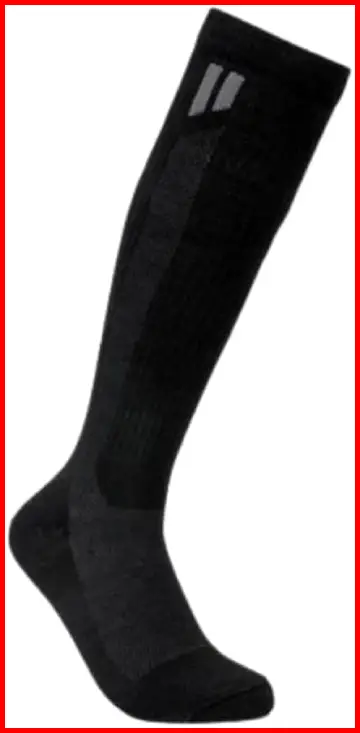
If you’re expecting intense, medical-level compression, these might feel too mild.
While 15–20 mmHg is great for everyday support, it may not be enough for people with serious conditions like severe varicose veins or advanced circulation issues.
Higher compression levels (20–30 mmHg or more) are often recommended in those cases .
So if your needs are clinical rather than lifestyle-based, you might need something stronger.
- Premium Pricing Compared to Basic Options
Let’s address the obvious—these socks are not the cheapest.
Because of the alpaca fiber and specialized design, they tend to cost more than generic compression socks. Budget options exist, but they usually don’t offer the same comfort or durability.
From my perspective, you’re paying for comfort and long-term usability. Still, if you’re on a tight budget, the upfront cost might feel like a barrier.
- Requires Proper Care and Maintenance
You can’t treat these like regular socks.
To maintain their compression and softness, you need to:
- Wash them gently
- Avoid high heat
- Air-dry instead of using a dryer
This extra care isn’t difficult, but it does require a bit more attention. If you’re used to tossing everything into a hot wash and dryer, this adjustment might feel inconvenient.
- Fit Can Be Tricky at First
Getting the right size is crucial.
If they’re too tight, they can feel restrictive. If they’re too loose, they won’t provide effective compression. And since compression socks rely heavily on proper fit, there’s less room for error compared to regular socks.
You may need to check sizing charts carefully or try a couple of sizes before finding the perfect fit.
- Not Ideal for Everyone
Compression socks aren’t universally suitable.
People with certain conditions—like poor arterial circulation—should be cautious, as improper use can cause issues or discomfort .
Even for healthy users, wearing them incorrectly or for too long can lead to irritation or pressure marks.
So while they’re safe for most people, they’re not a one-size-fits-all solution.
- Limited Style Variety
Let’s be honest—style isn’t their strongest point.
Compared to fashion-focused brands, hollow compression socks tend to prioritize function over aesthetics. You’ll find fewer color and design options.
If you care a lot about matching your socks with outfits, you might feel a bit limited.
Tips For Hollow Compression Socks
- Wash Them Properly to Maintain Elasticity
One thing I learned quickly is that how you wash these socks matters.
If you just throw them in with everything else and use high heat, you’ll shorten their lifespan. I recommend using cold water and a gentle cycle. This helps preserve the compression level.
You don’t want them losing their tightness after a few washes—that’s basically the whole point of the product.
- Avoid High Heat Drying
This is important.
Heat can damage the elastic fibers, which means the socks won’t provide the same level of compression. I personally air-dry mine, and it’s worked well so far.
It takes a bit longer, but it’s worth it if you want them to last.
- Rotate Between Multiple Pairs
If you’re planning to wear compression socks daily, don’t rely on just one pair.
Having at least two or three pairs allows you to rotate them, which reduces wear and tear. It also ensures you always have a clean pair ready to go.
- Put Them On Correctly
This might sound obvious, but technique matters.
Instead of pulling them up all at once, gather the sock and gradually roll it onto your foot and leg. This helps distribute the compression evenly and prevents overstretching.
- Use Them Consistently
You won’t get the full benefit if you only wear them occasionally.
From my experience, consistency is key. Whether it’s during work hours or after exercise, regular use leads to better results.
- Pay Attention to Fit
A good fit makes all the difference.
If the socks are too tight, they’ll feel uncomfortable. If they’re too loose, they won’t provide enough compression. Make sure you choose the right size based on your measurements.
- Replace When Necessary
Compression socks don’t last forever.
Over time, the elasticity will weaken. If you notice they’re not as snug or supportive as before, it’s probably time to replace them.
Comparison Hollow Compression Socks With Other Brands
- Hollow Compression Socks vs Traditional Compression Socks
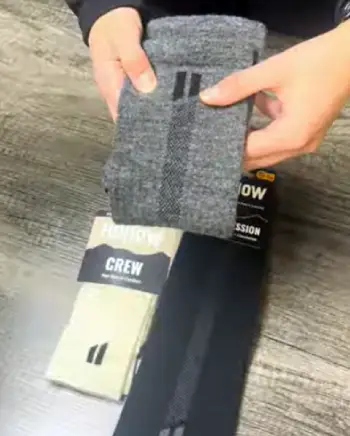
When I compared hollow compression socks with traditional ones, the difference in comfort stood out immediately.
Traditional options often feel heavier and less breathable. They get the job done, but you’re more aware of them throughout the day. Hollow compression socks, on the other hand, feel more natural to wear.
If comfort is your priority, the hollow design has a clear advantage.
- Hollow Compression Socks vs Athletic Compression Brands
Athletic brands tend to focus heavily on performance and durability.
While they often provide strong compression, they can sometimes sacrifice comfort for that intensity. Hollow compression socks strike a better balance for everyday use.
If you’re a professional athlete, you might prefer the firmer feel of athletic brands. But for daily wear, the hollow design feels more practical.
- Hollow Compression Socks vs Budget Compression Socks
Budget options are tempting, but they often fall short in consistency.
You might get decent compression at first, but it doesn’t always last. The material can wear out quickly, and the fit may not be as reliable.
Hollow compression socks, in my experience, offer more consistent quality. They feel like a product designed for long-term use rather than a quick fix.
- Hollow Compression Socks vs Premium Designer Brands
Premium brands often focus on aesthetics and branding.
While they can look great, they don’t always outperform in functionality. Hollow compression socks prioritize performance and comfort, which is what matters most in daily use.
If you care more about how your socks feel than how they look, the hollow design is a strong contender.
Also Read: Is Hollow Alpaca Socks Worth It?
Frequently Asked Questions (FAQ)
It depends on your needs, but brands that balance comfort, durability, and proper compression levels tend to perform best.
Yes, they can help with circulation in the lower leg, though they may not provide full foot support.
It’s better to avoid the dryer, as heat can damage the fibers and reduce effectiveness.
Typically 6–8 hours, but it depends on your activity level and comfort.
Final Thoughts
After weeks of use, I can confidently say hollow compression socks are a worthwhile investment.
They offer a rare combination of comfort, breathability, and effective support.
If you’re looking for something that improves your daily comfort without demanding attention, this is it. Give them a try—you might be surprised at how much better your legs feel.
Recent Posts
● Interactive 5-Zone Interior & Exterior Paint Blueprint Paint Coverage Calculator: Gallons, Primer, Square Footage & Cost Tap any architectural surface zone on the blueprint...
If you want smooth, shiny hair without spending a fortune on a premium styling tool, the Ella Bella hair dryer may be worth considering.In these Ella Bella hair dryer reviews, I’ll look...